
If you keep putting off the one task that actually matters and chipping away at small busywork instead, the Eat the Frog method may be the simplest fix you have not tried yet. The idea is straightforward. Pick your biggest, most important task. Do it first, before anything else. Win the day in 60 to 90 minutes.
Here is what the Eat the Frog method actually is, where it came from, how to use it without burning out, and the small tools that make it almost automatic.
What Is the Eat the Frog Method?
The Eat the Frog method is a productivity strategy that says: identify your single most important and most uncomfortable task of the day, then tackle it first thing in the morning. The phrase comes from a quote often attributed to Mark Twain: if the first thing you do is eat a live frog, you can go through the day knowing the worst is behind you.
Productivity coach Brian Tracy turned that line into a bestselling book in 2001. The method has stuck around for one reason. It works against the way procrastination actually behaves. Procrastination is not about laziness. It is about avoiding discomfort. The Eat the Frog method moves the most uncomfortable task to the moment of the day when willpower and clarity are at their peak.
Why Eat the Frog Works (The Brain Science in Plain English)
Three reasons this method beats a generic to-do list.
1. Decision Fatigue Is at Its Lowest in the Morning
You make hundreds of small choices through the day. Each one drains a little willpower. Doing your hardest task first means you have not yet burned through that morning bank of decision-making power.
2. Avoidance Is the Real Enemy
When a hard task sits on your list all day, it costs you energy. You think about it during breakfast. You feel it in the shower. You glance at it on the way to lunch. Eating the frog first deletes that all-day weight in 90 minutes.
3. The Day Gets Easier, Not Harder
Most days follow the opposite pattern. Easy stuff first, hard stuff at the end, then a panicked evening trying to get the big thing done. Flipping the order means the day gets easier as it goes. Everything after the frog feels like a downhill stretch.
Watch: A Quick Beginner’s Walkthrough of the Eat the Frog Method
What you will learn in this video:
- How to identify your real frog (it is not always the loudest task)
- What to do the night before to make morning execution easy
- The trap most beginners fall into in week one
- How long to actually work on the frog before switching gears
How to Use the Eat the Frog Method in 5 Steps
Day one feels strange. By day five it starts to feel automatic. Here is the simplest possible version of the system.
Step 1: Pick Your Frog the Night Before
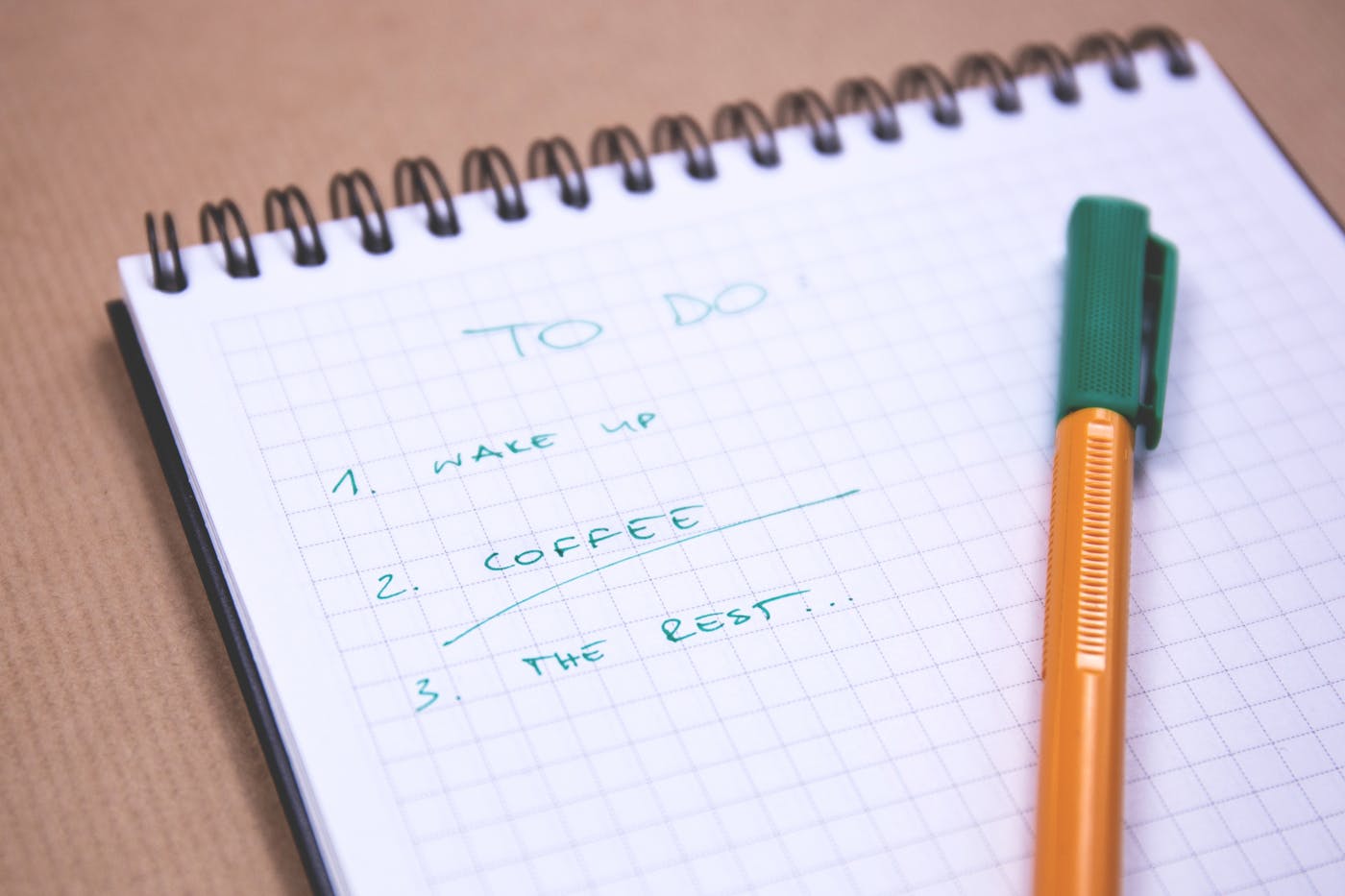
Tonight, before you wind down, ask one question. “What is the one task that, if I finished it tomorrow, would make tomorrow a clear win?” Write that task on a piece of paper or in your planner. Leave it where morning-you will see it.
This step matters more than people think. Picking the frog in the morning gives anxiety a chance to negotiate. Picking it the night before takes that negotiation off the table. The decision is already made.
Step 2: Protect a 60 to 90 Minute Morning Window
The frog needs a real block, not the scraps between meetings. Most people do well with a 60 to 90 minute window starting within the first hour of their workday. A phone-free morning routine sets this up perfectly.
Step 3: Start Before You Feel Ready
You will not feel ready. That is the entire point of the method. Sit down. Open the file. Take the first small action: open the document, write the first line of the email, pull up the spreadsheet. Starting beats motivation, every time.
The two-minute rule works well here as a kickstarter. Tell yourself you will work for two minutes. Most days the two minutes turn into the full block.
Step 4: Single-Task. Phone Down. Notifications Off.
Multitasking is the silent killer of the Eat the Frog method. The frog is the frog because it requires real cognitive load. Notifications, Slack pings, and the 30-second “let me check email” detours rip your attention back to the surface.
Practical setup: phone in another room. Notifications off on desktop. One browser window with the task. That is it.
Step 5: Stop When the Block Ends
This is the rule beginners skip. Eat the Frog is not Eat the Frog and Then Eat Three More. When the 60 to 90 minute block ends, take a real break. Walk for 10 minutes. Drink water. Talk to a human. Then start the rest of your day.

How to Pick Your Real Frog (The Part Most People Get Wrong)
The frog is not the most urgent task. It is the most important task you are most likely to avoid. Use this two-question filter every night.
- Question 1: If I only finished one task tomorrow, which one would move the needle most?
- Question 2: Which task am I most quietly hoping I do not have to face?
When the same task shows up in both answers, that is your frog. Examples:
- The sales call you have been delaying for a week
- The 600-word section of a report that needs original thinking
- The conversation with a team member about a missed deliverable
- The first draft of a proposal you keep “researching”
- The tax document you have not opened yet
If your “frog” is “answer 14 emails,” you have picked a tadpole. Emails are shallow work. They feel productive but they are rarely the task that would actually move tomorrow forward.
A Simple Tool: Use a Planner Built for One Big Task a Day
You do not need a planner to do this method. A sticky note works. But a daily planner with a clear “top priority” line makes the night-before frog pick almost automatic.
Panda Planner Classic Daily Planner

Source: amazon.com
Undated quarterly planner with a built-in priority section and morning gratitude page.
The Wellthie One Review
Panda Planner Classic Attributes
- Undated, so you start any day and skip ones you miss
- Built-in top-priority line on every daily page (a natural frog slot)
- Morning intention and evening reflection sections
- Quarterly format keeps the price reasonable for trying the system
The reason this planner pairs well with Eat the Frog is the priority line at the top. You cannot skip it. Filling it in the night before is a 30-second commitment that pays off every morning. The undated format also takes the guilt out of off days. Skip a day, pick it up tomorrow.
Use a Visual Timer to Lock the Block
The hardest part of a 60 to 90 minute focus block is staying in the chair. A visual timer on your desk makes the elapsed time obvious, which is one of the most effective concentration aids researchers have studied. The Pomodoro Technique uses the same principle.
Jack Productivity Cube Timer

Source: amazon.com
Flip-to-start cube timer with mute and vibration modes. Adjustable intervals for any block length.
The Wellthie One Review
Productivity Cube Timer Attributes
- Flip the cube to start (no app, no menus)
- Silent vibration mode keeps shared spaces calm
- Adjustable intervals fit a 60 to 90 minute frog block
- Pairs naturally with Pomodoro on lighter days
The reason a physical timer beats a phone timer: the phone is a portal to every distraction you are trying to avoid. Reaching for the phone to start the timer is the exact moment most focus sessions die. A cube timer on the desk skips that trap entirely.
What If My Job Is All Reactive (Email, Meetings, Customers)?
If your day is structurally reactive, Eat the Frog still works. You just need to defend a smaller, earlier block.
- Start your real first task before opening email or Slack. Even 25 minutes counts.
- Tell your team in writing that the first 60 minutes of your day are “focus block.” Most teams respect this if you set the expectation in advance.
- If clients call from 9 AM on, your frog block is 8:00 to 8:50.
- On meeting-heavy days, your frog might be the 15-minute prep that makes the most important meeting actually productive.
Common Pitfalls (and the Fixes)
Pitfall 1: You Pick a Too-Big Frog
If your frog is “finish the entire report,” you will quit before you start. Break it down. Today’s frog is “outline the report and write section one.” Tomorrow’s frog is section two.
Pitfall 2: You Skip the Night-Before Pick
Morning is when willpower is high but clarity is low. You will reach for the easiest task on autopilot. Pick the frog the night before and the autopilot decision is already done for you.
Pitfall 3: You Try to Eat Five Frogs
One frog a day. Maybe two on high-energy days. Five frogs is not Eat the Frog; that is just a stressful day with a fancy name.

Pitfall 4: You Punish Yourself on Miss Days
Some days the frog wins. That is fine. Pick a smaller frog tomorrow and start again. Self-criticism does not produce focus. Consistency does.
How the Frog Method Pairs With Other Productivity Systems
You do not have to choose. Eat the Frog plays nicely with most of the major productivity frameworks.
- With the Pareto Principle: The frog is the 20 percent of work that drives 80 percent of results.
- With the Ivy Lee method: Use Ivy Lee for your full 6-task list. The first item is your frog.
- With time blocking: Block the frog window before anything else gets on the calendar.
If You Have an Entry-Level Budget
You do not need a fancy planner to start. A grocery-store notebook works. If you want a slightly nicer entry option that still costs less than coffee out for the week, this one is solid.
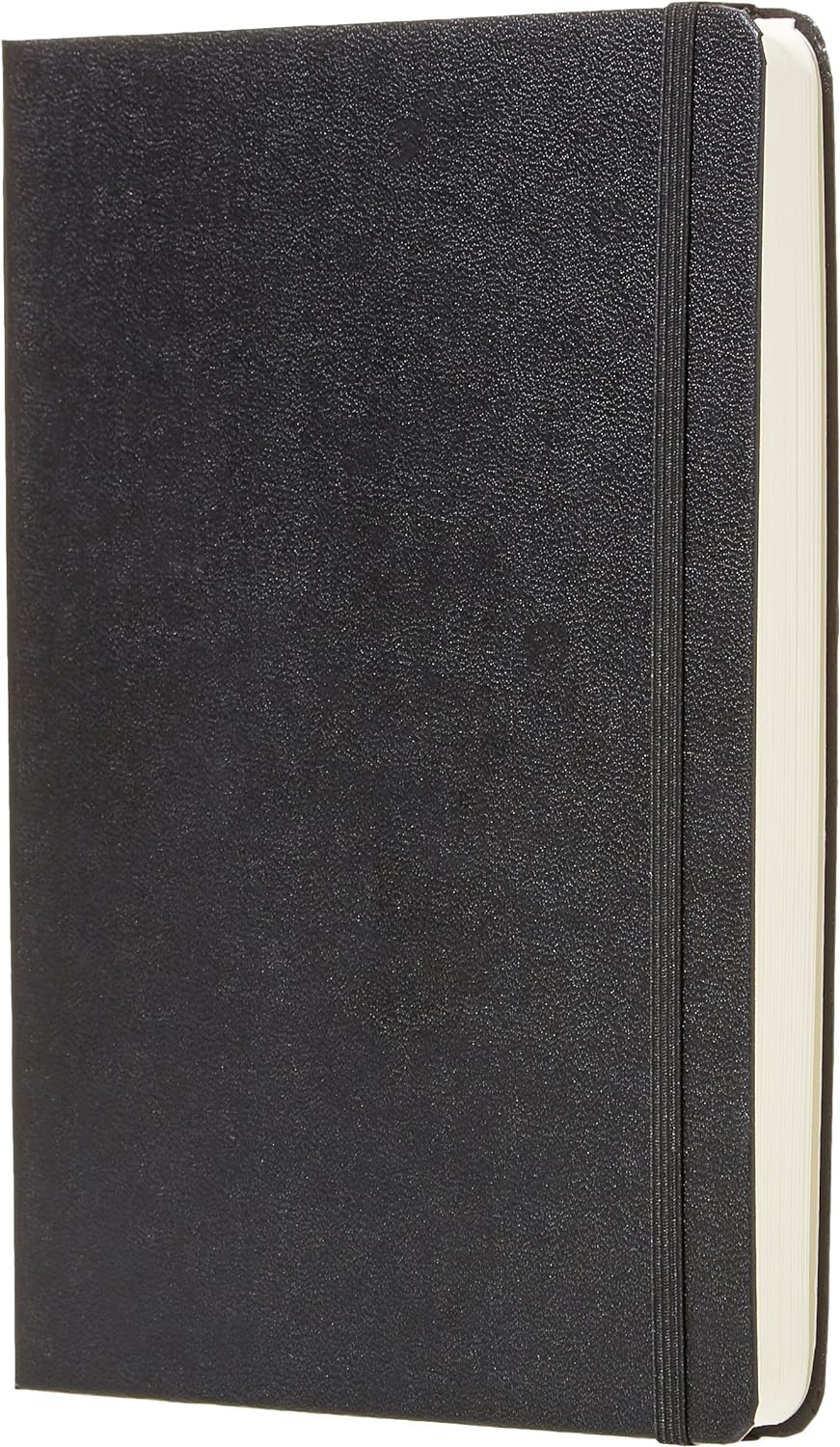
Amazon Basics Undated Daily Planner
Source: amazon.com
Simple weekly and monthly layout in an undated format. Start any day, skip days without guilt.
The Wellthie One Review
Amazon Basics Daily Planner Attributes
- Lowest entry-price for a working daily planner
- Undated weekly and monthly views
- Plenty of writing room for a clear top priority line each day
- Lightweight, easy to throw in a bag
If the goal is to just start, this is the planner. Buy it on Monday, write your first frog on Sunday night. By the second week you will know whether the method clicks for you and whether a more structured planner is worth the upgrade.
How Long Until It Feels Automatic?
Most people report a real shift around day 7. By week three the night-before frog pick is part of your evening routine, like brushing your teeth. By week six you start noticing that your week feels less heavy, even though you are doing the same volume of work.
The reason: the all-day weight of avoidance is gone. The hardest part of every day is finished by 10 AM.
FAQ
Can I do Eat the Frog at night if I work evenings? Yes. Do it in the first hour of your work shift, whenever that is. The “morning” part of the method is really “first peak focus block of your day.”
What if my frog takes more than 90 minutes? Break it into pieces. Today’s frog is the first chunk. Tomorrow’s frog is the next chunk. Same task, smaller bites.
Does Eat the Frog work for people with ADHD? Often, yes, with adjustments. The night-before pick is especially important. Pair the block with a visual timer and a single-window setup. See our piece on Pomodoro adjustments for ADHD adults for compatible tweaks.
What if I have small kids and my morning is chaos? Move the frog block to the first 60 minutes after drop-off, or to the first nap window, or to right after the kids are in bed. The method is about your first focus block, not literally before sunrise.
Is it okay to switch frogs mid-morning? Try not to. If a real emergency hits, finish the frog first if possible. Most “emergencies” are someone else’s poor planning.
Affiliate disclosure: TheWellthieOne.com is a participant in the Amazon Services LLC Associates Program. As an Amazon Associate I earn from qualifying purchases at no additional cost to you. We only recommend products we believe in.
Related read: For a complementary low-friction habit, our guide to the two-minute rule for daily productivity covers a kind way to dissolve procrastination on the smaller tasks that pile up around the big one.