
The two-minute rule for daily productivity is one of the simplest, kindest, most effective habits you can build, and it works because it sidesteps the exact mental friction that fuels procrastination. The rule has two everyday forms, and either version can change how a day flows.
The first form, from David Allen’s Getting Things Done, says: if a task takes less than two minutes, do it right now. The second form, popularized by James Clear in Atomic Habits, says: when starting a new habit, shrink the first version of it down to under two minutes so the act of beginning becomes almost effortless. Both versions reduce the cost of starting, which is the part where most days fall apart.
What you will learn in this video:
- How James Clear uses the two-minute rule to start every new habit
- Why making the first step ridiculously small is more sustainable than motivation
- How small wins compound into long-term identity change
- Examples of two-minute versions for reading, fitness, writing, and tidiness
Why the Two-Minute Rule for Daily Productivity Actually Works
Procrastination is rarely about laziness. It is almost always about overwhelm. The mind sees a long, vague, uncertain task and quietly decides to push it. The longer that pattern runs, the more weight the undone work carries.
The two-minute rule slices through that loop in two ways. It either removes the task entirely while it is still small, or it shrinks the first step of a bigger task to something the brain cannot reasonably refuse. Both versions reduce activation energy, which is the psychological cost of beginning.

A cluttered desk, a heavy inbox, an unwashed sink, an undone load of laundry. None of these are hard. They are simply stacks of two-minute decisions waiting on the same answer: do this now, or push it again. Once the rule becomes a default, the pile shrinks instead of growing.
The Two Versions, Side by Side
People often confuse the two versions of the rule. They are related, and they live well together, but they solve different problems.
Version One: The GTD Two-Minute Rule
From David Allen, in Getting Things Done: if a task surfaces and it can be completed in under two minutes, do it immediately rather than capture it for later. Reply to that single email. Wipe down the counter. Put the package by the door. The reason is simple. The cost of writing it down, tracking it, and revisiting it is higher than the cost of just doing it.
This version is best for managing the small administrative noise of a day. It keeps the inbox of life from filling up. Used well, it dramatically reduces the number of open loops your brain is asked to hold.
Version Two: The Atomic Habits Two-Minute Rule
From James Clear, in Atomic Habits: when building a new habit, define the first version of it as something that takes less than two minutes. Want to start running? Put on your running shoes. Want to start meditating? Sit on the cushion for one breath. Want to read more? Open the book, read one page, close it.
The point is not the two minutes of work. The point is showing up. Identity is built by repetition, and repetition only happens when starting is easy.

Atomic Habits by James Clear

Source: amazon.com
The bestselling habit guide that popularized the two-minute rule as a tool for identity-level change.
The Wellthie One Review
Atomic Habits Book Attributes
- Clear, plain-English writing with chapter-end summaries you can act on
- Four-laws framework (cue, craving, response, reward) is genuinely useful
- Two-minute rule chapter alone is worth the cover price for most readers
- Reads quickly, ideal for a one-week morning read
This is the single book most worth owning if the two-minute rule resonates. Read one chapter a day before your phone, and you will finish in under a month. For other tiny morning anchors, our guide to a phone-free morning routine pairs nicely with this habit work.
How to Apply the Two-Minute Rule Today
The fastest way to feel the rule working is a single focused hour. Walk through your space and complete every task you spot that is under two minutes. Put the dish in the dishwasher. Hang up the coat. Reply to the single-line email. Wipe the bathroom sink. Set the next morning’s coffee. Take out the trash.
At the end, look around. The visible change tends to be much bigger than the time invested, which is exactly the leverage the rule offers. Friction goes down. Decision fatigue drops. Energy returns to the work that matters.
Two-Minute Starting Versions of Big Habits
Use this list as a template for any new habit you keep failing to start:
- Read more. Open the book and read one paragraph.
- Exercise daily. Put on workout clothes and step outside.
- Write a book. Open the document and write one sentence.
- Learn an instrument. Pick it up and play one note.
- Meditate. Sit upright and breathe once.
- Cook at home. Take one ingredient out of the fridge.
- Build a strength habit. Do five reps of one exercise.
- Floss every day. Floss one tooth.
None of these are the goal. They are the on-ramp. Most days the on-ramp becomes the full habit anyway, because momentum is the easier story to live inside than guilt.

Where the Rule Quietly Breaks Down
The two-minute rule is not a universal answer. It has three known failure modes that are worth naming early so you can avoid them.
It Can Become an Excuse to Stop
If you only ever do two minutes, some habits never grow. The rule is meant to lower the cost of starting. Once you are in motion, you usually want to ride that wave. If the alarm sounds at two minutes and you stop reading, the original problem returns. Treat two minutes as the floor, never the ceiling.
It Can Distract From Deep Work
If you constantly answer two-minute tasks the second they appear, you can fragment a morning that was supposed to be reserved for focused work. The fix is to batch micro-tasks. Use a dedicated block, like the first 20 minutes of your day or the last 20 minutes, for sweeping all the small things at once. Leave the rest of the day for the deep work that compounds. For more on this trade, see our piece on Parkinson’s Law and how tighter deadlines help.
It Misses the Hard Job That Actually Matters
The two-minute rule will keep your day clean, but it will not finish your dissertation, your business plan, or your hardest conversation. Pair it with a high-leverage practice like the Eat the Frog method so that the one big task gets attention before the small tasks crowd in.
Helpful Tools for Living the Rule
You do not need any tools to use the two-minute rule. But two simple objects make it easier to stick with for the kind of person who likes a visible cue.
Jack Pomodoro Cube Visual Focus Timer

Source: amazon.com
Silent visual countdown cube with vibration alert. Set it for 2 minutes and the rule becomes a real, physical commitment.
The Wellthie One Review
Jack Pomodoro Cube Attributes
- Adjustable mute and vibration mode, ideal for open offices and quiet homes
- Visual countdown is easier on the nervous system than a phone timer
- Built-in 2, 5, 10, and 25 minute presets
- Holds a charge for weeks, no daily charging hassle
A physical timer is small enough to keep on the desk and serious enough to actually start the habit. It also keeps you off your phone, which is half the reason the rule fails for most people.
A Planner That Makes Small Wins Visible
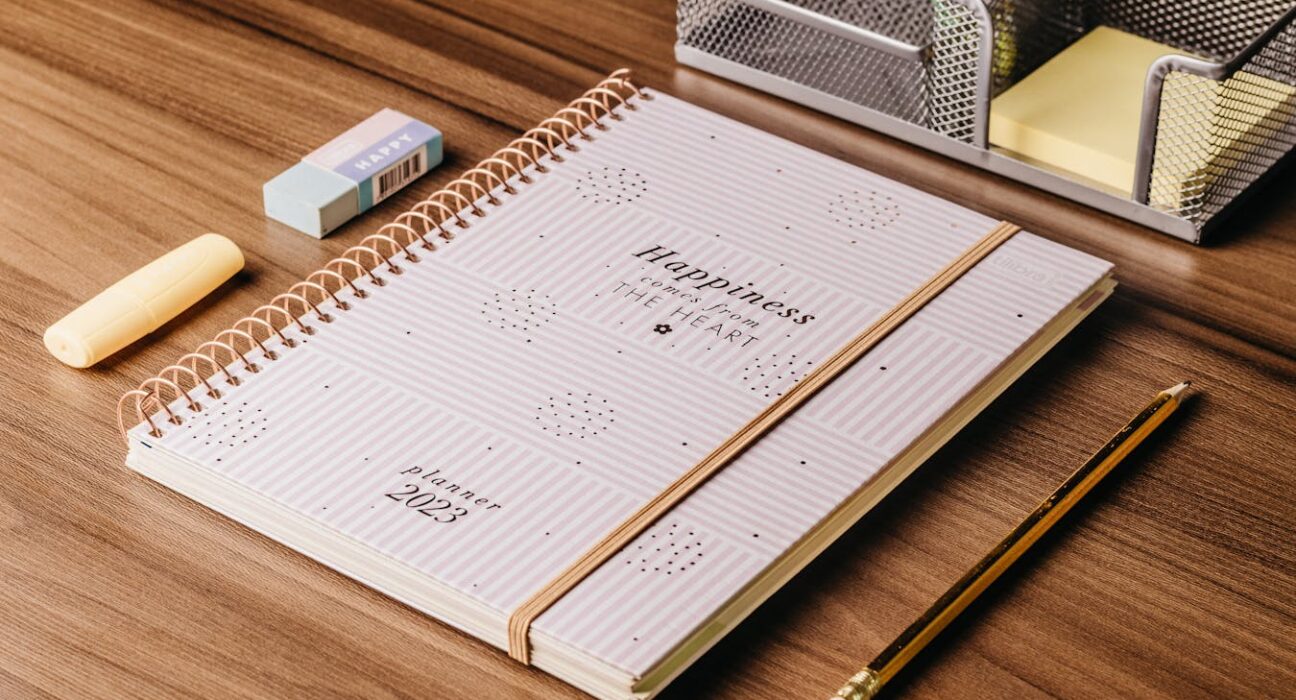
If you respond well to checkboxes, the second helpful object is a daily planner with a habit tracker. The win is not the planner, it is the act of seeing the streak grow. Two minutes a day is laughably small on paper, but ten checked boxes in a row is meaningful.
Panda Planner Classic Daily Planner

Source: amazon.com
Undated A5 daily planner with a hourly schedule, to-do list, daily journal, goal page, and habit tracker.
The Wellthie One Review
Panda Planner Attributes
- Undated, so a missed day does not create a stack of wasted pages
- Each day has dedicated space for habits, gratitude, and a single key focus
- A5 size fits in most bags, perfect for a coffee-shop morning ritual
- Sturdy cover survives daily handling for the full quarter
If you want a deeper read on adult habit formation, the Mayo Clinic has a useful overview of how habits form and stick that complements the two-minute approach well.

A Simple Week to Test the Rule
If you have read this far, run the experiment. Pick one new habit you have meant to build for months. Define the two-minute version. Pick a time, place, and cue. Do that two-minute version, on cue, every day for seven days. Track it on paper.
By the end of the week, two things are likely true. The habit will already feel less heavy. And you will know, in your body, the difference between a habit that needs more willpower and a habit that simply needs an easier start.
The two-minute rule for daily productivity is not flashy. It will never trend. It is just a small, durable, deeply kind way to make the day feel manageable again, and that is exactly why it works.
This post may contain affiliate links, which means we may receive a small commission, at no cost to you, if you make a purchase through a link.


