
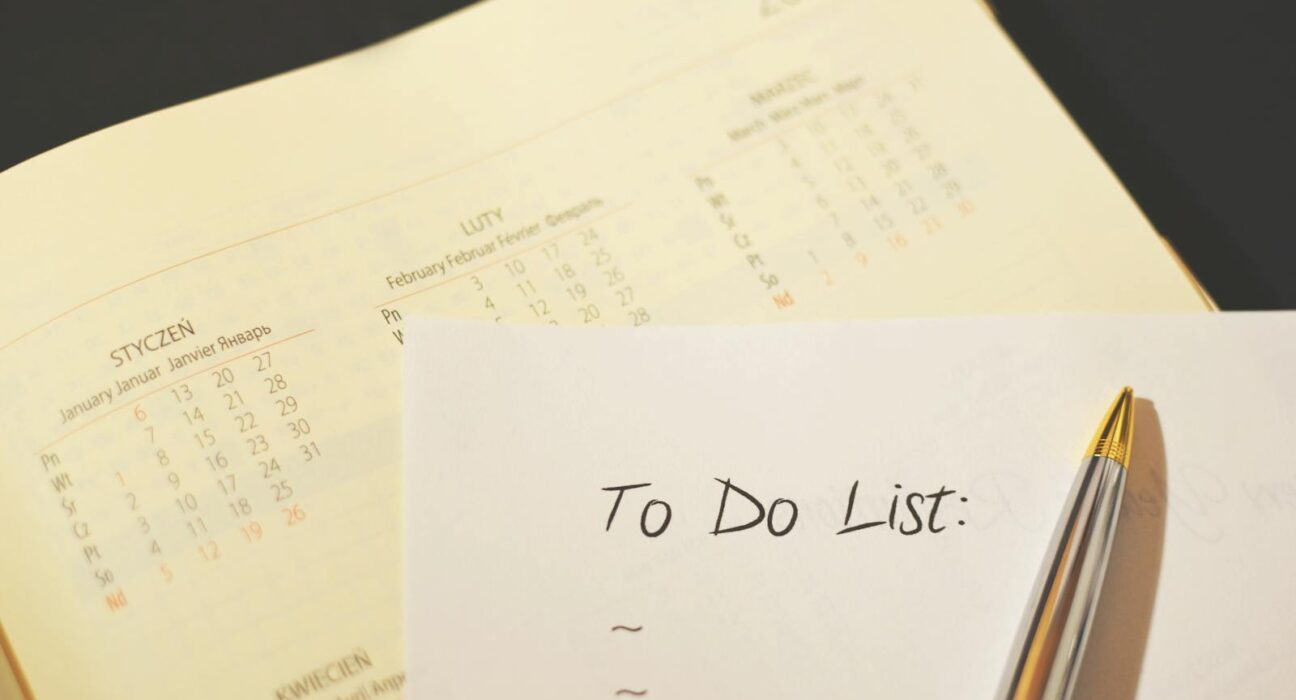
A brain dump is a quick, low-pressure exercise where you write down every task, worry, idea, and open loop that is taking up space in your head. The goal is not to organize it. The goal is to get it out. Most people who do a 10-minute brain dump report immediate stress relief, partly because of a quirk of human memory called the Zeigarnik effect: unfinished tasks keep cycling in working memory until they are captured somewhere external.
If you have ever woken up at 3 a.m. running through a list of things you cannot afford to forget, that is your brain trying to keep all those open loops alive. A brain dump is the simplest tool to close them. You do not need an app, a planner, or a special pen. You need ten minutes, paper, and permission to be messy.

What a brain dump actually is
A brain dump is one timed writing session where you transfer the contents of your mental clutter onto paper or into a digital file. It is not a to-do list. It is not a journal entry. It is closer to emptying a drawer onto the floor so you can see what is in there.
The format is simple. You set a timer for somewhere between 5 and 15 minutes. You write down everything that crosses your mind, in any order. Tasks, worries, half-formed ideas, errands, names of people you meant to text, the bill you forgot to pay, the email subject line you almost finished. Nothing is too small or too random.
The point is volume and speed, not quality. Quality comes later, in a separate sorting step. Mixing the two is what makes most people give up on brain dumps before they help.
Why a brain dump for stress relief works
The science here goes back to a Russian psychologist named Bluma Zeigarnik in the 1920s. She noticed that waiters could remember the details of unpaid orders perfectly, but forgot them the moment the bill was paid. Her conclusion: the brain holds open loops in active memory and only releases them once they are closed.
Modern research has confirmed and expanded the idea. Roy Baumeister’s 2011 work showed that simply writing down a plan for an unfinished task reduces the mental noise it creates, even before the task is done. The brain accepts the written record as a substitute for active rehearsal. The loop closes. The noise drops.
What this looks like in real life:
- Falling asleep faster because the next-day list is on paper, not in your head
- Less rumination during workouts, walks, or showers
- A clearer sense of what is actually urgent versus what just feels urgent
- Reduced anxiety in transitional moments (Sunday night, end of workday, before vacation)
None of this requires you to act on the list afterward. The relief comes from the act of capturing.
What you will learn in this video:
- Why getting tasks out of your head reduces background mental load
- How David Allen frames “capture” as the first step of any productivity system
- The simple two-minute decision that follows a brain dump
- Why a written list outperforms a mental list for almost everyone
How to do a brain dump in ten minutes
The first time can feel awkward. Most people overthink it because they expect a brain dump to look organized. It should not. Here is the simple version that works for most readers:
- Sit somewhere quiet with paper and a pen, or a blank document open.
- Set a timer for 10 minutes.
- Write down everything that crosses your mind. One item per line. No order.
- Do not edit. Do not rank. Do not group. Just write.
- When you slow down, ask yourself “what else?” three times. Each round usually surfaces a few more items.
- Stop when the timer ends.
Most people fill at least a full page. Some fill three. Both are normal. If you only get a few lines, set a 5-minute timer and try again later in the day. Sometimes the dump comes in waves.

Getting Things Done by David Allen

Source: amazon.com
The book that introduced “capture” as the first step in any sane productivity system, with a full chapter on the original brain dump exercise (called a “mind sweep”).
The Wellthie One Review
Getting Things Done Attributes
- Original framework for capturing, clarifying, and organizing mental clutter
- Includes a step-by-step “mind sweep” exercise (David Allen’s version of a brain dump)
- Updated edition with examples for digital and remote workflows
- Foundational reading for reducing mental load in any role
The most useful chapter for brain dumping is the one on processing the inbox after capture. The dump is half of the relief. The decision about each item is the other half. GTD lays out the cleanest version of that flow without forcing you to adopt the whole system. The mind sweep alone, repeated weekly, is worth the price of the book.
What to do with the list after
This is where most people quit. They do the dump, feel a little lighter, then look at the messy page and freeze. The fix is to wait a few hours, then return for a sorting pass. Sorting in the same session is too much, and trying to do it in the moment turns the dump into another to-do list.
When you return, work through the page once with four labels:
- Do now: anything that takes under two minutes, knock out on the spot
- Do later: real tasks that need scheduling on the calendar or task list
- Delegate: things someone else can handle
- Drop: items you wrote down but that do not actually matter
The “drop” pile is often the biggest. Brain dumps surface a lot of mental noise that turns out not to be important once it is on paper. Crossing those out is its own small relief.
When to brain dump
The most common high-impact moments to do a brain dump:
- Sunday evening, before the week starts
- End of the workday, to close mental loops before logging off
- Before a big meeting, presentation, or decision
- Before bed, especially during stressful weeks
- The morning after a sleepless night
- Before vacation, so you do not bring work in your head
Many readers like pairing it with a longer-form journaling practice such as morning pages or a structured weekly review. The brain dump is faster and more tactical. Morning pages are more reflective. Both have their place.
Common brain dump mistakes
Trying to organize while you write
The dump and the sort are two different jobs. Mixing them slows you down and makes the exercise feel like work. Dump first. Sort later.
Writing only “important” things
The little stuff is what creates the most background noise. Forgotten birthday cards, a flickering lightbulb, the email you started but never sent. Write it all.
Reading old notes during the session
Do not flip back. Do not check yesterday’s list. The brain dump is a fresh capture, not a review. Old context will hijack the flow.
Skipping the timer
Without a timer, brain dumps tend to either stop too early (“I am out of things”) or drag on too long. The timer is the structural piece that makes it sustainable.

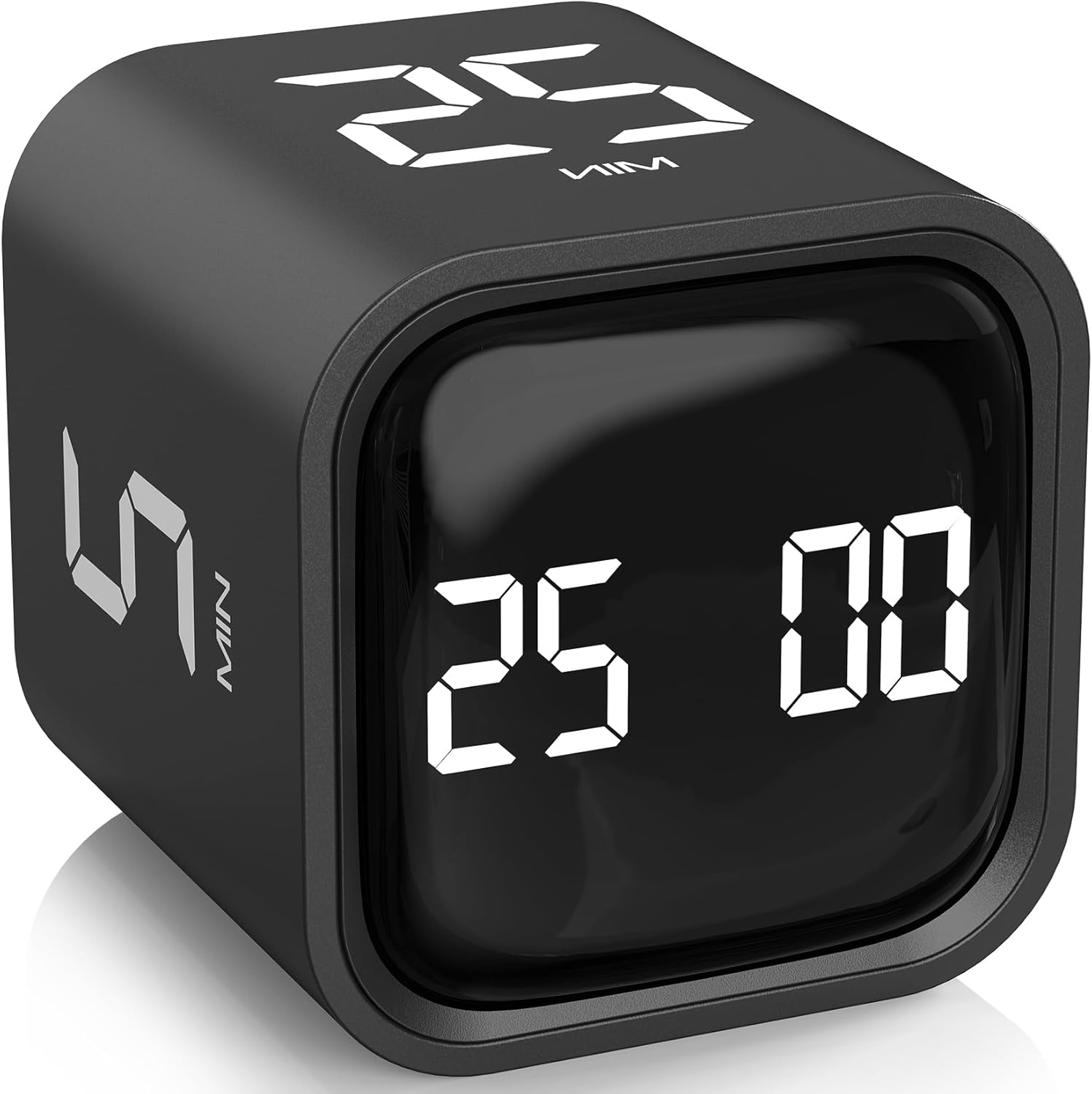
Rotating Pomodoro Cube Timer (Multiple Presets)
Source: amazon.com
A simple flip-style cube with 5, 10, 25, and 50 minute presets, vibration mode, and custom countdown. Removes the friction of phone-based timers for any timed practice.
The Wellthie One Review
Pomodoro Cube Timer Attributes
- Flip to start: rotate the cube to begin a 5, 10, 25, or 50 minute countdown
- Custom mode for any duration up to about 99 minutes
- Sound, vibration, and silent options for shared spaces
- Built-in stopwatch for free-form timing
The flip-cube design solves the biggest reason desk timers fail: friction. There is no menu, no app, no setup. You flip the cube and the countdown starts. The 5 and 10 minute presets are the brain dump sweet spot. After a week, the cube does what your willpower used to. It also doubles as a Pomodoro timer for deeper work later in the day.
Brain dumps for racing thoughts at night
One of the most useful applications of a brain dump is the bedtime version, especially during stressful seasons. The exercise is the same, just shorter. Five minutes, on a notepad next to the bed, before lights out. Most people fall asleep faster afterward, even on weeks when nothing else has changed.
If you have a sensitive nervous system or recent insomnia, pair the bedtime dump with a slow breathing practice afterward. The dump handles the cognitive load. The breath handles the physical activation. For more on calming the body itself, our reader-favorite guide on the 5-4-3-2-1 grounding technique for anxiety walks through a sensory exercise that pairs well with a brain dump.
Pairing brain dumps with habit-building
Many people start brain dumping during a stressful week and then forget the habit once life calms down. The trick is to anchor it to something predictable. James Clear’s habit framework calls this “habit stacking”: pair a new habit with one you already do.
Easy stacks that work for most readers:
- Brain dump every Sunday evening, right before reviewing your calendar
- Brain dump at the end of the workday, before closing your laptop
- Brain dump every morning while coffee brews
- Brain dump on the page facing your weekly review
The habit version is shorter and more focused than a one-off stress relief dump. Five minutes is plenty.
Atomic Habits by James Clear

Source: amazon.com
The bestselling habit guide that explains habit stacking, the two-minute rule for new behaviors, and why small daily practices outperform big resolutions.
The Wellthie One Review
Atomic Habits Attributes
- Plain-language take on behavioral science, no jargon
- The four laws of behavior change framework, very practical
- Habit stacking and habit shaping examples that pair well with brain dumps
- Hardcover, paperback, audio, and Kindle versions all available
The chapters on cue-based habit-building are the most directly useful for turning a brain dump into a sustained practice. Pair this with GTD and you have the rare combo of a productivity manual for today and a habit manual for the next year. Both are short enough to read across a few weekend afternoons.

What changes after a week of brain dumps
The first dump is usually the longest because it captures the backlog. By day three, most people notice they wake up with fewer racing thoughts because yesterday’s loops are already on paper. By the end of the first week, the practice tends to take 5 minutes instead of 10, and the post-dump sense of relief becomes predictable rather than novel.
You may also notice you stop saying “I just have so much going on right now.” The amount has not changed. The amount you are tracking in your head has. That mental space is the real prize.
Quick FAQ on brain dumping
Should I brain dump on paper or digitally?
Either works. Paper feels more therapeutic for most people because it is slower and less distracting. Digital tools (a plain text file, Notes, Notion) are easier to search and revisit later. Try paper first.
How is a brain dump different from journaling?
Journaling explores feelings and thoughts. A brain dump captures tasks, ideas, and open loops. They can overlap, but the brain dump is faster, less reflective, and intentionally surface-level.
Do I need to read my brain dump after?
You should sort it within a day or so. Reading it without sorting just adds the same items back to mental rotation. Sort, decide, schedule, drop.
Can a brain dump make anxiety worse?
Sometimes the first dump feels heavy because it shows you everything at once. That is normal and usually passes after a couple of days. If anxiety spikes hard, switch to a 3-minute dump and stop there. Smaller is better than skipping.
This post may contain affiliate links, which means we may receive a small commission, at no cost to you, if you make a purchase through a link.