
If you have ever felt your shoulders climbing toward your ears in the middle of a regular Tuesday afternoon, you are not alone. The box breathing technique for stress is a simple four-part breath pattern that can shift your nervous system from “go” to “settle” in about a minute, with no apps, no equipment, and no quiet room required.
This guide walks through how box breathing works, the original Navy SEAL pattern, simple variations, common mistakes, and how to build a consistent five-minute practice you will actually keep up.
What Is the Box Breathing Technique?
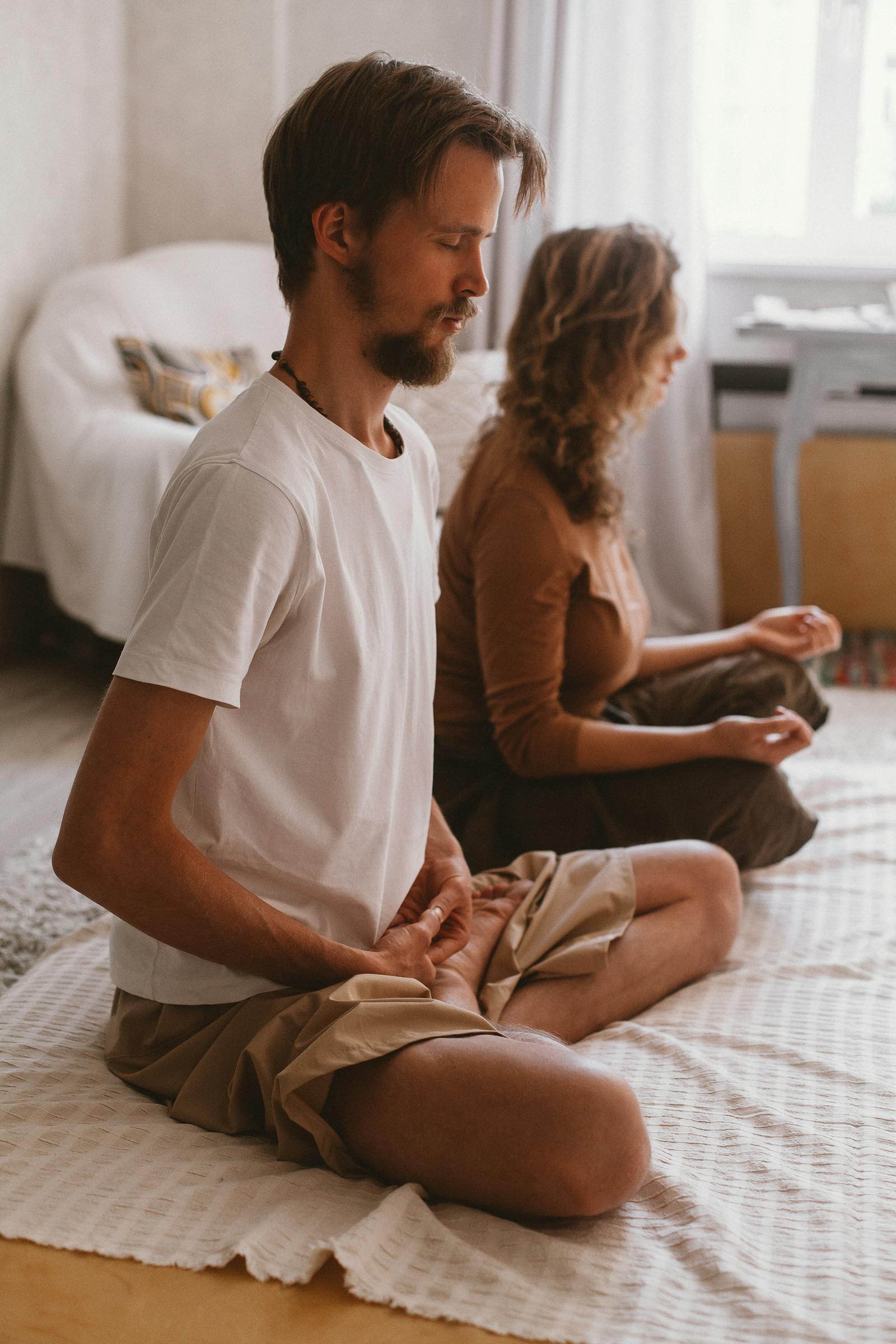
Box breathing, also called square breathing or four-square breathing, is a simple pattern of inhaling, holding, exhaling, and holding again, all for the same count. Picture the four equal sides of a box. The most common count is four seconds per side, which is why you will often see it written as 4-4-4-4.
The technique was popularized by former Navy SEAL Mark Divine as a way to stay calm and clear in high-pressure situations. It has since spread into therapy offices, classrooms, and corporate wellness programs, mostly because it is quick to learn and surprisingly effective.
One reason it works so well is that the long, even exhale and brief hold gently activate the vagus nerve, which signals your body to slow down. This is part of why people often feel a small wave of calm by the second or third round.
What you will learn in this video:
- The exact 4-4-4-4 box breathing pattern, demonstrated in real time
- How Navy SEALs use this technique to stay calm in high-stakes moments
- Why the technique works for everyday stress, not just elite performance
- A short guided practice you can follow along with right now
How to Do Box Breathing in Five Minutes
Here is the basic 4-4-4-4 pattern. You can do this seated, standing in line, lying in bed, or before a phone call.
- Sit or stand with a tall but relaxed spine. Soften your shoulders.
- Inhale slowly through your nose for a count of four.
- Hold the breath gently for a count of four.
- Exhale slowly through your nose or mouth for a count of four.
- Hold the empty breath for a count of four.
- Repeat. Five rounds is roughly one minute. Twenty-five rounds is about five minutes.
The pattern feels a little awkward at first. That is normal. After three or four rounds, most people notice that their shoulders soften, their jaw unclenches, and the next round comes more easily. Five minutes is a sweet spot. It is short enough to actually do, and long enough to feel a real shift.
If you are brand new to breathwork in general, our guide to supporting your nervous system through gut and immune health pairs nicely with the calming work breathwork is doing.
Mindsight Original Breathing Buddha

Source: amazon.com
USB rechargeable visual meditation tool with three guided breathing modes
The Wellthie One Review
Mindsight Breathing Buddha Attributes
- Three guided breathing modes including a 4-4-4-4 box breathing rhythm
- Soft glowing light that expands and contracts with each breath cycle
- USB rechargeable, no setup or app required
- Made for adults and kids, and a popular tool in classrooms and calm-down corners
If you find the timing piece of box breathing the hardest part, a small visual breathing tool removes the math. The Buddha simply glows brighter on the inhale and dims on the exhale, with a steady pause at each end. Many parents use it for their kids, then keep it on the desk for themselves.
Why the Box Breathing Technique for Stress Actually Works
Most stress reactions feel automatic because they are. When the brain perceives a threat, the sympathetic nervous system speeds up your heart, tightens your muscles, and shortens your breath. The slow, even rhythm of box breathing nudges your body in the opposite direction.
Research from the National Library of Medicine on slow breathing and autonomic balance suggests that controlled breathing patterns can shift heart rate variability and support the parasympathetic, rest-and-digest side of the nervous system. That is the part responsible for that “I just exhaled and my whole body softened” feeling.
What makes box breathing especially handy is that the equal-count structure is easy to remember when your brain is not at its sharpest, like during a panic moment, before a hard conversation, or in the middle of the night when worry shows up uninvited.
When to Use Box Breathing
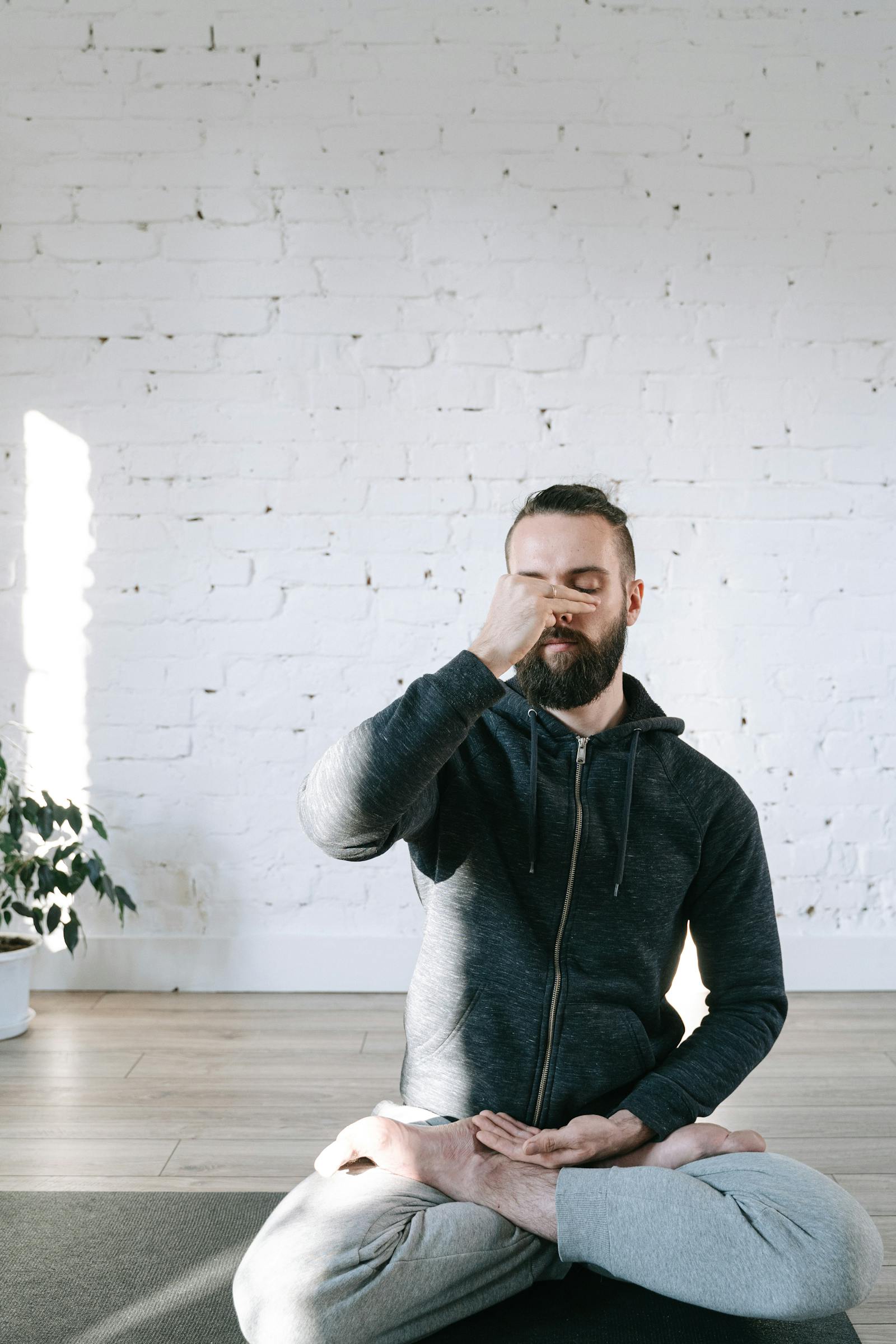
Box breathing is most useful in moments where you can feel your stress system starting to climb but you have not lost the ability to follow a simple count. A few good times to try it:
- Before a big meeting, presentation, or hard conversation
- In the car after a frustrating drive, before walking into the house
- Right after the alarm goes off, before reaching for your phone
- When you wake up at 3 a.m. and your mind starts spinning
- After a workout, to help your body shift into recovery mode
- Before a meal, to help your digestion settle into rest-and-digest mode
If you are deep in a panic attack or feeling lightheaded, this is not the right moment for breath holds. In those cases, simply lengthening your exhale, by inhaling for four and exhaling for six, is gentler and may feel safer.
Common Variations of Box Breathing
Once 4-4-4-4 feels comfortable, you can adjust the pattern to fit different goals.
5-5-5-5 or 6-6-6-6 for Deeper Relaxation
Lengthening the count slows your breath rate further. Six seconds per side is around five breaths per minute, which is the range many studies link to the strongest parasympathetic response.
4-7-8 Breath for Sleep
If you want a more sedating pattern at bedtime, the 4-7-8 breath, popularized by Dr. Andrew Weil, can be a good companion. You inhale for four, hold for seven, and exhale for eight.
4-4-6-2 for Quick Reset
This shorter version emphasizes a longer exhale and a brief empty hold. It is good for a quick reset between tasks when you do not have a full minute.
Box Breathing With Movement
You can also walk in time with the count. Four steps inhale, four steps hold, four steps exhale, four steps hold. This is a great way to bring breathwork into your morning walk.
The Mindfulness Journal for Anxiety

Source: amazon.com
Daily prompts and short practices to support a calmer nervous system
The Wellthie One Review
The Mindfulness Journal for Anxiety Attributes
- Short daily prompts that take five to ten minutes
- Includes simple breathing exercises and grounding practices
- Therapist-written, with cognitive behavioral roots
- Compact size, easy to carry in a bag or keep on a nightstand
Pairing box breathing with a few minutes of journaling helps the practice stick. Writing one sentence about how you felt before and after each session creates a real-life record of what is working. Many readers tell us they finally believed in the technique once they could see “shoulders dropped” written ten days in a row.
Common Mistakes That Make Box Breathing Feel Worse
If box breathing makes you feel dizzy or anxious, you are probably running into one of these issues.
Counting Too Fast
“One, two, three, four” should take roughly four full seconds, not two. A clock or a metronome on your phone can help calibrate.
Forcing a Big Inhale
The breath should be slow and full, not strained. If your shoulders are climbing toward your ears, you are probably overworking the breath. Aim for a quiet, comfortable inhale into the lower ribs.
Holding the Breath With a Tight Throat
The pause is meant to be soft. Imagine the lungs simply being still. There should be no clenching at the throat or chest.
Skipping the Empty Hold
The brief hold after the exhale is the part most beginners drop. That little pause is a big part of what makes the rhythm calming. Stick with the full square.

Building a Five-Minute Practice You Will Actually Keep
Like any small habit, box breathing works because it compounds. The trick is to attach it to something you already do every day. A few habit anchors that work well:
- Box breathe in your car for five minutes before walking into work
- Sit in your driveway and box breathe before walking into the house at the end of the day
- Do five rounds before opening your phone in the morning
- Box breathe for two minutes before each meal, as a digestion-support ritual
- Use it as the bridge between the workday and dinner
If you already have a morning anchor like sunlight or a quick walk, you can stack box breathing on top of it. Our guide on morning sunlight for circadian rhythm reset is a great companion routine, since both habits speak to the same calm, grounded nervous system.
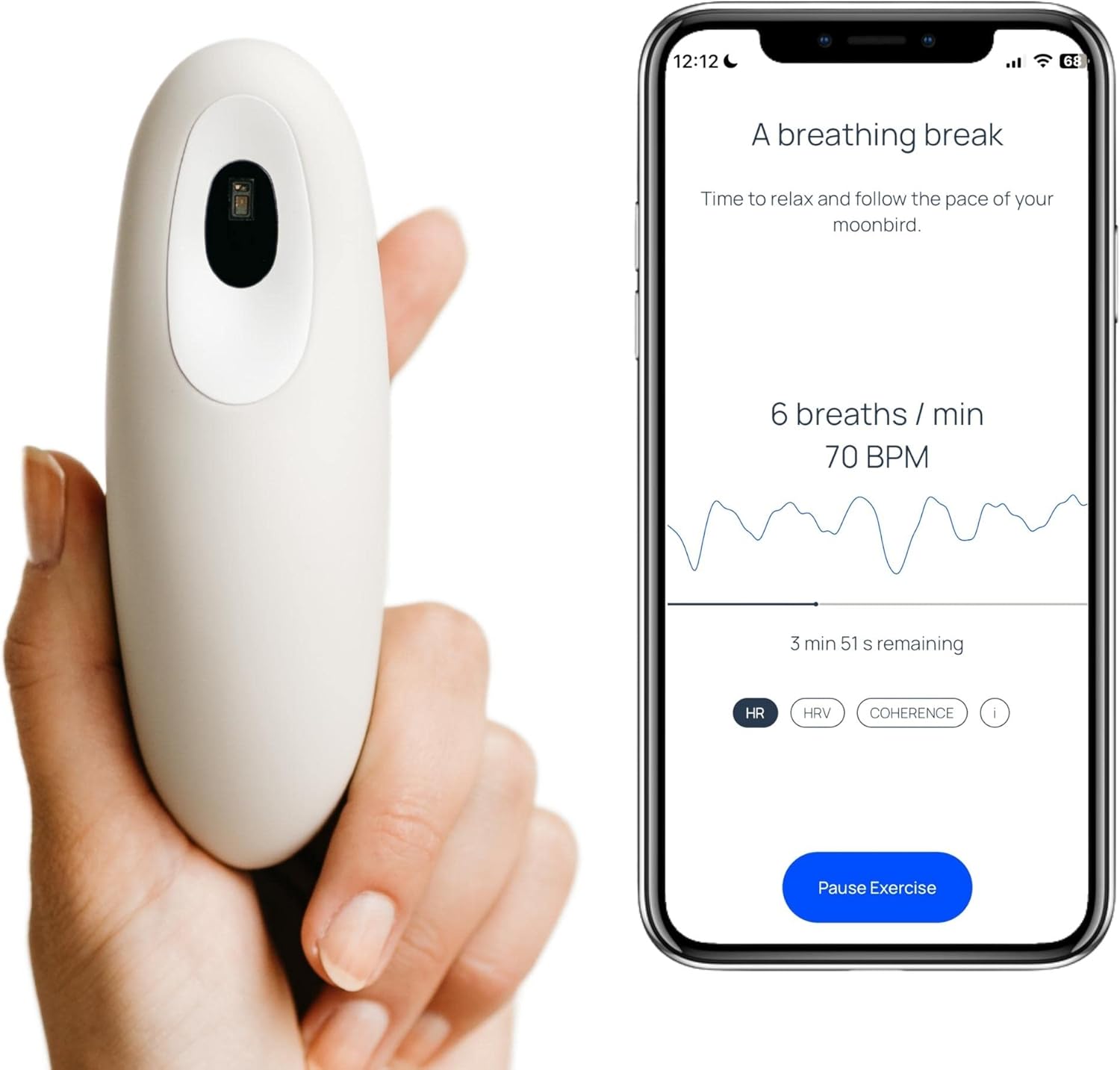
Moonbird Handheld Breathing Tool
Source: amazon.com
Tactile breathing tool that expands and contracts in your hand to guide each breath
The Wellthie One Review
Moonbird Breathing Tool Attributes
- Tactile feedback in the palm, no screen needed
- Adjustable inhale and exhale ratios, including box breathing patterns
- Optional companion app with biofeedback if you want to track progress
- Rechargeable battery, designed to be a calm anti-screen tool
This is a higher-end option for people who want a tactile cue rather than a visual one. The Moonbird gently expands and contracts in your hand, so you can practice with your eyes closed. It is especially nice at bedtime when you are trying to step away from screens.
How Long Until You Notice a Difference?
Most people feel a small calming effect inside a single five-minute session. The bigger shifts, like a quieter mind in stressful moments, easier sleep, or a longer fuse with the kids, tend to show up after about two to three weeks of daily practice.
You do not need a perfect record. Even three sessions a week is enough to start retraining your nervous system. The goal is to build a practice you can return to, not to chase perfection.
A Final Note on Stress and the Box Breathing Technique
The box breathing technique for stress is not a magic fix, and no breathing practice can replace sleep, real boundaries, or honest help when life is overwhelming. What it can do is give you a reliable, no-equipment way to interrupt the spiral, soften your shoulders, and remind your body that you are safe in this moment.
Pick one anchor, set your phone for five minutes, and try a single round today. By the time you finish reading this sentence, you could already be three breaths in.
This post may contain affiliate links, which means we may receive a small commission, at no cost to you, if you make a purchase through a link. We only recommend products we trust.


