

Key Takeaways
- Mindfulness meditation is a simple practice where you focus on the present moment without judgment. Just five minutes a day can make a real difference.
- Research shows that regular mindfulness practice may reduce stress, improve focus, lower anxiety, and even help with sleep quality.
- You do not need any special equipment to start. A quiet spot, a comfortable seat, and a willingness to try are all you need.
If you have ever felt like your mind is racing from one thought to the next, you are not alone. Most of us spend our days jumping between tasks, worries, and plans without ever pausing to be present. Mindfulness meditation is a simple way to break that cycle. It is not about clearing your mind completely. It is about noticing where your attention goes and gently bringing it back.
If you are curious about mindfulness meditation for beginners, this guide will walk you through everything you need to know. We will cover the science behind it, how to start a simple daily practice, common mistakes to avoid, and a few tools that can help along the way.
What you will learn in this video:
- A complete 10 minute guided meditation designed for absolute beginners
- How to use breath and body awareness as anchors for attention
- Simple techniques to handle wandering thoughts without frustration
- Why this practice is a perfect starting point for daily mindfulness
What Is Mindfulness Meditation and Why Should You Try It?
Mindfulness meditation is the practice of paying attention to the present moment with curiosity and without judgment. It was popularized in the West by Jon Kabat-Zinn, who developed the Mindfulness-Based Stress Reduction (MBSR) program at the University of Massachusetts Medical Center in the 1970s.
Unlike some forms of meditation that ask you to visualize or chant, mindfulness simply asks you to notice. You notice your breath. You notice sensations in your body. You notice thoughts as they arise and let them pass like clouds moving across the sky.
Research from institutions like Harvard, Stanford, and the Mayo Clinic has shown that regular mindfulness practice may reduce cortisol levels, improve attention span, reduce symptoms of anxiety and depression, and even change the physical structure of the brain in areas related to self-awareness and compassion.
How to Start Mindfulness Meditation for Beginners
Starting a mindfulness practice is easier than most people think. You do not need a special room, expensive equipment, or hours of free time. Here is a simple step by step approach that works for complete beginners.
Step 1: Find a Quiet Spot
Pick a place where you will not be interrupted for five to ten minutes. It does not need to be perfectly silent. A quiet corner of your bedroom, a park bench, or even your parked car will work.
Step 2: Sit Comfortably
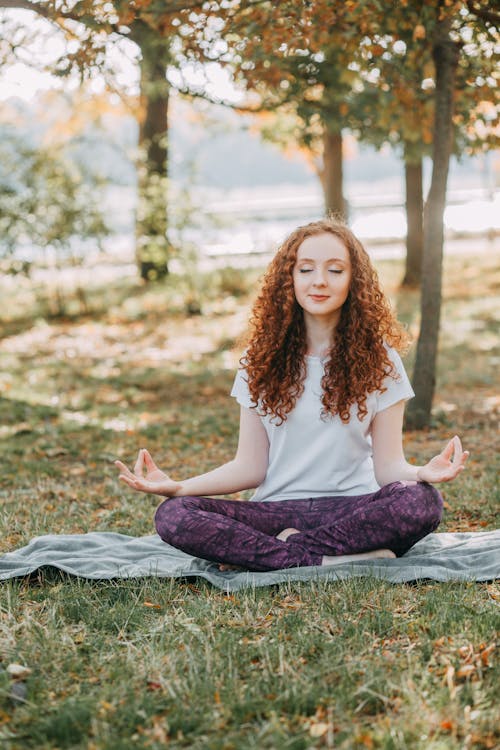
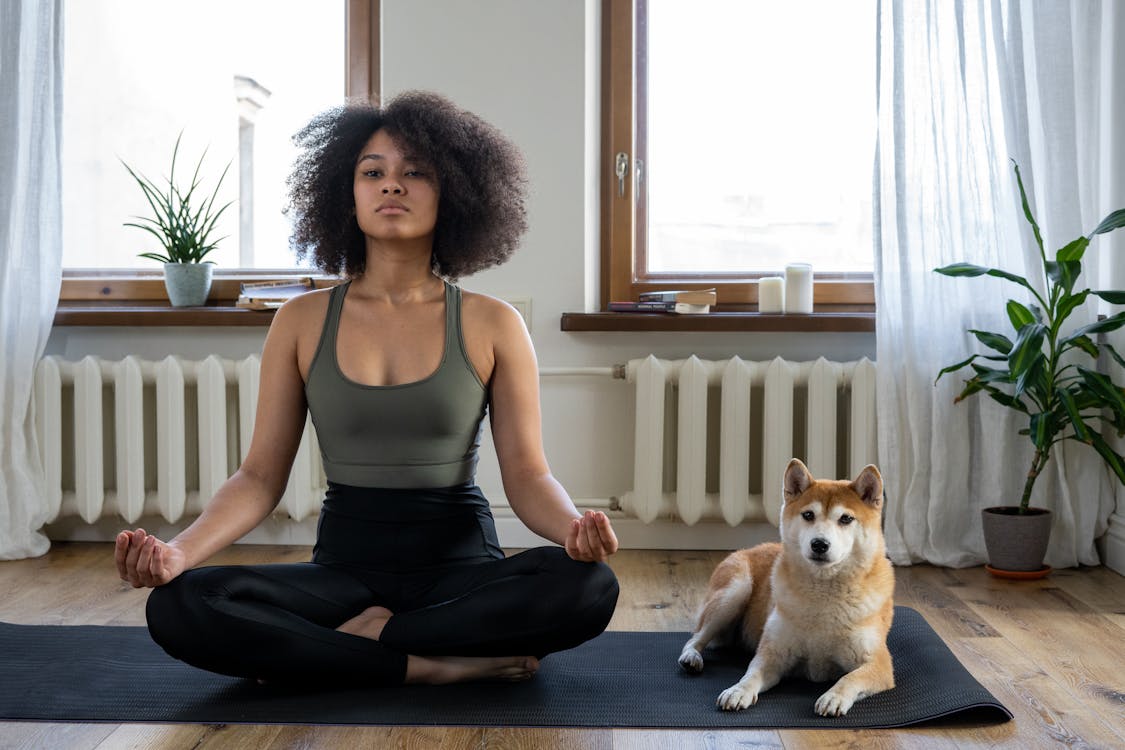
You can sit in a chair with your feet flat on the floor or cross-legged on a cushion. Keep your back straight but relaxed. Rest your hands on your knees or in your lap. Close your eyes or soften your gaze downward.
Step 3: Focus on Your Breath
Breathe naturally. Do not try to control it. Simply notice the sensation of air moving in and out through your nose. Feel your chest or belly rise and fall. This is your anchor point.
Step 4: Notice When Your Mind Wanders
Your mind will wander. This is completely normal and expected. When you notice that you have drifted into a thought, gently acknowledge it and bring your attention back to your breath. There is no need to judge yourself or feel frustrated.
Step 5: Start Small and Build
Begin with just five minutes per day. As the practice feels more natural, gradually extend your sessions to ten, fifteen, or twenty minutes. Consistency matters more than duration. Three sessions of five minutes each week are better than one long session that you never repeat.
Retrospec Sedona Zafu Meditation Cushion

Source: amazon.com
Buckwheat hull filled meditation cushion for comfortable seated practice
The Wellthie One Review
A good meditation cushion can make all the difference when you are starting out. The Retrospec Sedona Zafu is filled with buckwheat hulls that conform to your body and provide stable support. The crescent shape tilts your pelvis forward slightly, which helps you maintain a straight spine without strain. We like the machine washable cotton cover and the built in carry handle. With over 2,900 reviews and a 4.6 star rating, it is a reliable choice for beginners and experienced meditators alike.
Retrospec Sedona Zafu Meditation Cushion Attributes
- Filled with natural buckwheat hulls for firm, adjustable support
- Crescent shape promotes proper spinal alignment
- Machine washable 100% cotton cover in multiple colors
- Built in carry handle for easy transport

Common Mistakes Beginners Make with Mindfulness Meditation
One of the biggest mistakes is expecting instant results. Mindfulness is a skill that develops over time. You would not expect to run a marathon after one jog. Give yourself the same patience with meditation.
Another common mistake is trying to stop your thoughts. That is not the goal. The goal is to notice your thoughts without getting swept away by them. Think of your mind like a busy road. You are sitting on the sidewalk watching cars pass by. You do not need to stop the traffic. You just observe it.
Many beginners also skip days and then give up entirely. It is better to meditate for two minutes every day than to do thirty minutes once a week. Build the habit first. The depth will come naturally.
Mindfulness for Beginners by Jon Kabat-Zinn

Source: amazon.com
The essential guide to reclaiming the present moment by the founder of MBSR
The Wellthie One Review
Jon Kabat-Zinn literally wrote the book on mindfulness in the West. This beginner friendly guide distills decades of research and teaching into accessible, jargon free language. It covers the foundations of mindfulness without any spiritual pressure. What sets this book apart is how gently it meets you where you are. There is no guilt, no rigidity, just an invitation to pay attention. We recommend it as the single best starting point for anyone new to meditation.
Mindfulness for Beginners Attributes
- Written by Jon Kabat-Zinn, the creator of Mindfulness-Based Stress Reduction
- Clear, practical guidance without spiritual jargon
- Includes exercises you can try immediately
- Over 2,900 reviews with a 4.4 star rating on Amazon
Tools That Can Help Your Mindfulness Meditation for Beginners Practice
While you do not need any tools to meditate, a few well chosen items can support your practice. A comfortable cushion helps you sit longer without discomfort. A timer or bell can signal the beginning and end of your session without the jarring sound of a phone alarm. And a good book can deepen your understanding of the practice over time.
Some people also find that a singing bowl creates a calming ritual around their practice. The resonant tone helps signal to your brain that it is time to shift into a quieter state. It can also be used as a focus point during meditation, following the sound as it fades into silence.
Handcrafted Tibetan Singing Bowl Set

Source: amazon.com
Authentic hand-hammered singing bowl with wooden striker and cushion
The Wellthie One Review
This handcrafted singing bowl is made in Nepal using traditional hand-hammering techniques. The 3.5 inch bowl produces a clear, resonant tone that lasts for several seconds. It comes with a wooden striker and a cushion for display and playing. We love using it to mark the start and end of meditation sessions. The sound itself becomes a meditation tool, giving your mind something tangible to follow as it fades. With over 25,000 reviews and a 4.6 star rating, it is a favorite among beginners and seasoned practitioners.
Handcrafted Tibetan Singing Bowl Set Attributes
- Hand-hammered in Nepal using authentic techniques
- Includes wooden striker and display cushion
- Produces a clear, calming tone for meditation sessions
- Compact 3.5 inch size fits easily on a desk or shelf
Building a Long-Term Mindfulness Practice
Starting is the hardest part. Once you sit for a few days in a row, you will notice small shifts. You might pause before reacting to a stressful email. You might sleep a little better. These small wins build momentum.
Keep a simple journal next to your meditation spot. After each session, write one sentence about how you feel. Over weeks, you will see patterns that motivate you to keep going.

Research from Harvard Medical School found that eight weeks of regular mindfulness practice changed the brain’s grey matter in regions linked to memory, empathy, and stress regulation. You do not need to meditate for hours. Even 10 minutes a day can produce real changes over time.
If you miss a day, do not judge yourself. Simply start again the next morning. Consistency matters more than perfection. The goal is not to empty your mind. The goal is to notice your thoughts without getting swept away by them.
Frequently Asked Questions About Mindfulness Meditation
How long should a beginner meditate?
Start with 5 minutes and work your way up to 15 or 20 minutes over a few weeks. Short sessions done daily are more helpful than one long session per week.
Can mindfulness meditation help with anxiety?
Studies suggest that regular mindfulness practice may reduce symptoms of anxiety. A 2014 meta-analysis in JAMA Internal Medicine found that mindfulness programs showed moderate evidence of improving anxiety. Always consult your healthcare provider for serious anxiety concerns.
Do I need to sit cross-legged?
Not at all. You can meditate sitting in a chair, lying down, or even walking. The key is a position where you feel alert but relaxed. A solid morning routine can make meditation feel natural.
What if I cannot stop thinking?
That is completely normal. Meditation is not about stopping thoughts. It is about noticing them and gently returning your focus to the breath. Each time you redirect your attention, you strengthen your mindfulness muscle.
Getting Started Today
Mindfulness meditation for beginners does not require special equipment, a quiet retreat, or hours of free time. All you need is a few minutes, a comfortable spot, and the willingness to try. Start with one short session today. Notice how you feel afterward. If you found this helpful, explore our guide on how gratitude journaling can change your brain for another simple practice that supports mental wellness.
Your mind is the most powerful tool you have. Mindfulness meditation helps you learn how to use it with intention and care.
This post may contain affiliate links, which means we may receive a small commission, at no cost to you, if you make a purchase through a link.


