Shingles is a viral infection that causes a painful rash. It is caused by the varicella-zoster virus, which is the same virus that causes chickenpox. After a person recovers from chickenpox, the virus lies dormant in the body. The virus can reactivate years later, causing shingles. Shingles most commonly affect people over the age of 50. However, it can occur at any age.
Score My Shingles Toxic Load Severity
Shingles is a reactivation pattern — it happens when immune surveillance drops because of upstream toxic load. 5 quick questions score how heavy your load is right now, so you know whether to focus on topical healing alone OR pair it with upstream work for recurrence prevention.
What are the symptoms of shingles?
Shingles is an infection that primarily affects the nerves near your spine. The rash and pustules develop as a result of the inflammation caused by the virus.
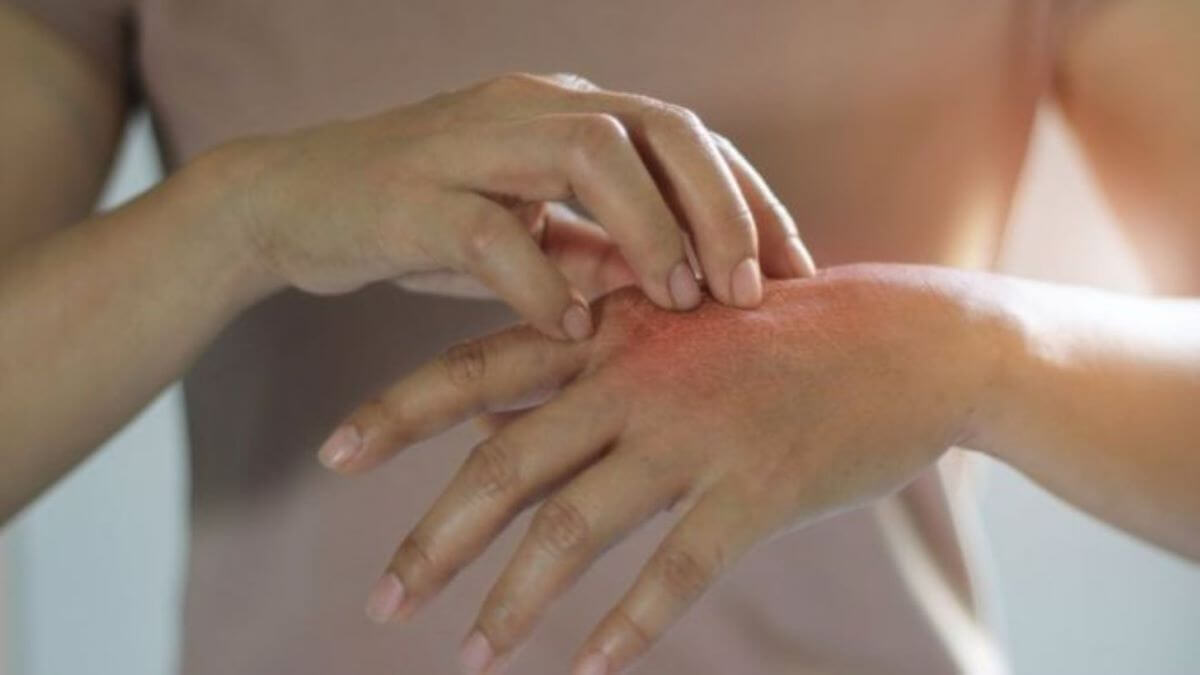
The first symptom of shingles is usually pain, which can range from mild to severe. The pain is often described as burning or tingling. The symptoms of shingles vary from person to person, but typically include a red rash, followed several days later by painful blisters that often rupture and discharge pus (shingling). Pus may also accumulate under the skin (subcutaneous oozing), leading to severe discomfort.
Once you have shingles, your immune system will start to attack your own skin cells. This can cause pain and swelling in the affected area, along with lesions or small scabs that may blossom into full-blown shingles.
If you experience these symptoms, it’s important to see a doctor as soon as possible for treatment with antibiotics and antiviral drugs. In some cases, surgery may be required to remove inflamed tissue or infected bone. Fortunately, 90 to 95% of people who are treated for shingles will have a full recovery within two weeks without requiring long-term care or medication.
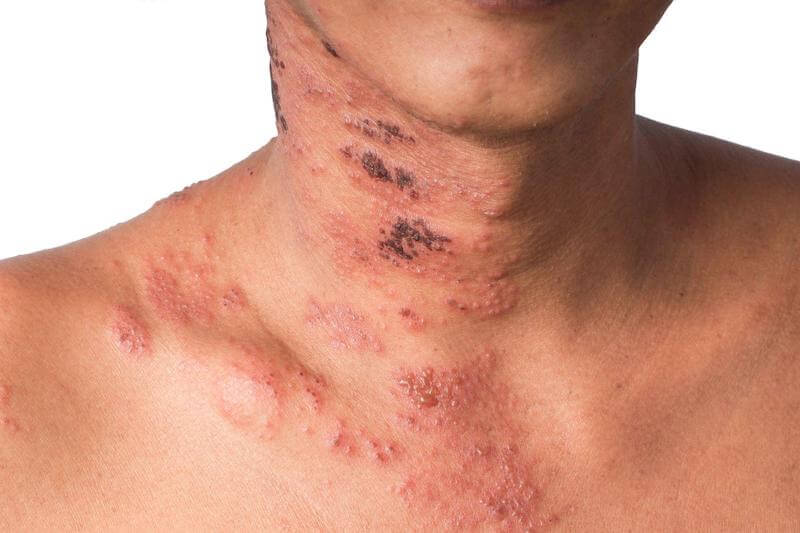
What do shingles look like?
The rash usually starts as one or more small blisters that develop into large pustules within two to four days. These pustules may ooze secretion and cause severe itching and pain. Within weeks after the infection resolves, healing begins, and the scabs will fall off in about six to eight weeks.
Conventional medical treatments for shingles
Shingles is usually treated in Western medicine with antiviral medications such as valacyclovir (Valtrex), famciclovir (Famvir), and acyclovir (Zovirax).
These drugs can help shorten the duration of the illness and may also help relieve some of the pain associated with shingles. Antidepressants, anticonvulsants, and local anesthetics may also be used to treat the pain caused by shingles. In some cases, corticosteroids may be prescribed to reduce the inflammation associated with the condition.
All of these treatments involve lengthy lists of possible unwanted side effects that need to be researched well before taking these drugs.
Avoiding pharmaceuticals and their side effects for shingles treatment
If you would like to hold off on using toxic chemicals from pharmaceutical treatments that have numerous side effects after getting diagnosed by a doctor, you absolutely can. We have put a list together of nine natural treatments that are effective and side-effect free.
They not only help clear the shingles rash and virus. They may also reduce inflammation. Over time they may help fade the signs of shingles scars in many cases.
9 Natural treatments for shingles scars and rash and
How to get rid of shingles scars
Shingles pain can be intense. Some common side effects of shingles include headache, fever, fatigue, chills, and pain in joints or muscles. There is no cure for shingles, but there are a number of natural remedies that may help relieve symptoms.
Here is a list of 10 highly effective natural remedies that can be used on their own or you can use as many as you like together. Some are for topical use, others are for internal use. Feel free to use more than one.
1. Milk Thistle
One herbal remedy that has been shown to be effective in treating shingles is milk thistle extract. This herb helps improve liver function and reduce inflammation throughout the body. It has also been shown to increase blood flow to the area affected by shingles, which may help lessen the itchiness and pain associated with this condition. Milk thistle can be taken in the form of a tea, tincture, powder, or capsule.
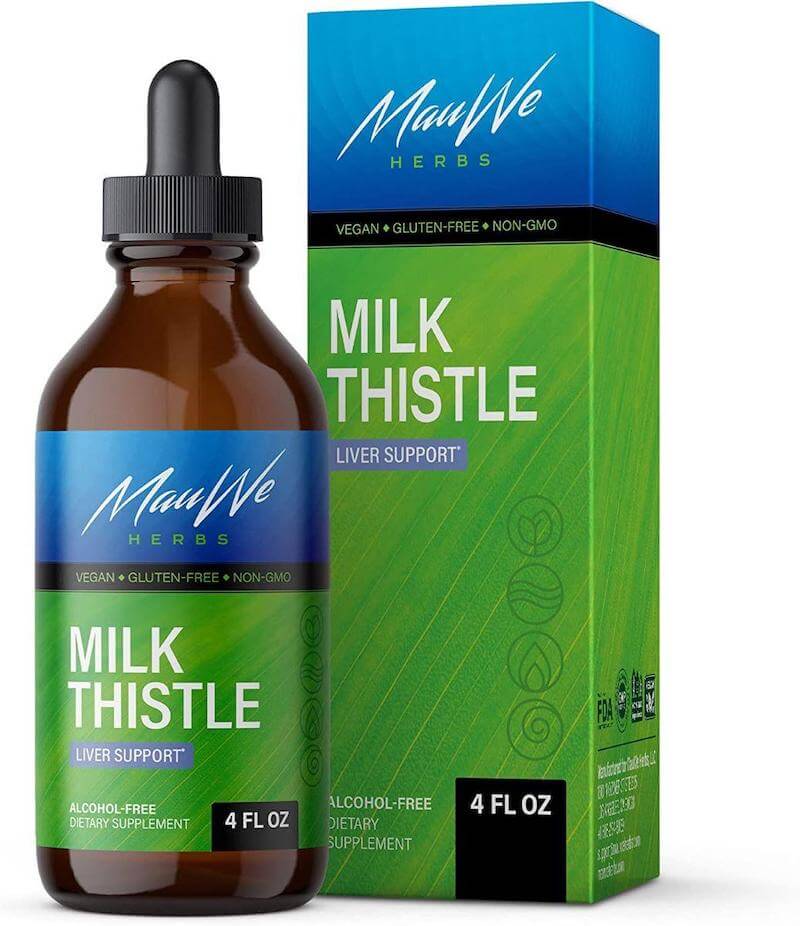
We like the effectiveness of milk thistle tincture due to the ability of the body to absorb it immediately and start working the second you swallow it. Be sure to find a pure milk thistle tincture with no fillers or dilutions like this one:
Maui Herbs Organic Milk Thistle Liquid Tincture
2. Calendula oil
Calendula oil is extracted from the flowers of chamomile plants and has been used for centuries to treat wounds, bruises, burns, and other injuries.
In addition to its healing properties, calendula oil helps improve scar appearance due to its anti-inflammatory properties. To use it effectively, apply a few drops of oil directly onto affected areas several times daily.
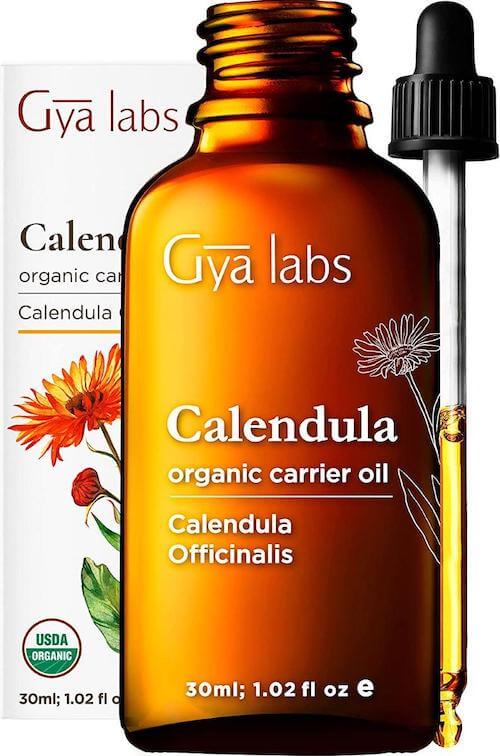
A quality calendula is one that is organic and purely made, like this one:
Gya Labs USDA Calendula Oil Organic for Skin (1.02 oz)
3. Comfrey ointment
Comfrey ointment is made from the leaves, flowers, and roots of comfrey plants. Comfrey is a member of the plant family Asteraceae (the Aster family). The active ingredients in comfrey ointments are flavonoids, which have anti-inflammatory properties.
People use comfrey ointment to help treat shingles scars because its active ingredients can reduce inflammation and shrink scar tissue.
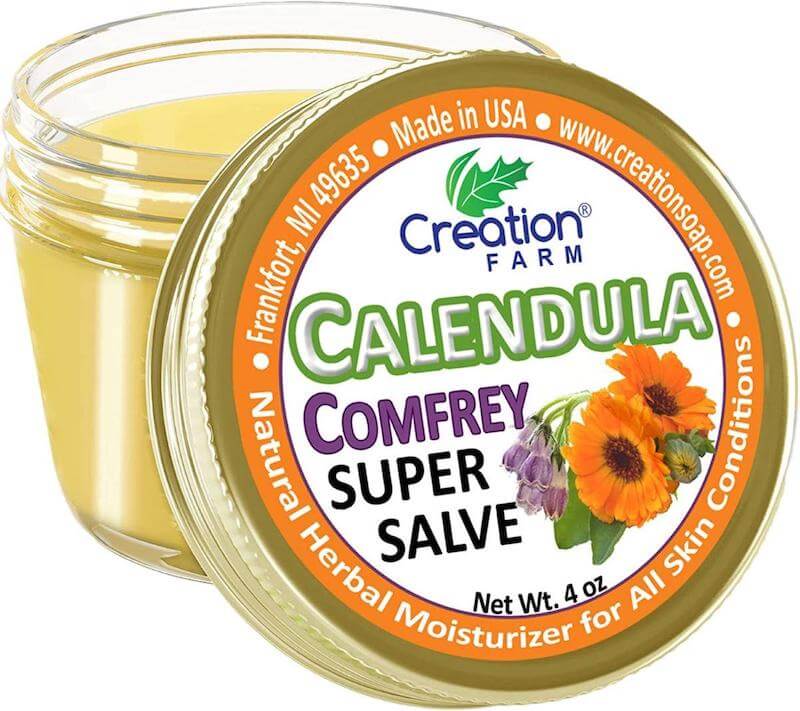
A good comfrey ointment is made with pure ingredients and has no fillers, chemicals, or preservatives like this one:
Calendula Comfrey Super Salve
4. Chamomile tea
Chamomile contains flavonoids, which are compounds that have anti-inflammatory and antioxidant properties. These compounds work together to help reduce the inflammation and redness associated with shingles scars and help heal wounds.
Another benefit of chamomile tea is that it can help soothe skin irritation and improve blood flow. By helping to improve circulation, chamomile tea may be able to reduce the appearance or severity of scarring.
Chamomile tea can be consumed throughout the day to soothe symptoms.
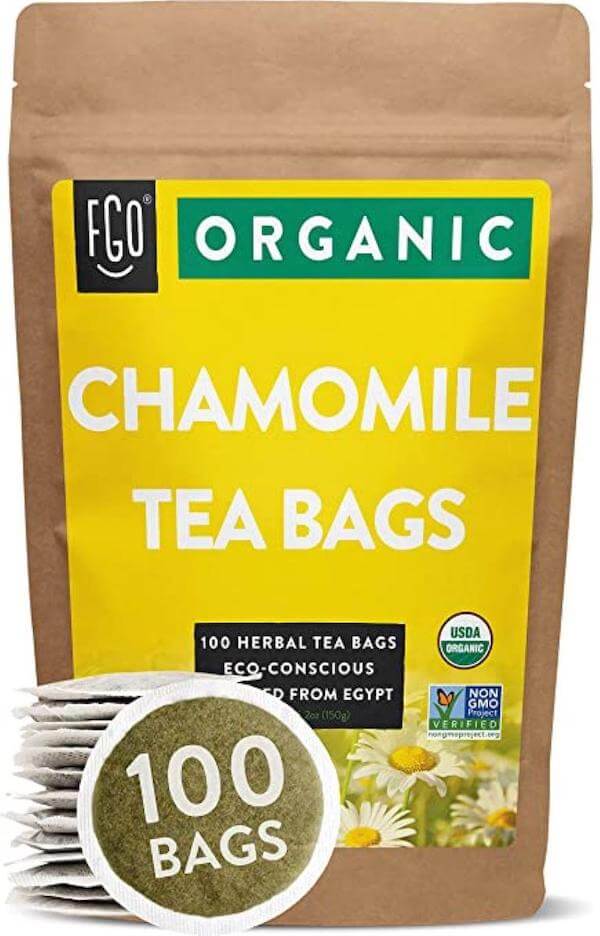
When choosing a good chamomile tea, be sure that it is organic and that there is nothing else mixed with the tea leaves. It is even better if there are no staples in the tea bags, like this one:
Organic Chamomile Tea Bags
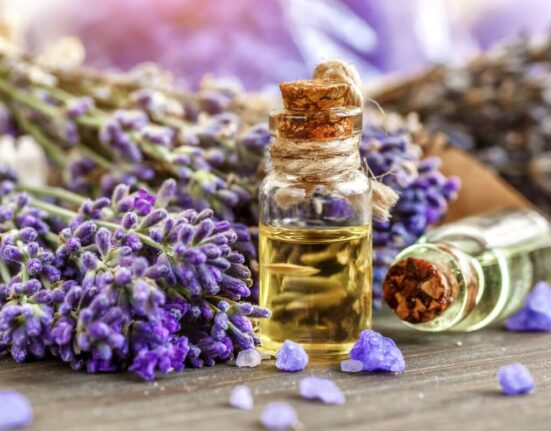
5. Lavender essential oil
Many people believe that lavender essential oil can help relieve the pain and itching caused by shingles scars. Studies have shown that this oil has antiseptic and healing properties, which makes it effective for treating various skin conditions. Add several drops of lavender essential oil to baths or apply diluted with a carrier oil directly to affected areas for relief from inflammation, itchiness, and pain.
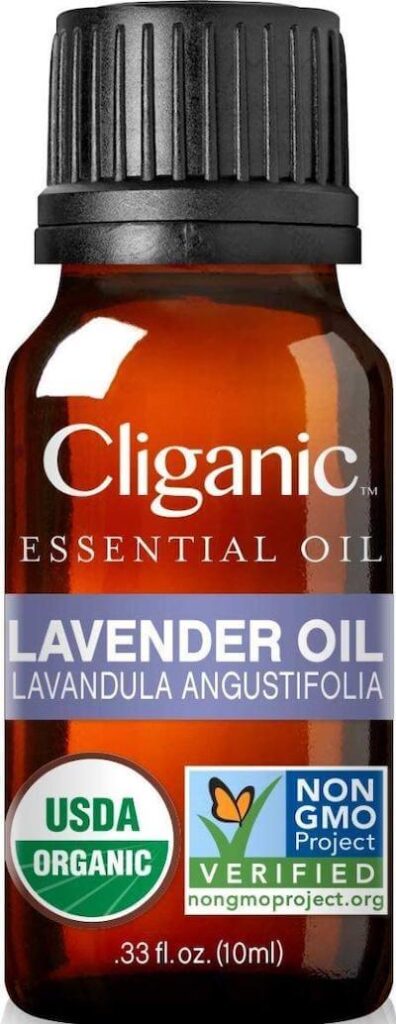
When choosing a good lavender essential oil, be sure it is organic and that it is not a “fragrance oil.” Also, look for one that is not diluted. A 100% pure therapeutic-grade organic lavender essential oil like this one is good:
Cliganic USDA Organic Lavender Essential Oil
6. Witch hazel
One common treatment involves using witch hazel to treat the pain and inflammation associated with shingles. Witch hazel contains ingredients that are known to be effective at reducing inflammation and stopping itching.
It also has anti-bacterial properties, which help fight infection. Studies have shown that witch hazel is effective at treating both acute (early stage) and chronic (ongoing) cases of shingles. Apply it directly to the shingles rash areas with a cotton pad.
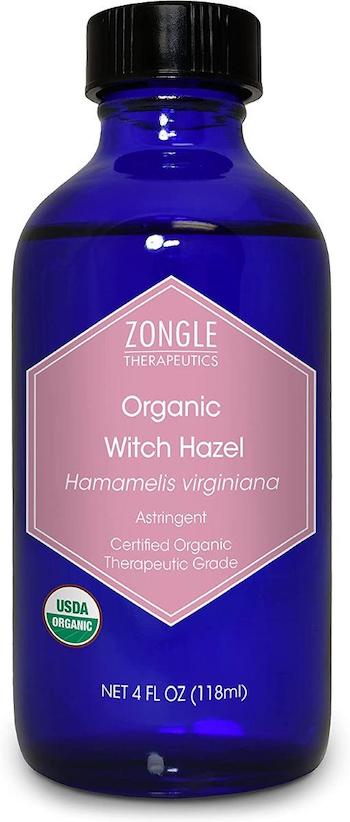
When choosing a good witch hazel to help heal shingles and prevent scarring, choose an organic and pure preparation like this one:
Zongle USDA Certified Organic Witch Hazel
7. Aloe vera
Aloe Vera gel contains polysaccharides and other plant extracts that have anti-inflammatory properties. These properties help reduce inflammation and promote healing by helping orchestrate collagen production. In addition, aloe vera has astringent qualities that help shrink skin lesions and keep them clean while they heal, all while helping to prevent darker scarring.
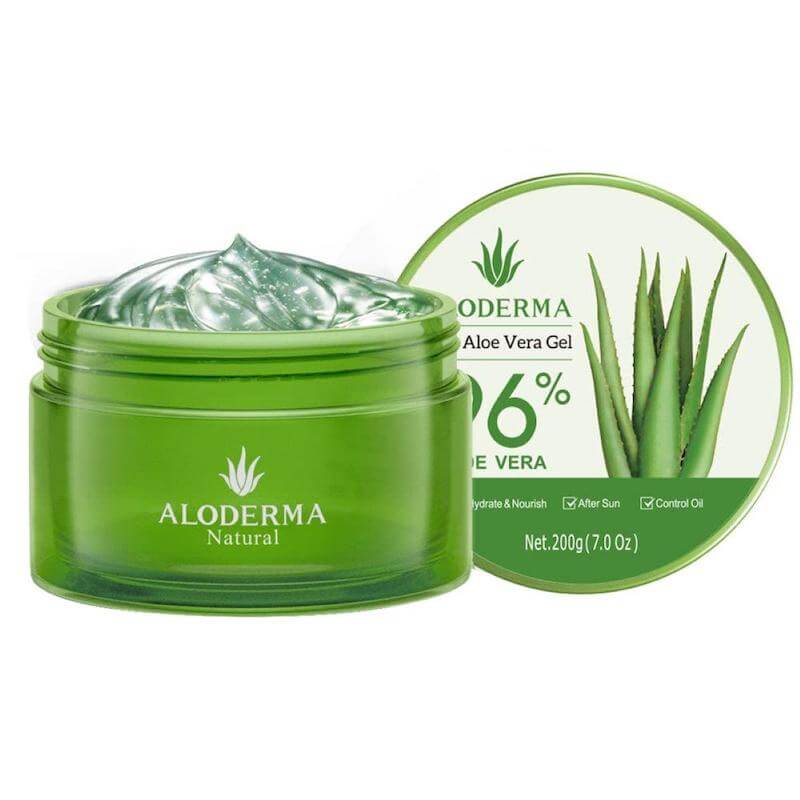
When choosing an aloe vera product, it is important to get as few ingredients as possible in it (no artificial colors or chemicals), like this one:
ALODERMA Organic Pure Aloe Vera Gel
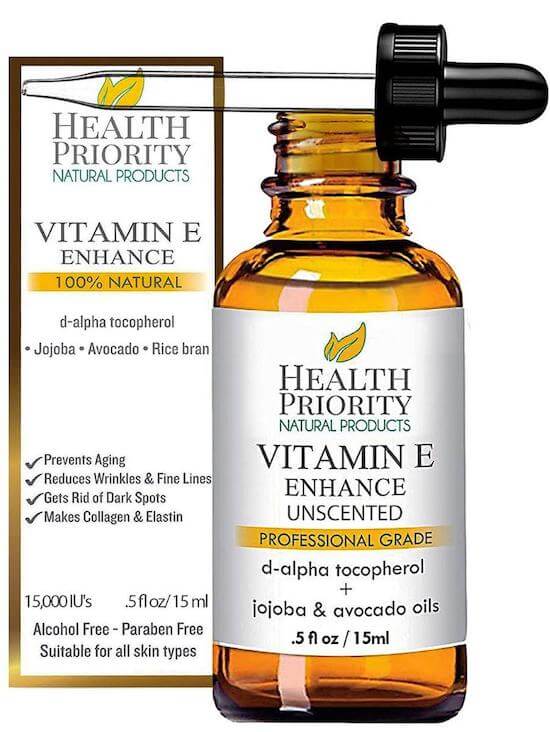
8. Vitamin E
One common treatment involves taking vitamin E supplements to help heal lesions and reduce inflammation. Vitamin E helps protect cells from damage and makes them less likely to form scars.
In addition to reducing inflammation and scar formation, studies have also shown that supplemental vitamin E may improve nerve function.
When looking for a quality vitamin E product, opt for one that is free of preservatives or chemicals, like this one:
Organic Vitamin E Oil for Skin & Scars |100% Pure Natural Vitamin E Serum
Shingles itself is a symptom of toxic load. The varicella-zoster virus lives dormant in nerve cells in nearly every adult who had chickenpox — what causes it to reactivate is suppressed immune surveillance. And immune surveillance gets suppressed when the body is carrying too much upstream load: chronic stress, accumulated environmental toxins, depleted nutrients, gut dysbiosis, liver phase II overload. The shingles outbreak is the smoke. The toxic load is the fire underneath.
Healing the scars on the surface is half the work. Addressing the upstream load is what prevents the next outbreak — and it is what most shingles recovery articles never mention.
Find Your Toxic Load Pattern (Free 90-Second Quiz) →