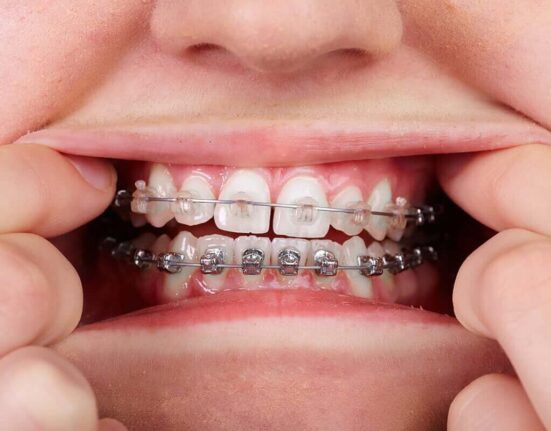

A sprained toe is a very common injury, particularly among athletes who participate in high-impact sports. The most common type of toe sprain occurs when the big toe is hyperextended or stretched beyond its normal range of motion. This can occur when landing awkwardly from a jump, stubbing the toe, or wearing ill-fitting shoes.
Sprained or Broken Toe?

Swelling is inflammation — give repair the cleanest runway
Even if you don’t play sports, you can easily sprain your toe by stubbing it on a piece of furniture or tripping over something. The good news is that most sprained toes can be treated at home with simple home remedies.
Symptoms of a Sprained Toe
Symptoms of a toe sprain include pain, swelling, bruising, and difficulty moving the affected toe. If you suspect that you have sprained your toe, it is important to see a doctor as soon as possible. Depending on the severity of the injury, treatment may involve rest, ice, elevation, and immobilization.
With proper treatment, most people make a full recovery from a sprained toe within a few weeks. However, it is important to prevent recurrence by avoiding activities that place undue stress on the joint and by wearing supportive footwear.
Here is a list of 5 simple measures to take if you have sprained your toe:
Most people in detox or chronic-symptom work eventually hit the same problem: the same symptoms — fatigue, brain fog, gut issues, poor sleep — can come from completely different root causes, and the wrong protocol can run for months before that becomes obvious. The 2-minute What's Draining Your Brain Tool sorts you into one of four toxic load types so the next thing you try has a real chance of actually working.
1. Assess the injury.
The first thing you need to do is assess the injury. If your toe is severely swollen or discolored, seek medical attention right away. This could be a sign of a more serious problem such as a broken bone.
However, if the swelling and pain are relatively mild, you can likely treat the injury at home.
2. Pause for a moment and elevate your foot.
Once you’ve assessed the severity of your injury, it’s important to take measures to reduce the swelling. Resting and elevating your
foot above the level of your heart is a great way to do this. Ice the injury soon after it happens.
3. Use Either Conventional Pain Relief Medications or Natural Pain Remedies if you need relief from discomfort
Conventional Pain Relief
If you’re in pain, you may want to take an over-the-counter pain medication such as ibuprofen or acetaminophen. These medications will help to reduce both pain and inflammation. Be sure to follow the instructions on the package carefully and never take more than the recommended dosage.
Apply essential oils
There are a number of essential oils that can be applied to help heal a sprained toe. Some of the most effective oils include chamomile, lavender, geranium, and eucalyptus. These oils all have anti-inflammatory properties that can help reduce swelling and pain. Just add a few drops of each oil to a carrier oil like almond or jojoba oil and massage into the affected area 3 to 4 times per day. You should start to see improvements within a few days.
Lavender is our number one go-to for issues that call for an anti-inflammatory. It takes the itch out of mosquito bites and helps heal scratches, bruises, muscle tears, and sprains. Many oils contain anti-inflammatory properties, which is key to healing pain. Choose your favorite! Most are inexpensive, and a little goes a long way.
NaturoBliss Lavender Essential Oil, 100% Pure Therapeutic Grade

Why we love it:
- 100% natural
- Premium quality
- Dropper included for ease of application, and less waste
- Bottled in the USA
- Glass bottle preserves quality
- Highly rated on Amazon
Step zero before any taping: make sure it isn’t a break — use the self-check above first.

Curcumin
If you would prefer to hold off on the conventional pain relief pills and would like to put some natural remedies from nature to work, you are not alone. Curcumin is the active natural ingredient in turmeric that has wonderful anti-inflammatory and pain relieving qualities. It can help with the discomfort of a sprained toe without resorting to pain meds right away. It is always good to try natural remedies first and only resort to conventional medications if needed. 100% natural remedies are not hard on the liver, are non-toxic and non-addictive. This is a good choice to have handy in your medicine cabinet when you need pain relief:
Terry Naturally Curamin Extra Strength – 60 Vegan Tablets
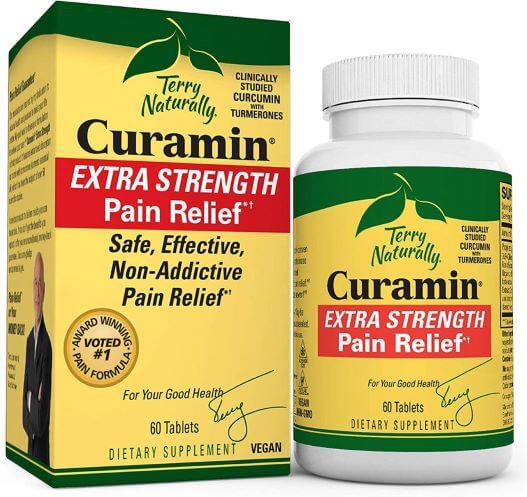
Why we love this pain relief:
- Safe and effective
- Non-addictive pain relief
- Over 70 published studies on curcumin showing effectiveness
- Highest quality ingredients and production process
- Highly rated on Amazon
4. Wear comfortable shoes.
It’s also important to wear comfortable shoes while your toe is healing. This means avoiding high heels or shoes with narrow toe boxes that could put pressure on your injury and exacerbate the pain. Instead, opt for shoes with plenty of room for your toes to move around freely, such as sandals or sneakers.
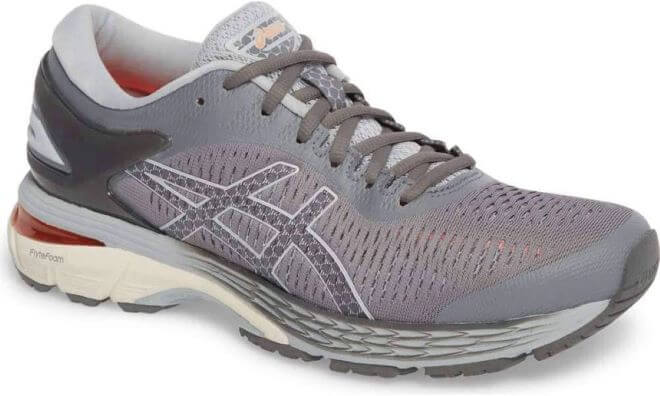
Shoes with a larger toe bed are best to give your injured toe the space it needs as the inflammation heals like in these shoes:
ASICS Women’s Gel-Kayano 25 Running Shoes
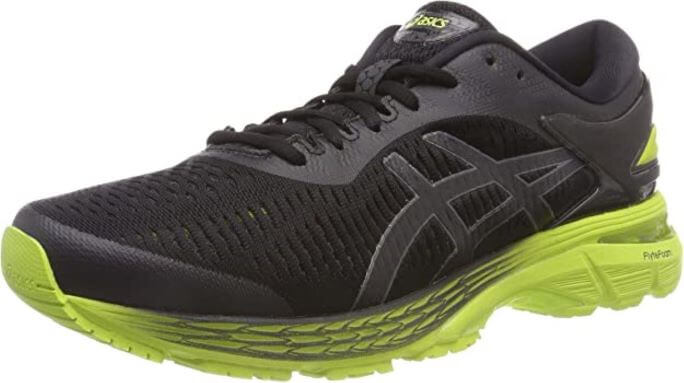
Due to its roomy toe box and soft, comfy upper, the Asics Gel Kayano 25, available in both men’s and women’s styles, is an excellent choice for those who have a sprained toe.
Excellent shock absorption is provided by the gel cushioning, and stability and support are provided by the wide base. Additionally, the Kayano 25 has an incorporated guidance line that supports a natural gait.
Men’s Gel Keyano 25 Running Shoes
5. Seek medical attention if needed.
As we mentioned earlier, if you experience severe swelling or bruising, it’s important to seek medical attention right away as this could be indicative of a broken bone. Once you’ve been seen by a doctor and had x-rays taken, they’ll be able to provide you with a more specific treatment plan for your injury, which may include wearing a splint or cast for several weeks.
Concluding Thoughts
Most sprained toes can be treated at home with simple self-care measures such as rest and elevation, icing, and taking over-the-counter pain medications. However, if you experience severe swelling or bruising, it’s important to seek medical attention right away as this could be indicative of a more serious problem such as a broken bone. Following these simple steps will help you get back on your feet in no time!
What soft-tissue sprain research tells us
A toe sprain is a soft-tissue (ligament) injury, and the care principles mirror what is best studied in ankle and foot sprains. According to PubMed, evidence-based guidance favors early, protected movement plus functional support such as taping or a brace over long immobilization (Vuurberg et al., 2018). A large overview of systematic reviews found strong support for early mobilization to ease pain and swelling, with short-term anti-inflammatories used cautiously (Doherty et al., 2016). Clinical guidelines also back cryotherapy, functional supports, and early ambulation, and use decision rules to flag when imaging is needed to rule out a fracture (Ruiz-Sánchez et al., 2022). In plain terms: protect it, ice and elevate early, keep it gently moving as pain allows, and get it checked if the red flags above are present. This is general education, not medical advice.

Frequently asked questions
What are the steps to treat a sprained toe at home?
Protect and rest it, ice 15-20 minutes several times a day, use light compression, elevate the foot, and buddy-tape a straight toe to its neighbor. A stiff-soled shoe limits painful bending while it heals.
Should I use ice or heat on a sprained toe?
Ice for the first 48 hours to calm swelling. After that, gentle warmth (like an Epsom soak) can ease stiffness once the toe is no longer hot and visibly swelling.
How do you buddy-tape a toe?
Place a small piece of gauze or cotton between the toes to prevent rubbing, then loosely tape the injured toe to the one beside it. Never tape a toe that looks crooked, and avoid buddy-taping the big toe without guidance.
When should home care stop and a doctor step in?
If you cannot bear weight, the toe looks deformed, there is numbness or a cold/blue toe, or it is not improving after 3-5 days. People with diabetes or poor circulation should be seen sooner.
Keep reading: Sprained vs broken toe · Sprained toe recovery time
The links used on thewellthieone.com are affiliate links, which may provide a small commission. This does not increase the price of the goods for the consumer whatsoever. What it does is ensure that useful content like this can continue to be produced. Thank-you for enjoying our content and allowing us to continue to provide more.