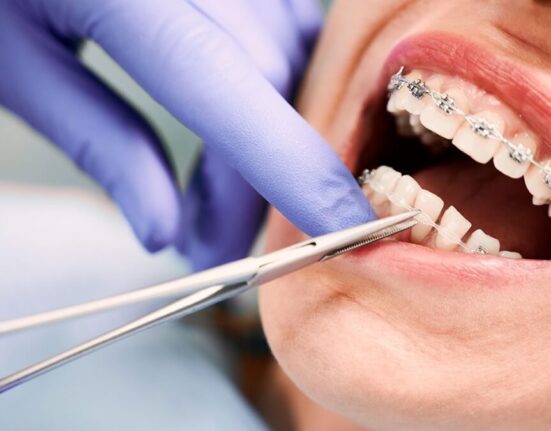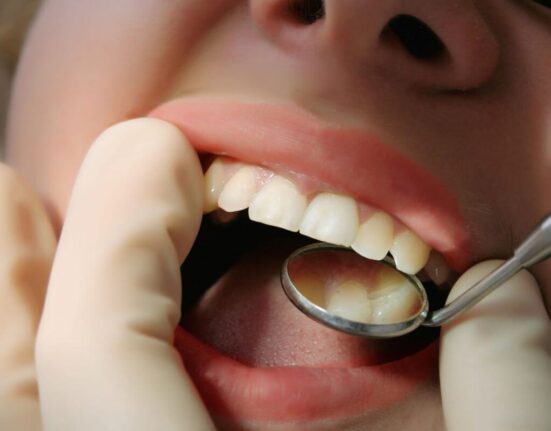
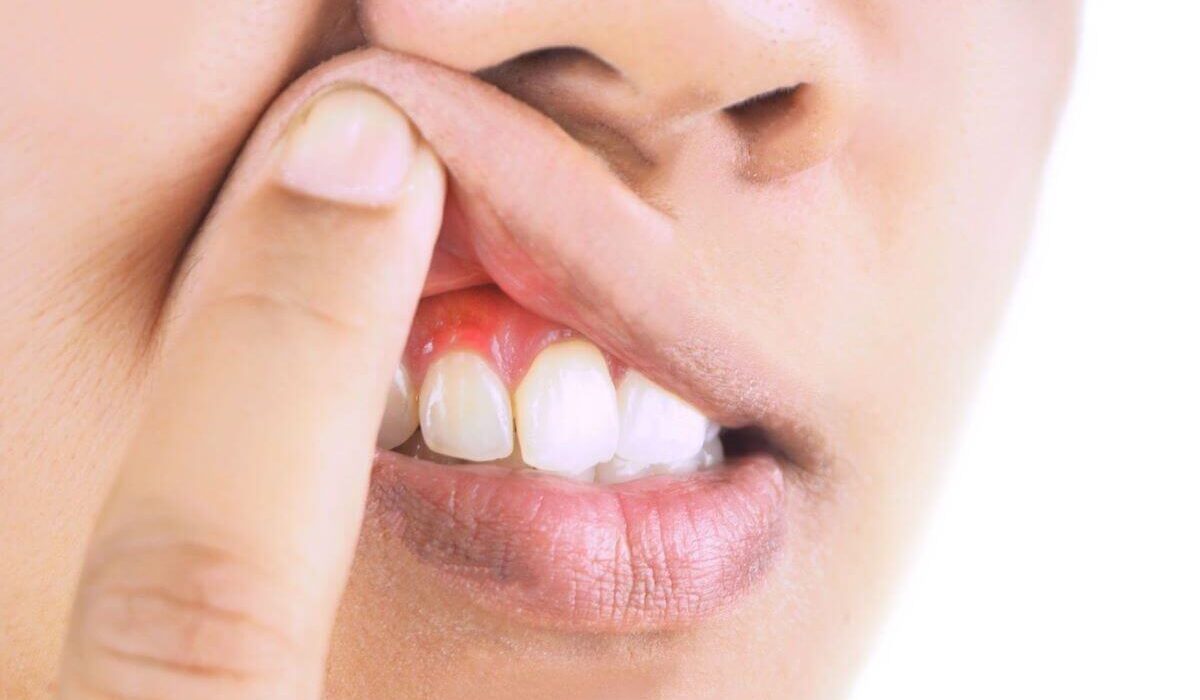
A gum abscess is a pus-filled bacterial infection along the gum line of a tooth. It usually starts as a small red bump and progresses through three distinct stages, each of which calls for a different response. The most important thing you can do in the first 24-48 hours is identify which stage you are in — the right action at Stage 1 can save you a root canal, while the wrong action at Stage 2 can land you in an ER.
🏥 Find Your Gum Abscess Stage
3 quick questions → personalized stage assessment + action plan.
Educational tool only — not a substitute for a dental exam. If you have a fever or facial swelling, see a dentist or ER today.
Step 1: How long have you noticed the symptoms?
 Desert Essence Tea Tree Oil Mouthwash
Alcohol-free tea tree oil rinse. Daily prevention for early-stage gum abscess and gingivitis. Spearmint flavor masks the medicinal taste.
View on Amazon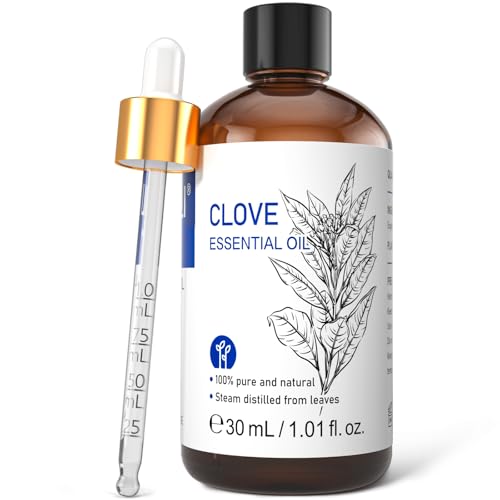 HIQILI Clove Oil for Teeth & Gums
Targeted relief for acute toothache and abscess pain. Eugenol numbs gum tissue while its antimicrobial action fights the underlying bacteria.
Bentonite, charcoal, chelation, cilantro, mercury chasing — these protocols all assume heavy metals are your dominant toxic load. For some people they are. Plenty of others land in this kind of work suspecting metals when adrenal exhaustion, parasites, or mold are actually doing more of the damage, and the protocols look very different depending which one is yours. If you want to sort it out before committing to weeks of binders, the 2-minute What's Draining Your Brain Tool places you in one of four root cause types so the next thing you try has a real chance of working.
View on Amazon Mouthology Nano-Hydroxyapatite Toothpaste
Fluoride-free remineralization. Strengthens enamel at the gum line where abscesses start, without disrupting the oral microbiome.
View on Amazon Oral Probiotic Lozenge with M18 + A12
Rebuilds beneficial oral bacteria after antibiotic treatment. Long-term prevention strategy for recurrent gum abscesses.
View on AmazonIf you only CHOOSE one: the HIQILI Clove Oil — you can use it tonight for immediate pain relief AND it has the strongest antimicrobial action against the bacteria driving the abscess.
The 3 Stages of a Gum Abscess
Stage 1 — Early Inflammation (Reversible)
Stage 1 looks like persistent redness, mild swelling, and tenderness around the base of one tooth. There is no pus yet, but bacteria have started colonizing the pocket between gum and tooth. This is the window where home care actually works. Aggressive rinsing, antimicrobial oils, and a meticulous brushing routine can reverse the inflammation within 3-5 days. Most people miss Stage 1 because the pain is dull and intermittent; if you catch it, you avoid Stages 2 and 3 entirely.
Stage 2 — Localized Pus Formation
Stage 2 produces a visible bump or pus-filled pocket. Pain becomes sharper and constant, and the area is hot and tender to the touch. At this point the infection is contained within the gum pocket but home care alone is no longer enough — the abscess needs professional drainage. Call your dentist within 24-48 hours. Until you can be seen, clove oil applied to the gum line will dull pain, and warm saltwater rinses every 3-4 hours will slow bacterial growth. Do NOT poke, pop, or squeeze the bump; doing so drives the bacteria deeper.
Stage 3 — Rupture and Drainage
If untreated, the abscess will eventually rupture on its own. You will notice a sudden release of pus, a foul taste, and often immediate pain relief because the pressure is gone. This is not the same as healing. The infection is still active and the rupture provides a path for bacteria to travel deeper into the jawbone or into the bloodstream. Rinse with warm saltwater every 2-3 hours for the first 24 hours, then see a dentist within 24-48 hours regardless of how much better it feels.
According to PubMed
A periodontal abscess is formally defined as an acute lesion characterized by localized accumulation of pus within the gingival wall of the periodontal pocket. Critically, the 2017 World Workshop on Periodontal Disease Classification noted that periodontal abscesses are associated with risk for systemic dissemination — meaning the bacteria can spread beyond the mouth if left untreated. Treatment requires drainage and tissue debridement, with antimicrobials added based on individual risk factors.
Papapanou PN, Sanz M, et al. Journal of Periodontology 2018. DOI 10.1002/JPER.17-0721
Herrera D, Alonso B, et al. Acute periodontal lesions. Periodontology 2000 2014. DOI 10.1111/prd.12022
What Causes a Gum Abscess?
Gum abscesses do not appear randomly. They form when oral bacteria find a way past the gum’s natural barrier, multiply, and overwhelm the immune system’s ability to clear them. The most common entry points are:
- Deep cavities that breach the tooth into the pulp chamber.
- Cracked or chipped teeth that create a hidden bacterial highway.
- Untreated gum disease (periodontitis) that produces deep pockets between tooth and gum.
- Trapped food — particularly seeds, popcorn hulls, or fibers wedged under the gum.
- Compromised immunity from diabetes, autoimmune disease, chemotherapy, or chronic stress.
- Smoking — impairs the gum’s blood supply and slows tissue repair.
The Home Remedies That Actually Work
Warm saltwater rinse is the most evidence-supported home remedy. Salt creates an osmotic environment that dehydrates bacteria and helps draw fluid (and pus) out of the gum tissue. Use 1/2 teaspoon of salt in 8 ounces of warm water; swish for 30 seconds, 4 times per day.
Tea tree oil has documented antimicrobial activity against many of the bacteria implicated in periodontal infections. Dilute 2-3 drops in 1 ounce of water and use as a rinse twice daily — never apply undiluted, which can irritate gum tissue.
Clove oil contains eugenol, a compound dentists themselves have used for over a century. Apply 1 drop to a cotton swab and dab the gum line at the abscess for fast pain relief. Eugenol also has antibacterial action against oral pathogens, making this a two-for-one remedy.
Cold compress on the outside of the cheek for 15 minutes at a time reduces swelling and dulls pain. Never apply heat — heat increases blood flow to the area and can drive the infection to spread faster.
Hydrogen peroxide rinse (3% diluted 1:1 with water) used once daily can help disinfect the area. Limit to 7 days to avoid disrupting beneficial oral bacteria.
🌐 The Toxic Load Connection
A gum abscess is not just a tooth problem — it is a microbiome breakdown. The oral microbiome and the rest of your body share traffic via the gum-blood barrier, which is exactly why oral inflammation correlates with cardiovascular disease, blood-sugar dysregulation, and even cognitive decline.
Long-term abscess prevention means looking upstream at the body’s total toxic load — the cumulative burden of bacteria, heavy metals, food chemicals, and chronic inflammation that overwhelms the immune system’s ability to keep oral pathogens in check. Reducing toxic load reduces recurrence.
When to See a Dentist (Don’t Skip This)
Home remedies can manage a Stage 1 abscess and buy you 24-48 hours of pain relief at Stages 2 and 3, but they cannot eliminate the underlying infection. Schedule a dental visit immediately if any of these apply:
- Visible pus or a bump on the gum.
- Pain that disturbs sleep or requires daily painkillers.
- Bad taste in the mouth that returns within hours of rinsing.
- Symptoms lasting longer than 7 days.
- Recurrent abscess at the same site.
Go to an emergency room TODAY if you have: fever above 101°F, facial or jaw swelling, difficulty swallowing, difficulty breathing, or jaw stiffness. These can indicate the infection is spreading into deeper tissues (Ludwig’s angina, cellulitis, or sepsis), all of which are life-threatening if delayed.
Preventing the Next One
The cheapest abscess is the one that never happens. The strongest prevention strategies, in order of impact:
- Brush twice daily with a remineralizing toothpaste. Hydroxyapatite formulas rebuild enamel at the gum line where abscesses start.
- Floss every night. Most abscesses begin in the interproximal spaces brushing cannot reach.
- Use an oral probiotic 3-4 times per week. Especially after antibiotic treatment.
- Get a professional cleaning every 6 months. A hygienist removes tartar that home care cannot.
- Treat reflux and dry mouth. Both alter oral pH and feed pathogenic bacteria.
- Reduce your toxic load. A body fighting chronic inflammation has less immune capacity for the mouth.
Related Reading
- Can Gum Disease Kill You? The Cardiovascular Connection
- Hydroxyapatite Toothpaste Benefits: The Fluoride-Free Alternative
- Wisdom Tooth Pain Relief: 5 Natural Remedies
- Natural Solutions for Gum Pain Relief
- Clove Oil for Teeth: Natural Pain Relief Guide
Frequently Asked Questions
Will a gum abscess go away on its own?
No. A rupture can relieve pressure and pain, but the infection itself rarely clears without professional treatment. Untreated abscesses spread.
How long does it take a gum abscess to heal after dental treatment?
Symptoms usually resolve within 3-5 days after drainage and antibiotics. Full gum tissue healing takes 2-3 weeks.
Can I drain a gum abscess at home?
Do not attempt this. Squeezing or puncturing an abscess at home can push bacteria deeper into the jaw or bloodstream, creating a much worse infection.
Are gum abscesses contagious?
The abscess itself is not contagious, but the underlying bacteria can be shared through saliva. Do not share utensils, toothbrushes, or kiss someone with an active oral infection.
Why do I keep getting gum abscesses in the same spot?
Recurrent abscess at the same site usually means an underlying problem — a cracked tooth, a failing filling, deep periodontal pocket, or compromised immune status. Ask your dentist for a CBCT or periodontal probing exam.
Related Articles