

Do you suffer from persistent pain in your forearms, elbows, and shoulders? You may be experiencing the painful condition known as tennis elbow.
Why is your body so inflamed at night?
While this common ailment afflicts millions of people worldwide, many struggle to find relief and a restful sleep. The good news is, it doesn’t have to be that way!

In this article, we’ll explore some practical strategies anyone can use to say goodnight to chronic pain associated with tennis elbow.
From everyday stretching exercises to a creative taping technique, these simple solutions will help you get the restful slumber needed for an overall healthier lifestyle.

Keep reading if you would like more natural health information on how to prevent, treat, or overcome tennis elbow-related discomfort!

What is Tennis Elbow and Common Causes
Tennis elbow, also known as lateral epicondylitis, is a painful condition that affects the outer part of the elbow. Though it is commonly associated with tennis, it can also be caused by any repetitive activity that involves gripping or twisting of the forearm.

The repetitive motion can cause small tears in the tendons that attach the forearm muscles to the lateral epicondyle, resulting in pain and inflammation.

Besides sports like tennis, other common causes of tennis elbow include:
Most people in detox or chronic-symptom work eventually hit the same problem: the same symptoms — fatigue, brain fog, gut issues, poor sleep — can come from completely different root causes, and the wrong protocol can run for months before that becomes obvious. The 2-minute What's Draining Your Brain Tool sorts you into one of four toxic load types so the next thing you try has a real chance of actually working.
- Painting
- Carpentry
- Typing
- Cooking
The pain can be severe and impact daily activities. Recognizing and preventing the causes of tennis elbow is crucial to avoiding this debilitating condition.

Simple Sleeping Hacks to Combat Pain from tennis elbow
Waking up achy in the morning is never a good way to start the day. Whether it is from tossing and turning all night or from chronic pain, it is a frustrating experience.

Luckily, there are a few simple sleeping hacks that can help alleviate discomfort and ensure a better night’s sleep.
- Practice gentle stretching before bedtime to release tension in muscles and joints.
E3 Rehab shows tennis elbow exercises and stretches to help strengthen, heal and prevent tennis elbow.
- Have a roll on type pain numbing cream on hand to help with discomfort that you can not ignore.
- Internally, take a natural and powerful anti-inflammatory like turmeric to help speed along the healing.
- Create a calming sleep environment by turning off electronics

5. Use relaxing scents like lavender.
Using relaxing scents like lavender can help with a better rest for someone with tennis elbow in a few ways:
- The aroma of lavender can help to reduce feelings of anxiety and stress, which can often disrupt sleep patterns.
When a person with tennis elbow is in pain, it can be difficult to get comfortable and fall asleep, so reducing anxiety and stress can help to promote restful sleep.

- Lavender has been shown to have pain-relieving properties, which can help to alleviate the discomfort associated with tennis elbow.
This can make it easier for the person to fall asleep, stay asleep, and wake up feeling refreshed.

- Lavender can help to improve overall sleep quality, which can be especially important for someone with tennis elbow who may be experiencing disruptions in their sleep due to pain or discomfort.
6. Use a Comfortable Pillow
Sleep is an essential part of our lives, and investing in a comfortable pillow is crucial to getting a good night’s rest.
Use a supportive pillow that cradles your neck and spine in proper alignment. I use this one personally, and it has been a game changer from the pillows I used before. It has a unique composition filling that contours to your needs perfectly.
MyPillow Premium Bed Pillow Queen, Medium

A good pillow provides excellent support for your neck and head, ensuring that your body is well-aligned and free from pain. It also helps regulate your body temperature, keeping you cool on hot nights and warm on cold ones.
7. Consider using an adjustable bed, or something that elevates your top half.
Investing in an adjustable bed can take your sleep experience to the next level.
Whether you have trouble sleeping due to physical discomfort or just enjoy reading in bed, the flexibility of an adjustable bed can cater to your needs.
These beds do not have to be thousands of dollars. This one is highly rated on Amazon and is a fraction of the price of big name adjustable beds.
LINENSPA Adjustable Bed Base – Motorized Head and Foot Incline – Quick and Easy Assembly

With the simple touch of a button, you can adjust the head and foot of your bed to your desired angle, making it easier to find a comfortable position.
Adjustable beds can also help alleviate sleep apnea, acid reflux, and other health issues by positioning your body in a way that promotes better breathing and digestion. Investing in quality sleep is investing in your overall well-being, and an adjustable bed is a great way to do just that.
- Use heating pads or ice packs
Whether you’ve got a sore muscle or a recent injury, applying heat or ice can make all the difference in your recovery.
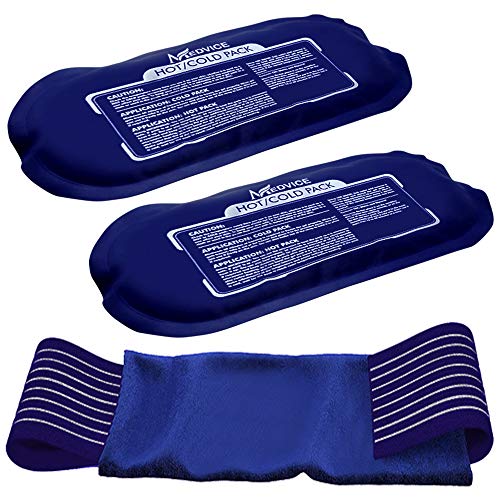
Heat great for soothing sore muscles and easing tension, while ice is perfect for reducing inflammation and numbing pain. In a product like this one, you can choose between heat and ice:
Here’s the part most sleep tips skip: positioning and magnesium can help you settle, but if your body is inflamed and wired, pain keeps interrupting the night. For many people that simmering state is fed by an everyday toxic load — processed food, alcohol, and chemical exposures that keep the nervous system on edge.
Quieting the pain — or what’s amplifying it?
FreezeSleeve Ice & Heat Therapy Sleeve- Reusable, Flexible Gel Hot/Cold Pack

Applying heat or ice are simple and affordable solutions to common aches and pains and can easily be incorporated into your daily routine.
Prevention Tips for Tennis Elbow
Tennis elbow is a common injury that can happen to anyone who plays tennis or engages in other repetitive arm movements. The good news is that there are ways to prevent tennis elbow from occurring:
- Properly warm up before playing or exercising, as cold muscles are more prone to injury.
- Using proper technique and equipment, such as a well-fitting racket and appropriate grip strength, if you are playing tennis, painting or cooking, your tools should be conducive to your comfort, and this can help prevent injury.
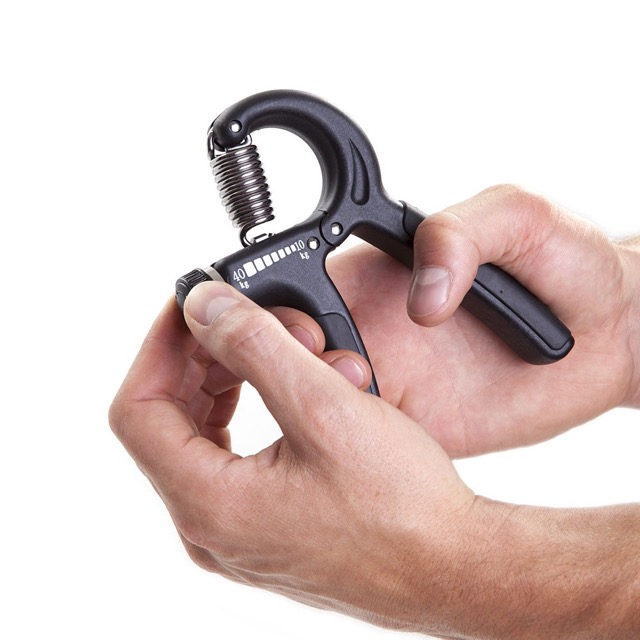
Consider the proper grip size in the equipment you are using to prevent tennis elbow.
- It’s also important to take breaks and rest your arm if you feel any pain or discomfort. By following these prevention tips, you can continue to enjoy playing tennis without worrying about developing tennis elbow.
Taping Techniques for Tennis Elbow with Video Tutorials
Tennis elbow can be a challenging injury to deal with, especially for avid tennis players. However, with the right taping techniques, you can alleviate some of the pain and get back to doing what you love.
Performance Health Academy Network shows you how in his 3 minute video:
Concluding thoughts on how to sleep with tennis elbow
Tennis elbow be an extremely painful condition that makes even simple everyday tasks difficult to do. It is important to take proper care of your body and learn ways to prevent it, as well as how to manage the pain if you come down with it.

Taking care of your overall health will benefit both your physical and mental wellbeing. If the tips mentioned in this blog post are followed regularly, one may find relief from the excruciating pain of tennis elbow. We hope you feel better soon!
More from thewellthieone.com
What the research actually says
Sleeping well with pain is its own skill. Based on articles retrieved from PubMed, here is what the evidence supports.
Magnesium and falling asleep
A systematic review and meta-analysis found that, compared with placebo, oral magnesium helped older adults with insomnia fall asleep about 17 minutes faster — while noting the overall evidence quality was low. Because magnesium is cheap and widely available, the authors suggested modest doses (under 1 g/day) may be reasonable to try (Mah & Pitre, BMC Complementary Medicine and Therapies 2021; DOI: 10.1186/s12906-021-03297-z).
Movement for the pain itself
An overview of Cochrane reviews concluded that physical activity and exercise are low-risk interventions that may reduce pain severity and improve physical function and quality of life in adults with chronic pain — better than the old advice to rest (Geneen et al., Cochrane Database of Systematic Reviews 2017; DOI: 10.1002/14651858.CD011279.pub3).
Frequently asked questions
How can I sleep when I’m in pain?
Combine a calming wind-down, supportive positioning that off-loads the painful area, and pain-management basics. Some people find evening magnesium and slow breathing help them fall asleep faster.
Does magnesium help you sleep?
The evidence is modest: a meta-analysis found magnesium helped people fall asleep somewhat faster than placebo, though study quality was low. It’s cheap and generally safe to try at sensible doses.
Should I exercise if I have chronic pain?
Generally yes — reviews show gentle, regular movement can reduce pain and improve function and is low-risk, in contrast to old advice to rest. Start gently and build up.
When should I see a doctor about night pain?
If pain regularly wakes you, is worsening, or comes with other symptoms, see a clinician — both to treat the pain and to check for sleep disorders like apnea.
The links used on thewellthieone.com are affiliate links, which may provide a small commission. This does not increase the price of the goods for the consumer whatsoever. What it does is ensure that useful content like this can continue to be produced. Thank-you for enjoying our content and allowing us to continue to provide more.