
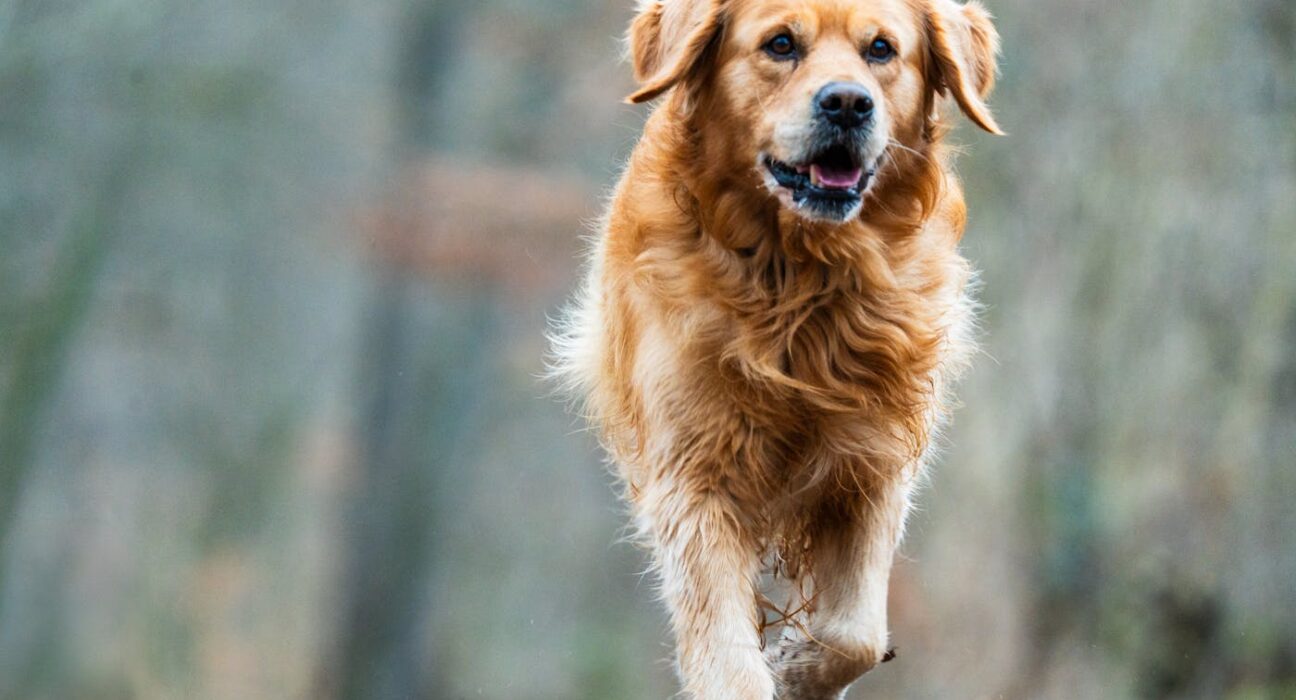
Coconut oil for dog paws is one of the gentlest, most effective natural fixes I have ever used on a pet. The healthy fats in virgin coconut oil moisturize cracked paw pads, soothe minor irritation, and lay down a thin protective layer that holds up to a normal walk. It is food-safe, single-ingredient, and cheap. If your dog has been licking dry paws or limping after pavement walks, this is one of the first things I would try.
I started using coconut oil on my own dog’s paws after a brutal August week here in Huntington Beach. The sidewalks were too hot for bare feet, and her back paws looked like dry leather. I had a jar of coconut oil in the kitchen cupboard. By the third night her pads were noticeably softer. By the second week, the cracking was gone.
Why Dog Paw Pads Get Dry and Cracked
Paw pads are the only skin on a dog’s body that touches the ground all day. They take a lot of abuse. The most common reasons paws get dry, cracked, or rough:
- Hot pavement, sand, or asphalt in summer
- Cold concrete, salt, and ice melt in winter
- Long walks on rough trails
- Dry indoor heating in cold months
- Allergies that show up on the feet first
- Aging, especially in dogs over eight
- Excessive licking from anxiety or boredom
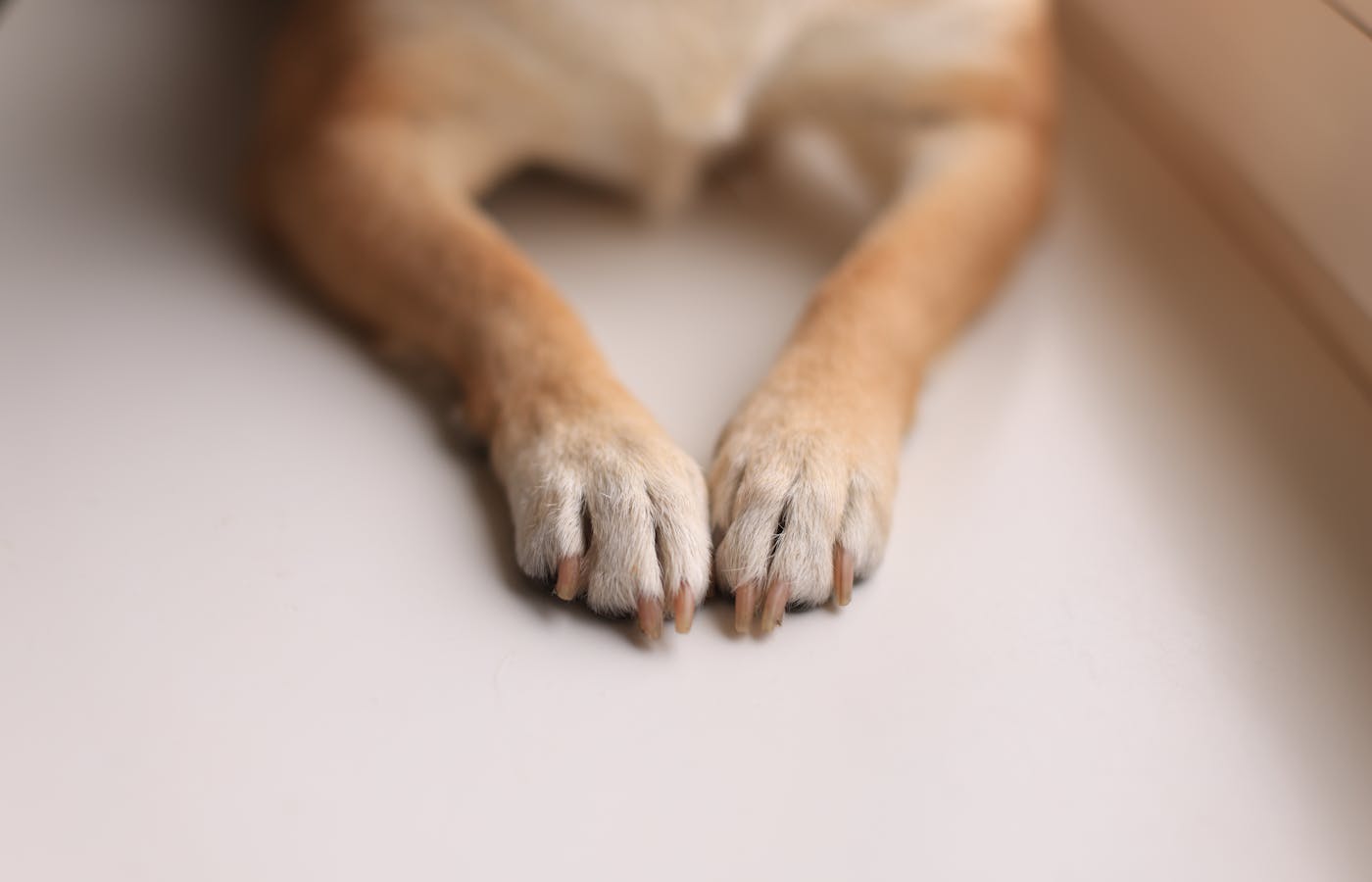
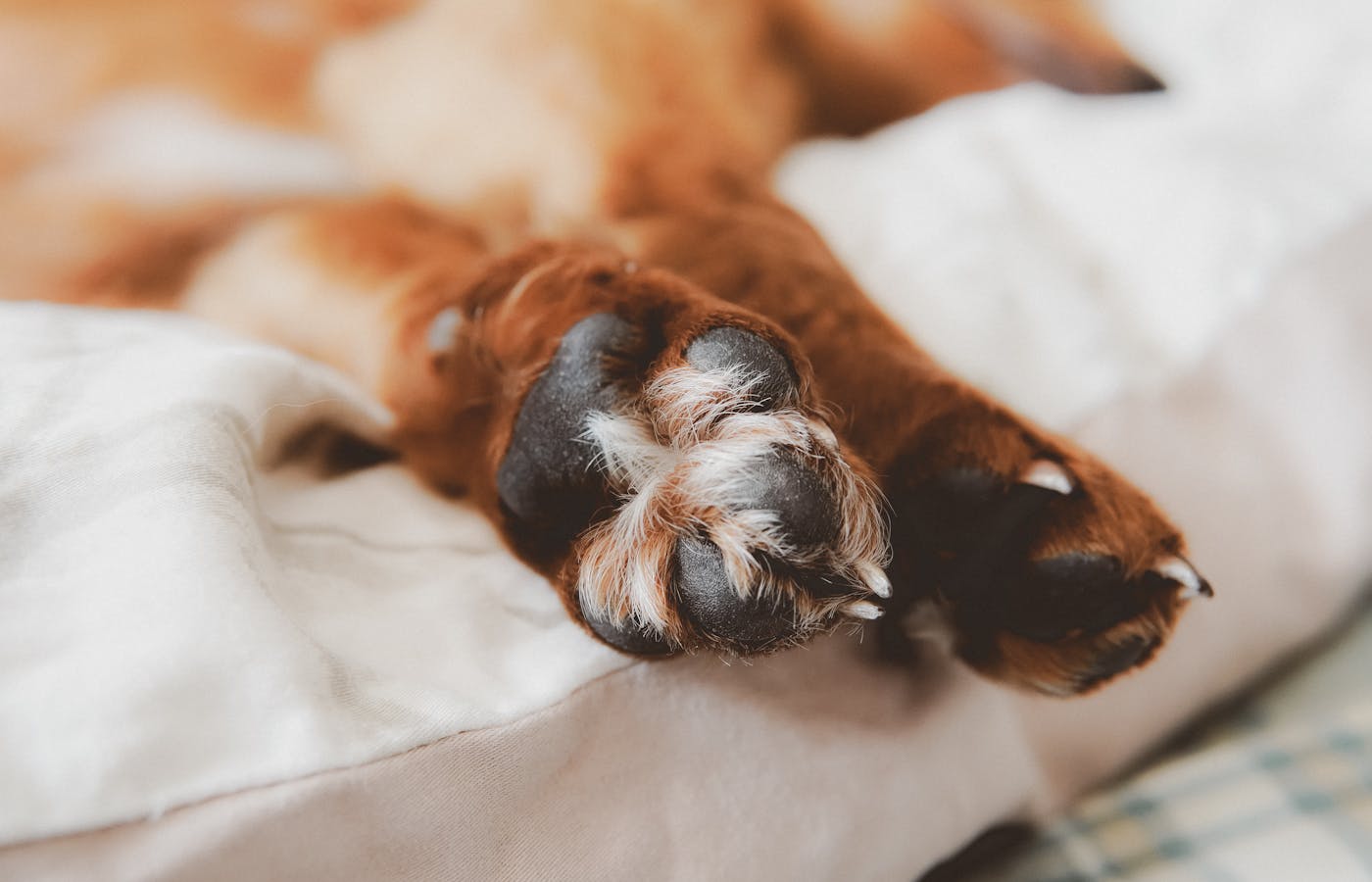
Healthy paw pads should feel a little like the eraser on a pencil. Firm, slightly bumpy, but never rough enough to snag a sock. If your dog’s pads feel chalky, look pale at the edges, or have visible cracks, they are dry. Coconut oil is one of the easiest first steps to try at home.
Why Coconut Oil Works on Dog Paws
Coconut oil is roughly 50 percent lauric acid, a medium-chain fat that has natural antimicrobial and anti-inflammatory properties. The remaining fats are mostly other medium-chain triglycerides plus a little vitamin E. That combination does three useful things on a paw pad.
First, the fats deeply moisturize and soften the keratin layer of the pad. Second, the lauric acid creates a mild antibacterial barrier, which matters if there is any tiny crack or scrape that could get infected. Third, the oil lays down a thin film that helps protect the pad from the next round of hot pavement or rough ground.
The American Kennel Club has a useful overview of coconut oil safety for dogs that walks through the topical and dietary uses, plus the cautions for dogs prone to pancreatitis or weight gain. Worth a read before you make this a daily routine.
The Coconut Oil I Keep on the Counter
For paw care, you want food-grade, virgin, organic, unrefined coconut oil. Refined or “hydrogenated” coconut oil is processed at high heat and loses most of the lauric acid. Cold-pressed virgin oil is the version with the most benefits. The bonus is that food-grade oil is safe if your dog licks it off (and they will).
Raw Paws Virgin Organic Coconut Oil for Dogs and Cats

Source: amazon.com
16 oz organic, cold-pressed, single-ingredient virgin coconut oil for paws, nose, and skin
The Wellthie One Review
Raw Paws Coconut Oil Attributes
- USDA Certified Organic, single-ingredient virgin coconut oil
- Cold-pressed and unrefined, no chemical processing
- Food-grade, safe for paws, nose, ears, and as a daily food topper
- 16 ounce wide-mouth jar that lasts a typical small dog 4 to 6 months
I like that this jar is sold specifically for pets, not as a culinary product. It is the same quality as my kitchen coconut oil, but the wide-mouth lid makes scooping with two fingers easier when I am sitting on the floor with the dog. Same oil could go on a pancake. That is the test I use for any topical I am putting on her.
What you will learn in this video:
- What dry dog paws actually look like up close
- A simple DIY dog paw butter recipe with coconut oil at the base
- How to apply the balm so your dog will actually let you finish
- Tips for crusty calluses on older dogs that need more than a one-week fix
How to Apply Coconut Oil to Dog Paws
The application is dead simple. Most dogs do not love it the first time, so plan a quiet moment when your dog is relaxed.
- Scoop a pea-sized amount of coconut oil into your fingers and let it warm up. It melts at about 76 degrees Fahrenheit, so body heat is enough.
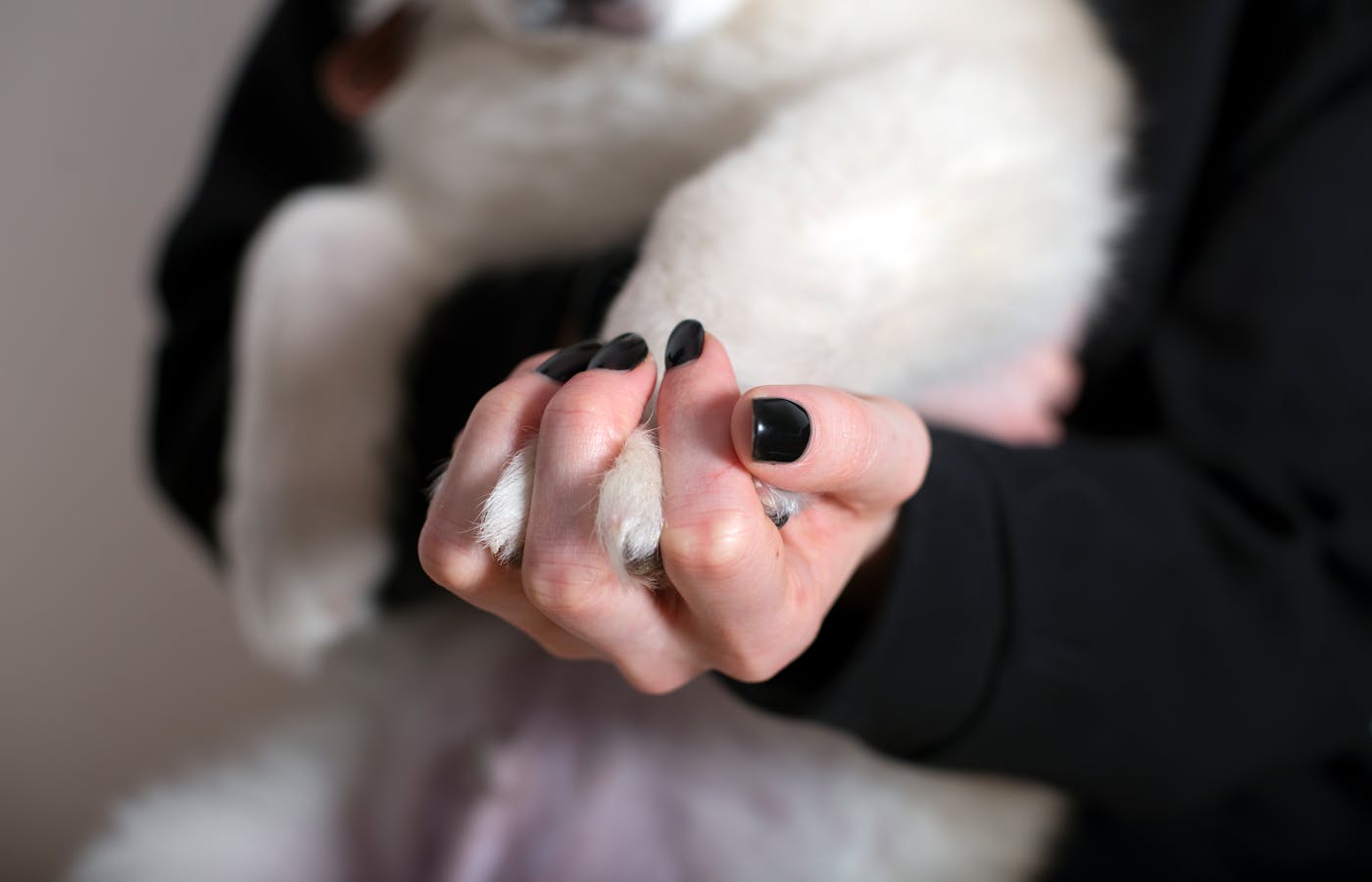
- Sit on the floor with your dog and gently take one paw at a time. Massage a small amount into each pad, paying extra attention to any cracks. Get between the toes if you can.
- Distract your dog for ten to fifteen minutes so the oil absorbs. A frozen Kong, a bone, or a chew works. The first time, expect some licking. A small lick is harmless.
- Apply once a day for two weeks, then drop to two or three times a week for maintenance.
If your dog will not stop licking, do the application right before a walk or before bedtime so they have something else to focus on. You can also distract with a slow-feeder mat smeared with peanut butter while you finish the second paw.
How Much Coconut Oil Is Safe for a Dog?
Topically there is almost no risk. The dog will lick a little. That tiny amount is fine for most dogs.
If you also want to add coconut oil to your dog’s food (which can support coat health), the standard guidance is around one quarter teaspoon per ten pounds of body weight per day, building up slowly. Start with even less and watch for loose stools. Any new fat in the diet can cause digestive upset if introduced too fast.
Coconut oil is not a fit for every dog. Dogs with a history of pancreatitis, those on a strict low-fat diet, and overweight dogs should skip the dietary use. Talk with your vet first. The topical paw application is much less of a concern, but it is still worth checking if your dog has any condition that affects the skin or absorbs fats unusually.
For Hot Pavement and Cold Salt: Add a Barrier Wax
Coconut oil alone moisturizes beautifully, but it does not stand up to a long walk on burning concrete or salted winter sidewalks. For active dogs in extreme conditions, a thicker barrier wax goes on top of the coconut oil. Musher’s Secret is the one almost every long-distance musher and most working dog owners reach for.
Musher’s Secret Pet Paw Protection Wax

Source: amazon.com
200 g jar of dense barrier wax developed in Canada for sledding dogs in extreme weather
The Wellthie One Review
Musher’s Secret Attributes
- Dense, breathable wax barrier that lasts through a long walk
- Made from food-grade natural waxes, no petroleum
- Works in summer heat and winter ice and salt
- Original formula used by sled dog teams in northern Canada
I use Musher’s on top of coconut oil for my long beach-trail mornings. The coconut oil moisturizes overnight. The wax goes on right before the walk. The pads stay protected, and any leftover wax wears off naturally over the next few hours. The combo has saved my dog’s pads through two summers.
When to Skip the DIY and Reach for a Pre-Made Balm
For some dogs, coconut oil alone is not enough. Older dogs with crusty calluses, dogs with environmental allergies, or dogs whose paws crack open in winter often need a more concentrated balm with calendula, shea butter, and other healing botanicals layered in. The pre-made paw balms cost a little more but the formulation is worth it for stubborn cases.
Natural Dog Company Paw Soother Balm

Source: amazon.com
Coconut oil, shea butter, hemp seed, calendula, and rosemary in a 2 oz mess-free stick
The Wellthie One Review
Natural Dog Company Paw Soother Attributes
- Coconut oil base with shea butter, hemp seed oil, calendula, and rosemary
- Made in the USA, organic ingredients, recyclable packaging
- Stick applicator format, no greasy hands and no jar to dig into
- Safe if your dog licks it, designed for daily paw care
This is what I keep in the dog’s grooming kit for the months when straight coconut oil is not cutting it. The stick format alone has saved me a hundred sticky fingers. The calendula adds genuine wound-soothing power. For older dogs with leathery pads, this is usually the right next step up from plain coconut oil.
Other Natural Tools for Healthy Dog Paws
Coconut oil is the foundation of my dog’s paw care routine, but it works better as part of a broader natural wellness setup. I cover the daily-use side of coconut oil for dogs in a separate guide on coconut oil for dogs benefits and dosage if you want to dig into food-topping use too.
If your dog is licking paws because of skin irritation rather than dry pads, my walkthrough on natural remedies for dog hot spots covers the inflammation side. And if joint stiffness is what is making walks shorter, take a look at turmeric for dogs for joint support for the spice that has earned a spot in my dog’s daily food bowl.
What to Watch For That Coconut Oil Will Not Fix
Coconut oil is gentle and effective for normal dryness. It is not the right tool for everything that can go wrong with a paw. See your vet if you notice:
- Bleeding cracks that do not improve in two weeks of daily care
- Swelling, redness, or visible pus
- Limping that lasts more than a day or two
- A foul odor coming from the paw
- Sudden constant licking of one paw, which can signal allergies, infection, or a foreign body lodged between the toes
- Loss of pad pigment or unusual color changes
None of those are emergencies on their own, but they are signs that the issue is bigger than dry skin and needs a real diagnosis.

The Two Week Coconut Oil Trial
If you want to test coconut oil on your dog’s paws, here is the routine I recommend to friends. Apply a pea-sized amount to each paw before bed for fourteen straight nights. Take a quick photo of one paw on day one and again on day fourteen. Most dogs show visible softening by the end of week one and full recovery from mild cracking by the end of week two.
If you see no change after two weeks, the issue is probably not simple dryness. Step up to a richer balm or talk with your vet. If the change is dramatic, you have a new staple in your dog’s care routine that costs almost nothing per application.
The Bottom Line
Coconut oil for dog paws is a small, gentle, low-cost natural fix that works for the majority of dry, cracked paw pads. The only requirements are a jar of organic virgin coconut oil, ten quiet minutes a day, and the willingness to sit on the floor with your dog while it absorbs. Add a barrier wax for extreme conditions. Step up to a richer balm if needed. Watch for the bigger signs that need a vet.
It is the kind of natural-first solution I love. Cheap, safe, food-grade, and proven by generations of dog owners before any of us had access to a pet-store aisle full of expensive sprays.
For more summer pet safety, see our guide on the best cooling mat for dogs in hot weather.
This post may contain affiliate links, which means we may receive a small commission, at no cost to you, if you make a purchase through a link.
Outdoor adventures during warmer months mean fleas. If your dog spends time on grass, our guide to natural flea repellent for dogs covers the plant-based sprays, baths, and home tweaks that pair well with healthy paw care.