

Lemongrass is one of those plants that traditional medicine has used for centuries and modern research has steadily caught up to. The fresh stalks (Cymbopogon citratus) and the essential oil distilled from them both contain citral, geraniol, and citronellal — terpenes responsible for the calming aroma, the digestive effect, and the insect-repellent reputation. This guide walks through the 7 most-supported lemongrass benefits, the preparation that fits each one, and the picks worth keeping in your pantry.
Get My Exact Lemongrass Brew Spec
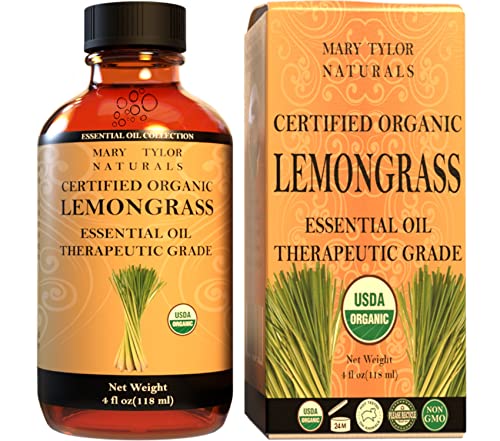
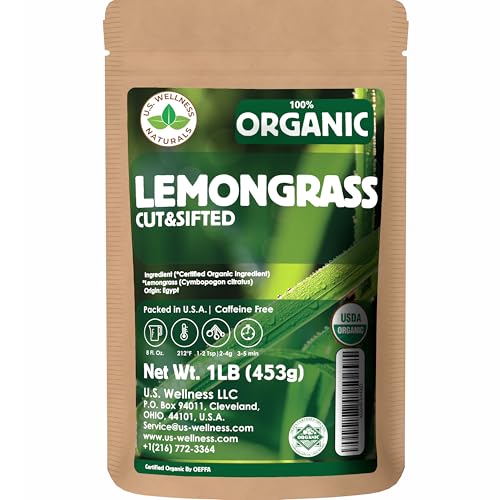
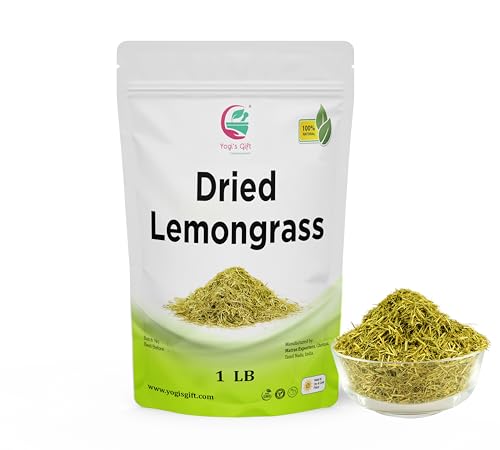
Lemongrass Toolkit — Verified Picks


The 7 best-supported lemongrass benefits

1. Eases stress and supports sleep
Inhaled lemongrass oil has measurable calming effects on the autonomic nervous system. A randomized trial published in Journal of Alternative and Complementary Medicine found that lemongrass aroma reduced anxiety scores and lowered diastolic blood pressure in healthy volunteers (Goes et al., 2015, DOI). Drinking the tea offers similar calm at a slower pace.
2. Calms digestion and bloating
Lemongrass tea has a long traditional use for indigestion. Citral relaxes smooth muscle in the gut, easing gas and cramping. People sensitive to peppermint sometimes tolerate lemongrass tea better — gentler on reflux.
3. Repels insects (without DEET)
Citronellal is one of the active compounds in lemongrass and a close relative of citronella. EPA registers citronella as an insect repellent. Lemongrass oil diluted in carrier oil applied to exposed skin keeps mosquitoes off for 60-90 minutes per application — shorter than DEET, but with no synthetic chemicals.
Bentonite, charcoal, chelation, cilantro, mercury chasing — these protocols all assume heavy metals are your dominant toxic load. For some people they are. Plenty of others land in this kind of work suspecting metals when adrenal exhaustion, parasites, or mold are actually doing more of the damage, and the protocols look very different depending which one is yours. If you want to sort it out before committing to weeks of binders, the 2-minute What's Draining Your Brain Tool places you in one of four root cause types so the next thing you try has a real chance of working.
Find My Best Lemongrass Move
Calming Herbs Help — But A Stressed System Has An Upstream Cause
Lemongrass calms inflammation and supports digestion in the moment — but chronic bloating, anxious tension, and skin flares are usually downstream of one of four toxic-load drivers: heavy metals, mold, parasites, or adrenal-cortisol stress. The 90 second Toxic Load Tool finds which one is driving yours.
Use The Toxic Load Tool4. Anti-inflammatory action for joints and muscles
A topical study in Libyan Journal of Medicine documented lemongrass essential oil’s measurable anti-inflammatory activity in animal models (Boukhatem et al., 2014, DOI). Diluted into a carrier oil and massaged into sore joints, it’s a soothing addition to a self-care routine — best paired with castor oil packs over the same area weekly.
5. Antibacterial and antifungal activity
Lab studies consistently show lemongrass essential oil inhibits common acne-causing bacteria and several fungal species. This makes it a useful spot-treatment for skin breakouts when properly diluted (1-2 drops in a teaspoon of jojoba). Always patch-test — lemongrass is potent and can cause irritation on sensitive skin.
6. Supports healthy cholesterol
Animal studies suggest lemongrass essential oil may help maintain healthy cholesterol levels by supporting normal lipid metabolism. Human trials are limited, so think of lemongrass tea as a supportive practice — not a substitute for the diet and movement changes that drive cholesterol most.
7. Natural diuretic and detoxification support
Traditional uses position lemongrass as a gentle diuretic. Drinking the tea daily can support the kidney clearance pathway — useful when you’re working on lowering overall toxic load. Pair with adequate water and electrolytes so the diuretic effect doesn’t backfire.
How to use lemongrass — three formats, three roles

Tea: 1-2 cups daily of organic dried lemongrass steeped in hot water for 5-10 minutes. The gentlest, broadest-benefit format. Safe long-term for most adults.
Essential oil: Diffused (3-5 drops in water) for mood or inhaled for nausea. Always diluted 1:30 with a carrier oil for any topical use — never neat on the skin.
Cooking: Fresh or dried lemongrass in Thai, Vietnamese, and Indian soups, curries, and marinades. A culinary daily-dose habit that takes zero willpower.
Safety and who should avoid it
Lemongrass is generally safe at culinary and tea-level doses for most adults. Pregnant women should avoid medicinal doses because of the uterine-muscle effect. People taking blood-thinners, blood-pressure medications, or diabetes medication should check with their doctor before regular use. Patch test the essential oil before topical use — citral can cause skin reactions in sensitive people.
Frequently asked questions
Is lemongrass the same as citronella?
They’re closely related — both Cymbopogon species — but not identical. Citronella has higher citronellal content, which is why it’s the species commercially registered for insect repellents. Lemongrass is gentler on the palate, which is why it’s the species used in cooking and tea.
Can I drink lemongrass tea every day?
For most healthy adults, yes — 1-2 cups daily is the traditional range. If you’re pregnant, on blood-pressure medications, or have known sensitivities, check with your provider first.
What does lemongrass essential oil pair well with?
Lavender (calming), peppermint (digestion + clarity), and eucalyptus (respiratory) all blend well aromatically and synergistically.
Educational content. Not a substitute for individualized medical care. Discuss new supplements or essential oil use with your provider if you’re pregnant, nursing, take medications, or manage a chronic condition.