
The fastest way to start a reading habit as an adult is to make books easier to grab than your phone. Keep one open by the couch, one by the bed, one in your bag. Read for ten minutes a day at the same trigger moment (morning coffee, after dinner, lights out) and let the habit grow on its own. Forget the giant goals; the people who read 40 books a year are simply people who read ten minutes a day.
I rebuilt my own reading habit two years ago after a decade of “I used to read all the time.” Below is the exact playbook that finally stuck, with the tiny tools that helped me keep going.
Why Reading Habits Fall Apart in Adulthood
Most of us did not lose reading skills, we lost the cues. As students we had reading lists, dorm beds with lamps, and quiet afternoons. As adults, our days are stitched together by tabs, screens, and other people’s needs. The phone wins by default because it is closer and faster than the bookshelf. The fix is not willpower. The fix is friction.
Friction in the right place can rebuild a habit faster than motivation ever will. Make reading easier than scrolling, even by an inch, and your brain will quietly take the path of least resistance.
How to Start a Reading Habit as an Adult in 7 Steps
1. Pick One Book, Not Twenty
The biggest beginner mistake is opening a fresh tab in Goodreads and trying to build a six-month list before reading the first page. Pick one book, today, that you actually want to read. Not the one that will make you sound smart. Not the one your friend swears by. The one you would rather curl up with on a rainy afternoon.
If nothing is calling you, start light. A breezy memoir, a thriller, a feel-good novel, or a how-to book in a topic you already love. The goal of book one is to remember that you like reading. Heavy classics can wait.

2. Pair Reading With a Daily Trigger You Already Have
This is the habit-stacking trick that James Clear popularized in Atomic Habits. Find an anchor in your day that already happens reliably, then bolt reading to it. Examples that work:
- Morning coffee, one cup, one chapter
- After lunch, ten minutes before checking email
- While the kettle boils for evening tea
- The fifteen minutes between teeth and lights out
If you have already built one routine, layer reading inside it. Our guide to habit stacking for beginners walks through a simple framework you can copy in one sitting.
Watch This First: Building a Daily Reading Habit
- The 25-page rule that gets you through any slow start
- How to set a reading time you will actually keep
- Why audiobooks count, and how to mix them in
- The two biggest reasons habits collapse, and the fix
3. Set a Tiny, Almost Embarrassing Goal
Aim for ten pages a day, or ten minutes. Either is small enough that you cannot reasonably skip it, even on a hard day. Ten pages a day is roughly 18 books a year, and most adults can read ten pages in under twelve minutes. The size of the goal matters less than the daily streak.
When the goal feels easy, you usually do more than the minimum. When the goal feels heavy, you skip the whole thing. Tiny is the trick.
4. Make the Book More Available Than the Phone
This is the rule that changed everything for me. Wherever your phone lives, your current book should be three inches closer. Bedside table: book on top of phone. Couch: book in the cushion gap, phone in another room. Kitchen counter while waiting for the oven: book open, phone face down.
You are not banning the phone. You are just making the book the easier choice in the moment of boredom. A simple phone-free morning routine is a powerful companion to this rule.

5. Use an E-Reader for Travel and Bedtime
Paper books are wonderful at home. For the in-between moments (commutes, doctor offices, hotel rooms), an e-reader is the single best tool to keep the habit going. It holds hundreds of books, weighs less than a paperback, and reads beautifully in any light.
The current Kindle Paperwhite is the one I gave myself last spring and the only piece of tech I have not regretted in years. The screen is genuinely matte and the battery lasts weeks, not hours. No notifications, no apps, just words.
Amazon Kindle Paperwhite 16 GB (Newest Model)

Source: amazon.com
7-inch glare-free display, 20 percent faster page turns, weeks of battery, 16 GB for thousands of books.
The Wellthie One Review
Kindle Paperwhite Attributes
- 7-inch glare-free display with adjustable warm light
- Weeks of battery on a single charge
- Waterproof rating means you can read in the bath
- Library audiobook support through Bluetooth headphones
I use this paperwhite almost every night. The warm-light setting at amber-10 is gentle on the eyes after dinner. Borrowing free library books through the Libby app and sending them straight to the device removed my last “I have nothing to read” excuse. It paid for itself the day I stopped buying impulse hardcovers at the airport.
6. Build a Reading Environment, Not a Reading Goal
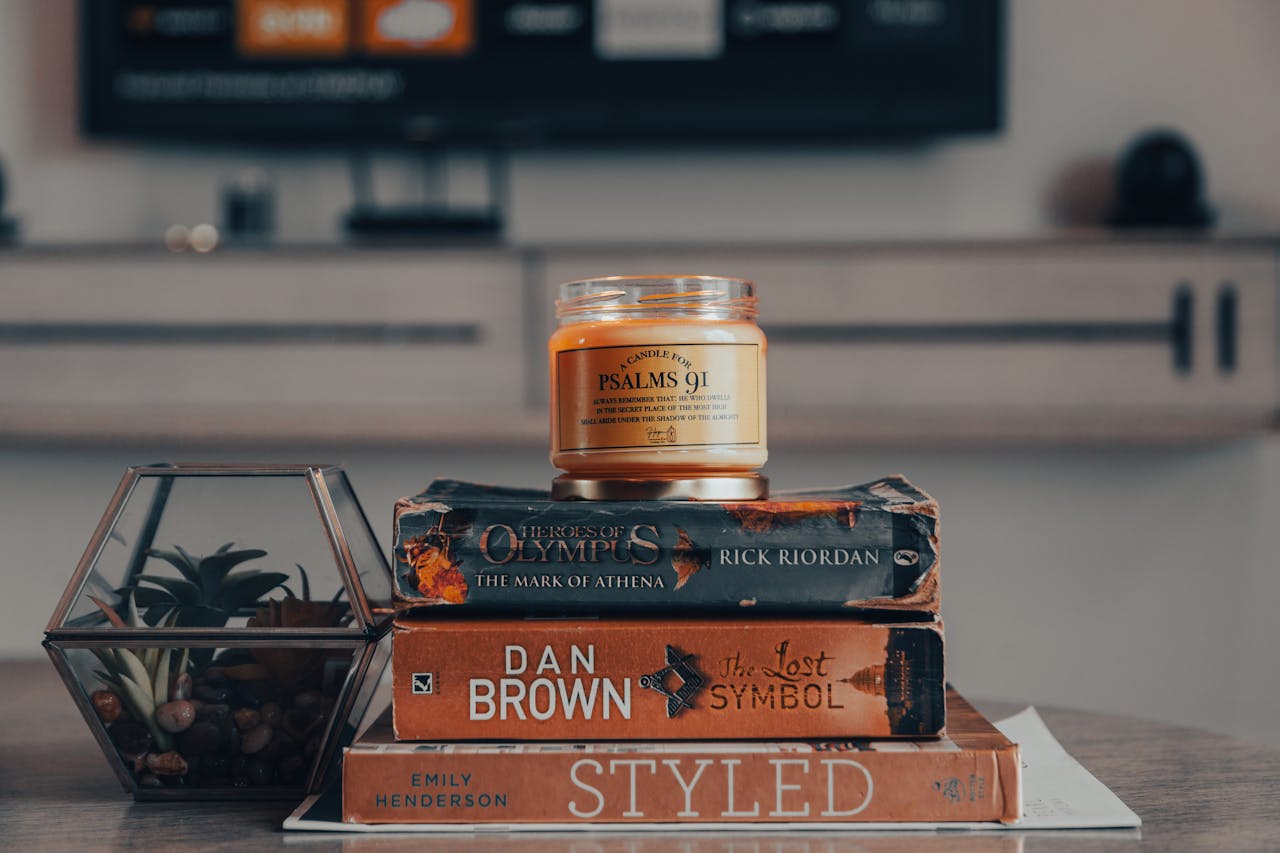
Environments win against willpower. Spend 20 minutes setting up one small reading corner: a chair, a lamp, a side table, one candle if you like, and a basket holding your current book plus the next two. That tiny stage cues your brain the moment you sit down.
If you read in bed, a small clip-on book light beats overhead lighting. It will not wake a partner and it dims warm enough for late nights. The Gritin 19-LED light below is the one I use; it has held a charge for months between top-ups.
Gritin 19 LED Rechargeable Book Light

Source: amazon.com
Three color temperatures, stepless dimming, up to 90 hours of runtime per charge.
The Wellthie One Review
Gritin Reading Light Attributes
- Clip clamps onto paperbacks and hardcovers without slipping
- 3 color temperatures from amber to cool white
- Memory function returns to your last brightness setting
- USB-C charges in about 2 hours, runs up to 90 hours
This is one of those tiny gifts you do not realize you needed until you have one. The amber light at the lowest setting is calm enough for half-asleep reading without that fluorescent overhead glare. My partner can fall asleep beside me while I finish a chapter.
7. Track Just Enough to See Progress
You do not need an elaborate spreadsheet. A simple notebook, a sticky note on the inside cover of each book, or a free app like StoryGraph or Goodreads is plenty. Write the title, the date you started, the date you finished, and one sentence about how it landed. That single sentence is what makes finishing feel like a real win and pulls you toward the next book.
For readers who love to plan, a Sunday reset routine is a natural place to slot in 5 minutes of “what am I reading this week.”
Read the Habit Book That Started It All
If reading habits are part of a bigger life-design project for you, the most concrete book in the genre is still Atomic Habits by James Clear. It is structured in tiny chapters that themselves model how to build any tiny habit. Many readers finish it in a single weekend.
Atomic Habits by James Clear

Source: amazon.com
Practical, tiny-chapter playbook for building good habits and breaking bad ones, including a chapter on environment design.
The Wellthie One Review
Atomic Habits Attributes
- Short, well-edited chapters, easy to read 10 pages a day
- Concrete frameworks (habit stacking, environment design, 1 percent rule)
- Over 20 million copies sold, translated into 50 plus languages
- Bonus habits cheat sheet at the back of the book
This is my number one pick for a first habit-related read. It is short enough to finish in 4 to 6 sittings of ten pages each, which itself builds the muscle. The two-minute rule chapter alone can rewire how you start any new behavior.
What to Do When You Miss a Day
You will miss days. Travel, kids, head colds, work crunches. The rule that holds reading habits together is the same as every other habit: never miss twice. One missed evening is normal. Two missed evenings becomes a week off. Reach for the book the next morning, even for two pages, and the streak resumes.
Frequently Asked Questions
How long does it take to build a reading habit?
For most adults, 30 to 60 days of daily reading at the same trigger time turns it from “trying” into “I just do this.” The first two weeks are the hardest.
How much should I read a day to call it a habit?
Ten minutes or ten pages a day is the most realistic floor. That works out to 12 to 18 books a year, which is well above the U.S. adult average.
Are audiobooks cheating?
No. Research suggests the brain processes audiobooks and reading very similarly. Audio works beautifully for commutes, chores, and walks. Mix formats freely.
Should I finish every book I start?
No. If a book bores you for 50 pages, set it down and pick the next one. Forcing yourself through bad books is the fastest way to kill the habit.
Can I read at night without ruining my sleep?
Paper books or an e-reader in warm-light mode are fine for sleep. Phones and tablets emit blue light that can suppress melatonin. Choose paper or warm light after sunset.
Affiliate disclosure: As an Amazon Associate, The Wellthie One earns from qualifying purchases. We only recommend products we have used or carefully researched. This content is for informational and educational purposes only. Please follow your own preferences and consult professionals when needed.