
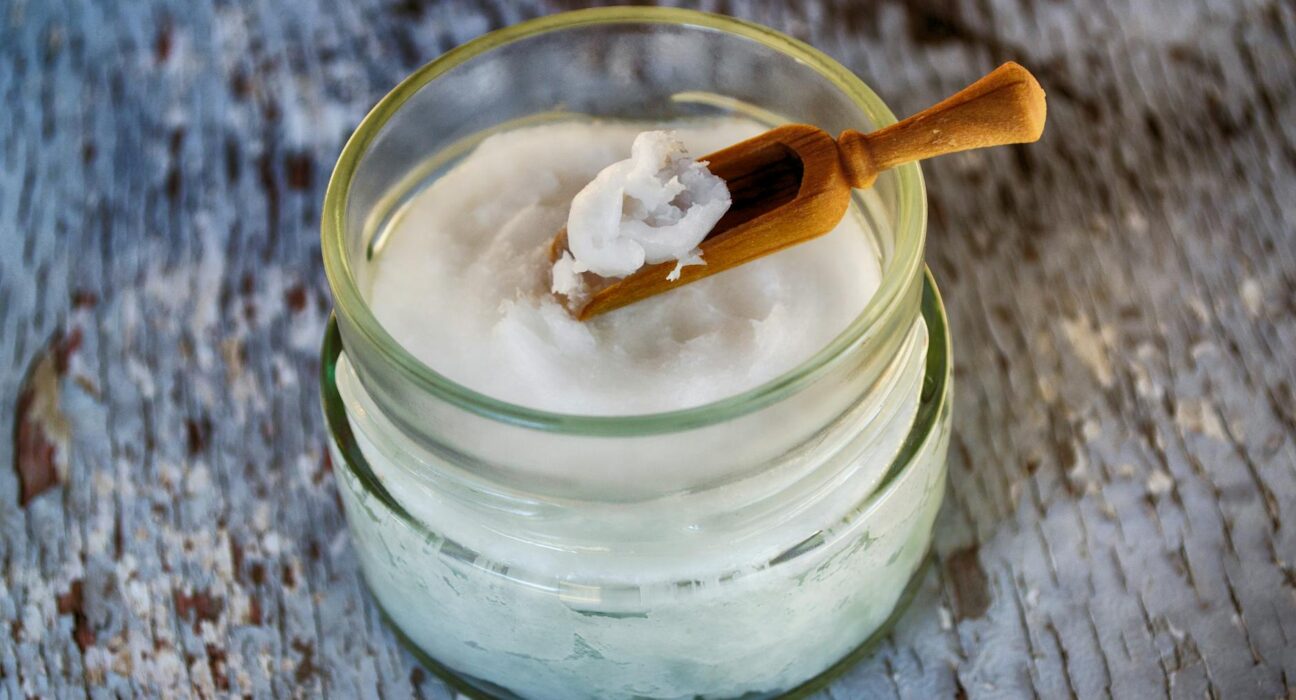
This homemade coconut oil toothpaste recipe is a 3-ingredient base you can customize for whitening, sensitive teeth, gum support, fresh breath, kids, pregnancy, or amalgam-safe brushing. The Customization Tool below picks the right variation for your specific oral health goal in about 60 seconds.
Coconut Oil Toothpaste Recipe Customization Tool
Tap every statement that matches your oral health goal. The tool customizes the coconut oil base with the right add-ins for your case.
Reader-Tested Ingredient Picks

Nutiva Organic Virgin Coconut Oil 54 oz
The cold-pressed unrefined base for every recipe. One jar makes 6+ months of toothpaste.
View on Amazon →
Bob’s Red Mill Baking Soda (4-pack)
Aluminum-free, non-GMO, food-grade. 4 lbs lasts a household 2+ years.
View on Amazon →
NOW Foods Pure Xylitol
Sweetener that doubles as anti-cavity active. No fillers, single ingredient.
View on Amazon →The Baseline 3-Ingredient Coconut Oil Toothpaste Recipe
Before personalizing, here is the foundation recipe every variation builds on. Three ingredients, five minutes to make, lasts two weeks per batch:
- 2 tablespoons virgin coconut oil, softened to room temperature
- 1 tablespoon aluminum-free baking soda
- 3 drops peppermint essential oil (single-ingredient, food-grade)
- Optional: 1 teaspoon xylitol for sweetness
Mix with a non-metal spoon in a small glass jar. Brush twice daily for two full minutes. Spit out the foam but do not rinse aggressively so the actives stay on the enamel long enough to work.
Why Coconut Oil Is The Best Base For A Homemade Toothpaste
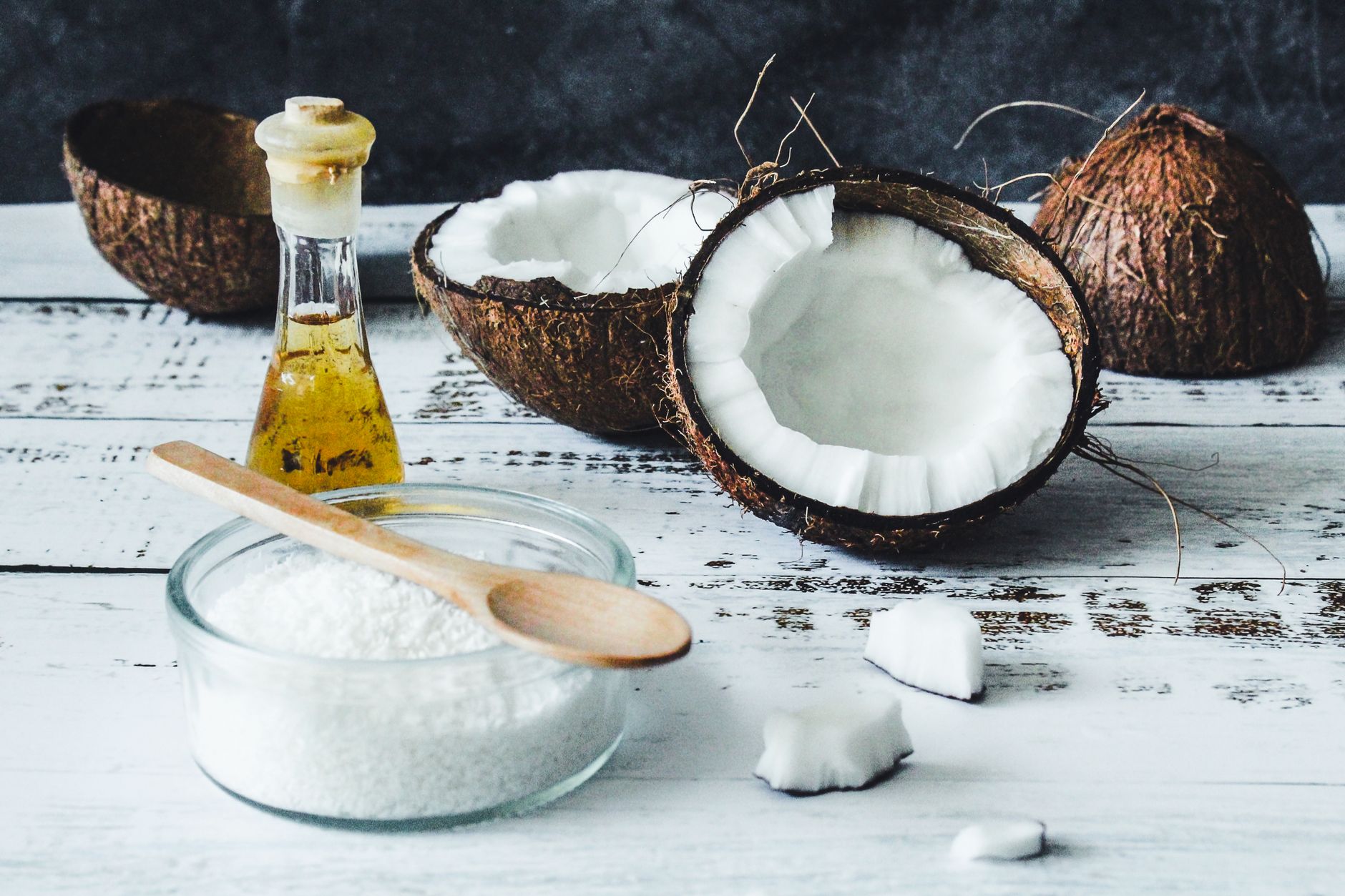
Coconut oil is roughly 45 to 50 percent lauric acid, a medium-chain fatty acid with documented antimicrobial and anti-inflammatory effects against the bacteria most strongly linked to plaque and gingivitis. Most other natural toothpaste bases (vegetable glycerin, calcium carbonate, bentonite clay) are inert carriers. Coconut oil brings its own active ingredient to the table.
It also has the right texture. Coconut oil softens at body temperature and disperses cleanly across the teeth, then sets back up at room temperature so your jar does not leak or separate. And because it is edible food-grade, you can confidently use the same base for kids, pregnancy, and amalgam-safe versions.
How To Make Coconut Oil Toothpaste Step By Step
The Customization Tool above gives you the exact ingredients for your version. Here is the assembly process every recipe shares:
- Soften the coconut oil. Leave the jar on the counter for 30 minutes, or set the open jar in a bowl of warm water for 2 to 3 minutes. Do not microwave (it overheats unevenly and degrades the lauric acid).
- Mix dry ingredients first. Combine the baking soda (and any powder additions like hydroxyapatite, CoQ10, or activated charcoal) in a small glass jar with a non-metal spoon. Stir to disperse so there are no lumps.
- Add the coconut oil. Scoop the softened oil into the dry mix and stir until it forms a smooth paste.
- Add the essential oils last. Count drops one at a time so you do not overshoot. Essential oils are potent — more is not better.
- Add the xylitol (if using) and stir to fully incorporate.
- Cap the jar. Store at room temperature on the bathroom counter. The paste will firm up if your bathroom drops below 76 degrees Fahrenheit, which is normal.
How To Use Your Coconut Oil Toothpaste
Wet your toothbrush, then scoop a pea-sized amount of paste with the bristles (or with a clean wooden popsicle stick if you prefer not to dip the brush into the jar). Brush gently in small circles for two full minutes. Pay extra attention to the gum line.
When you finish, spit the foam into the sink but do not rinse with water afterward. Leaving a thin film of paste on the teeth gives the lauric acid, baking soda, and any remineralizing actives time to keep working between brushings. This single change — not rinsing after brushing — is one of the most under-appreciated upgrades in any oral care routine.
Pair It With Coconut Oil Pulling For 2X The Effect
According to PubMed research on traditional oil-pulling practices, readers who pair coconut oil toothpaste with 10 minutes of morning oil pulling (one tablespoon of straight virgin coconut oil, swished in the mouth) consistently report faster gum and breath improvements than brushing alone. The two practices stack the antimicrobial lauric-acid effect across morning and night.
Start with 5 minutes if 10 feels long. Spit into the trash (not the sink — coconut oil hardens in pipes). Rinse your mouth with warm water afterward, then brush with your homemade paste as usual.
Coconut Oil Toothpaste For Specific Conditions
Sensitive Teeth
Skip the baking soda and charcoal entirely. Use the Sensitive Teeth version from the Customization Tool, which swaps in nano-hydroxyapatite to actively remineralize the exposed dentin tubules causing sensitivity. Expect noticeable improvement within 2 to 3 weeks.
Bleeding Gums
Use the Gum Support version (clove, tea tree, oregano essential oils plus CoQ10). The combination of antimicrobials and gum-tissue support typically shows reader-reported improvement within 14 to 21 days. The Peedikayil 2015 study found significant gingival index improvement starting at day 7 with coconut oil pulling alone — the paste accelerates that further.
Amalgam Fillings
Use the Amalgam-Neutral version. It skips baking soda (mildly abrasive on amalgam edges) and charcoal (same concern). If you are planning amalgam removal, find an IAOMT-certified biological dentist who follows the SMART removal protocol — mercury vapor release is 4 to 5 times higher without it.
Kids and Pregnancy
The Kid-Safe / Pregnancy version uses ground coconut flakes for mild texture and skips all essential oils except an optional drop of spearmint. Safe for ages 6+; supervise children 2 to 6 with a pea-sized amount. Do not use on children under 2. Pregnant and breastfeeding women can use as you would the baseline recipe.
Whitening
The Whitening version adds food-grade activated coconut charcoal to lift surface stains from coffee, tea, and red wine. Use 2 times per week ONLY (charcoal is mildly abrasive) and alternate with the baseline recipe on other days. Skip if you have severe gum recession or composite fillings on the front teeth.
The Evidence Stack: What Research Says About Coconut Oil and Oral Health
4 peer-reviewed studies on coconut oil and oral health
A snapshot of what the research supports and what it does NOT prove — read this first, then scan the studies.
What The Research Supports
- Coconut oil pulling reduces plaque and gingival inflammation within 7 to 30 days
- Lauric acid (45 to 50 percent of coconut oil) has proven antimicrobial activity
- Systematic review confirms oil pulling improves gingival health vs no pulling
- Coconut oil pulling outperforms sesame oil on plaque reduction in some trials
- Coconut oil is a safe, accessible alternative for daily oral hygiene
- The mechanism appears to be both mechanical (sequestering bacteria) and biochemical (lauric acid action)
What It Does NOT Prove
- Coconut oil toothpaste alone reverses established periodontitis without clinical care
- Coconut oil outperforms chlorhexidine for severe bacterial infections
- Every form of coconut oil (refined, MCT, fractionated) performs identically — only VIRGIN coconut oil is studied
- Coconut oil pulling replaces twice-daily brushing — it is an ADJUNCT, not a substitute
- Single 30-day studies prove long-term enamel safety — longer trials are still needed
- Coconut oil is safe internally for everyone (allergy is rare but real)
Pattern Observations: What Real Coconut Oil Toothpaste Users Report
3 Patterns We See Across Reader Reports
Pattern 1: The first week feels weird, then it does not
Almost every reader reports an adjustment period of 5 to 7 days where the coconut taste and texture feel strange after years of commercial paste. By day 10, most readers describe it as preferable to commercial paste, especially the lack of artificial sweetener aftertaste.
Pattern 2: Gum bleeding stops within 2 to 3 weeks
The most consistent reader feedback is that mild gum bleeding when flossing or brushing drops noticeably within 14 to 21 days. This tracks well with the Peedikayil 2015 finding that gingival index improvements were significant by day 7 and accelerated through day 30.
Pattern 3: People who add daily oil pulling see faster results
Readers who pair the coconut oil toothpaste with 10 minutes of morning oil pulling (using straight virgin coconut oil) consistently report faster gum and breath improvements than brushing alone. The two practices stack the lauric-acid antimicrobial effect across morning and night.
Expert Synthesis: Why Coconut Oil Is The Best Base For A Homemade Toothpaste
Plenty of natural toothpaste recipes use bentonite clay, calcium carbonate, or vegetable glycerin as a base. Coconut oil wins as the foundation for one specific reason: lauric acid. About half of coconut oil’s fatty acid content is lauric acid, which has been shown across multiple peer-reviewed studies to actively reduce the bacteria most strongly linked to plaque and gingivitis. None of the other natural bases bring an antimicrobial active to the table; they are inert carriers.
The second reason is texture. Coconut oil softens at body temperature, which means it disperses easily across the teeth surface during brushing, then sets back up at room temperature so the jar does not leak or separate. Glycerin-based pastes can coat the enamel in a way that some integrative dentists worry interferes with remineralization. Clay-based pastes can feel gritty. Coconut oil paste feels closest to commercial paste while leaving the actives in plain sight.
The third reason is universal safety. Coconut oil is edible, food-grade, and safe in pregnancy, lactation, and for kids. That makes it the only base where you can confidently build kid, pregnancy, and amalgam-safe variants from the same 3-ingredient starting point. The Customization Tool above just adjusts the actives layered on top.
Gum Disease Is A Whole-Body Inflammation Signal
Switching to a clean toothpaste matters. But chronic gum bleeding, recurring decay, or stubborn bad breath usually point to a deeper inflammatory load — gut dysbiosis, mercury from old fillings, blood sugar spikes, or chronic dehydration. Topical change works fastest when paired with reducing the systemic load the mouth is signaling about.
Use The Toxic Load Tool →Your Coconut Oil Toothpaste Shopping List
Every ingredient below is the exact brand and form used in the recipes above. Pick the ones that match the version your Customization Tool gave you.
Nutiva Organic Virgin Coconut Oil 54 oz
Cold-pressed unrefined coconut oil. The required base for every recipe in this guide.
View on Amazon →Bob’s Red Mill Baking Soda (4-pack)
Aluminum-free, non-GMO, food-grade. Used in Baseline, Whitening, Gum Support, and Fresh Breath recipes.
View on Amazon →NOW Foods Pure Xylitol
Sweetener with anti-cavity effect. Optional in all recipes. Keep away from pets.
View on Amazon →
Plant Therapy Peppermint Essential Oil 10 ml
100 percent pure, single ingredient. Used for fresh breath and standard flavoring.
View on Amazon →
Pure Nano Hydroxyapatite Tooth Powder
For the Sensitive Teeth and Travel-Bar versions. Actively remineralizes exposed dentin.
View on Amazon →
Hyperbiotics Pro Dental Probiotic
Optional add-on for chronic gum issues. Targets the K12 strain shown to support oral microbiome balance.
View on Amazon →If you only choose one
Start with Nutiva Organic Virgin Coconut Oil. It is the only ingredient required across every variation, and one jar lasts six months of homemade toothpaste batches.
Common Questions About Homemade Coconut Oil Toothpaste
How long does a batch last?
A 2-tablespoon batch lasts one person about 2 weeks at twice-daily use. Store in a small glass jar at room temperature. Below 76°F the coconut oil solidifies — that is normal, not spoilage.
Why use coconut oil instead of bentonite clay or glycerin?
Coconut oil is the only base with documented antimicrobial activity through its lauric acid content. Bentonite clay and glycerin are inert carriers — they hold ingredients but do not actively support oral health. For a clay-based alternative recipe, see our Bentonite Clay Toothpaste Recipe.
Can I add hydroxyapatite to the baseline recipe?
Yes, and it is a smart upgrade. Add 1 teaspoon of nano-hydroxyapatite powder to the baseline. The hydroxyapatite remineralizes early enamel demineralization without fluoride. Learn more in our Hydroxyapatite Toothpaste Benefits guide.
Is this recipe safe for dogs?
No — xylitol is highly toxic to dogs even in small amounts. Keep your jar out of pet reach. If you have pets, make the kid version without xylitol and use a sealed jar stored in a cabinet.
Related Reading From The Wellthie One
Once you have your coconut oil toothpaste dialed in, the next step is choosing the right active for your specific case. We have built sister recipes for clove (gum support and analgesic), bentonite clay (gentle remineralization), and a hydroxyapatite-focused option for active enamel rebuilding:
- Homemade Clove Toothpaste Recipe Customization Tool — for gum support, analgesic effect, and toothache history
- Bentonite Clay Toothpaste Recipe — for gentle remineralization with binding action against heavy metals
- Hydroxyapatite Toothpaste Benefits — the fluoride-free remineralization standard
This post may contain affiliate links, which means we may receive a small commission, at no cost to you, if you make a purchase through a link. Photos courtesy of Pexels.