
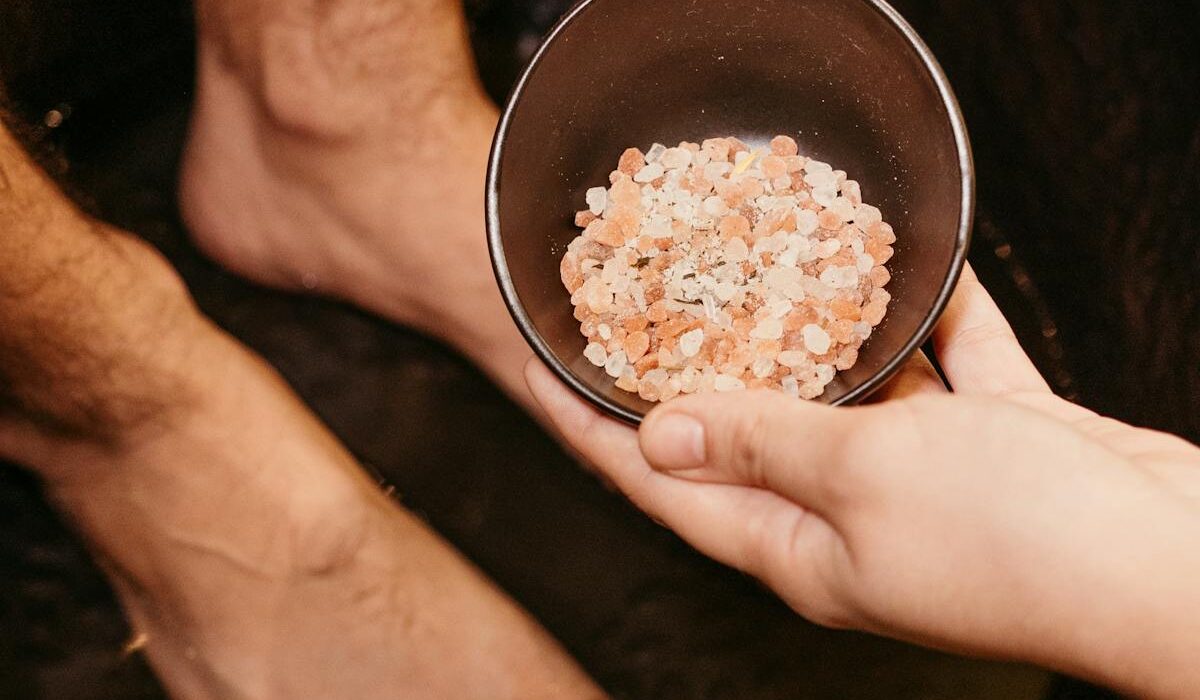
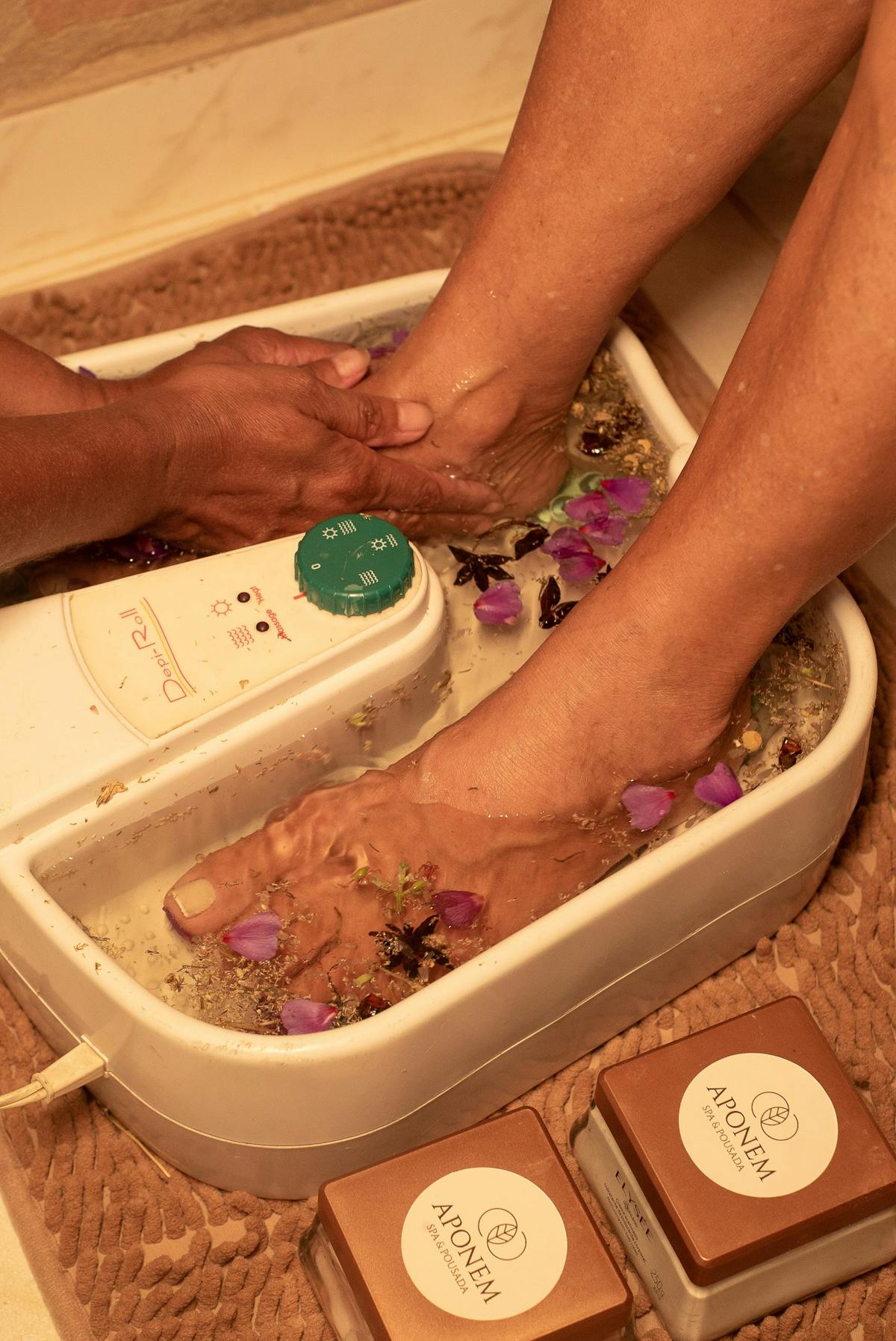
The benefits of an epsom salt foot soak include faster muscle recovery, better sleep, softer feet, and a quiet 20 minute reset for the nervous system. The salt itself is magnesium sulfate, which the skin absorbs slowly through the warm water of the soak. People love this ritual because it costs almost nothing, takes 5 minutes to set up, and feels exactly as restorative as it sounds.
Below you will find what an epsom salt foot soak actually does, the right ratio of salt to water, three products that make the practice easier, and the simple safety rules.
What’s the Right Epsom Soak for You?


A soak relaxes the moment — what’s draining you underneath?
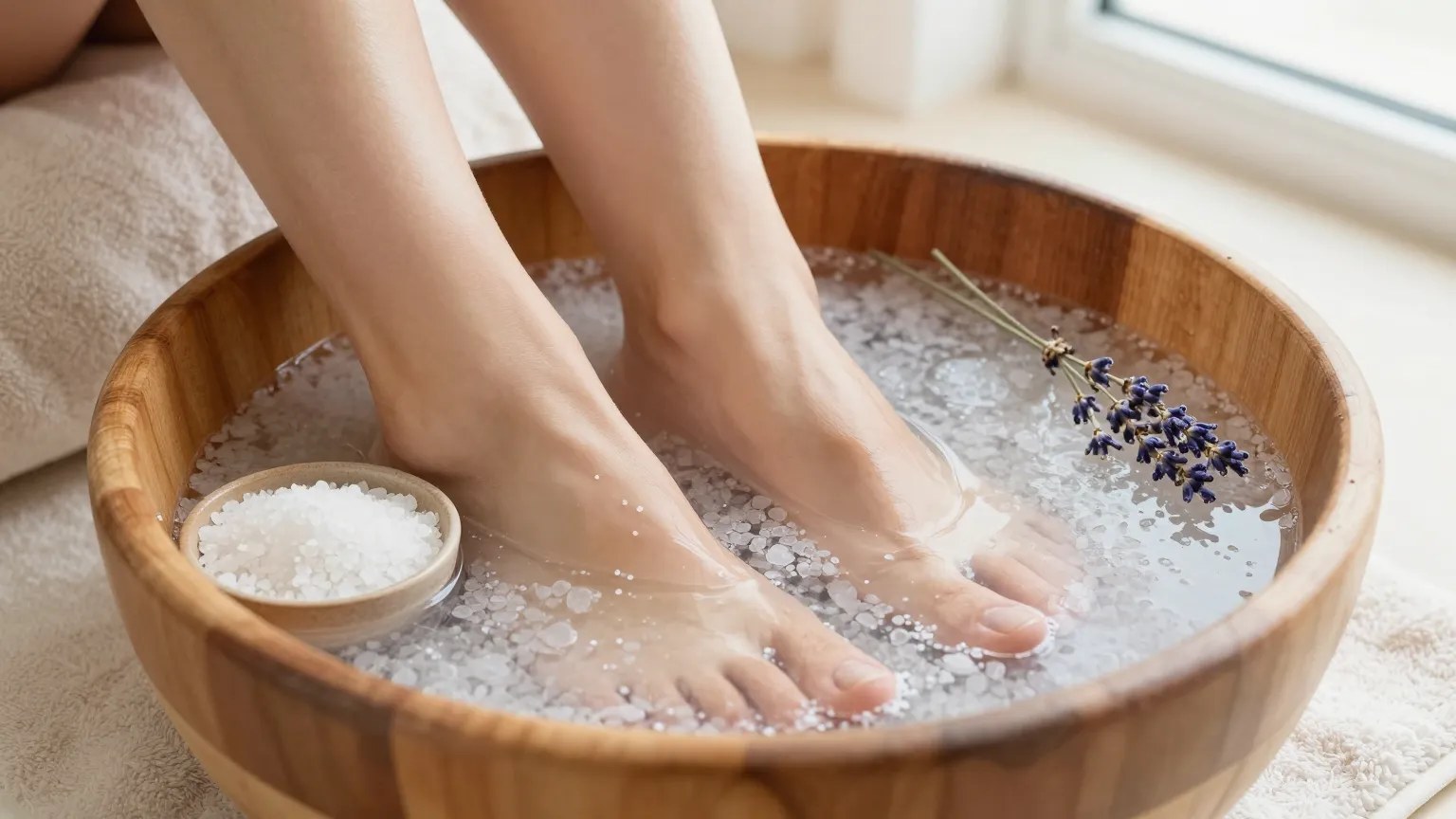
What Are the Benefits of an Epsom Salt Foot Soak
Epsom salt is technically magnesium sulfate. When dissolved in warm water, the magnesium and sulfate ions are absorbed slowly through the skin and especially through the feet, which have a high concentration of pores and an exceptionally good local blood supply. The benefits are layered: physical, neurological, and emotional.
Physical benefits include reduced muscle soreness after long days, gentler joint tension in the legs, softer skin on dry heels, and easier circulation in cold feet. Magnesium is involved in over 300 enzymatic reactions in the body, and most adults run mildly low on it.
According to research summarized by Healthline, magnesium absorption through the skin is real but slower than oral supplementation. Foot soaks are most useful as a daily ritual that delivers a small steady dose plus an immediate nervous system reset.
The neurological benefit is what most people feel right away. Magnesium is calming. The combination of warm water, the slight tingle of mineral dissolution, and 20 minutes of stillness drops the body into parasympathetic mode. That is the only state in which sleep prep, digestion, and tissue repair actually happen.
What you will learn in this video:
Most people in detox or chronic-symptom work eventually hit the same problem: the same symptoms — fatigue, brain fog, gut issues, poor sleep — can come from completely different root causes, and the wrong protocol can run for months before that becomes obvious. The 2-minute What's Draining Your Brain Tool sorts you into one of four toxic load types so the next thing you try has a real chance of actually working.
- How magnesium and sulfate ions work together for muscle and joint relief
- Why epsom salt soaks beat oral magnesium for some people
- The right water temperature and soak time for best absorption
- How epsom salt baths and foot soaks compare for daily use
How to Make an Epsom Salt Foot Soak at Home
The recipe is simple. The trick is hot enough water to feel warm without being uncomfortable, and enough salt to actually deliver minerals.
What’s draining your brain?
Brain fog, fatigue, sluggish digestion — usually one of 4 toxic load types is behind it: heavy metals, parasites, mold, or burned-out adrenals. Each type needs a completely different protocol. Take the 2-minute quiz to find out which one is draining you.
The basic ratio
- 1 gallon of warm water (around 100 to 105 degrees Fahrenheit)
- 1/2 to 1 cup of pure epsom salt
- Optional: 5 to 10 drops of lavender or eucalyptus essential oil
- Optional: a small handful of fresh rose petals or lemon slices
The simple step by step
- Fill a foot soak basin or large mixing bowl with warm water.
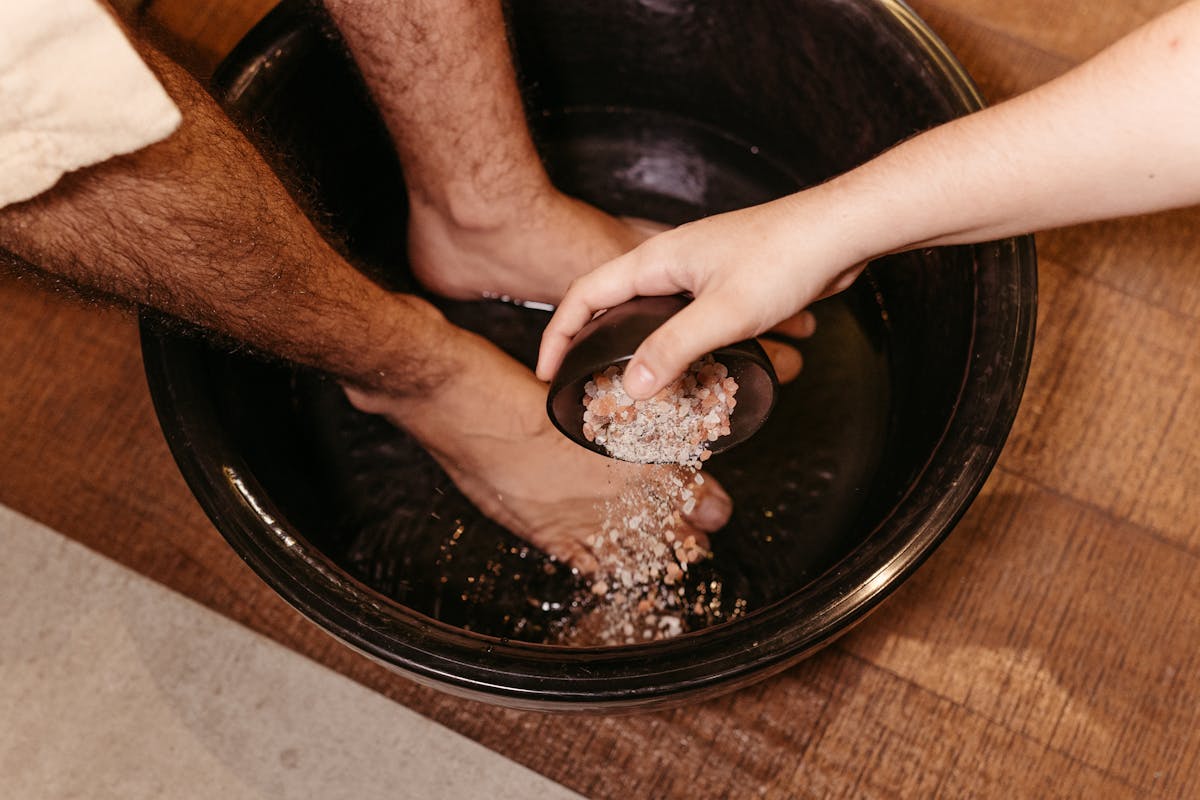
- Add the epsom salt and stir with your hand until dissolved. The water should feel slightly slick, almost silky.
- Add essential oils or fresh botanicals if you like.
- Soak feet for 20 minutes. Hydrate with a glass of water during the soak.
- Pat feet dry and rub in a thin layer of unscented oil to lock in moisture.
Best Epsom Salt for Foot Soak Picks
For most people, a lightly scented blend with lavender is the perfect sleep prep version. The lavender is calming on its own and pairs naturally with the magnesium.
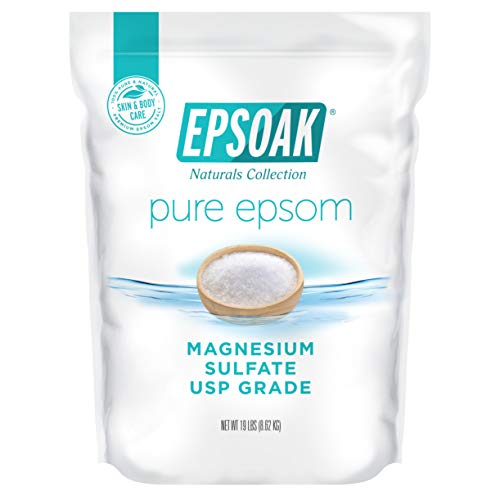
Dr Teals Pure Epsom Magnesium Salt Soak with Lavender

Source: amazon.com
Pure epsom salt blended with essential oils for a soothing sleep ready foot soak.
Check Price On AmazonThe Wellthie One Review
Dr Teals Pure Epsom Magnesium Salt Soak with Lavender Attributes
- Pure magnesium sulfate with natural lavender essential oil
- Pack of 4, three pound bags each. Months of supply for daily soaks
- No artificial dyes, gentle on sensitive skin
- Pleasant lavender scent without being overwhelming
Dr Teals is the most accessible quality epsom salt on the shelf. The lavender version is the easiest evening sleep ritual. The pack of 4 is a real value play; daily use of half a cup means each bag lasts about three weeks.
If You Want Pure Epsom Salt with No Scent
For people with fragrance sensitivities or anyone who likes to add their own essential oils, food grade pure epsom salt is the cleanest option. It also tends to be cheaper per pound when bought in larger quantities.
What the research actually says about Epsom soaks
Epsom salt is magnesium sulfate, and the real science is more interesting than the hype. Based on articles retrieved from PubMed:
Warm soaks really do warm you and boost circulation
In a crossover trial, a warm footbath (about 40°C for 20 minutes) significantly raised foot temperature and the distal skin-temperature gradient that helps the body relax and dissipate heat — the same shift linked to winding down for sleep (though this small study didn’t measure a change in sleep itself) (Liao et al., International Journal of Nursing Studies 2013; DOI: 10.1016/j.ijnurstu.2013.04.006). That warmth-and-circulation effect is a big part of why a soak feels so good.
Magnesium barely crosses intact skin
This is the myth-buster: in lab testing, magnesium sulfate passed through intact skin very slowly — only when the skin barrier was deliberately disrupted did absorption jump roughly 33-fold (Ghimirey & Ita, Current Drug Delivery 2020; DOI: 10.2174/1567201817666191217093936). So an Epsom bath is unlikely to meaningfully “top up” your magnesium. Its real value is the warm water, the gentle osmosis, and the relaxing ritual — all genuinely worthwhile.
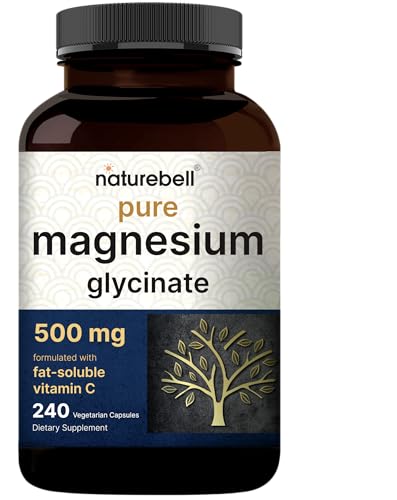
Why a soak alone isn’t enough
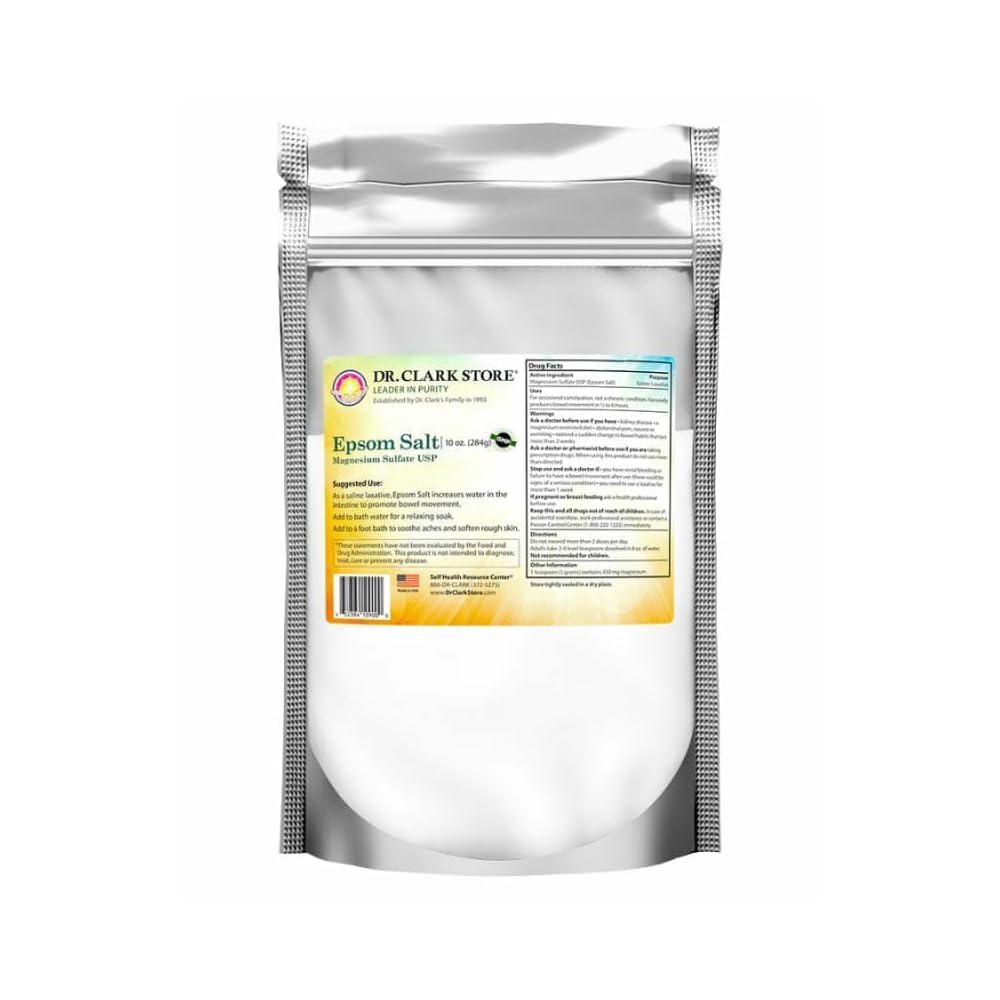
Dr. Clark Store Epsom Salt (USP Food Grade)
Source: amazon.com
Pharmaceutical grade epsom salt, no fillers or anti caking agents.
Check Price On AmazonThe Wellthie One Review
Dr. Clark Store Epsom Salt (USP Food Grade) Attributes
- USP food grade magnesium sulfate, no fillers or fragrance
- Long shelf life, store in any dry cupboard
- Doubles as a full body bath salt or constipation aid when taken orally
- Compatible with any essential oils you want to add yourself
Plain pure epsom salt is the cheapest, most flexible option. Add your own lavender, eucalyptus, or peppermint essential oil. Many readers also use this for full body baths and even small amounts internally as an old fashioned constipation aid (a teaspoon in a glass of water).
The Foot Soak Basin That Makes the Habit Stick
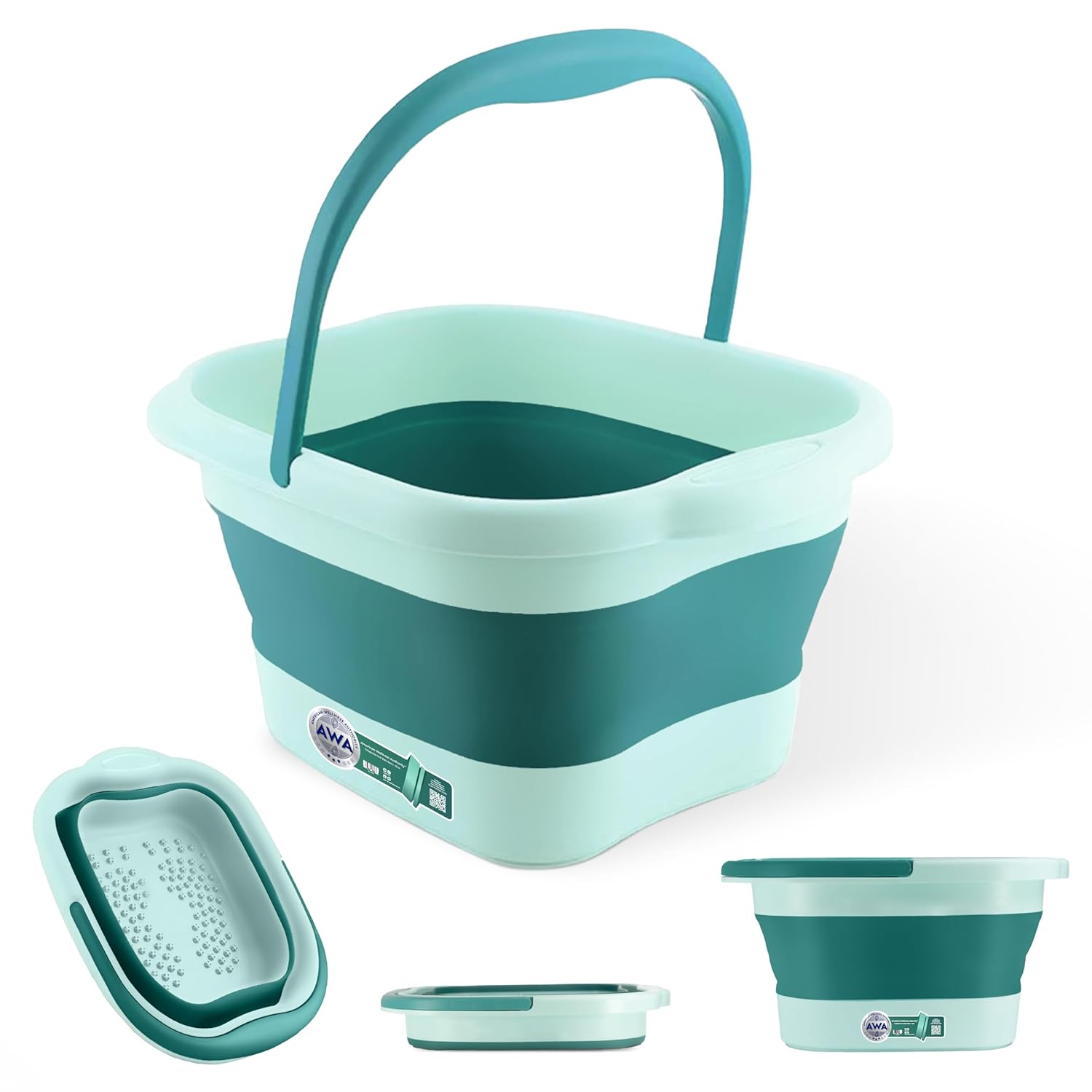
The most common reason this ritual fails is dragging out a heavy bowl every night. A dedicated collapsible foot soak basin lives folded under the couch and pops open in 5 seconds. That tiny convenience is the difference between a one week habit and a one year habit.
Collapsible Foot Soak Tub with Massage Nodes
Source: amazon.com
Foldable foot bath tub with built in massage nodes for daily foot soaks.
Check Price On AmazonThe Wellthie One Review
Collapsible Foot Soak Tub with Massage Nodes Attributes
- Collapses flat for storage, pops open in seconds for use
- Built in massage nodes on the bottom for foot reflexology
- Holds enough water for full ankle coverage on most adults
- Lightweight, portable, easy to carry full of water without spilling
A dedicated foot soak basin removes 90 percent of the resistance to a daily ritual. The collapsible design lives under a coffee table or behind the couch. The massage nodes on the bottom are surprisingly effective. We use ours nightly during winter and several times a week year round.
How Often and When to Soak
Daily is fine. Most readers do their epsom salt foot soak in the evening, 30 to 60 minutes before bed. The combination of magnesium absorption, parasympathetic activation, and warm water all support deeper sleep.
If you are recovering from a hard workout, an injury, or a long day on your feet, do a soak that same evening. The recovery effect is most dramatic when you are most depleted.
Common Add Ins for Specific Goals
- For sleep: lavender essential oil + a chamomile tea bag in the water
- For tired muscles: eucalyptus and peppermint essential oil
- For dry feet: a tablespoon of olive oil in the water
- For stuffy sinus relief: 5 drops of eucalyptus and a hot towel over the shoulders
- For anxious days: 1/4 cup of bentonite clay added to the water (see our bentonite clay detox bath guide for the full ratio)
What to Expect After Two Weeks
Most readers feel a sleep shift in the first three days. Falling asleep faster, waking less often. By the end of week one, evening anxiety is noticeably softer. By week two, dry feet are visibly smoother and tense calves let go more easily on the soak nights.
Pair this with the gentle daily detox tools we cover across the site. A weekly bentonite clay detox bath plus daily epsom salt foot soaks is one of the simplest detox supportive routines a beginner can adopt.
Who Should Skip Epsom Salt Foot Soaks
Skip foot soaks if you have an open foot wound, an active infection in the foot, severe diabetic neuropathy where you cannot reliably feel water temperature, or severe peripheral artery disease. Pregnant women should keep water lukewarm rather than hot and limit soaks to 15 minutes. As always, bloodwork and how you actually feel are the best tiebreakers.
The Bottom Line on Epsom Salt Foot Soak Benefits
An epsom salt foot soak is one of the cheapest, most rewarding daily wellness rituals you can adopt. Pure magnesium salt, warm water, 20 quiet minutes, and a small handful of lavender if you like. Three weeks in, you will likely sleep better, recover faster, and have softer feet. The cumulative effect is what makes this practice timeless.
This post may contain affiliate links, which means we may receive a small commission, at no cost to you, if you make a purchase through a link.
Frequently asked questions
How much Epsom salt for a foot soak?
About ½ cup of Epsom salt in a basin of comfortably warm water (100–104°F). Use the recipe tool above to match the amount to your goal.
How long should you soak your feet in Epsom salt?
15–20 minutes is plenty. Longer can dry the skin, so finish with a rinse and moisturizer. A few times a week is fine for most people.
What does an Epsom salt foot soak actually do?
The warm water relaxes muscles, boosts circulation, soothes tired and achy feet, softens skin, and can help with foot odor. The relaxation and warmth do most of the work — very little magnesium is absorbed through the skin.
Is an Epsom foot soak safe for everyone?
Most healthy adults are fine. Skip it or check with your doctor first if you have diabetes, neuropathy, or any open wounds or infection on the feet, since reduced sensation and broken skin need extra care.
This article is general education, not medical advice. Epsom soaks are comfort care; they do not treat infections, and magnesium absorbed through intact skin is minimal. Seek prompt care for spreading redness, red streaks, fever, severe pain, or a wound that won’t heal — and check with your doctor before soaking if you have diabetes, neuropathy, or open wounds.