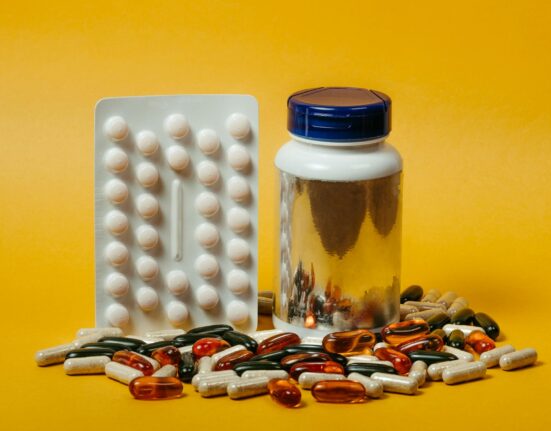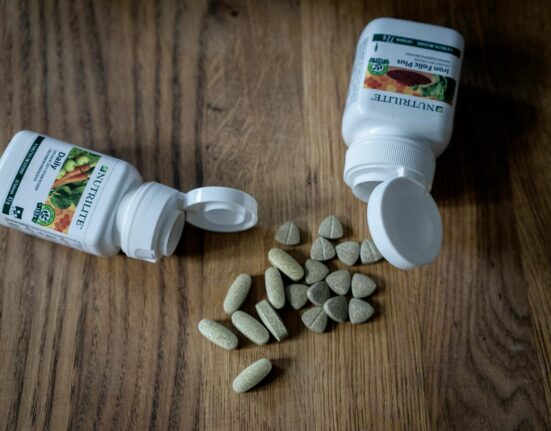

Most people walk out of a dental surgery, fill the prescription, and assume the anesthesia leaves their body within a day. It does not. Lipid-soluble anesthetics like propofol, sevoflurane, and the local agents (lidocaine, articaine, septocaine) bind to fat tissue and recirculate through the liver for two to six weeks after the procedure. The brain fog, fatigue, weird mood, and that “I do not feel like myself” sensation are not in your head. They are the second-pass clearance.
The 7-step protocol below speeds up that clearance significantly when started in the first 48 hours and continued for 2 to 4 weeks. The tool further down maps your current symptoms to your phase of recovery, so you know which steps matter most this week.
Anesthesia Recovery 7-Step Tracker Tool
Tap every statement that is true for you right now. The tool identifies your detox phase (Phase 1, 2, 3, or Concerning) and tells you which of the 7 steps below matters most this week.
Slow Anesthesia Recovery Usually Has An Upstream Cause
If you are still off at week 3 or 4 post-op, the anesthesia is not your problem anymore. The procedure mobilized something else. Old amalgam mercury disturbed during a crown swap, dormant oral biofilm, mold biotoxins your liver was already managing, or adrenal depletion that hid before the surgery stress. The 90 second Toxic Load Tool finds which one is driving yours.
Use The Toxic Load ToolWhy Anesthesia Lingers Longer Than You Think
Dental procedures use three general anesthesia categories: local anesthetics (lidocaine, articaine, septocaine, mepivacaine) for tooth-area numbing, sedation agents (nitrous oxide, oral triazolam, IV midazolam) for relaxation, and general anesthetics (propofol, sevoflurane) for fuller surgeries like wisdom tooth extraction under IV sedation.
Bentonite, charcoal, chelation, cilantro, mercury chasing — these protocols all assume heavy metals are your dominant toxic load. For some people they are. Plenty of others land in this kind of work suspecting metals when adrenal exhaustion, parasites, or mold are actually doing more of the damage, and the protocols look very different depending which one is yours. If you want to sort it out before committing to weeks of binders, the 2-minute What's Draining Your Brain Tool places you in one of four root cause types so the next thing you try has a real chance of working.
The local anesthetics clear from the bloodstream within 4 to 8 hours. The sedation and general agents do not. They are lipid-soluble, which means they bind to fat tissue (including brain fat, where 60 percent of your gray matter is lipid by weight) and slowly redistribute back into circulation over the following 2 to 6 weeks. That redistribution is what causes the post-anesthesia brain fog, mood changes, and “I just feel off” sensation that most patients are told will pass on its own.
It does pass on its own. But faster, and with fewer residual issues, when you actively support the clearance pathways.
The 7-Step Anesthesia Detox Protocol
Each step targets a specific clearance pathway. The widget above tells you which steps matter most for your current phase, but all 7 work together. Run them simultaneously when you are in Phase 2 (the workhorse window).
Step 1: Hydration With Electrolytes
Aim for half your body weight in ounces of water, plus a pinch of unrefined sea salt or LMNT in two of those glasses. Anesthesia metabolites exit primarily through the kidneys. Underhydrate and they recirculate. The day after surgery is the highest-impact day for this step. Skip it and you set up a 2 to 4 week recovery as default.
Step 2: Activated Charcoal (Timed Away From Meds)
1 gram of food-grade activated coconut charcoal twice daily, taken 2 hours before or after any medication. Charcoal binds anesthesia metabolites that are dumped into the gut through bile, preventing their reabsorption. This is the single highest-leverage step for preventing brain fog and lingering fatigue. CRITICAL: charcoal also binds medications, antibiotics, and birth control, so the 2-hour gap is non-negotiable.
Step 3: Castor Oil Pack Over The Liver
4 evenings per week, 45 minutes per session, placed over the right upper abdomen (just under the ribs). Castor oil triglycerides absorb through skin into liver-adjacent lymph capillaries, supporting the lymph drainage of bile-routed metabolites. Start on day 3 post-op, not before (give the surgical site time to settle).
Step 4: Glutathione Or NAC
Glutathione is the liver’s master antioxidant and the molecule that finishes the job of breaking down anesthetic metabolites. Liposomal glutathione (400 mg daily) is the most bioavailable form. If liposomal is out of budget, NAC (N-Acetyl Cysteine) at 600 mg twice daily gives the liver the precursor it needs to make its own glutathione. Either approach works.
Step 5: Sauna Or Epsom Salt Bath
3 to 4 times per week, 20 minutes per session. Sweat is a small but real exit pathway for lipid-soluble anesthetics. An infrared sauna at 130 to 150 degrees Fahrenheit, or a 20-minute soak in a tub with 2 cups of epsom salts (magnesium sulfate), opens this pathway and supports muscle relaxation around the surgery site. Hydrate before and after.
Step 6: Bitter Foods For Bile Flow
Arugula, dandelion greens, radicchio, beets, and artichoke at one meal daily. Bitter compounds stimulate bile production, and bile is the carrier vehicle for many anesthesia metabolites leaving the liver. If salads are not appealing in week 1 post-op, swedish bitters tincture (a few drops in water before meals) covers the same mechanism.
Step 7: Sleep Priority And Nervous System Regulation
Lymph clearance happens at night. Aim for 9 hours in bed for the first week, then 8 hours through week 4. Avoid screens 90 minutes before sleep and keep the room at 65 degrees Fahrenheit. If anxiety is keeping you up, 200 to 400 mg of magnesium glycinate at bedtime plus 4-7-8 breathing (in 4, hold 7, out 8) for 5 cycles tends to settle the post-procedure jumpiness most people feel.
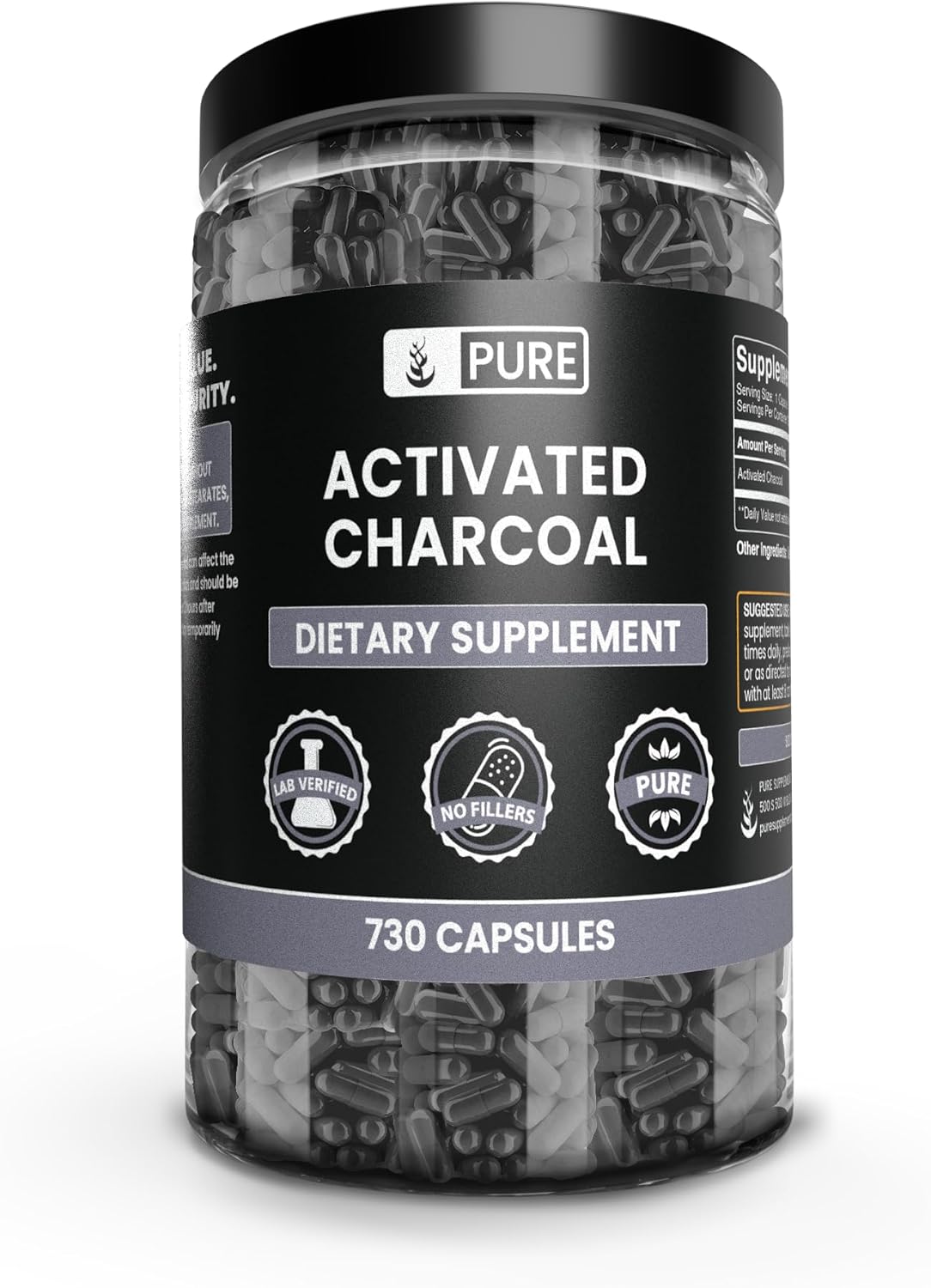
Step 2 of the anesthesia detox protocol calls for activated charcoal twice daily starting the morning of your procedure. The choice matters because most charcoal supplements are cut with magnesium stearate, rice flour, or silica fillers that reduce binding power. Pure Original Ingredients lists charcoal as the single ingredient, no excipients, lab verified for quality. Keep a jar in the medicine cabinet, it doubles as the household emergency binder:
Pure Original Ingredients Activated Charcoal (730 Capsules, No Fillers)
Step 4 of the anesthesia detox protocol uses glutathione, the master antioxidant the liver needs to finish detoxing anesthesia metabolites. Liposomal liquid form absorbs intact, unlike standard oral glutathione which mostly gets destroyed by stomach acid. Rho Nutrition produces a clean liposomal liquid with no artificial flavors or sweeteners. One teaspoon under the tongue daily for 2 to 4 weeks post-procedure:
Rho Nutrition Liposomal Glutathione

When To Skip This Protocol
Talk to your prescribing dentist or surgeon before starting the full protocol if any of these apply:
You are on blood thinners. Some bitter herbs and high-dose vitamin C can interact. Get clearance first.
You had IV sedation and the IV site is still tender or showing any discoloration. Pause the sauna step and the castor oil pack near the IV site until cleared.
You are pregnant or breastfeeding. Activated charcoal and the bitter herbs need practitioner guidance during pregnancy.
Your surgery involved bone grafting or implants. The first 7 days of healing prioritize stillness and pressure avoidance. Wait until day 8 to start the castor oil pack and sauna steps. Hydration and charcoal still apply from day 1.
Related Reading
The articles below cover specific dental procedures plus the natural detox approach to each. Bookmark them now if you have any of these procedures upcoming.
- Brain Fog After Surgery: The 12-Week Anesthesia Recovery Plan — for the longer recovery arc
- Activated Charcoal After Surgery: When It Helps Detox Anesthesia — deeper dive on step 2
- Castor Oil Pack for Liver: A Beginner Guide — full instructions for step 3
- Coffee Enemas Stop Working: When Liver Detox Stalls — for Phase 3 plateau breakers
Frequently Asked Questions
How long does anesthesia stay in your system after dental surgery?
Local dental anesthetics (lidocaine, articaine, septocaine) clear from the bloodstream within 4 to 8 hours. Sedation agents and general anesthetics (propofol, sevoflurane, nitrous oxide) are lipid soluble and redistribute from fat tissue back into circulation over 2 to 6 weeks. The 7-step protocol on this page speeds up that clearance to 2 to 3 weeks for most people.
What helps detox anesthesia faster after dental work?
The five highest-leverage interventions are aggressive hydration with electrolytes, activated charcoal (1 gram twice daily, 2 hours away from meds), castor oil packs over the liver, liposomal glutathione or NAC, and prioritizing 9 hours of sleep for the first week. Start within 24 hours of surgery for the strongest effect. The recovery tool above identifies which steps matter most for your current phase.
Can I take activated charcoal after dental surgery?
Yes, with one critical timing rule. Activated charcoal binds anesthesia metabolites in the gut and prevents their reabsorption. It also binds medications, antibiotics, and birth control. Take charcoal 2 hours before or 2 hours after any medication, including the prescribed antibiotics or pain medication. The standard dose is 1 gram twice daily for 7 to 14 days post-op.
Why do I feel brain fog weeks after dental surgery?
Brain fog 2 to 6 weeks after dental surgery is usually the slow second-pass clearance of lipid-soluble anesthetics through the liver. If brain fog persists past week 4, the issue is often no longer the anesthesia itself but something else the procedure mobilized: old amalgam mercury disturbed during a crown swap, dormant oral biofilm, or a pre-existing toxic load that is now competing for the same detox pathways. The Deeper Pattern card above explores this.