
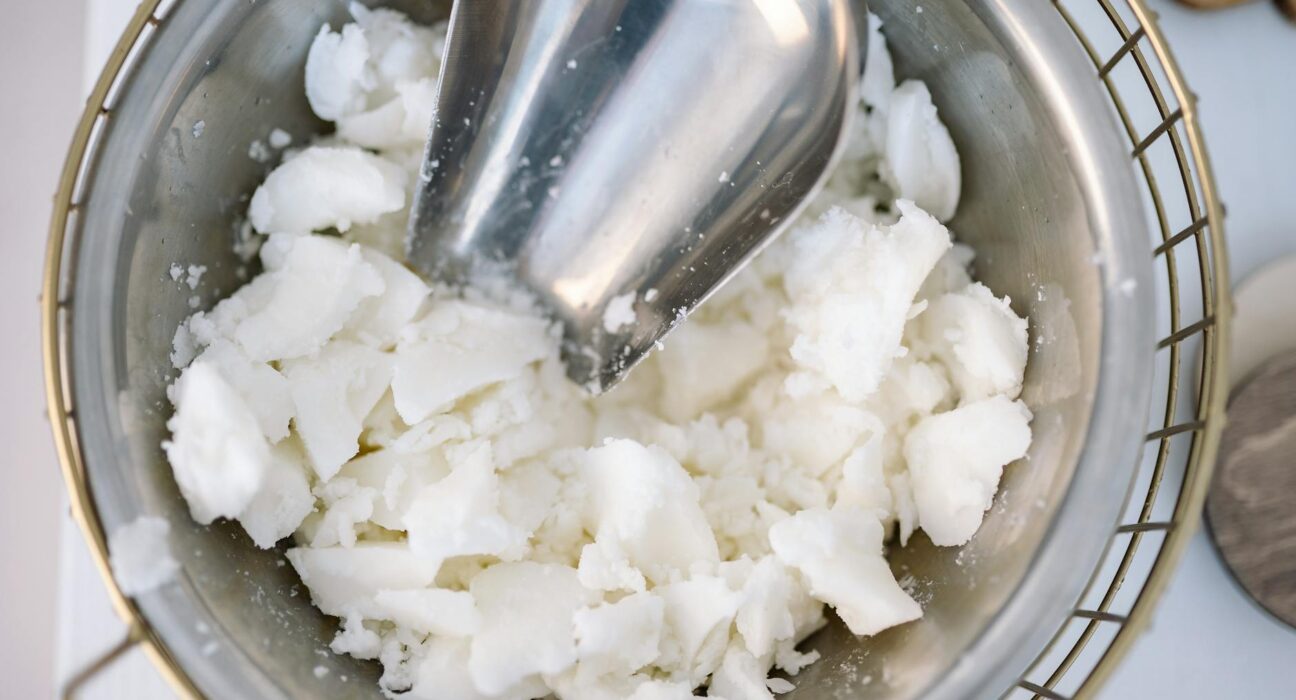
A fragrance load calculator does one job — tells you exactly how much fragrance to add to your candle wax to get a clean, balanced scent throw without ruining the candle’s burn. Most candle-making guides just say “use 6–10 percent” and leave the math to you. This page gives you the actual calculator below, plus the cleaner version of the whole equation: which wax types take more oil, which take less, and why essential oils beat synthetic fragrance oil for everyone in your household.
The calculator is right at the top of this page. Pick your wax type, enter how many ounces of wax you’re melting, choose your target load percentage, and you’ll get the exact amount of fragrance to add — in both ounces and grams. The full guidance on what each number means is below the calculator.
The Fragrance Load Calculator (Free Tool)
Pick your wax + load %, get the exact fragrance amount
While you’re sorting candle scents in your home, the upstream question worth asking is: which kinds of toxic load are already contributing to symptoms you’ve been chasing? Synthetic fragrance is one of the four toxic-load patterns we cover in the free 90-second Toxic Load Type Quiz. Find your type, then make your candle inputs match your detox direction.
Key Takeaways
- The fragrance load calculator above gives you the exact amount of essential oil or fragrance to add for any wax weight, wax type, and target load percentage.
- Most home candle makers use 6 percent fragrance load — balanced scent, clean burn, no sweating or wick issues.
- Different waxes hold different maximum loads: soy up to 10 percent, coconut up to 12 percent, beeswax only 3–6 percent, palm up to 10 percent.
- Use essential oils, not synthetic fragrance oils. Synthetic fragrance contains phthalates, formaldehyde, and xenoestrogens that bind to fabric and skin throughout your home.
- The full ratio: weight of fragrance ÷ weight of wax × 100 = load percentage. Always measure by weight, not volume.
How the Math Actually Works
The fragrance load percentage is a simple ratio of fragrance weight to wax weight. The formula:
Fragrance load % = (weight of fragrance ÷ weight of wax) × 100
So if you have 16 ounces of soy wax and want a 6 percent load:
0.06 × 16 oz = 0.96 oz of fragrance
That’s the math the calculator runs for you. The reason most candle makers get this wrong is that they measure by volume (drops, teaspoons, milliliters) instead of by weight. Essential oils and fragrance oils have different densities, so equal volumes give different load percentages. Weight is the only accurate measure.
Best Soy Wax — Beginner-Friendly
Golden Brands 464 Soy Wax Flakes (10 lb)
Source: amazon.com
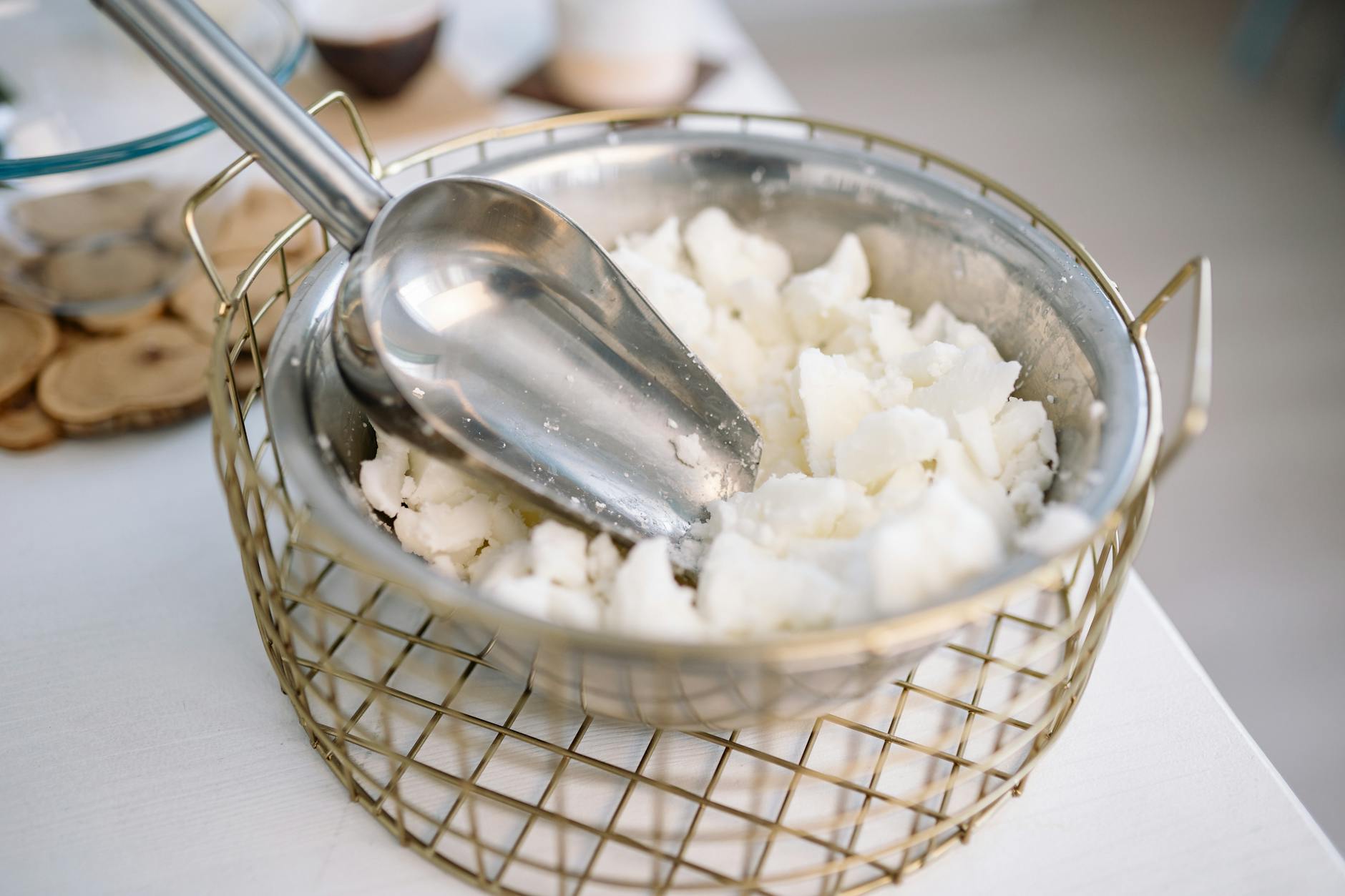
Natural soybean-based wax, 115–120 °F melt point, paraffin-free. Golden Brands 464 is the most-used wax in non-toxic candle making in North America — creamy texture, holds fragrance load 6–10 percent, easy to work with for beginners. 10 lb makes approximately 40 to 60 eight-ounce candles.
The Maximum Fragrance Load by Wax Type
Soy Wax (Most Common) — 6 to 10 percent
Soy is the workhorse of home candle making. Golden Brands 464 (the most popular soy wax) holds up to 10 percent fragrance reliably. Most makers use 6–8 percent for a balanced scent that won’t overwhelm a room. Above 10 percent, soy starts to sweat — that grainy oily layer on the candle surface — and the wick can struggle to burn cleanly.
Coconut Wax (Premium Option) — 8 to 12 percent
Coconut wax holds more fragrance than any other natural wax — up to 12 percent without sweating. The trade-off is cost (3–4x soy) and slightly slower set time. Worth it for high-end candles and for makers who want stronger scent throw without going above safe load limits.
Beeswax — 3 to 6 percent
Beeswax has the lowest fragrance load tolerance of any natural wax. The wax itself has a subtle honey scent that complements light fragrance but overwhelms anything above 6 percent. Beeswax also holds heat differently from soy — fragrance burns off faster, so a lower load is actually optimal for slow scent release.
Palm Wax — 6 to 10 percent
Palm wax produces beautiful crystalline candle surfaces and holds fragrance similarly to soy. Sourcing is the main concern — only buy palm wax certified by RSPO (Roundtable on Sustainable Palm Oil). I personally don’t use palm wax because the sustainability picture is messy; soy and coconut are cleaner choices for the same performance.
Paraffin Wax — Avoid for Non-Toxic Candles
Paraffin is the wax used in most cheap conventional candles. It’s a petroleum byproduct. When burned, it releases benzene, toluene, and small particulates into the air your family breathes. The fragrance load capacity is high (up to 12 percent), but the wax itself is the problem. Don’t bother calculating load percentages for paraffin — pick a different wax.
Essential Oils — The Clean Scent Choice
Cliganic USDA Organic Top 12 Essential Oils Set

Source: amazon.com
USDA-organic, 100 percent pure essential oils — lavender, eucalyptus, peppermint, tea tree, lemongrass, rosemary, frankincense, orange, lemon, cassia, cedarwood, grapefruit. The clean alternative to synthetic fragrance oil. Use these in your fragrance load calculation at the 3–6 percent ratio per the calculator above.
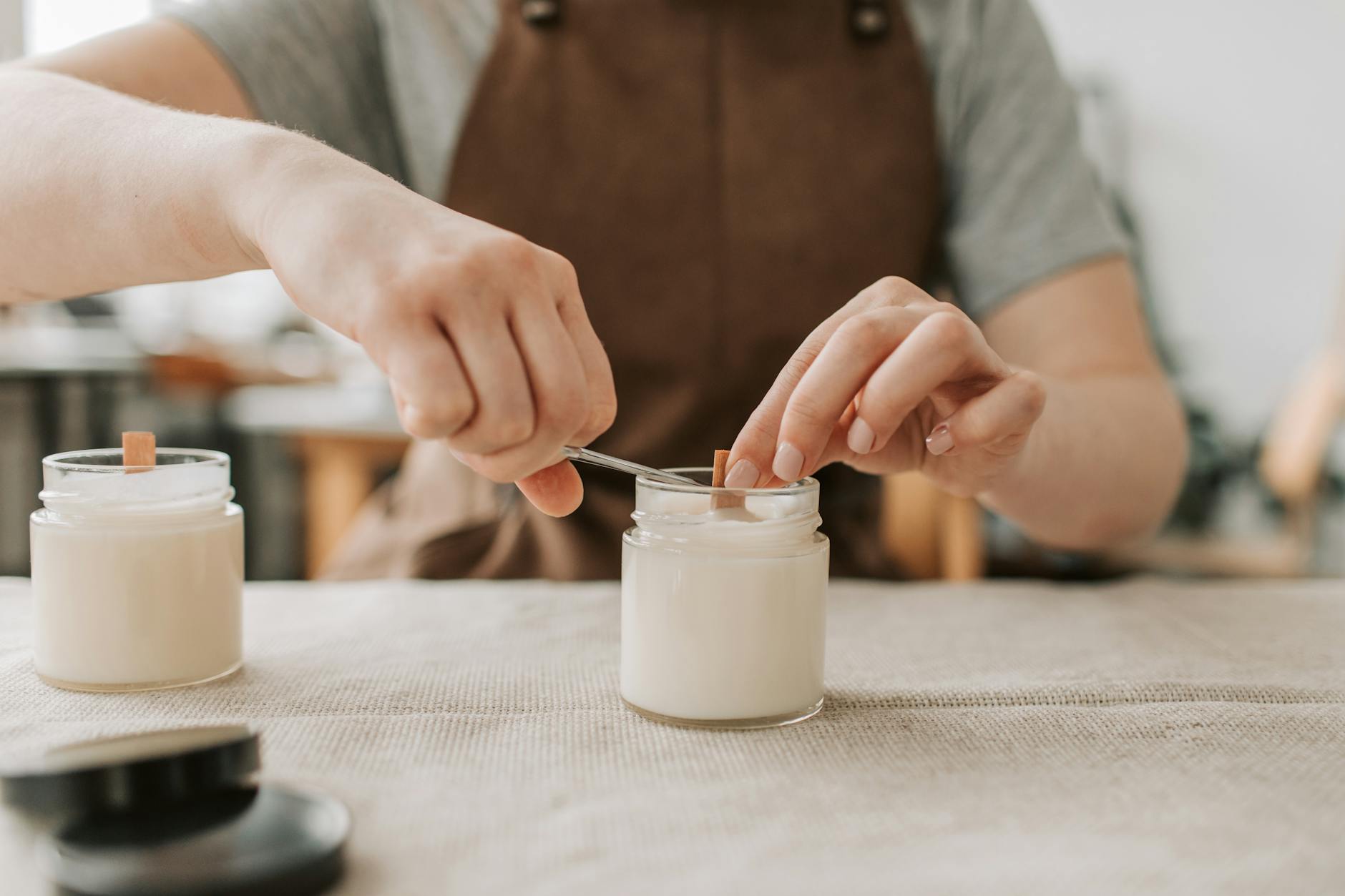
Why Essential Oils Beat Synthetic Fragrance Oil
Synthetic fragrance oil is what most commercial candles use and what most candle-making suppliers default-recommend. The reason: synthetic fragrance is engineered to be stable, strong, and cheap. It also contains phthalates (to make the scent last), formaldehyde-releasing preservatives, and somewhere between 50 and 3,000 separate chemicals legally hidden under the trade-secret word “fragrance.”
When a candle made with synthetic fragrance burns, those chemicals aerosolize into the air your family breathes. They bind to fabric in the room, then transfer to skin during contact. The toxic effect is universal — affecting men, women, children, and pets in the household. This isn’t a perimenopause-specific or hormone-specific concern. It’s a household chemical exposure that compounds with every burning hour.
Essential oils — actual extracted plant essences — don’t have this profile. They have therapeutic value at the small doses used in candles. Lavender supports sleep. Eucalyptus opens airways. Rosemary boosts focus. Each oil’s effect lands at the same time the scent does. The only thing essential oils don’t do well is replicate the artificial “Mountain Spring” or “Clean Linen” scents — because those don’t exist in nature.

The Three Inputs to Order Together
If you’re starting candle making with the non-toxic approach, three inputs cover the entire setup: soy wax, essential oils, and clean cotton wicks. Each is shown above with the brand I personally recommend. Add a thermometer (any kitchen thermometer works), a pour pitcher (or repurpose a thrift-store metal teapot), and small ceramic or glass vessels.
Cotton Wicks — Clean Burn
EricX Light Natural Cotton Candle Wicks (100 Pieces, 6 inch)

Source: amazon.com
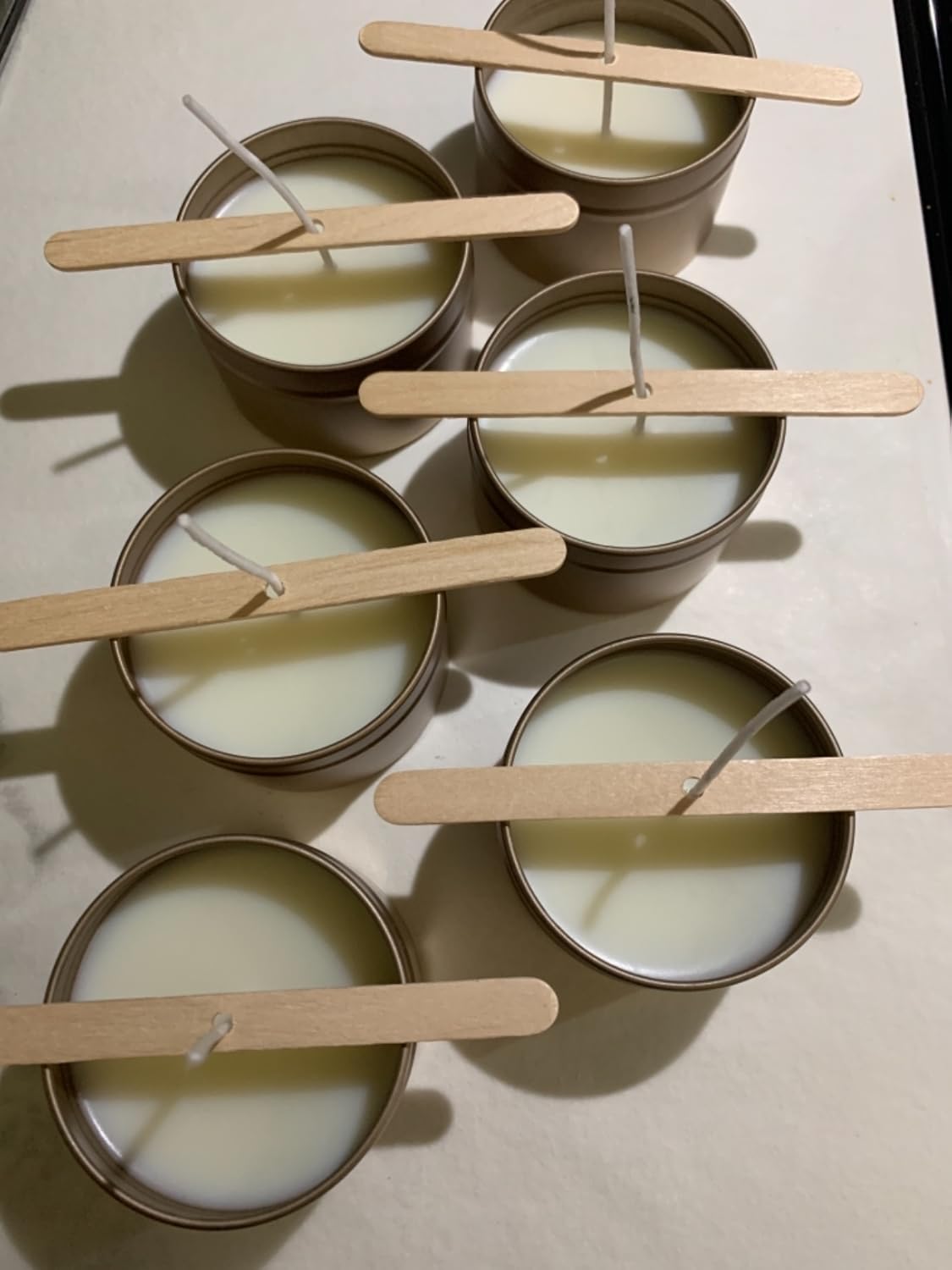
Pre-waxed natural cotton wicks, no lead, no zinc, low smoke. The third piece of any non-toxic candle. 6-inch length works for jars 2–4 inches tall; cut to size after pouring. Comes with metal sustainer tabs already attached. 100 wicks is enough for 50+ candles.
How to Measure Without a Kitchen Scale
Best practice: buy a $15 kitchen scale and weigh everything. The math above assumes weight measurements.
If you don’t have a scale, use this approximation for soy wax:
- 1 ounce by weight = approximately 1.1 fluid ounces by volume (for melted soy wax)
- 1 ounce of essential oil = approximately 30 milliliters or 600 drops
So for 16 oz of soy wax at 6 percent load: 0.96 oz of essential oil = approximately 29 milliliters or 580 drops. Volume-based measuring introduces small errors but works for hobby-scale candle making.
Strong Scent Throw vs Subtle Scent — When to Use Which
The temptation for beginners is to crank fragrance load to the maximum. Don’t. Higher load doesn’t always mean stronger throw — it can mean overpowering when the candle is lit, with a burnt note that signals the fragrance is degrading. The throw also depends on wick size, jar shape, and how the wax was poured.
For a typical 8 oz container candle in soy: 6 percent load with a properly sized wick produces excellent throw across an average living room. Save the 10 percent loads for makers experimenting with specific scent recipes that need extra push.
For Further Reading
If you’re cleaning up household toxic exposure broadly, the laundry-detergent angle is even more impactful than candles for most families — my Non Toxic Laundry Detergent Switch Guide covers the daily fabric-contact pathway that affects every member of the household. For the deeper toxic-load integration framework, the Toxic Load Reset walks through all five phases.
Disclosure: As an Amazon Associate, I earn from qualifying purchases. Product picks are what I personally use or have tested. The calculator above runs entirely in your browser — no data is sent anywhere — and the math is the same formula used by commercial candle makers.


