
Slippery elm for cat hairballs works because the herb forms a slick, soothing gel that helps swallowed fur slide through the digestive tract instead of getting stuck. A small daily dose, about 1/8 teaspoon of organic slippery elm bark powder mixed into wet food, often cuts hairball episodes within a week or two. It is gentle, food-grade, and safe for long-term use in most healthy cats.
Our family has had cats for over twenty years. The two we live with now are long-haired tuxedos who used to leave us “presents” on the rug every Saturday morning. The shift came when we paired daily brushing with a pinch of slippery elm and a switch to fresh food. The hairballs dropped from weekly to almost never.
Why Cats Get Hairballs in the First Place
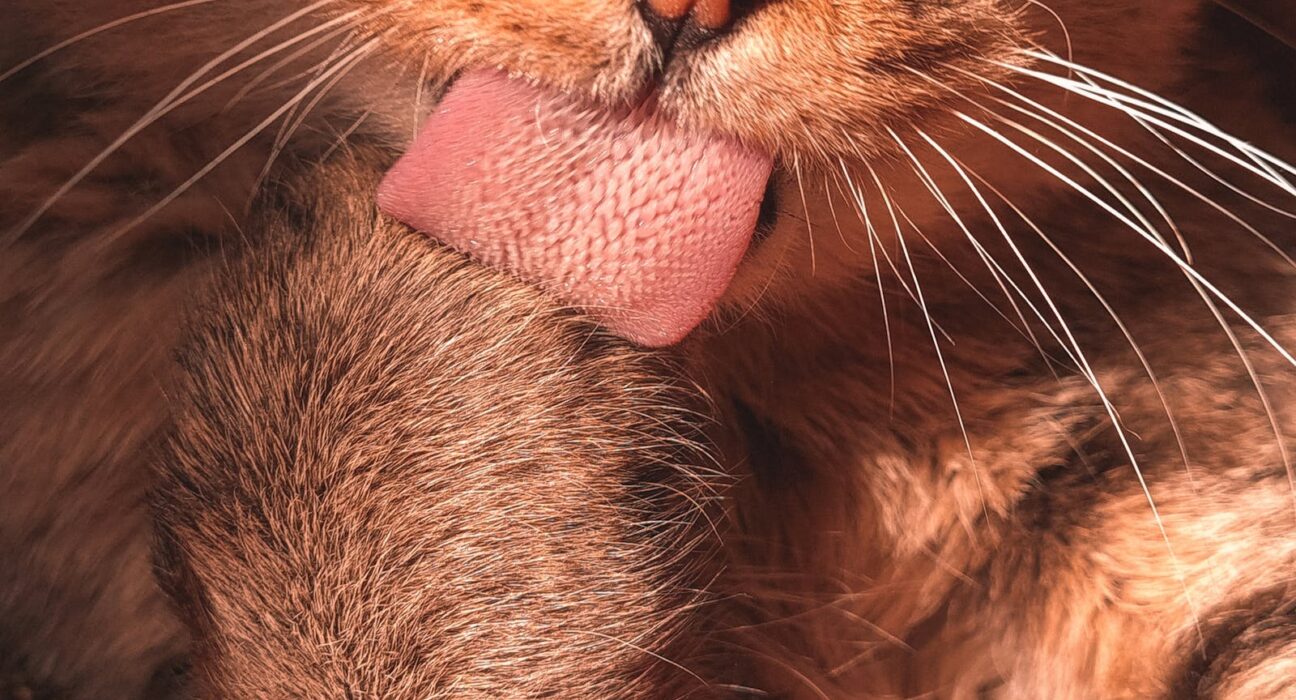
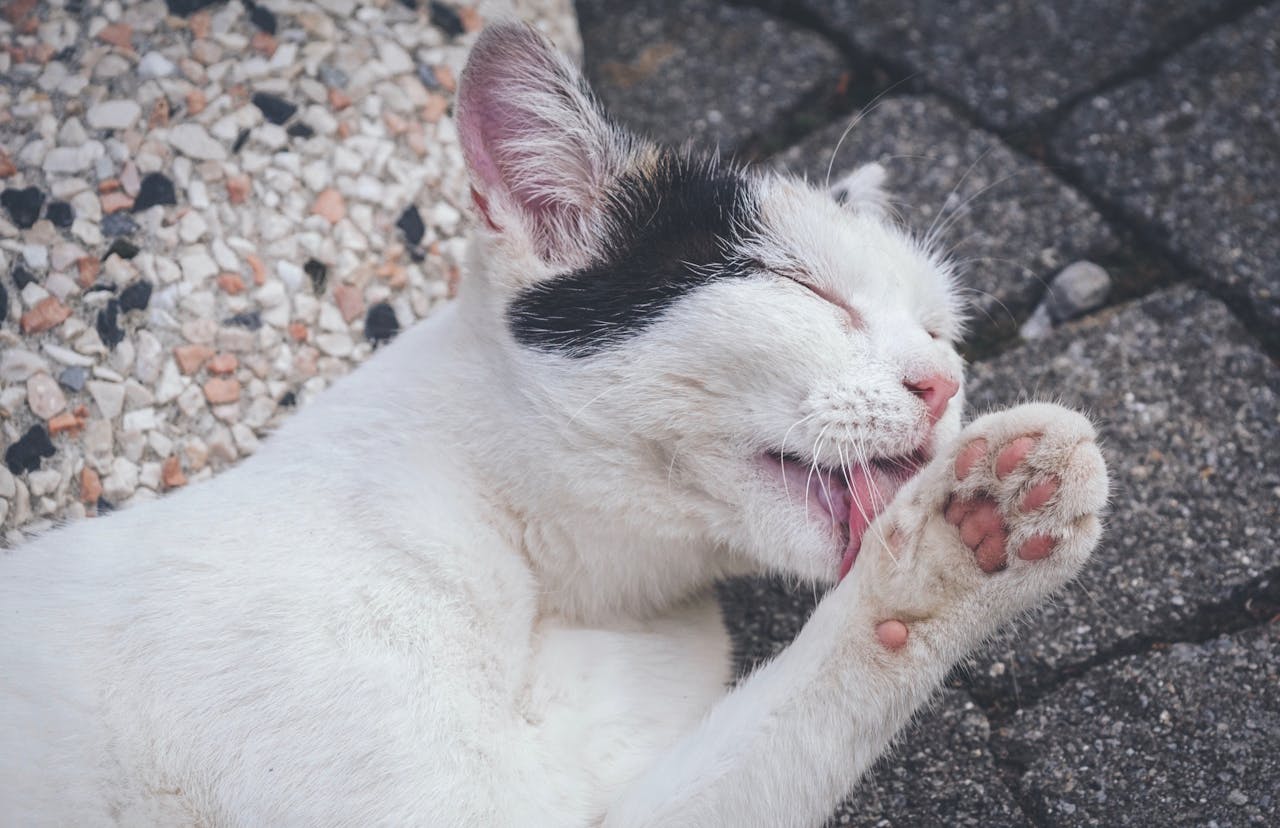
Cats spend up to 50 percent of their waking hours grooming. Their tongues are covered in tiny hook-shaped papillae that pull loose fur straight into the stomach. Most of that fur passes through the gut and out in the litter box. The problem starts when fur clumps together faster than the gut can move it, especially in long-haired cats, indoor cats, and senior cats with slower digestion.
The signs of a struggling cat include retching with no result, dry heaving, loss of appetite, constipation, and the classic hunched body and forward-stretched neck. Occasional hairballs are normal. More than twice a month is a signal to step in.
What Slippery Elm Bark Actually Does
Slippery elm (Ulmus rubra) is the inner bark of a North American tree, traditionally used by Indigenous communities for digestive complaints in both humans and animals. When mixed with water, the bark releases a thick mucilage. In the gut, this mucilage coats the lining, calms inflammation, and gives swallowed fur a slick surface to slide along.
Veterinary herbalists often recommend it for hairballs, mild diarrhea, constipation, gastritis, and irritable bowel conditions in cats. It is generally considered safe in food-grade doses for healthy cats and is not absorbed into the bloodstream, which makes it a low-risk addition to a daily routine.
Watch This First: Hairball Remedies That Actually Work
- Why petroleum-based hairball gels can backfire
- Food-based remedies that calm the gut
- The daily brushing schedule that prevents 80 percent of hairballs
- When a vet visit is actually needed
How to Use Slippery Elm for Cat Hairballs
Dose, Timing, and How to Mix It
The most commonly used dose for cats is 1/8 teaspoon of organic slippery elm bark powder per 10 pounds of body weight, once or twice a day. Mix it into a tablespoon of wet food or bone broth and stir until smooth. Give it 30 minutes before a meal, or with the meal itself, for the gentlest effect.
You can also make a small “syrup” by stirring 1/4 teaspoon of powder into 2 ounces of warm water, letting it thicken for a minute, then spooning 1 to 2 teaspoons of the cooled gel onto food. Store leftovers in the fridge for up to 24 hours. The gel loses potency after that.
Powder Form: The Most Affordable Option
Plain organic powder is the cheapest, most versatile way to use slippery elm. A 4 oz pouch lasts a 10 pound cat about 4 to 6 months at a daily dose. Look for USDA Organic, non-GMO, and a recent harvest date on the pouch.
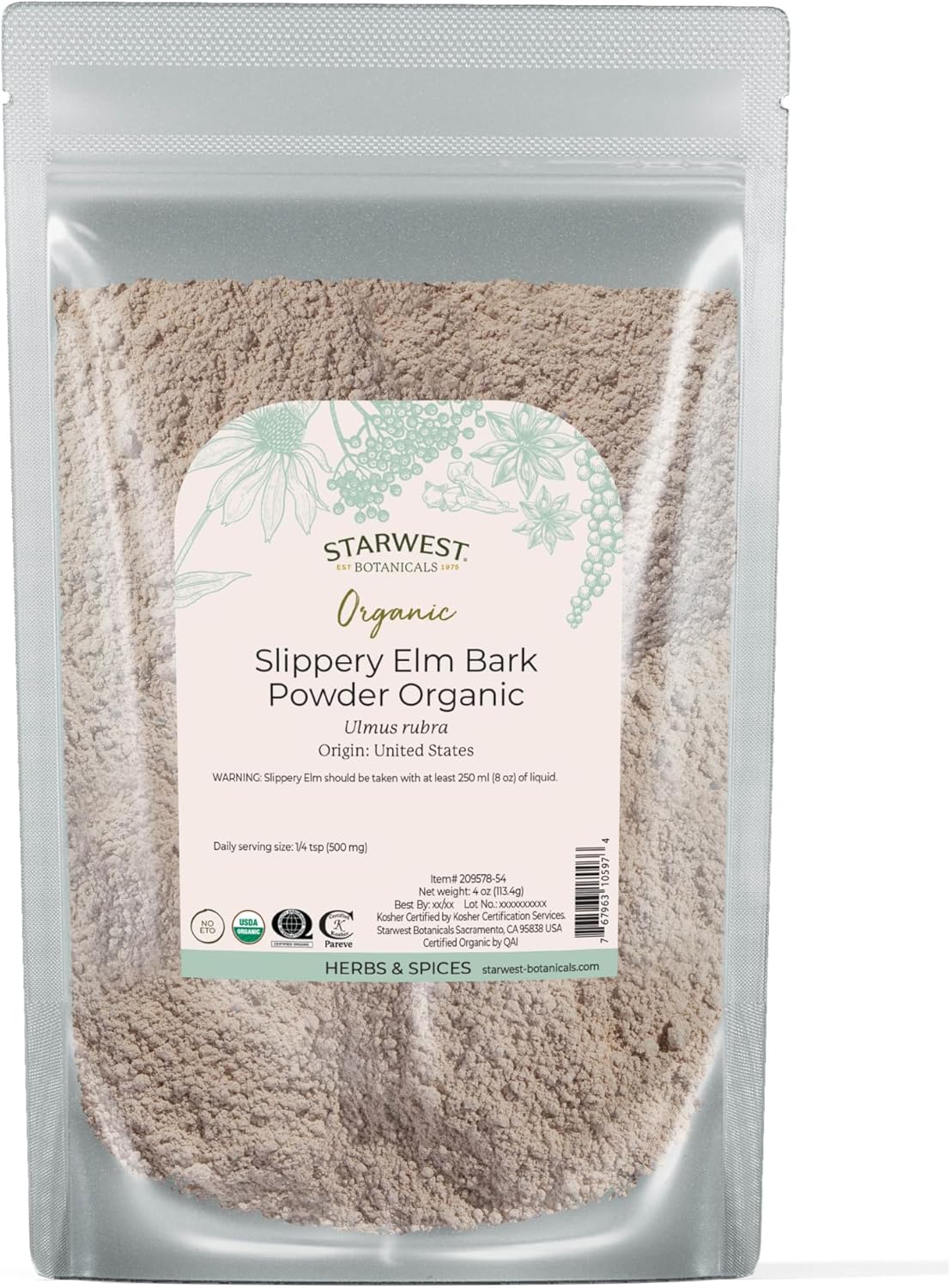
Starwest Botanicals Organic Slippery Elm Bark Powder
Source: amazon.com
USDA Organic, non-GMO slippery elm bark powder in a 4 oz resealable pouch, traditional herb-quality powder.
The Wellthie One Review
Starwest Botanicals Slippery Elm Attributes
- USDA Organic and non-GMO certified
- Pure inner-bark powder, no fillers, sweeteners, or anti-caking agents
- Resealable kraft pouch keeps the bark fresh for months
- Family-run California herb company with full lot traceability
This is the bag in our cat cabinet. The powder is fine and pale tan, smelling lightly of fresh hay. Both cats accept it stirred into bone broth or a spoon of their wet dinner without any fuss. One 4 oz pouch handles both cats for about three months and costs less than two hairball treats from the pet aisle. For dog families, our guide on slippery elm for dogs covers the same protocol scaled to canines.
Liquid Drops: Easiest for Picky Eaters
If your cat refuses any powder change to their food, an alcohol-free liquid extract is the next-best option. Organic glycerin tinctures from a trusted brand mix cleanly into water or food and bypass the texture issue entirely.
Animal Essentials Slippery Elm Liquid for Cats

Source: amazon.com
Organic herbal extract, alcohol-free, formulated for dogs and cats with sensitive digestion.
The Wellthie One Review
Animal Essentials Slippery Elm Liquid Attributes
- Certified organic slippery elm bark in a glycerin base
- Alcohol-free, safe for daily long-term use in cats
- 2 fl oz dropper bottle, easy to dose by drops
- Made by a long-standing veterinary herbal brand
This is the bottle we travel with. A few drops in the water dish or onto a spoon of wet food gets the same gut-coating effect as the powder, but without any mixing. The glycerin is slightly sweet, which cats tolerate better than expected. Per the label, start with 5 drops per 10 pounds, twice a day, and adjust based on stool quality and hairball frequency.
The Brushing Routine That Cuts Hairballs in Half
Slippery elm helps fur move through the gut. The fastest win, however, is making sure less fur reaches the gut in the first place. A two-minute daily brush removes the loose undercoat before your cat licks it down.
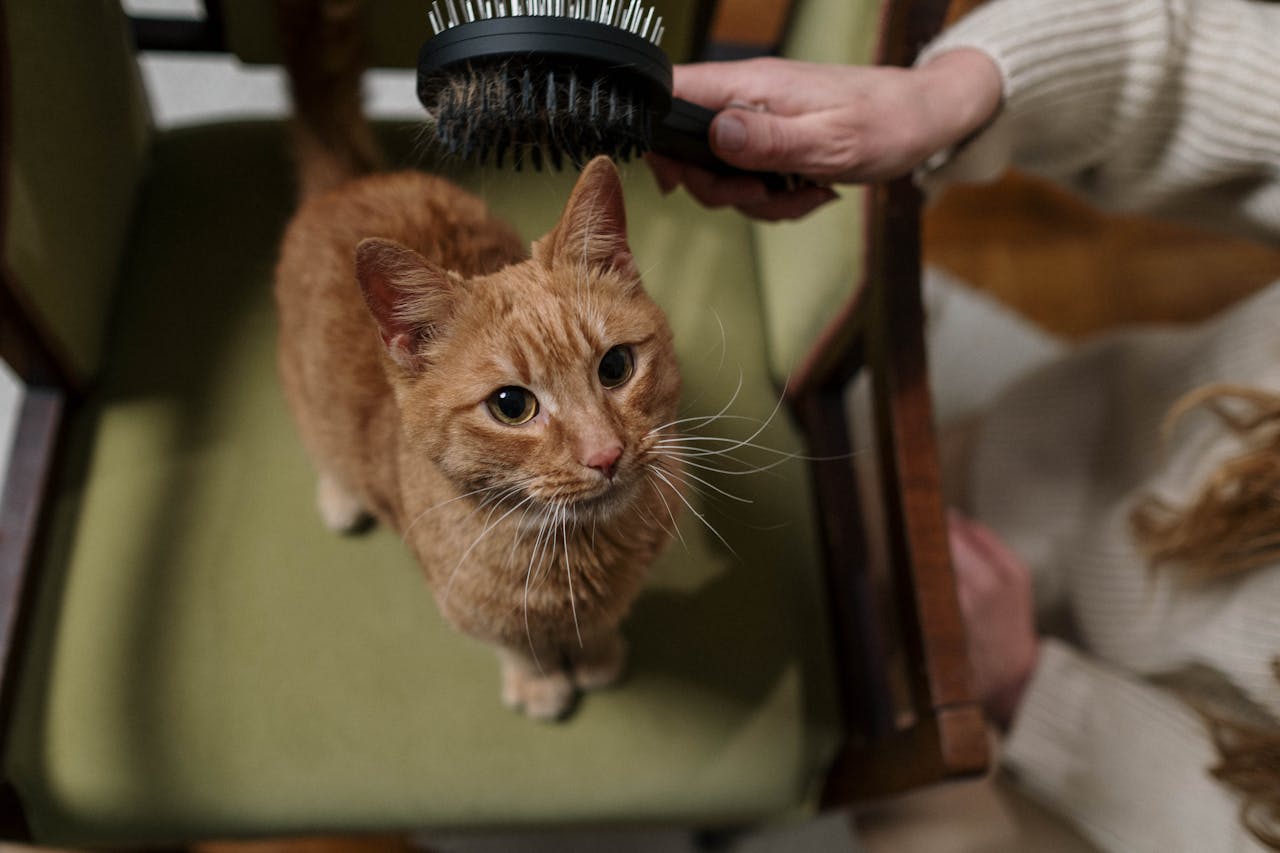
Short hair: a 2 to 3 inch grooming stone or rubber brush, 2 minutes a day. Long hair: a wide-tooth comb first, then a deshedding brush, 3 to 5 minutes a day during shedding season. Pair the brushing with a treat or a chin scratch and most cats start asking for it.
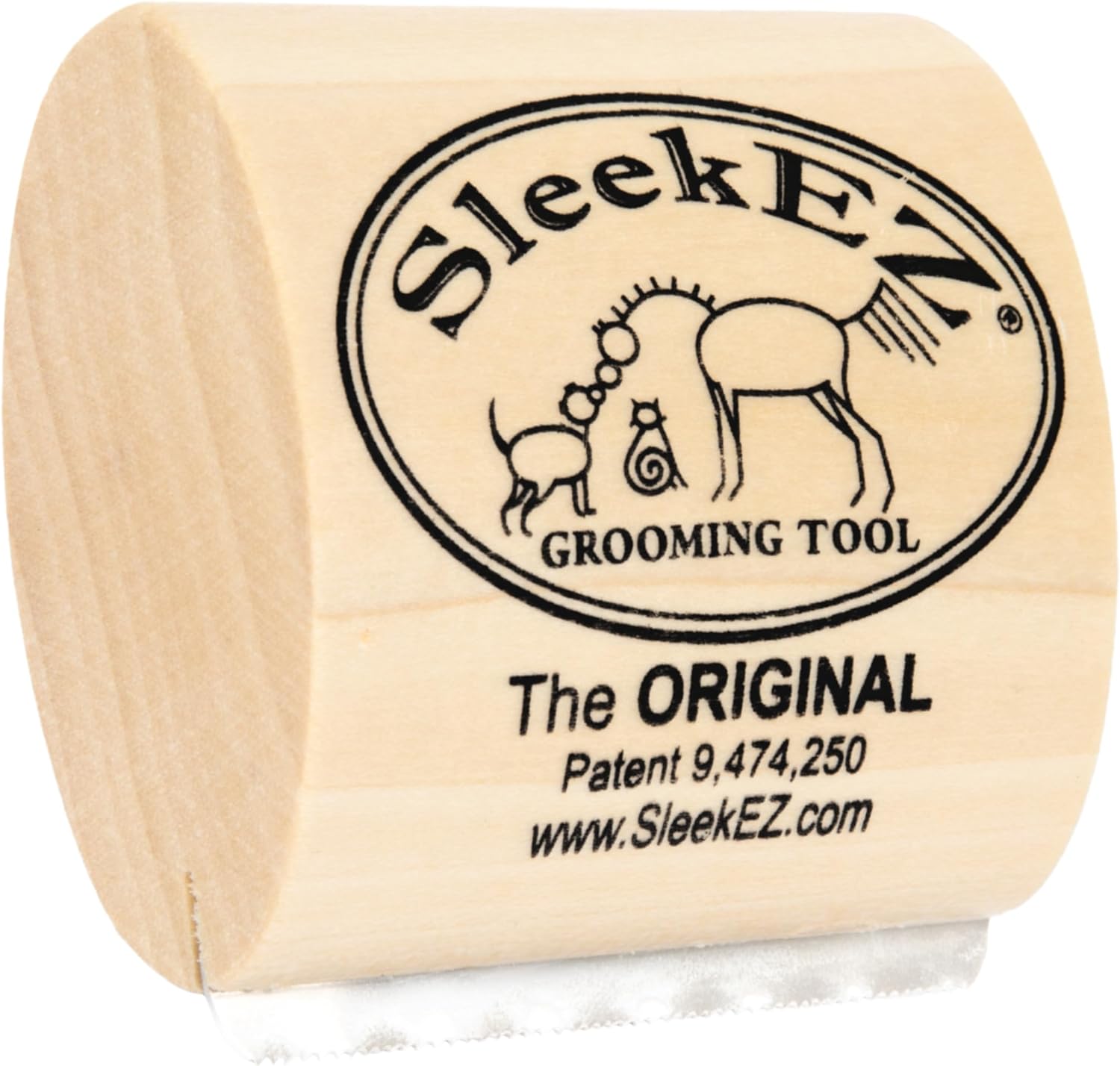
SleekEZ Cat Brush for Shedding
Source: amazon.com
Made-in-USA brush with a serrated stainless edge that pulls dead undercoat without irritating sensitive cat skin.
The Wellthie One Review
SleekEZ Brush Attributes
- 2.5 inch brush head, ideal for cats of all sizes
- Hand-fitted wood handle for a no-slip grip
- Works on short and long hair without irritating skin
- Made in the USA with a lifetime workmanship guarantee
The SleekEZ is gentler than a Furminator blade and our cats actually purr through the routine. After a single pass under each arm and along the back, we usually pull enough fur for a small bird’s nest. Less of that fur ends up in the stomach, which means less slippery elm is needed in the long run.
Other Daily Habits That Help
Hydration: A Cat That Drinks More, Vomits Less
Most cats are chronically under-hydrated, which slows the gut and lets fur build up. A small water fountain often doubles or triples daily intake. Adding a tablespoon of warm bone broth to dinner is another easy win. Our guide on how to get a cat to drink more water walks through the simple swaps that finally work.
Wet Food Over Kibble
Wet food is roughly 75 percent moisture compared to 10 percent for kibble. Cats on a wet diet pass more fur in the litter box and vomit less often. Even shifting one meal a day from dry to wet makes a measurable difference within two weeks.
Real Bone Broth as a Daily Topper
Bone broth supports the gut lining with collagen and amino acids, and adds extra fluid at the same time. A tablespoon over dinner is enough. For homemade and store-bought options safe for cats, see bone broth for cats.
Less Stress, Less Overgrooming
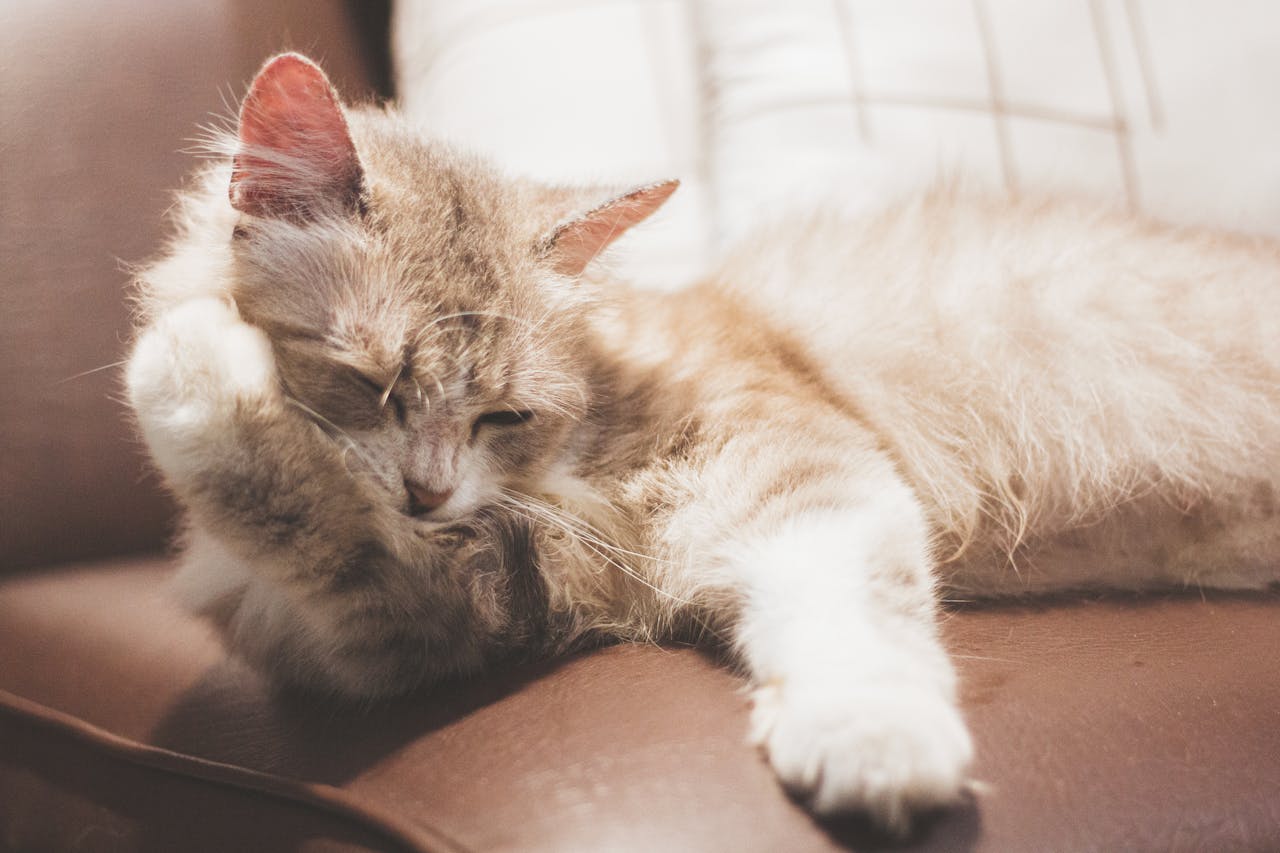
Anxious cats groom more, and more grooming means more fur in the gut. Window perches, a Feliway diffuser, and consistent feeding times calm overgrooming behavior. So does a quieter household with predictable routines.
Safety, Side Effects, and When to Call the Vet
Slippery elm is considered very safe in food-grade doses. The mucilage coats the gut, so it can slow the absorption of medications taken at the same time. If your cat is on prescription drugs, separate slippery elm doses from medication by 2 hours.
Skip slippery elm and call a veterinarian quickly if your cat shows any of the following:
- Repeated vomiting (3+ times in 12 hours) with no hairball produced
- Loss of appetite lasting more than 24 hours
- Hard belly, hunched posture, or hiding
- Constipation lasting longer than 48 hours
- Blood in vomit or stool
These can signal a true intestinal blockage that needs imaging, fluids, or surgery. Slippery elm is for prevention and gentle support, not for treating an emergency.
Frequently Asked Questions
How much slippery elm can I give my cat per day?
Most herbalists suggest 1/8 teaspoon of powder per 10 pounds of body weight, once or twice daily, mixed into food or bone broth. Start at the lower end and adjust based on stool quality.
How long until I see fewer hairballs?
Most cats show fewer hairballs within 7 to 14 days of daily slippery elm, daily brushing, and a wet-food meal added in. Long-haired cats may take 3 to 4 weeks to fully reset.
Can kittens have slippery elm?
Kittens under 4 months should not need slippery elm. For older kittens, halve the dose and only use under guidance from a holistic vet.
Does slippery elm replace prescription hairball gels?
For most healthy cats, yes. The gel-style hairball remedies typically use petroleum jelly as a lubricant, which can interfere with vitamin absorption over time. Slippery elm is a gentler, food-based alternative.
Is slippery elm safe long-term for cats?
Most veterinary herbalists consider daily slippery elm safe for years. Take a one-week break every 6 to 8 weeks just to confirm hairballs are not returning when you pause it. If they are, restart the routine.
Affiliate disclosure: As an Amazon Associate, The Wellthie One earns from qualifying purchases. We only recommend products we have used or carefully researched. This content is for educational purposes only and is not veterinary medical advice. Always talk with your veterinarian before starting a new supplement, especially if your cat has an existing condition or is on prescription medication.


