

Why Sardines Are Good for Dogs
Sardines are one of the most nutrient-dense foods you can add to your dog’s diet. These small fish are packed with omega-3 fatty acids, protein, and essential vitamins. Many holistic veterinarians recommend sardines as a simple food topper for dogs of all ages and sizes.

Unlike larger fish like tuna or swordfish, sardines sit low on the ocean food chain. This means they accumulate far less mercury and other heavy metals. That makes sardines one of the safest fish options for regular feeding.
The omega-3 fatty acids in sardines, specifically EPA and DHA, support your dog’s skin, coat, joints, heart, and brain health. These are the same beneficial fats found in expensive fish oil supplements, but sardines deliver them in whole-food form.
Nutritional Benefits of Sardines for Dogs
A single sardine provides a surprising amount of nutrition. Here is what your dog gets from this tiny fish.
Omega-3 fatty acids reduce inflammation throughout the body. This may help dogs with itchy skin, stiff joints, or seasonal allergies. Studies published in the Journal of Veterinary Internal Medicine suggest that omega-3 supplementation improves skin and coat quality in dogs.
Sardines also provide high-quality protein that supports muscle maintenance. For senior dogs losing muscle mass, sardines offer an easy protein boost on top of regular meals.
Vitamin D in sardines helps regulate calcium and phosphorus absorption. Vitamin B12 supports nervous system function and red blood cell production. Coenzyme Q10, also found in sardines, may support heart health in older dogs.
- The specific omega-3 benefits of sardines for senior dogs and joint support
- How sardines compare to other fish and fish oil supplements for dogs
- Proper serving sizes and frequency for different dog breeds and ages
- Which types of canned sardines are safest for dogs and which to avoid
How to Choose the Right Sardines for Your Dog
Not all canned sardines are safe for dogs. The wrong type can cause stomach upset or contain harmful additives. Here is what to look for.
Always choose sardines packed in water with no added salt. Sardines in oil add unnecessary fat and calories. Sardines in tomato sauce or mustard contain seasonings that may upset your dog’s stomach.

Check the ingredient list. It should say sardines and water. Nothing else. Avoid brands that add garlic, onion powder, or other seasonings. These ingredients are toxic to dogs.
Wild-caught sardines are preferred over farmed because they tend to have higher omega-3 levels and fewer contaminants. Look for brands that mention wild-caught on the label.
A Trusted Sardine Brand for Dog Owners
Finding sardines packed in plain water at a fair price can take some searching. This brand checks every box: wild-caught, packed in water, no added salt, and available in a bulk pack so you always have some on hand.
Ocean Prince Sardines in Water (Pack of 12)

Source: amazon.com
Wild-caught sardines packed in water, 4.25 oz cans, 12-pack
The Wellthie One Review
Ocean Prince Sardines are a reliable choice for dog owners who want a clean, simple product. The ingredient list is just sardines and water. The 12-pack format keeps the per-can cost low, which matters when you are feeding sardines regularly. Each 4.25-ounce can contains enough for several servings depending on your dog’s size. The cans store easily in a pantry and have a long shelf life.
Ocean Prince Sardines Attributes
- Packed in water with no added salt or oil
- Wild-caught for higher omega-3 content
- 12-pack for convenient bulk buying
- Non-GMO verified and kosher certified
How Much Sardine to Feed Your Dog
Serving size depends on your dog’s weight. Too many sardines can add excess calories or cause loose stools. Start small and increase gradually.
For small dogs under 20 pounds, feed half a sardine two to three times per week. Medium dogs between 20 and 50 pounds can have one to two sardines per serving. Large dogs over 50 pounds can handle two to three sardines at a time.

Feed sardines two to three times per week, not daily. While sardines are healthy, they should complement your dog’s regular diet rather than replace it. Think of them as a nutrient-dense topper.
When introducing sardines for the first time, start with a quarter of a sardine mixed into your dog’s regular food. Watch for any digestive changes over 24 hours before increasing the amount.
Supplement the Days Between Sardine Meals
On days when you do not serve sardines, a quality fish oil supplement keeps the omega-3 benefits consistent. This liquid formula absorbs quickly and mixes right into your dog’s kibble or wet food.
Native Pet Omega 3 Fish Oil for Dogs

Source: amazon.com
Wild Alaskan salmon oil, 8 oz liquid pump, supports skin, coat, and joints
The Wellthie One Review
Native Pet Omega 3 Fish Oil is made from wild-caught Alaskan salmon and pollock. The liquid pump makes dosing easy. Just press the top directly onto your dog’s food. It absorbs faster than capsule-based supplements, which means your dog gets the EPA and DHA more efficiently. The 8-ounce bottle lasts weeks for most dogs, and the seafood flavor is one that most dogs enjoy.
Native Pet Omega 3 Fish Oil Attributes
- Wild-caught Alaskan salmon and pollock oil blend
- Liquid pump for easy, mess-free dosing
- Supports skin, coat, joints, and heart health
- Vet-developed formula with omega 3, 6, and 9
How to Serve Sardines to Your Dog
Serving sardines is simple, but a few tips make the process smoother and safer.
Open the can and drain the water. Break the sardines into small pieces with a fork. Mix the pieces into your dog’s regular kibble or wet food. The smell alone will get most dogs excited about mealtime.
You can also mash the sardines into a paste and spread it on a lick mat for mental enrichment. Freezing mashed sardines in a silicone mold creates a cool treat for hot days.
Store any unused sardines from an opened can in a sealed container in the refrigerator. Use them within two days. Do not leave opened sardines at room temperature for more than an hour.
Slow Down Fast Eaters at Sardine Mealtime
Some dogs get so excited about sardines that they gulp everything down without chewing. A slow feeder bowl helps prevent choking and improves digestion by forcing your dog to eat at a healthier pace.
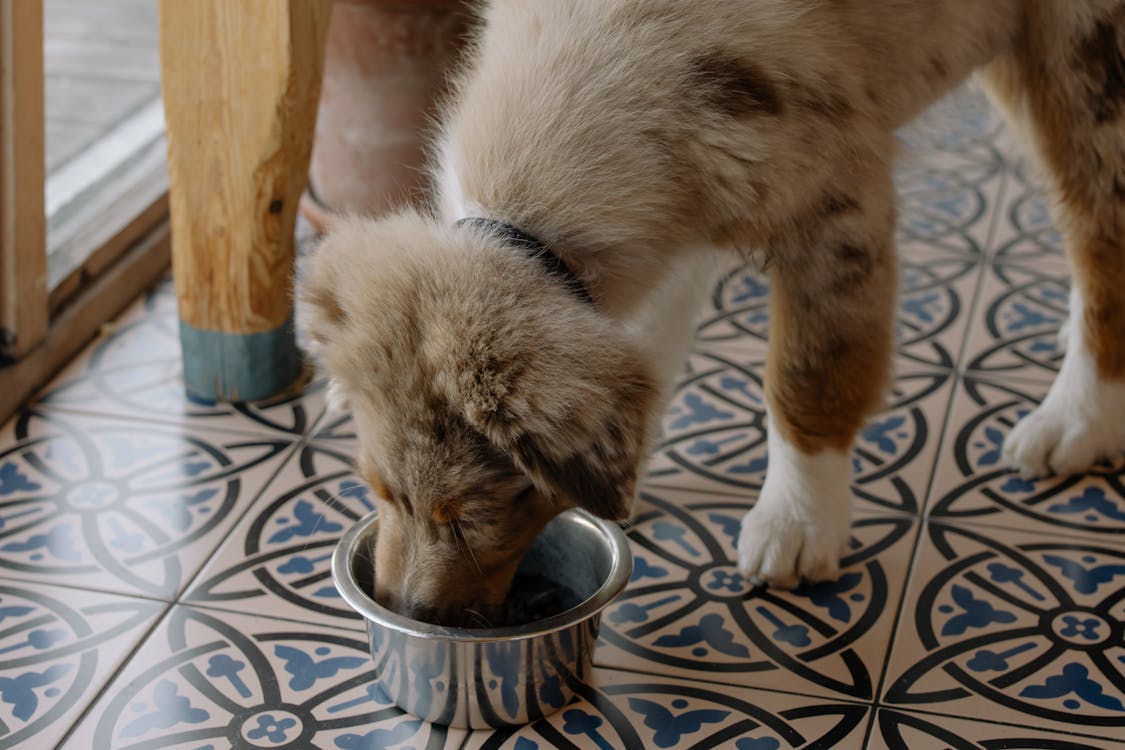
Kactoily 304 Stainless Steel Slow Feeder Dog Bowl

Source: amazon.com
304 stainless steel, non-slip base, raised ridge design, dishwasher safe
The Wellthie One Review
The Kactoily Slow Feeder is built from food-grade 304 stainless steel, which is much more durable and hygienic than plastic alternatives. The raised ridge design forces dogs to work around obstacles to reach their food, naturally slowing their eating speed. This is especially helpful when serving sardine toppings, since the strong smell can cause dogs to eat faster than usual. The non-slip rubber base keeps the bowl in place even with enthusiastic eaters.
Kactoily Slow Feeder Bowl Attributes
- 304 stainless steel resists rust, scratches, and bacteria buildup
- Raised ridge design slows eating by up to 80 percent
- Non-slip rubber base prevents sliding during meals
- Dishwasher safe for easy cleaning after sardine meals
When to Avoid Sardines for Dogs
While sardines are safe for most dogs, there are a few situations where you should skip them or check with your vet first.
Dogs with pancreatitis or fat-sensitive conditions should avoid sardines because of their natural oil content. Even sardines in water contain some fat from the fish itself.
Dogs on prescription diets should not get sardine toppings without vet approval. The added nutrients could throw off a carefully balanced therapeutic diet.
If your dog has a known fish allergy, sardines are obviously off the table. Signs of fish allergy include itching, hives, vomiting, or diarrhea after eating fish products.
For more ways to boost your dog’s diet with whole food toppers, check out our guide on salmon oil for dogs and how omega-3 fatty acids support skin, coat, and joint health.
Disclosure: This post contains affiliate links. If you click through and make a purchase, we may earn a small commission at no extra cost to you. We only recommend products we believe in.


