

Bromelain for sinus congestion is one of the simplest natural remedies most people have never heard of. It is a group of protein-digesting enzymes pulled from the stem of the pineapple plant, and a small body of clinical research suggests it may help thin mucus, calm sinus inflammation, and ease pressure in the face. I started paying attention to bromelain during a brutal allergy week last spring when nothing else was touching the swollen, stuffy feeling between my cheekbones.
I want to be upfront. I am not a pill-taker by default. I am a natural-first experimenter who would rather chew on a chunk of fresh pineapple than reach for a chemical decongestant. Bromelain fit that bias, and after a few weeks of pairing it with my regular nettle tea and quercetin routine, I started recommending it to anyone who would listen.
Why I Stopped Reaching for the Pharmacy Aisle
Here in Huntington Beach, allergy season hits hard in spring. Eucalyptus, jacaranda, and a fine layer of ocean dust kick my sinuses into a slow simmer for weeks. Two springs ago I tried the standard route. Decongestant pills made me jittery and dried me out so badly I could not sleep. Nasal sprays gave me a strange rebound stuffiness within days.
I went looking for something gentler. The trail led me to enzyme therapy and a handful of small clinical trials on bromelain for sinusitis. The science was modest but encouraging. The personal results, after a few weeks of consistent use, were better than I expected.

What Is Bromelain, Really?
Bromelain is a mix of proteolytic enzymes, meaning enzymes that break down proteins. The pineapple plant produces it in the stem and, in smaller amounts, in the fruit. Supplement makers extract and concentrate it for capsules.
The strength is measured in GDU per gram (gelatin digesting units). Most quality bromelain supplements list 2,400 GDU/g or higher on the label. Stronger blends reach 3,600 GDU/g. Higher GDU does not always mean better, but it is the easiest way to compare two bottles side by side.
Bromelain is also one of the few enzyme supplements with a real research footprint. It has been studied for digestion, post-surgery swelling, joint comfort, and yes, sinus and respiratory inflammation. A 2005 review in the journal Alternative Medicine Review walks through the published trials in detail if you want to dig into the source data.
How Bromelain May Help With Sinus Congestion
The proposed mechanisms are simple. Bromelain may thin the thick mucus that pools in the sinus cavities. It may calm the inflammatory response that swells the tissue lining your nose. And it may break down the bradykinin pathway that drives some sinus pain. None of these are huge effects on their own. Stack them together and you may notice clearer breathing within a few days.
A widely cited study from a German ENT group gave bromelain to children with acute sinusitis. The bromelain group cleared symptoms faster than the placebo group. Adult studies have been smaller and more mixed, but the safety profile is excellent and the cost is low, which is why many integrative practitioners still suggest it as a first-line option.
What you will learn in this video:
- Why bromelain is considered a key nutrient for sinusitis support
- How the enzymes work to thin mucus and ease pressure
- Practical dosing notes for adults dealing with congestion
- How bromelain pairs with other natural sinus tools like steam and quercetin
The Bromelain I Reach For First
If you only buy one bottle to test, I would start with a clean, single-ingredient bromelain at 500 mg per capsule and 2,400 GDU/g or higher. That is the dose used in most adult studies. The bottle below is the one that lives in my supplement basket most months.
NOW Foods Bromelain 500 mg, 2,400 GDU/g

Source: amazon.com
120 vegetarian capsules, family-owned NOW Foods, third-party tested
The Wellthie One Review
NOW Foods Bromelain 500 mg Attributes
- 500 mg per capsule, 2,400 GDU/g potency
- 120 vegetarian capsules per bottle, easy on the stomach
- Single-ingredient formula, no fillers or proprietary blends
- Family owned, US-based brand operating since 1968
This is the bottle I started with and the one I keep restocking. NOW Foods runs a clean supply chain, the GDU rating is honest, and the price per capsule is friendly enough that I do not flinch at a 60-day trial. I take one capsule on an empty stomach in the morning during allergy weeks, then a second one mid-afternoon if my sinuses are still heavy. Within four or five days, the pressure behind my cheekbones eases.

How Much Bromelain Should You Take for Sinus Congestion?
Most adult studies use 200 to 500 mg of bromelain, two to three times a day, taken away from food. Empty stomach matters. If you take bromelain with a protein-heavy meal, the enzymes work on the food instead of getting absorbed for systemic effects.
I keep my own routine simple. One 500 mg capsule with a glass of water first thing in the morning. A second capsule in the afternoon during a flare. I do not take bromelain every single day, only during congested stretches. Some people take it long term for joint or post-workout recovery, which is a different goal and may need a different schedule.
If you bruise easily, take blood thinners, or are scheduled for surgery, talk with your healthcare provider before starting bromelain. It can mildly thin the blood. That is not usually a problem at supplement doses, but it is worth a heads up.
Stacking Bromelain With Other Natural Tools
Bromelain works better in combination than alone. The most well-known pairing is bromelain with quercetin, a plant flavonoid that calms histamine release. Quercetin is hard for the body to absorb on its own. Bromelain helps unlock it. Many supplement brands sell the two together for exactly this reason.
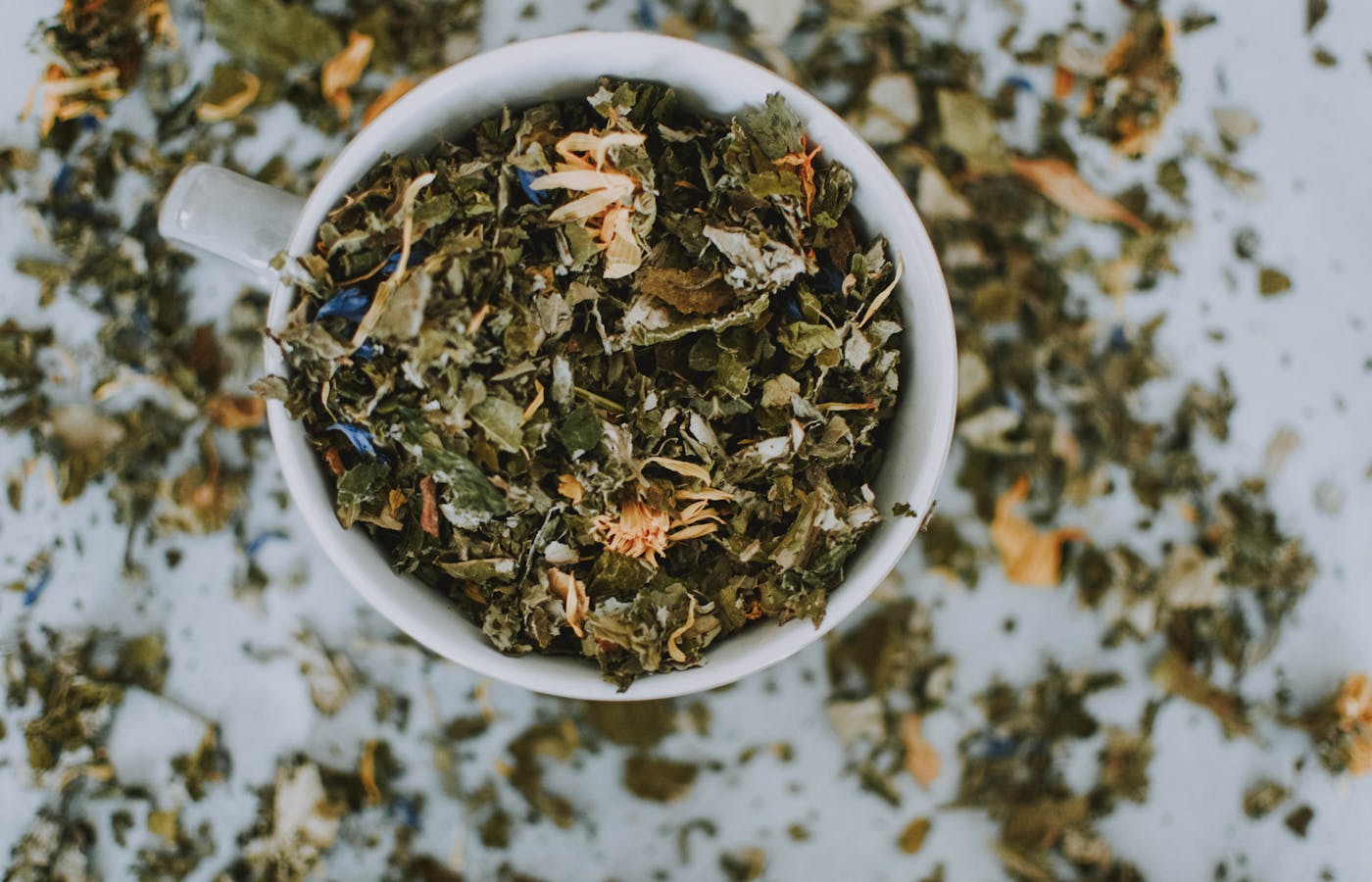
I have written about quercetin in detail over in my quercetin for seasonal allergies guide, and I keep nettle tea brewing on my counter during peak pollen weeks. The three together, plus a saline rinse and an honest amount of sleep, are my full spring protocol.
ForestLeaf Quercetin with Bromelain 1,350 mg Blend

Source: amazon.com
Quercetin 500 mg + bromelain + vitamin C + stinging nettle, 90 vegetarian capsules
The Wellthie One Review
ForestLeaf Quercetin with Bromelain Attributes
- 500 mg quercetin paired with bromelain in every serving
- Includes 500 mg stinging nettle leaf and 200 mg vitamin C
- USA made, Non-GMO, vegetarian, free from dyes and preservatives
- 90 capsules, all-in-one allergy season support
I keep this combo on hand for the weeks when my whole sinus system is reacting, not just stuffy. The stinging nettle is a quiet bonus. It is one of the oldest natural antihistamines on the planet, and the quercetin and bromelain duo gets the headlines for a reason. One capsule covers a lot of ground in a single swallow.
For the Folks Who Want Maximum Potency
If you have already tested a basic 2,400 GDU bromelain and want a stronger version, a higher GDU rating is the next step. Toniiq makes a 3,600 GDU per gram capsule that I have tested for shorter, more intense allergy flares. The same 500 mg dose with a stronger enzyme load can move the needle faster.
Toniiq Ultra High Strength Bromelain 500 mg, 3,600 GDU/g

Source: amazon.com
120 vegetarian capsules, third-party tested, US made
The Wellthie One Review
Toniiq Bromelain Attributes
- 3,600 GDU/g, double the potency of standard bromelain
- 500 mg per capsule, 120 servings per bottle
- Third-party tested for purity and active ingredient levels
- Sourced from non-GMO pineapple, vegetarian capsules
This is the bottle I bring out for the worst weeks, when even strong tea and steam are not enough. The high GDU rating is the differentiator. I do not need it daily, but when I do need it, the difference shows up faster than the standard strength.
What Bromelain Is Not
Bromelain is not a magic decongestant pill. It will not unblock a fully infected sinus the way an antibiotic might if you have a bacterial infection. It is a slow, steady support that works best as part of a routine. If you have green nasal discharge, fever, or pain that lasts more than ten days, see a doctor.
And it is not a replacement for the basics. Hydration, steam, sleep, allergen avoidance, and a clean diet still carry most of the load. Bromelain is the helpful sidekick that lets the rest of the protocol work better.
Can You Just Eat Pineapple Instead?
Sort of. Fresh pineapple does contain bromelain, but the highest concentration sits in the stem, not the yellow flesh you eat. A cup of pineapple chunks delivers a small fraction of the bromelain in a single capsule. You also have to eat it on an empty stomach, which is hard to do for most adults.
If you love pineapple, eat it. The vitamin C alone is worth it. Just do not expect the same effect as a 500 mg standardized capsule. For consistent sinus support, the supplement is the more reliable lever.

My Two-Week Bromelain Trial
If you want to test bromelain on yourself, here is the simple two-week routine I suggest to friends. Day one through fourteen, take 500 mg first thing in the morning on an empty stomach with a tall glass of water. Note your sinus pressure on a scale of one to ten in a notebook before bed. Add a second 500 mg dose at three in the afternoon during heavy days.
Pair it with five minutes of steam over a bowl of hot water once a day. Drink at least sixty-four ounces of water. Skip dairy if it makes you congested (this is true for me) and add a daily nettle tea or herbal infusion. Two weeks is enough time to know whether bromelain is doing real work for you. If your numbers drop by even two points, that is meaningful.
For a deeper layered approach to whole-body inflammation that often shows up alongside sinus issues, I have a guide on mullein tea for lung health that pairs well with this routine when respiratory crud is part of the picture.
The Bottom Line
Bromelain is a quiet, well-studied, low-cost natural tool that may help with sinus congestion when used as part of a real routine. It is not a quick fix and it is not a substitute for the work of cleaning up your environment, your diet, and your sleep. It is a sidekick. A good one. The kind of natural-first option I reach for before I ever consider a chemical decongestant.
Try a clean 500 mg bottle, give yourself two weeks of consistent use, and pay attention to whether your face feels lighter in the morning. If it does, you have found a new staple for your supplement basket.
This post may contain affiliate links, which means we may receive a small commission, at no cost to you, if you make a purchase through a link.


