
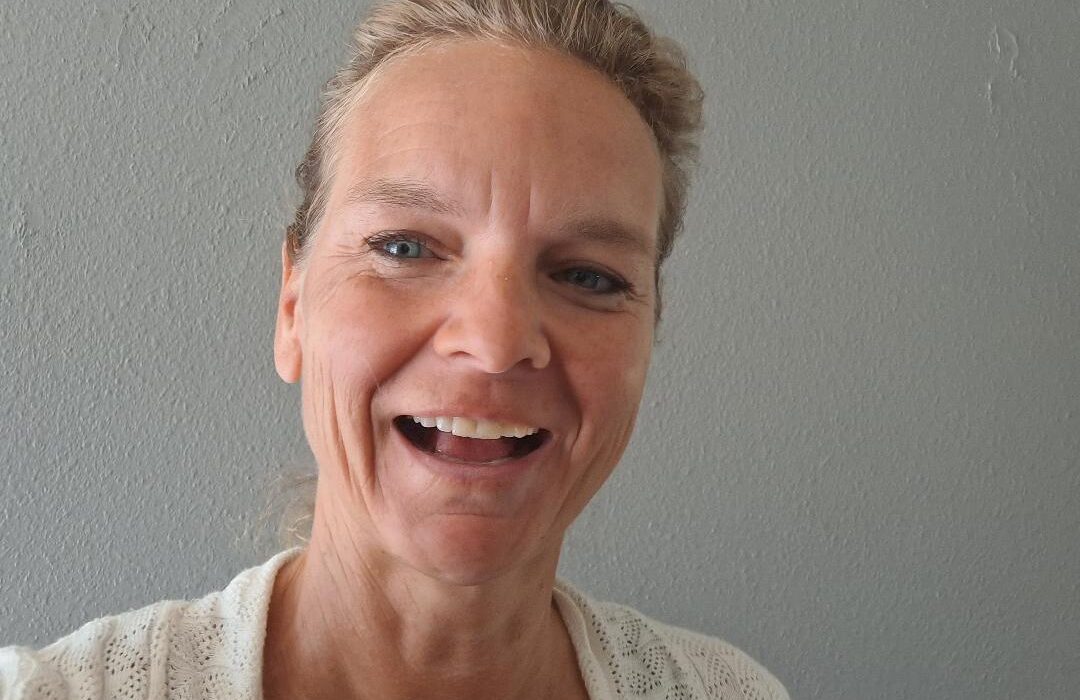
I asked my dentist a question once, years ago. I had told him, more than once, that I didn’t want fluoride treatments for me or for my kids. Every single visit he’d offer them anyway, like it was on a script, like his hand automatically reached for the upsell the second he sat down. I’d say no. Next visit, same thing.
So this one time I just looked at him and said: “Do you give your own children fluoride treatments? Do you use fluoride toothpaste at home with them?”
He looked down at the floor. He said, “No.”
I said, “Then remember to treat my family the same.”
I stopped going shortly after that. The last straw was everything around it. Gums that had started receding. Tools getting shoved under my gumline every cleaning. Leaving appointments with tender, raw gums and being told I’d probably need surgery eventually because, just so I knew, gums don’t grow back. When I asked if there was any natural way to help them heal, they basically laughed me out of the room.
Here’s the thing about fluoride: anything where people need a hazmat suit to handle the raw material is not something I’m going to volunteer to put in my mouth. Or my kids’ mouths. My kids are 18 now, and the same practice is still trying to sell fluoride to them directly, going around me. It feels like a racket. My healthy teeth don’t pay his mortgage.
Key Takeaways
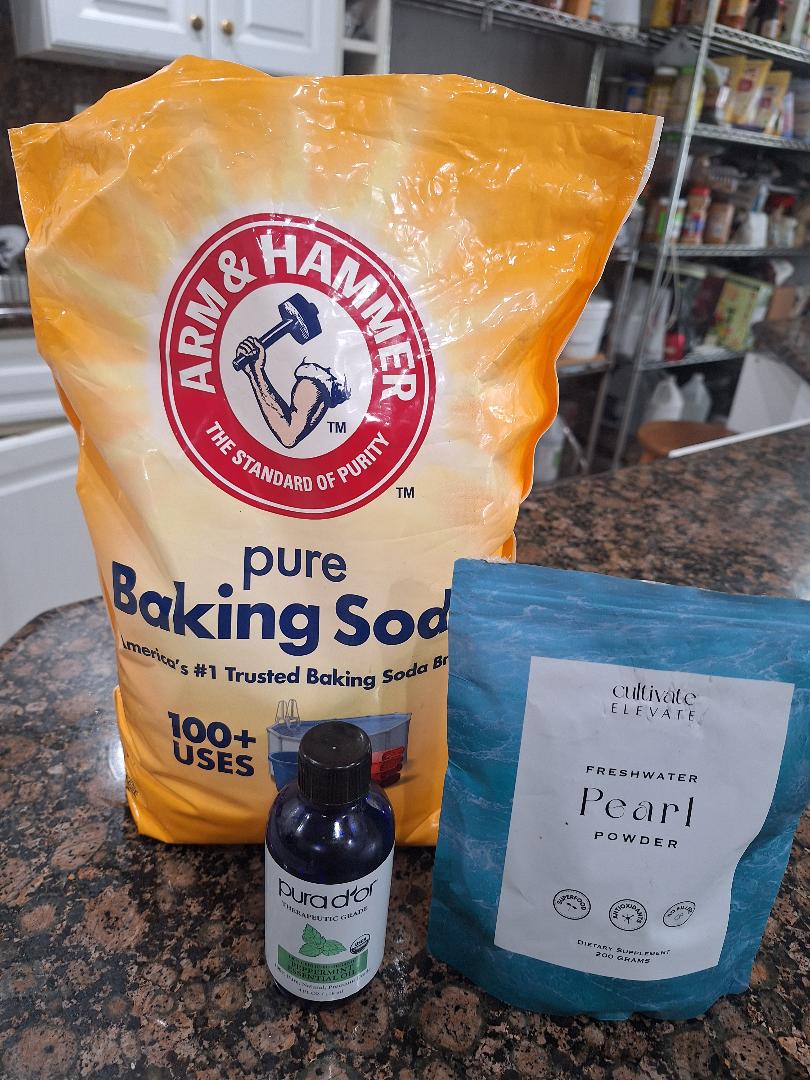
- My DIY pearl powder toothpowder uses just three ingredients: pearl powder, baking soda, and peppermint essential oil.
- I use it every time I brush, three to four times a day. The consistency matters more than the precision.
- After months of daily use, the brown enamel spot on my upper front teeth is visibly fading and my gums stopped feeling tender.
- I take a bit of pearl powder internally too, off and on, most nights. That’s a separate habit from the toothpowder.
- None of this is medical advice. I’m one person sharing what worked for me after years of being told natural options don’t work.
So I did my own research on how the dental industry actually makes money, who benefits when patients need more procedures, more cleanings, more surgery. And I decided I was going to try to fix this myself before I signed up to let anyone cut into my mouth.
What you will learn in this video:
- Why naturopathic doctor Dr. Janine Bowring moved away from conventional toothpaste
- Her own remineralizing toothpaste recipe and the minerals she uses
- How saliva, pH, and minerals actually work together to heal teeth
How I Found Pearl Powder
Around that same time, Matt Roeske, the founder of Cultivate Elevate, introduced me to pearl powder. I’d never heard of it. Ground freshwater pearls, used in traditional Chinese medicine for centuries for skin, teeth, bones, sleep, and eyes. I was skeptical but curious. I ordered a bag.
I started taking a bit internally, half a teaspoon straight, let it sit on my teeth, washed it down. Tastes like nothing. A little chalky. I didn’t feel anything dramatic, so I mostly forgot about it and just kept doing it on and off, most nights, some mornings, whenever I remembered.
Cultivate Elevate Freshwater Pearl Powder
200g dietary supplement, ground freshwater pearls, no fillers. The brand I actually buy, three bags a year for the past several years.
The Wellthie One Review
This is the pearl powder I keep reordering. It’s clean, no fillers, comes from a brand that sources intentionally. Matt runs the company and stays close to his customers. For anyone who wants to try pearl powder for teeth, skin, or general mineral support, I’d start here. I take a small amount internally off and on, and I also blend it into my DIY toothpowder every day.
Cultivate Elevate Pearl Powder Attributes
- Freshwater pearl powder, 200 grams per bag
- Labeled superfood, antioxidant, no fillers
- Small brand, founder-led, responsive to customer questions
- What I use both internally and in my toothpowder recipe
The Toothpowder Came From a Detour
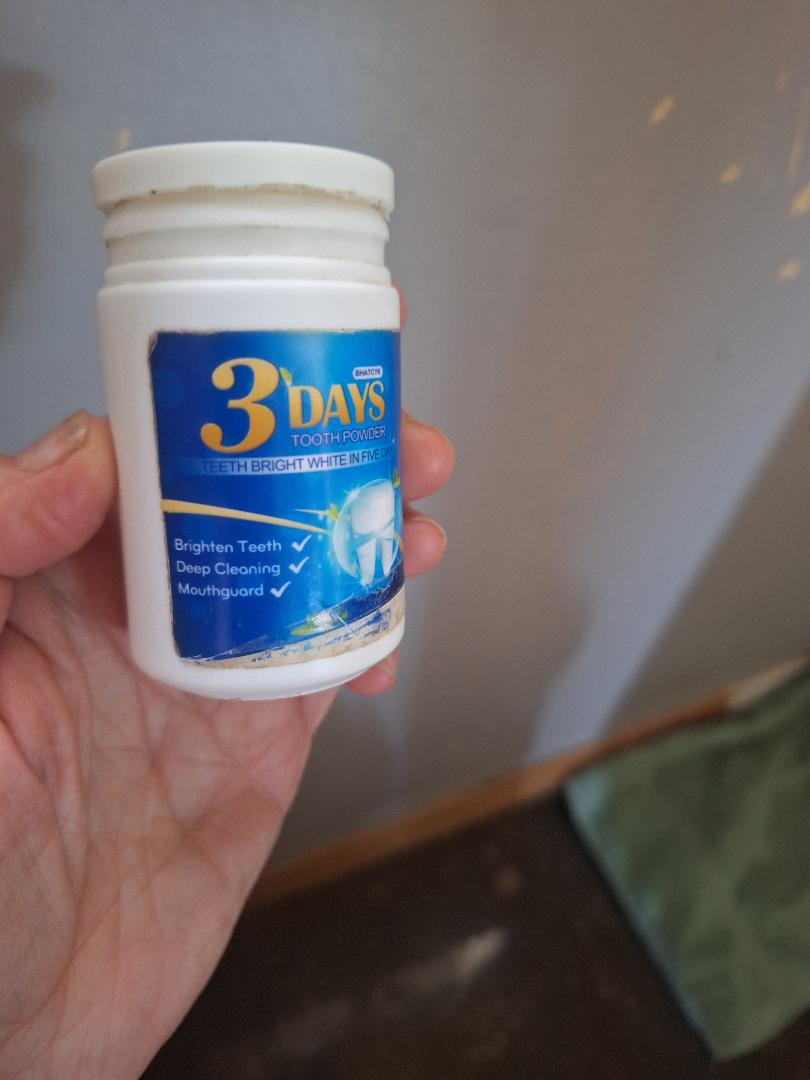
I’d bought a little jar of something called “3 Days Tooth Powder” off Amazon years ago, one of those whitening gimmicks. It worked OK, but when I looked at the ingredient list I thought, I could make this better myself with cleaner stuff. So I emptied the jar, kept the container (perfect size, great shape), and started mixing my own.
The Recipe
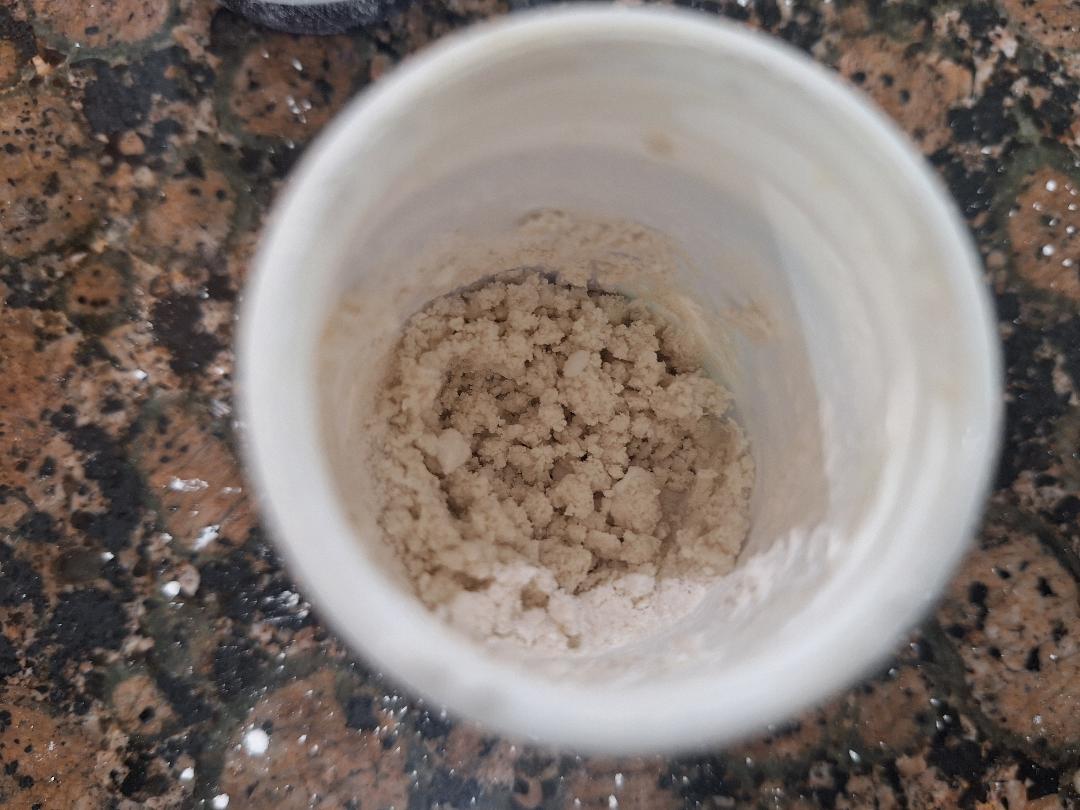
Two parts pearl powder. One part baking soda. Dozens of drops of organic peppermint essential oil. This surprises people. A few drops isn’t enough. You keep pouring, stirring, pouring, until the powder holds together like a crumbly paste. Could be 30 drops, could be 60, depends on your batch size and how dry the powder is.
That’s it. You shake the jar. It comes out like a crumbly, slightly damp powder. You dip a wet toothbrush in, it clumps onto the bristles, and it’s honestly the most refreshing thing I’ve ever put in my mouth.
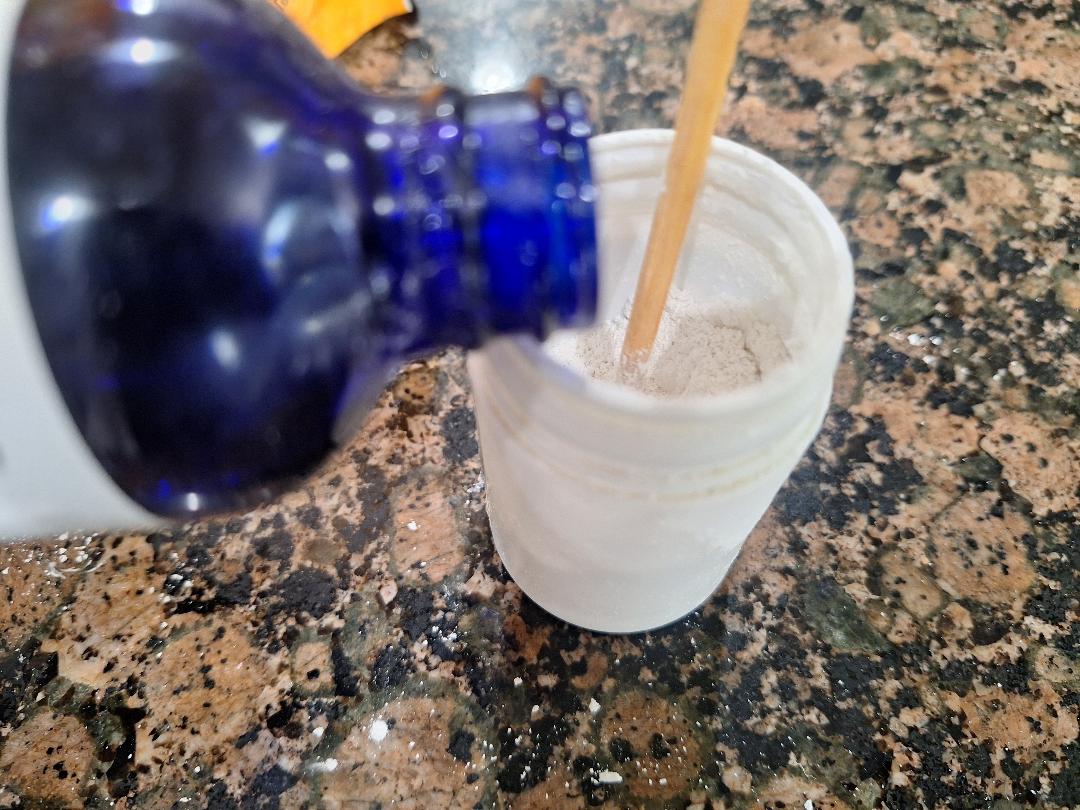
A few notes on ratios. I don’t measure perfectly. Two scoops of pearl powder, one scoop of baking soda, a few drops of peppermint oil. If it’s too dry, a couple extra drops of oil. If it ever starts feeling too gritty, I add more pearl powder next refill. You’ll dial it in to what feels right in your own mouth within a few days.
How I Actually Use It
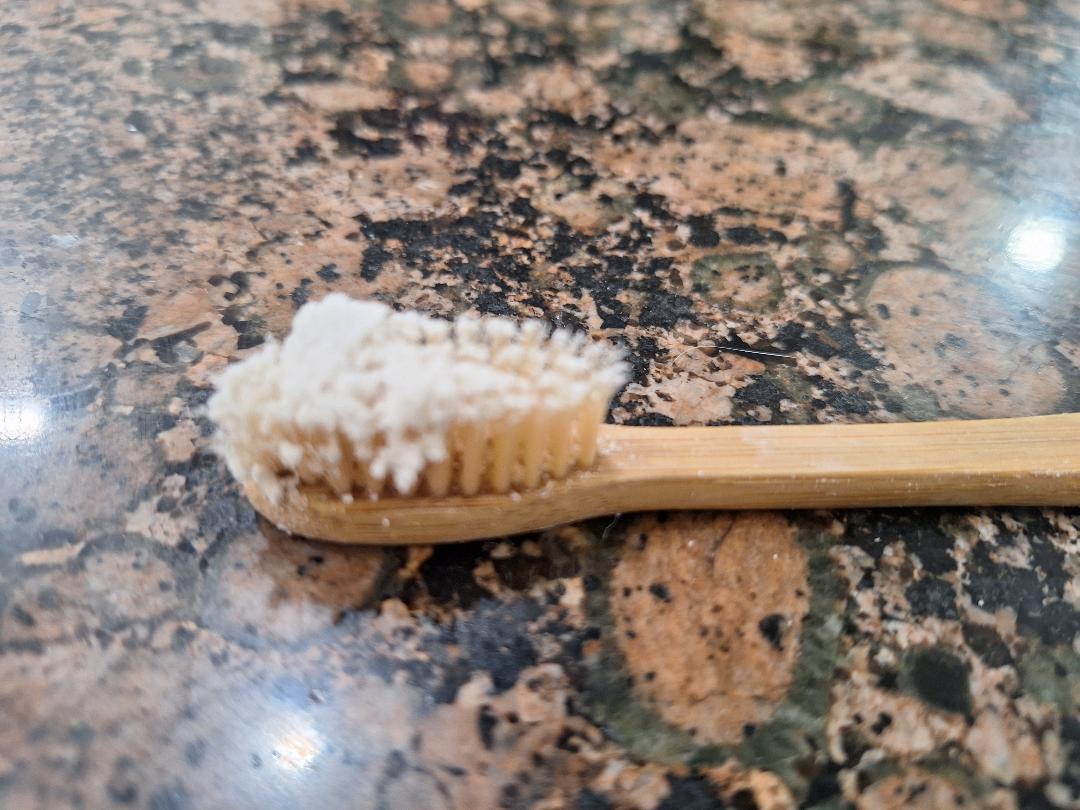
This part is where I got consistent. The DIY toothpowder, I use every single time I brush, three or four times a day. Every morning. Every night. After anything acidic. It’s not a “when I remember” thing, the way the internal pearl powder is. This is the daily habit that replaced fluoride toothpaste for good.
I wet my toothbrush, dip it into the jar, let the powder clump onto the bristles, and brush like normal. Between 30 seconds and two minutes, depending on what I just ate. Then rinse and spit. That’s it.
What Happened After Months of Using It
I wasn’t tracking anything. I wasn’t documenting anything. I was just brushing with my DIY powder every day because it tasted good, felt clean, and I’d given up on believing anything natural could actually reverse what was happening to my teeth.
And then one day I was running my tongue across the front of my upper teeth, along that rough, brown, sensitive patch I’ve been watching for years where the enamel had worn thin, and something felt different. I grabbed a mirror, thinking it was a trick of the light. It wasn’t. The brown was fading. The tooth was shinier than it had been in a long time. I ran my tongue over my gums and they didn’t feel tender anymore either.
I don’t have a before photo of my gums, because I wasn’t documenting it. I didn’t really believe it would work. I just noticed it had worked, after the fact.
If You Don’t Want to Mix Your Own
I get it. Not everyone wants to eyeball two-parts-this and one-part-that. If you’d rather start with a ready-made clean toothpowder and see how your mouth responds before going full DIY, there are a couple of options worth looking at. Both of these are fluoride-free and use hydroxyapatite, which is the mineral your teeth are actually made of.
3 Days Tooth Powder

Source: amazon.com
The original product I bought years ago. Remineralizing, for sensitive teeth, stain remover.
The Wellthie One Review
This is the exact product that inspired my DIY. It’s a ready-made tooth powder marketed for whitening and enamel strengthening over a few days of use. It works fine on its own. I liked it enough to keep using the container once it was empty. If you want to try tooth powder before committing to the DIY path, this is a reasonable starting point.
3 Days Tooth Powder Attributes
- Whitening and remineralizing tooth powder
- Marketed for sensitive teeth and stain removal
- Small, travel-friendly jar
- What inspired my DIY pearl powder recipe
OraWellness Shine Remineralizing Tooth Powder

Source: amazon.com
Hydroxyapatite-based, fluoride-free, made in the USA. For readers who want clean ingredients and don’t want to mix anything themselves.
The Wellthie One Review
OraWellness has been around in the natural dental space for years and has a good reputation among people who’ve ditched conventional toothpaste. Their Shine formula is based on hydroxyapatite, which is what teeth are literally made of. Pricier than doing it yourself, but cleaner than almost anything on a drugstore shelf. A reasonable middle path between Crest and my kitchen.
OraWellness Shine Attributes
- Hydroxyapatite-based remineralizing tooth powder
- Fluoride-free, made in the USA
- No glycerin, no SLS, no artificial sweeteners
- Good alternative for readers who don’t want to mix their own
What I’m Writing Next in This Series
This is the first article in a longer pearl powder series I’m putting together this month. Next up I’ll be writing about what pearl powder actually is, what I learned about taking it for receding gums specifically (with the photos I do have), what happened to my eyes after months of internal use, and whether it’s safe to eat pearl powder straight. If any of that sounds interesting, you can check back on the blog over the next few weeks.
The Part Where I Admit I’m Not a Dentist
I’m not. I’m one woman who got tired of being told her gums wouldn’t regenerate, did her own research, started mixing her own toothpowder, and noticed things changed. Pearl powder isn’t a medication. Baking soda isn’t a medication. Neither is peppermint oil. None of this is medical advice, and if your gums are in bad shape you should absolutely weigh what I’m saying against what a dental professional you trust tells you. But if you’ve been to a practice that seems to be selling you things you don’t need, that doesn’t practice what they preach on their own children, and that can’t imagine a scenario where you heal naturally, maybe it’s worth remembering that dentists are in business. And my healthy teeth don’t pay his mortgage.
I’m still not going back to that dentist. I don’t think I’ll need to.
This post may contain affiliate links, which means we may receive a small commission, at no cost to you, if you make a purchase through a link.


