
If you have been searching for a natural way to calm your mind, ashwagandha for anxiety is one of the most promising options available today. This ancient Ayurvedic herb has gained serious attention from researchers and health experts alike. Studies suggest it may help lower cortisol levels and ease feelings of stress.
Millions of people deal with anxiety every day. Many are looking beyond prescription medications for gentle, plant-based support. Ashwagandha, also known as Withania somnifera, is an adaptogen. That means it may help your body respond to stress more effectively.
In this guide, you will learn how ashwagandha works for anxiety. We will cover the research, safe dosage ranges, and the best supplements to consider. You will also find out who should avoid this herb and why quality matters when choosing a product.
Key Takeaways
- Ashwagandha is an adaptogen that may help reduce cortisol and ease anxiety symptoms naturally.
- Research supports a daily dose of 300 to 600 mg of root extract standardized to 5% withanolides.
- Look for KSM-66 or full-spectrum root extract for the best results. Always consult your healthcare provider first.
What you will learn in this video:
- How ashwagandha works as an adaptogen to support your adrenal glands
- The recommended dosage and best time of day to take ashwagandha
- Key benefits for sleep quality, stress resilience, and thyroid function
- Why Dr. Berg recommends it and what to look for in a quality supplement
What Is Ashwagandha?
Ashwagandha is a small shrub native to India, the Middle East, and parts of Africa. Its root has been used in traditional Ayurvedic medicine for over 3,000 years. The name translates roughly to “smell of the horse,” referring to both its earthy scent and its reputation for building strength.
The active compounds in ashwagandha are called withanolides. These naturally occurring chemicals have anti-inflammatory and stress-modulating properties. Modern science has validated many of the traditional uses for this powerful root.
Ashwagandha is classified as an adaptogen. Adaptogens are herbs that help your body adapt to physical, chemical, and biological stressors. They work by supporting your adrenal system and helping regulate your stress response over time.
How Ashwagandha for Anxiety Works
Anxiety often stems from an overactive stress response. Your body produces too much cortisol, the primary stress hormone. Over time, elevated cortisol can disrupt sleep, digestion, and mood. Ashwagandha may help by bringing cortisol levels back into a healthy range.
What’s draining your brain?
Brain fog, fatigue, sluggish digestion — usually one of 4 toxic load types is behind it: heavy metals, parasites, mold, or burned-out adrenals. Each type needs a completely different protocol. Take the 2-minute quiz to find out which one is draining you.
Research indicates that ashwagandha influences the hypothalamic-pituitary-adrenal (HPA) axis. This is the system that controls your stress response. By modulating this pathway, ashwagandha may help your body handle stress without overreacting.
Studies also suggest that ashwagandha interacts with GABA receptors in the brain. GABA is a calming neurotransmitter that helps slow down nervous system activity. This dual action on cortisol and GABA may explain why many people report feeling calmer after taking it consistently.
If you are also exploring other natural approaches to stress, you may find our guide on holy basil for stress and anxiety helpful. Both herbs are adaptogens with complementary benefits.
One popular option that many people find helpful is a high-dose organic ashwagandha capsule. It provides both root powder and standardized extract in one serving.
NaturaLife Labs Organic Ashwagandha 2100 mg

Source: amazon.com
Full spectrum root powder and standardized extract with withanolides
The Wellthie One Review
We like the NaturaLife Labs Ashwagandha because it combines both root powder and standardized extract in one capsule. At 2,100 mg per serving, it delivers a potent dose. The organic certification and vegan capsules are a nice bonus. Many reviewers report noticeable improvements in calm and sleep quality within the first two weeks.
NaturaLife Labs Organic Ashwagandha Attributes
- 2,100 mg per serving with full spectrum root powder and standardized extract
- USDA Organic certified, vegan, non-GMO, and gluten-free
- 100 capsules per bottle for a full month supply
- Contains withanolides for maximum stress-support benefits
What the Research Says About Ashwagandha for Anxiety
Multiple clinical trials have examined ashwagandha for anxiety and stress. A systematic review published by the World Federation of Societies of Biological Psychiatry found promising results. The review provisionally recommended 300 to 600 mg of root extract daily for generalized anxiety.
In one well-known study, participants took 600 mg of ashwagandha extract daily for 60 days. They reported significant reductions in stress and anxiety scores compared to the placebo group. Their cortisol levels also dropped measurably.
The National Institutes of Health Office of Dietary Supplements notes that ashwagandha given in dosages from 120 to 1,000 mg per day for 4 to 12 weeks was effective for reducing symptoms of anxiety. Benefits appeared to be greater with doses of 500 to 600 mg per day.
It is important to note that most studies lasted 8 to 12 weeks. Ashwagandha is not a quick fix. It works gradually by helping your body build resilience to stress over time. Consistency is key to seeing results.
Ashwagandha Dosage for Anxiety: How Much to Take
The most commonly studied dose is 300 to 600 mg of root extract per day. Look for products standardized to at least 5% withanolides. This ensures you are getting the active compounds that drive the benefits.
You can take ashwagandha in the morning or evening. Some people prefer evening doses because it may also support better sleep. Start with a lower dose and increase gradually over a week or two.
Most experts recommend taking ashwagandha with food. This helps with absorption and reduces the chance of stomach discomfort. You can take it as capsules, powder mixed into a smoothie, or liquid drops.
The safety of taking ashwagandha beyond one year has not been well studied. Many practitioners suggest cycling it. Take it for two to three months, then take a break for a few weeks before starting again.
If you are looking for a clinically studied extract, KSM-66 is one of the most researched forms of ashwagandha available today.
TRIBE ORGANICS Ashwagandha KSM-66

Source: amazon.com
Pure organic KSM-66 root extract for focus, mood, and energy support
The Wellthie One Review
TRIBE ORGANICS uses the KSM-66 extract, which is the most clinically studied form of ashwagandha. Each capsule delivers 600 mg of pure organic root extract. We appreciate that it is third-party tested and free from fillers. This is a great choice if you want a premium, research-backed supplement.
TRIBE ORGANICS Ashwagandha KSM-66 Attributes
- 600 mg per capsule of KSM-66 organic ashwagandha root extract
- 120 capsules per bottle for a four-month supply
- Certified organic, non-GMO, and free from artificial additives
- KSM-66 is backed by over 20 published clinical studies

How to Choose the Right Ashwagandha Supplement
Not all ashwagandha supplements are created equal. Here are the key things to look for when shopping.
Look for Standardized Extracts
Choose products standardized to at least 5% withanolides. This guarantees a consistent level of active compounds in every dose. Full-spectrum root extracts are also a good option.
Check for Third-Party Testing
Look for supplements verified by an outside organization. ConsumerLab, NSF International, and USP are trusted certifiers. Third-party testing confirms purity and accurate labeling.
Consider the Form That Works for You
Ashwagandha comes in capsules, powders, gummies, and liquid drops. Capsules are convenient and easy to dose. Liquid drops absorb quickly and work well for people who dislike swallowing pills.
If you prefer a liquid format, this organic ashwagandha tincture is a well-reviewed option.
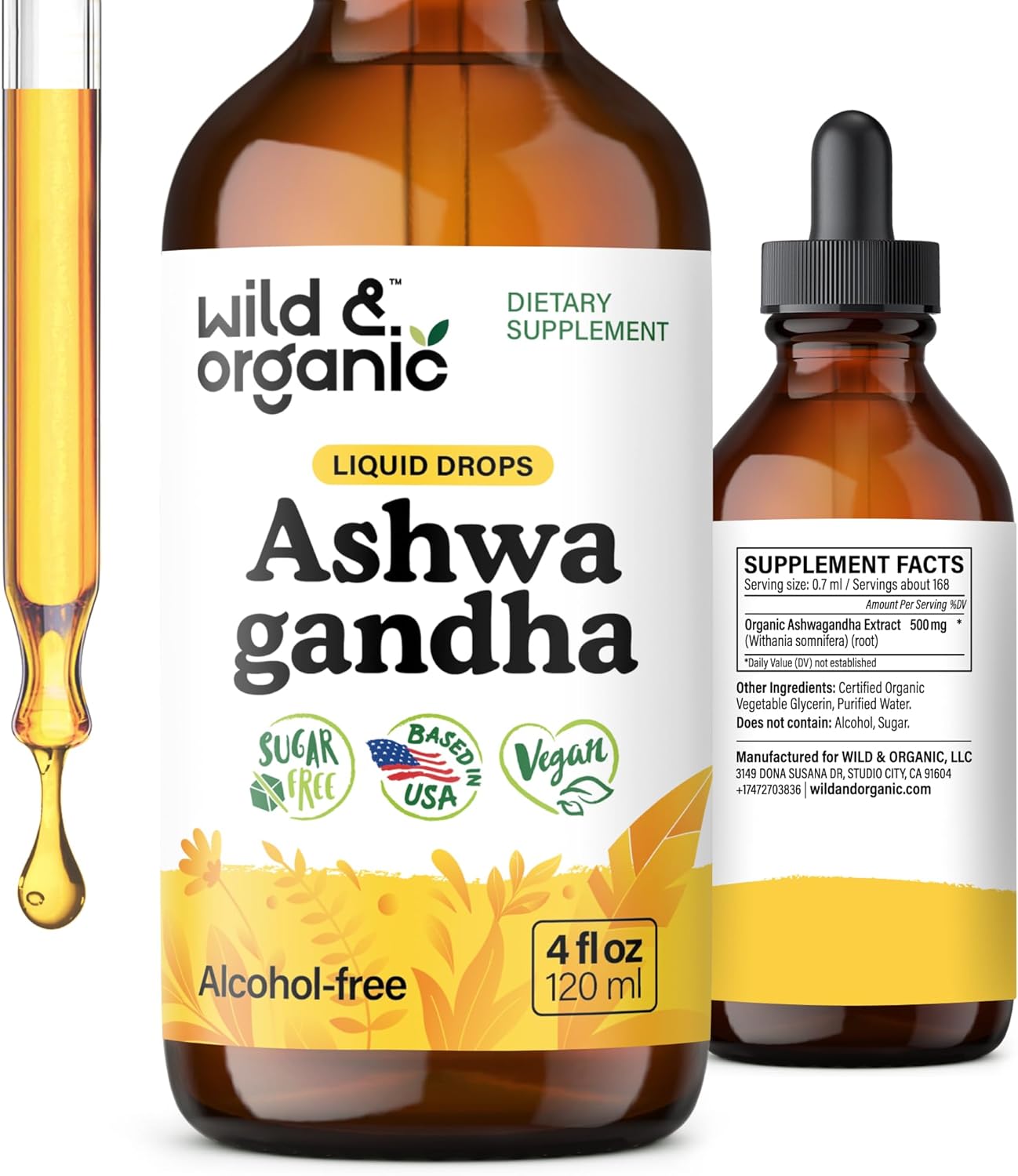
Wild and Organic Ashwagandha Drops
Source: amazon.com
Alcohol-free liquid ashwagandha extract for mood and energy support
The Wellthie One Review
We like the Wild and Organic drops for anyone who prefers liquid supplements. At 500 mg per serving, the dose is solid. The alcohol-free formula makes it easy to add to tea or water. It has a mild earthy flavor that blends well with most beverages.
Wild and Organic Ashwagandha Drops Attributes
- 500 mg of ashwagandha per serving in liquid form
- Alcohol-free, sugar-free, and non-GMO formula
- Easy to mix into tea, smoothies, or water
- 4 fl oz bottle lasts approximately one month
Who Should Avoid Ashwagandha?
While ashwagandha is generally safe for most adults, it is not right for everyone. Certain groups should use caution or avoid it entirely.
Pregnant and breastfeeding women should not take ashwagandha. Some evidence suggests it may cause complications during pregnancy. Always consult your doctor if you are expecting or nursing.
People with autoimmune conditions like lupus, rheumatoid arthritis, or multiple sclerosis should talk to their doctor first. Ashwagandha may stimulate the immune system, which could worsen these conditions.
If you take thyroid medication, use ashwagandha with caution. It may increase thyroid hormone levels. Your doctor may need to adjust your medication dosage.
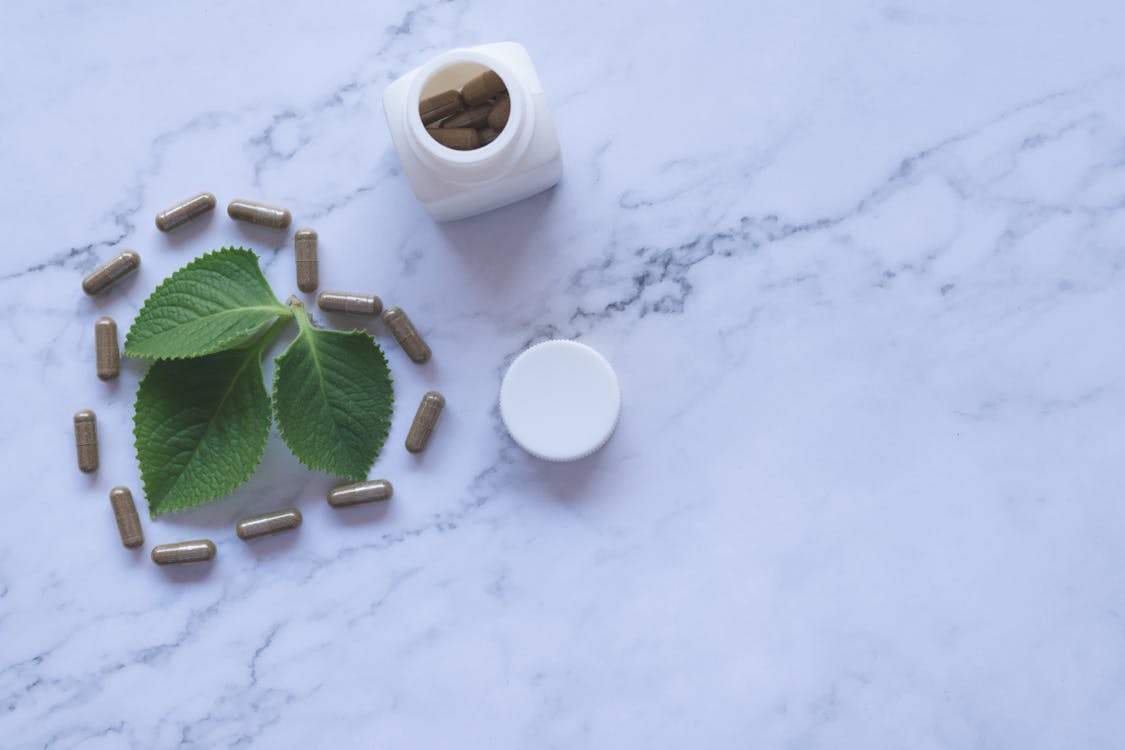
Ashwagandha may also interact with sedatives, blood pressure medications, and blood sugar medications. If you take any of these, speak with your healthcare provider before adding ashwagandha to your routine.
Some people experience mild side effects such as headaches, nausea, or stomach upset. These are usually temporary and resolve on their own. Starting with a lower dose can help minimize discomfort.
Frequently Asked Questions
How long does ashwagandha take to work for anxiety?
Most studies show noticeable improvements within 4 to 8 weeks of consistent daily use. Some people report feeling calmer within the first two weeks. Patience and consistency are important.
Can I take ashwagandha every day?
Yes, daily use is how most studies administered it. However, many practitioners recommend cycling it. Try taking it for 2 to 3 months, then taking a short break.
Is ashwagandha safe to take with other supplements?
Ashwagandha pairs well with many other supplements. It is commonly combined with magnesium, L-theanine, or other adaptogens like holy basil. Always check with your doctor about potential interactions.
Final Thoughts on Ashwagandha for Anxiety
Ashwagandha for anxiety is one of the most well-researched natural supplements available. The evidence is encouraging, and millions of people have found real relief by adding it to their daily routine. Whether you choose capsules, powder, or liquid drops, the key is to pick a quality product and give it time to work.
As with any supplement, talk to your healthcare provider before starting. They can help you determine the right dose and make sure it is safe for your specific health situation. Combined with healthy habits like meditation, exercise, and good sleep, ashwagandha may be a valuable tool in your wellness toolkit.
For more natural ways to manage stress, check out our article on digital detox for mental health.
This post may contain affiliate links, which means we may receive a small commission, at no cost to you, if you make a purchase through a link.


