
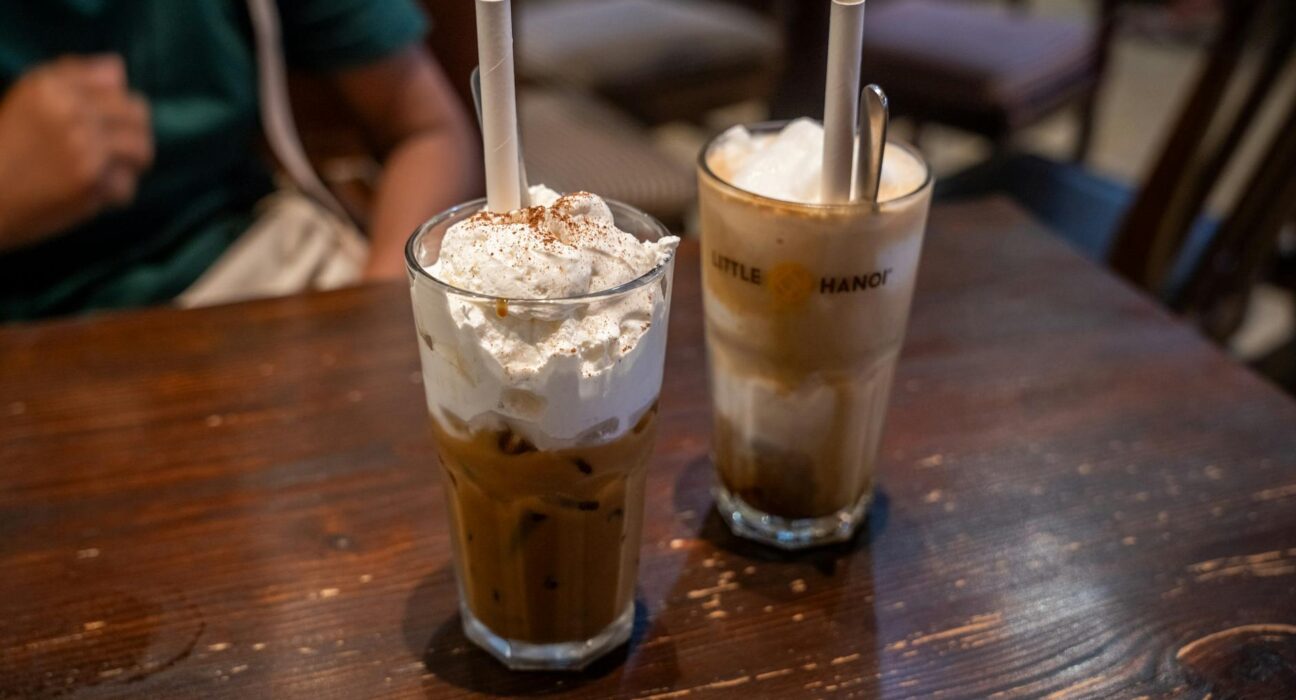
Starbucks calorie calculator. The easy way to see what a Caramel Frappuccino costs you in calories, sugar, and fat before you order it. Build your drink in the calculator below, get the real numbers, see how it stacks against your daily limits, and grab a cleaner swap that keeps the coffee but cuts the metabolic damage. Works for every menu item. Espresso drinks, frappuccinos, refreshers, the Pink Drink, matcha lattes, hot teas, and plain coffee. All sizes, all milk options, syrup count, whip, cold foam. Everything that affects the final number.
Calorie Counting Works At The Surface. The Deeper Question Is Underneath.
Tracking calories is useful, but most people stuck in a counting loop are dealing with something hormonal, not arithmetic. Insulin resistance from heavy metal load on the pancreas, cortisol dysregulation that locks in belly fat regardless of intake, sluggish thyroid driven by halogen displacement, or sugar cravings from gut parasites all override calorie math. The 90 second Toxic Load Tool finds which one is driving yours.
Use The Toxic Load ToolDaily Starbucks habits are one of the biggest hidden drivers of weight resistance + chronic inflammation. If you’re trying to maintain healthy weight and you’re stuck, the free 90-second Toxic Load Type Tool identifies which root pattern (insulin/sugar, parasites, mold, adrenal) is keeping the scale stuck. And yes, a daily 300-calorie sugar-loaded latte feeds several of them at once.
Starbucks Calorie Calculator
Build your drink. See real calories + sugar + a clean swap to keep you on track.
How To Use The Starbucks Calorie Counter
Pick your drink, size, milk, syrup pumps, whipped cream, and cold foam. The calculator returns total calories, total sugar in grams, total fat in grams, plus a breakdown showing where each piece adds up, a color-coded sugar-load context warning, and a cleaner swap suggestion. The whole thing takes 10 seconds and replaces the awkward “let me check the app” moment in line.
What Each Input Affects
Drink choice sets the base calories from the espresso, milk amount, and any built-in flavor base (mocha sauce, white mocha sauce, refresher fruit base, etc.). Mocha sauce is calorie-dense (about 50 cal per Grande pump). White mocha is denser still (about 100 cal per pump). Refresher bases contribute most of the sugar in those drinks.
Size is roughly linear. A Venti has about 25-30% more of everything than a Grande, which has about 30% more than a Tall. Trenta is refresher-only at Starbucks but commonly drinks 50% more than Venti when available.
Milk matters more than people think. Heavy cream (the “breve” option) adds 120 calories to a Grande latte over 2% milk. Almond milk SAVES about 50 calories per Grande. Oat milk adds 20 because it has more fat than skim. Coconut milk saves about 40. Whole milk adds 40. Sugar varies too. Almond and coconut milk are unsweetened by default; oat milk has 4-7g of natural sugar.
Syrup pumps are the silent calorie killer. Each pump of regular syrup is ~20 calories and ~5g of sugar. The default for a Grande drink is 4 pumps. That’s 80 cal and 20g of sugar from syrup alone. Many drinks (especially refreshers) come with even more by default. Sugar-free syrup uses sucralose. Zero calories, but still triggers insulin response in many people.
Whipped cream adds 80 calories and 8g of fat to a Grande. Most of that is from heavy cream and added sugar in the stabilizers.
Cold foam ranges from 50 cal (vanilla sweet cream) to 80 cal (pumpkin cream). Each variety has 6-9g of added sugar.
What The Output Tells You
The calculator returns four key numbers and three context blocks:
- Total calories. The headline number you see on the menu.
- Total sugar (g). Usually the more important number for weight management.
- Total fat (g). Relevant for keto-ish protocols or fat-malabsorption issues.
- Breakdown. Shows where the calories came from so you know which lever to pull.
- Sugar context. Color-coded against the 25g daily added-sugar limit (American Heart Association for women, 36g for men).
- Cleaner swap. Specific menu swap that keeps the coffee experience but cuts the metabolic load.
The Real Daily Cost Of A Starbucks Habit
A 300-calorie 50g-sugar Grande Caramel Frappuccino once a week is a treat. The same drink five days a week is 1,500 extra calories and 250g of sugar. Roughly the entire monthly added-sugar budget consumed in one week, every week.
Over 12 months, that habit alone is responsible for ~15-20 lbs of weight gain in many adults. And the sugar spike-and-crash cycle drives sugar cravings for the rest of the day, so the real damage is usually 2-3x what the drink itself contributes.
The Hidden Toxic Load Connection
The Starbucks habit isn’t just about calories. The drinks contain ingredients that contribute to chronic toxic load in ways the calorie count doesn’t capture:
- Refined sugar burns through magnesium and depletes glutathione (the body’s master detoxifier) faster than supplementation can replace it.
- Seed oils in syrups and cold foam stabilizers contribute to chronic inflammation. These are often canola, soybean, or sunflower oils, oxidized by the time they reach the drink.
- Conventional dairy from non-organic cows often contains residues of growth hormones (rBGH/rBST in some markets), antibiotics, and pesticides from feed. Oat milk and coconut milk are cleaner choices when avoiding dairy isn’t the goal.
- Synthetic flavors in the “natural flavor” category include hundreds of FDA-approved chemicals that don’t have to be disclosed on the label. Many trigger histamine release in sensitive people. For the broader context, see allergies and brain fog.
- Caffeine + insulin spike together drive cortisol elevation, which over time disrupts the adrenal-cortisol cycle and shows up as “wired but tired” symptoms.
This is why people who switch from daily Starbucks runs to home-brewed coffee + clean milk often report energy improvements within 2 weeks, even when calories aren’t different. The toxic load drops faster than the calorie load does.
The Cleanest Starbucks Orders (When You Have To)
If you can’t avoid the line entirely, these are the lowest-damage orders ranked from cleanest to acceptable:
- Brewed coffee (black). 5 cal, 0 sugar, 0 fat. The cleanest possible order.
- Cold brew or iced coffee, unsweetened, splash of oat milk. ~50 cal, 1g sugar.
- Iced shaken espresso, oat milk, sugar-free vanilla, 2 pumps. ~80 cal, 2g sugar. Best calorie-to-flavor ratio.
- Cappuccino with oat milk, no syrup. ~100 cal, 8g sugar (all from milk).
- Iced green tea, unsweetened. 0 cal, 0 sugar. (Pro tip: ask for it without the classic syrup.)
- Americano, splash of oat milk. ~30 cal.
- Hot tea, plain. 0 cal.
The Worst Starbucks Orders For Weight Maintenance
If you’re trying to maintain a healthy weight, these are the menu items most likely to derail you (Grande sizes):
- Java Chip Frappuccino. 440 cal, 57g sugar, 20g fat. Equivalent to a slice of cheesecake.
- White Chocolate Mocha. 430 cal, 53g sugar. More than 2 days of added sugar in one cup.
- Mocha Frappuccino with whip. 450 cal, 54g sugar, 19g fat.
- Pumpkin Spice Latte (seasonal). 390 cal, 50g sugar. Twice the daily added-sugar limit for women.
- Vanilla Bean Crème Frappuccino. 380 cal, 65g sugar. The highest-sugar drink on the menu.
- Caramel Macchiato (Venti, with whip). 340 cal, 41g sugar.
Why Sugar-Free Isn’t Free
Switching to sugar-free syrup eliminates the calories and the blood-sugar spike, but the artificial sweetener (sucralose at Starbucks, branded Splenda) has its own issues:
- Insulin response. Sucralose still triggers an insulin response in many people via the cephalic phase (taste-driven). Insulin elevation drives fat storage even without calories present.
- Gut microbiome disruption. Sucralose alters gut bacteria composition, reducing beneficial strains.
- Cravings rebound. Many people report that sugar-free sweet drinks drive harder cravings later in the day than no sweetness at all.
For weight maintenance, the cleanest path is gradually reducing sweetness expectations rather than substituting one sweet with another. Start by dropping from 4 pumps to 3 pumps for two weeks, then 2 pumps for two weeks, then 1, then 0.
Who This Calculator Is For
- Anyone trying to maintain or lose weight while keeping a coffee habit
- People with insulin resistance, PCOS, or pre-diabetes who need to track sugar load
- Anyone counting macros or following intermittent fasting (the surprise calories in “harmless” drinks break a fast)
- Parents tracking what their teen is ordering on the Starbucks card
- People who suspect their daily Starbucks habit might be the missing variable in their stuck-weight situation
What NOT To Do
- Don’t assume “tea” means low calorie. A Grande Chai Tea Latte has 240 cal and 42g of sugar. More than most lattes.
- Don’t assume “refresher” means healthy. A Grande Pink Drink has 140 cal and 24g sugar. They’re sugar water with coconut milk and a fruit garnish.
- Don’t add cold foam casually. The vanilla and caramel cold foams add 50-70 cal and 6-8g sugar each. They’re not “just foam.”
- Don’t trust the “skinny” label without checking. A skinny vanilla latte still has 130 cal and 19g sugar (Grande). It’s lower than the regular but it’s not “skinny” in any absolute sense.
- Don’t make Starbucks your default breakfast. A 400-calorie drink + a pastry is 700-900 calories of refined carbs before 9 AM. That sets up insulin chaos for the rest of the day.
The Bigger Picture
For most adults working on maintaining healthy weight, the Starbucks drink choice matters less than the underlying frequency. A weekly Frappuccino is a moderate indulgence. A daily one is a primary cause of weight gain. The calculator above lets you see exactly what each habit is costing you so the decision is data-driven instead of guessed.
If you’ve already done the math, cut the Starbucks habit, and you’re STILL stuck on weight or chronic symptoms. That’s where the toxic load picture matters. The free 90-second Toxic Load Type Tool identifies whether what’s keeping the scale stuck is sugar/insulin, parasites, mold exposure, or adrenal-cortisol dysregulation. Each pattern has a different protocol. Calorie tracking alone won’t fix the wrong pattern.
The full integration of clean eating + detox + metabolic repair is in the Toxic Load Reset PDF.
Take The Toxic Load Tool Right Now ↓
Counting calories alone rarely fixes stuck weight or chronic symptoms. The tool sorts you into one of four root patterns. Heavy metals, parasites, mold, adrenal. So you commit to a protocol that matches what’s draining your body.
What's Draining Your Brain? Find Your Toxic Load Type
10 quick questions to find your toxic-load type — heavy metals, parasites, mold, or burned-out adrenals. Takes about 90 seconds. Includes a free First-Step Detox Cheat Sheet with five habits anyone can start tomorrow.
Disclosure: As an Amazon Associate, I earn from qualifying purchases. Calorie figures from Starbucks’s published nutrition data, accurate as of 2026. Menu items and recipes change. Always verify in the app for newest values.