
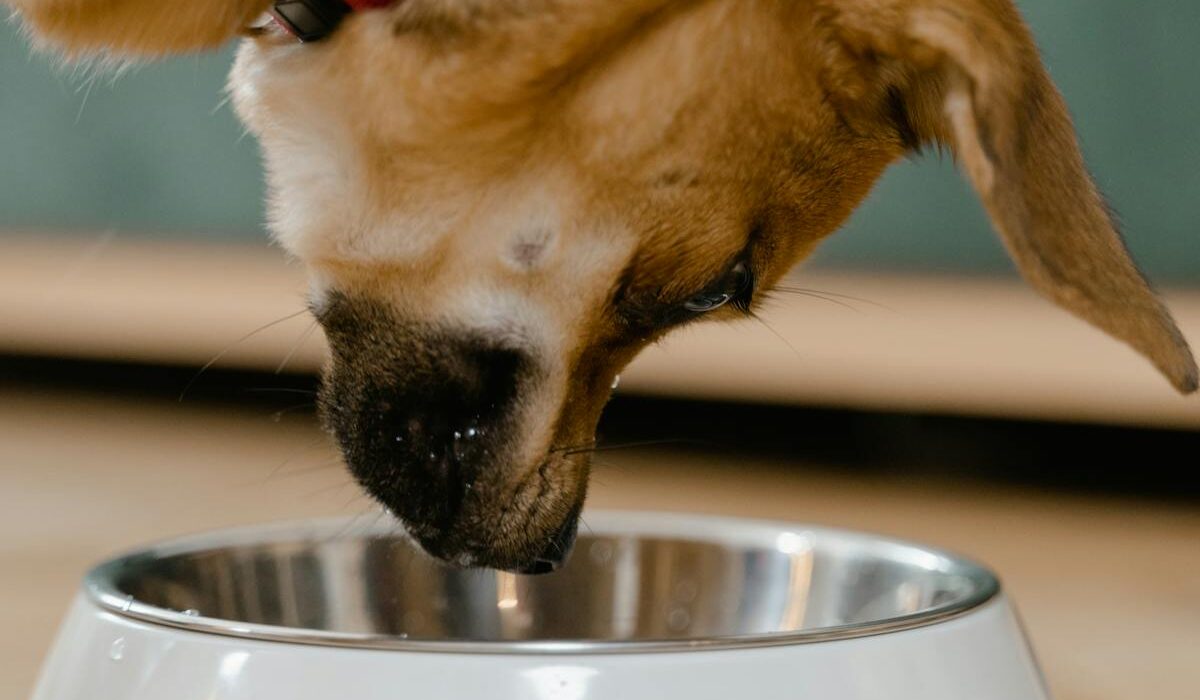
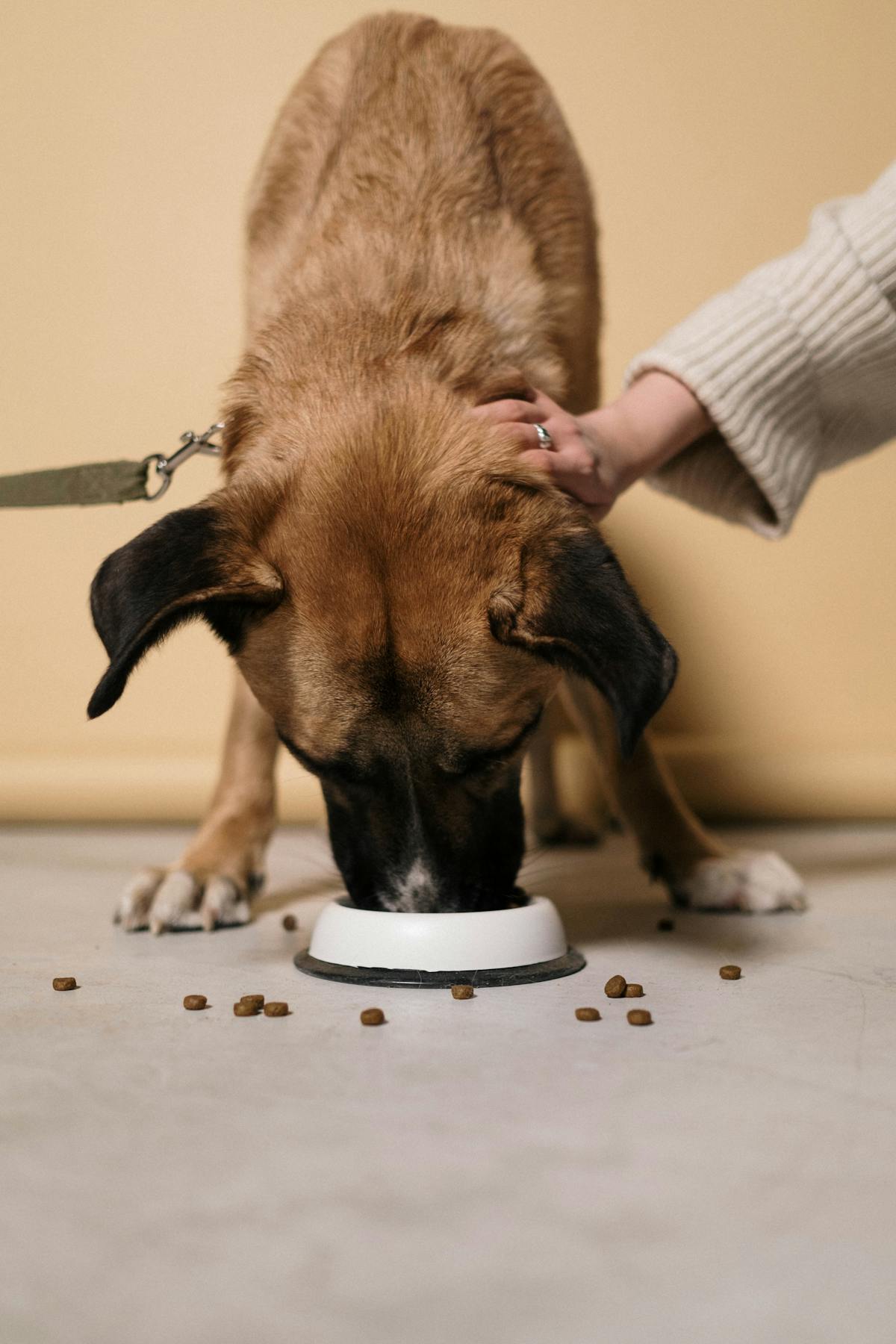
A puzzle feeder for dogs is a bowl, mat, or interactive toy designed to slow down meals and add a thinking step to feeding time. Instead of inhaling kibble in 30 seconds, your dog spends 5 to 15 minutes nudging, lifting, or pawing food out of compartments. The result is better digestion, fewer behavior problems, and a brain that actually feels worked at the end of the day.
Below you will find why slow feeding matters more than most owners realize, three puzzle feeders we recommend at three difficulty levels, and exactly how to introduce one without frustrating your dog.
Why a Puzzle Feeder for Dogs Matters
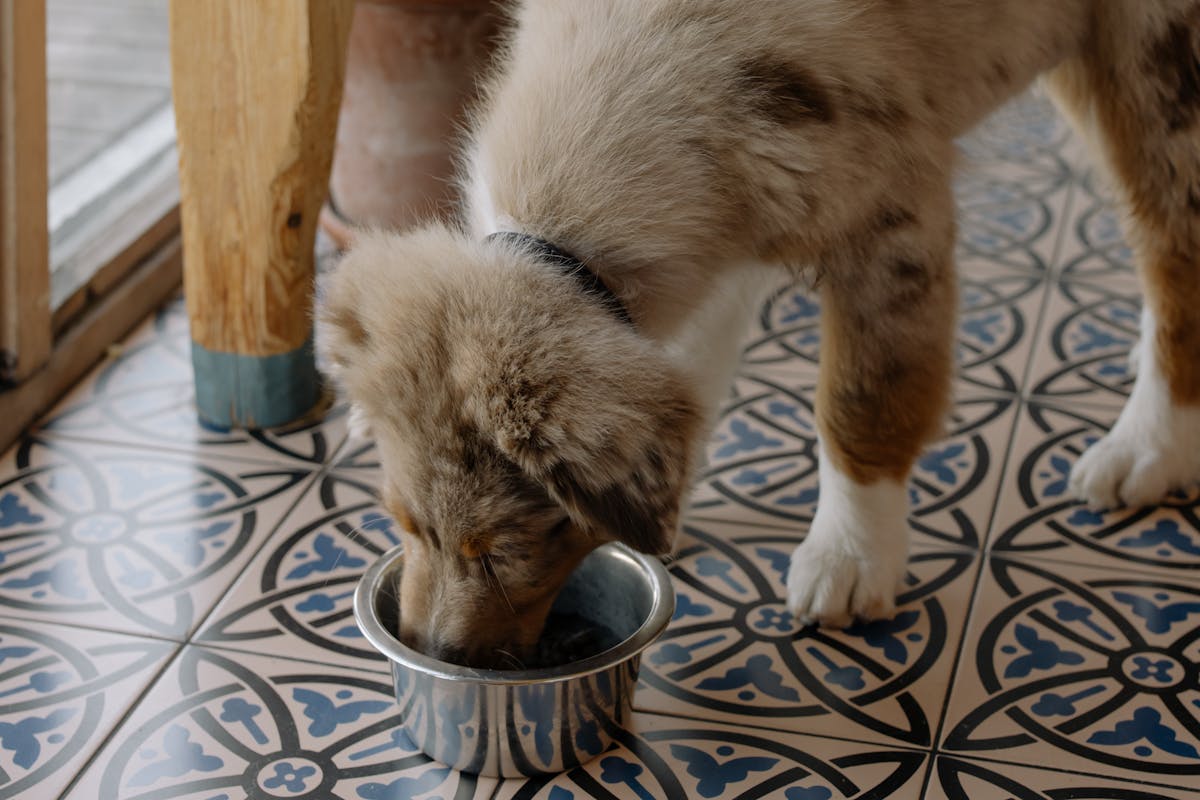
Most domestic dogs eat too fast. Wild canines spend hours hunting and tearing apart their food. Modern dogs are handed a metal bowl twice a day and finish before their brain registers that a meal is happening. The result is bloated stomachs, gulped air, regurgitation within an hour, and a brain that never gets the satisfaction of having earned the meal.
A puzzle feeder fixes all of those at once. The slower pace lets the stomach signal fullness, which reduces begging and weight gain. The thinking step releases dopamine in a healthy way, which means a calmer dog after meals. And the bonus is that the activity tires the brain, which is the kind of tired that actually leads to deeper sleep.
Veterinary research from the veterinary community notes that interactive feeders reduce stress markers in dogs and lower stereotyped behaviors like pacing and excessive barking in shelter environments. The same principles apply at home.
What you will learn in this video:
- The three difficulty levels of puzzle feeders and how to pick
- How to start an absolute beginner dog without frustration
- When to step up the difficulty so your dog stays engaged
- Why slow feeders are not the same as puzzle feeders
The Three Levels of Puzzle Feeders
Pick a difficulty that matches your dog right now, not the dog you wish you had. Starting too hard kills the habit. Starting too easy is fine because you can always upgrade later.
Level 1: Slow feed bowls
These look like regular bowls but have ridges or bumps that food has to flow around. Your dog still eats with their mouth in the bowl, just slower. Perfect for fast eaters and any dog new to the concept of working for a meal.
Level 2: Sliding puzzle boards
Compartments hide treats. Your dog has to lift flaps, slide tiles, or paw at levers to reveal the food. This is the right level for most adult dogs once they have mastered slow bowls.
Level 3: Multi step puzzles
The dog has to do two or three actions in sequence. These are excellent for high drive breeds, very intelligent dogs, and dogs who solve level 2 puzzles in under three minutes.
Best Beginner Puzzle Feeder for Dogs
For most dogs, the best starting point is a high quality slow feed bowl. The transition from regular bowl to slow bowl is intuitive and immediately calmer. Within a week most dogs adapt to the new rhythm, and you can decide whether to step up to a level 2 puzzle.
Outward Hound Fun Feeder Slo Bowl

Source: amazon.com
Medium 2 cup capacity slow feeder for small to medium dogs and cats.
The Wellthie One Review
Outward Hound Fun Feeder Slo Bowl Attributes
- Stretches a 30 second meal into 5 to 8 minutes for most dogs
- BPA, PVC, and phthalate free food safe plastic
- Non slip rubber base keeps the bowl in place during enthusiastic eating
- Top rack dishwasher safe for easy daily cleaning
This is the bowl we recommend most often. The drop pattern of ridges is just challenging enough to slow a dog without frustrating them. We have used the same bowl daily for 3 years with zero wear. A no brainer first purchase.
If Your Dog is Too Smart for a Slow Bowl
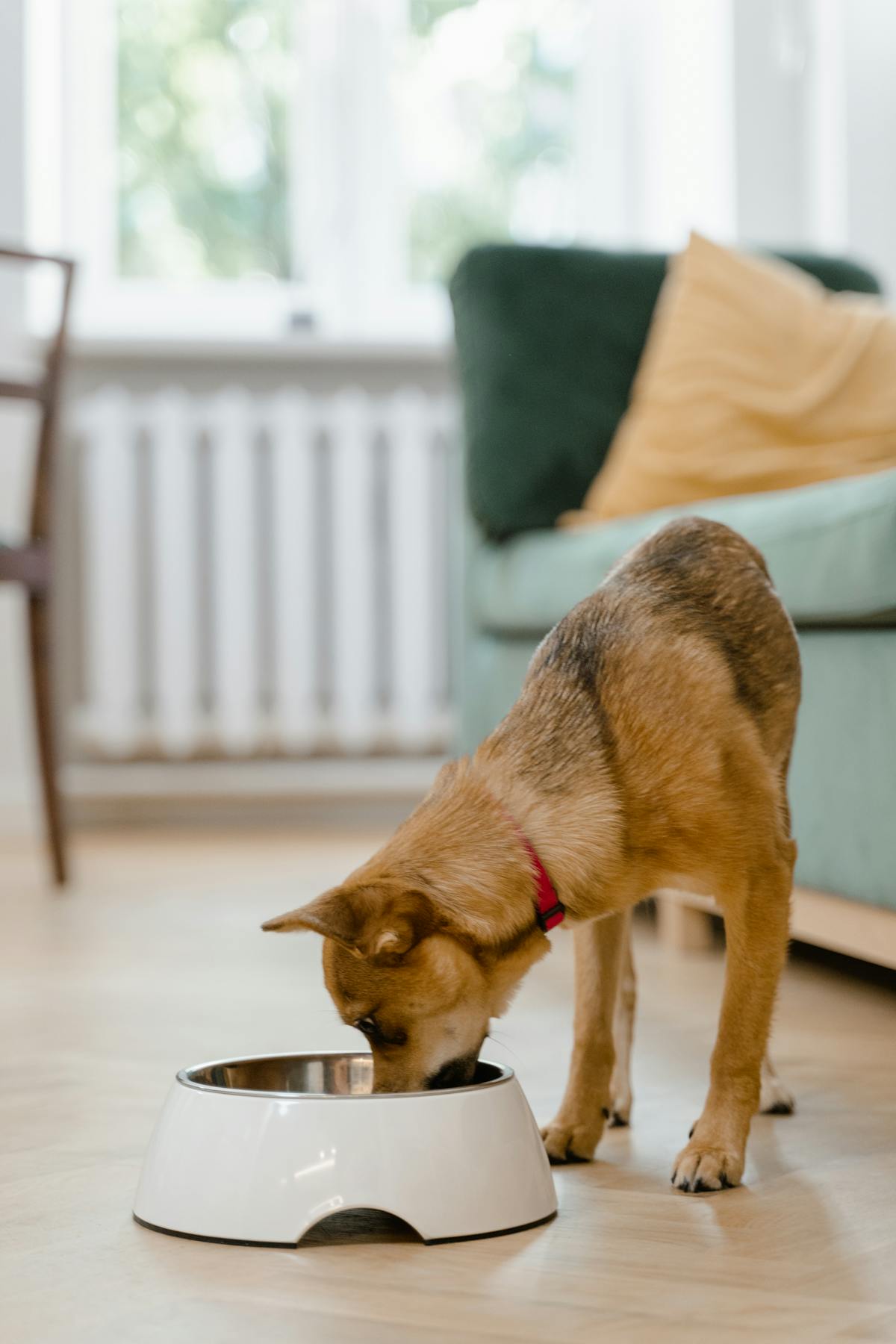
Some dogs solve a slow bowl in three days. If your dog finishes their slow bowl in two minutes and then stares at you, it is time to step up. Sliding puzzles and treat dispensing puzzles add an actual thinking step that re engages the brain.
Outward Hound by Nina Ottosson Dog Brick (Level 2)

Source: amazon.com
Interactive treat puzzle enrichment toy at intermediate difficulty.
The Wellthie One Review
Outward Hound by Nina Ottosson Dog Brick (Level 2) Attributes
- Designed by Nina Ottosson, the original interactive dog toy designer
- Three levels of compartments hidden behind sliding tiles
- Encourages problem solving and reduces destructive boredom behavior
- Easy to clean by hand, dishwasher safe in some models
Nina Ottosson is the gold standard in the puzzle space. The Brick has just enough complexity to make even a smart dog actually think, but not so much that they give up. We rotate this with the slow bowl so the dog never gets bored of either.
For the Truly Determined Power Eater
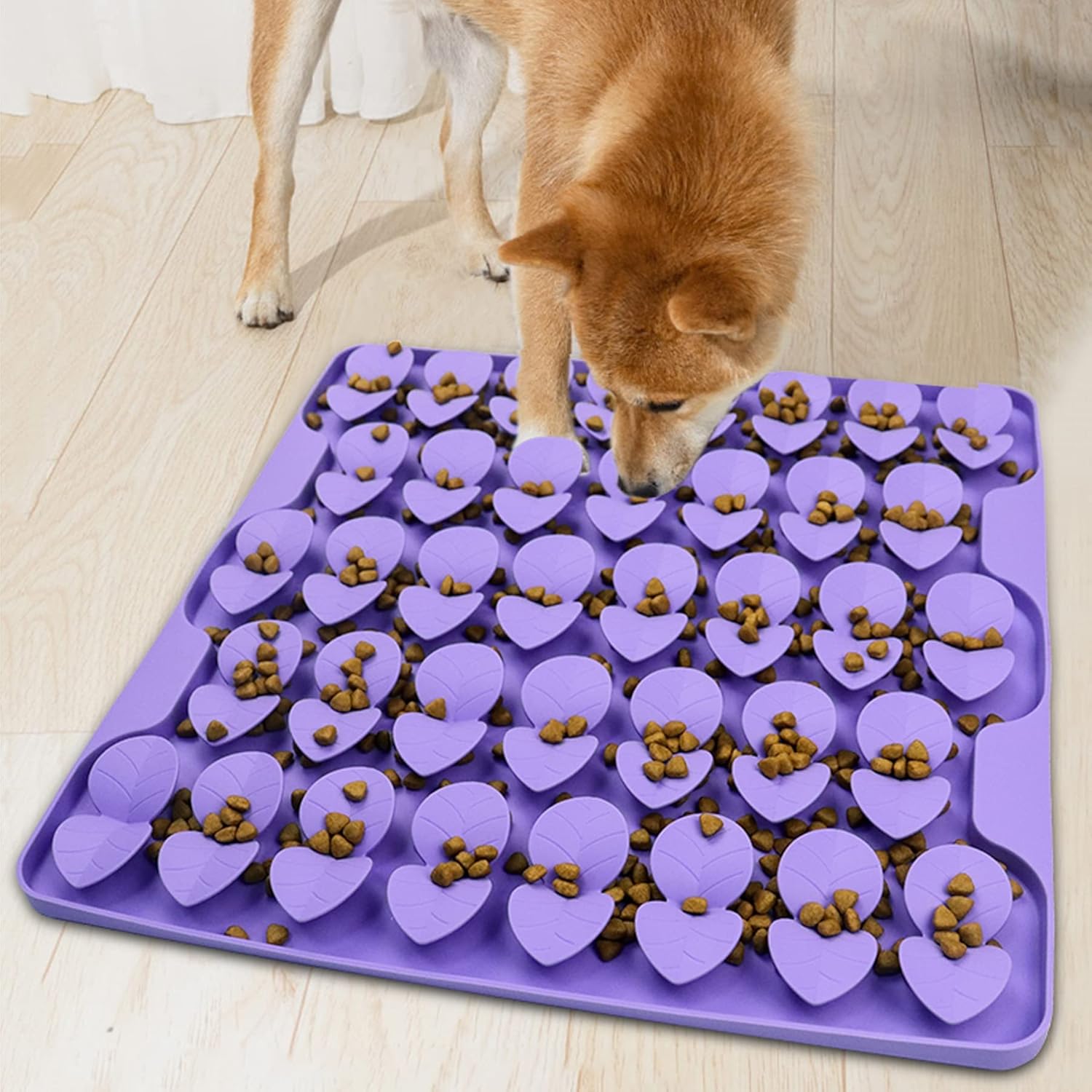
Some dogs wolf food so fast they vomit within minutes. If that is your dog, you need a deep silicone slow feeder that genuinely cannot be cheated. The bumps need to be tall enough that the dog has to navigate around them with their tongue, not just inhale through.
Femont Snuffle Mat Slow Feeder (Large)
Source: amazon.com
Silicone slow feeder lick mat for power eaters and large breeds.
The Wellthie One Review
Femont Snuffle Mat Slow Feeder (Large) Attributes
- Deep silicone fingers that genuinely slow down inhalers
- Doubles as a treat lick mat for peanut butter or wet food
- Easy to rinse, dishwasher safe
- Large enough for full meals for medium and big dogs
For the dog that defeats every plastic slow bowl in 60 seconds, this silicone mat is the upgrade. The strips force the tongue to actually work for each kibble. We use it on weekends when meals can stretch a little longer.
How to Introduce a Puzzle Feeder Without Frustration
The biggest mistake is jumping straight to a hard level 2 or 3 puzzle. The dog tries for 30 seconds, gives up, and now associates the puzzle with failure. Always start at a level your dog will absolutely succeed at.
Day 1 to 3: load the puzzle with extra tasty treats so the reward is high. Help your dog with a hand prompt if they get stuck for more than a minute. By day 4, they should be solving the puzzle without help. Once they are confident, swap to regular kibble and only use treats for the harder parts.
How Often to Use a Puzzle Feeder
Most dogs do best with puzzle feeders once or twice a day, ideally for breakfast and dinner. The third option is to swap any rushed mid day meal with a quick puzzle session, which doubles as enrichment. If your dog also uses our recommended lick mat for anxiety, rotate them through the week so the brain keeps adapting.
What to Expect After Two Weeks
Most owners notice three things in the first two weeks. Meals become a calmer event, no more bowl licking and immediate begging. Dogs sleep more deeply after meals because their brains have actually been engaged. And the post meal vomiting that fast eaters often have usually stops within the first week.
Owners with multiple dogs sometimes see a bonus benefit: less food competition, because each dog is busy with their own puzzle and not eyeing the other one. Pair this with the calming routines we recommend in our sardines as a food topper guide for a full meal time reset.
The Bottom Line on a Puzzle Feeder for Dogs
A puzzle feeder for dogs costs less than two bags of premium dog food and changes the rhythm of your home for years. Pick the level that matches your dog today, introduce it patiently, and rotate every couple of weeks to keep the brain engaged. You will end up with a calmer, leaner, more contented dog by the end of the month.
This post may contain affiliate links, which means we may receive a small commission, at no cost to you, if you make a purchase through a link.


