
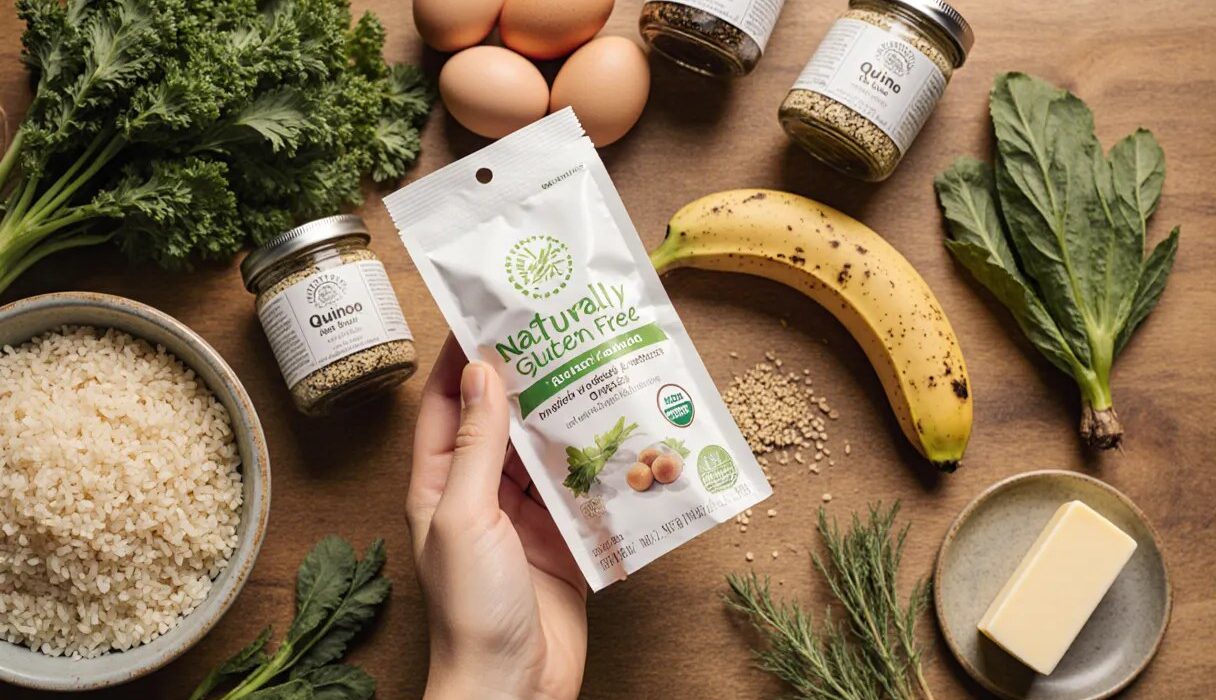
If you are gluten-free by necessity or by choice, the same question comes up over and over at the grocery store and the restaurant table: is this one okay? This is a quick, reference for the foods and drinks people ask about most. It is meant for fast orientation, not as medical advice, and if you have celiac disease the golden rule always applies: read the label and look for a certified gluten-free mark, because recipes and cross-contamination practices change.
How to read a label with confidence
Three habits cover almost every situation. First, look for a certified gluten-free seal, which means the product is tested to under 20 parts per million of gluten. Second, scan the ingredient list for the obvious sources: wheat, barley, rye, malt, and brewer’s yeast. Third, check the allergen statement at the bottom, where manufacturers note “contains wheat” or “made in a facility that also processes wheat,” which is your cross-contamination warning.
Bentonite, charcoal, chelation, cilantro, mercury chasing — these protocols all assume heavy metals are your dominant toxic load. For some people they are. Plenty of others land in this kind of work suspecting metals when adrenal exhaustion, parasites, or mold are actually doing more of the damage, and the protocols look very different depending which one is yours. If you want to sort it out before committing to weeks of binders, the 2-minute What's Draining Your Brain Tool places you in one of four root cause types so the next thing you try has a real chance of working.
A few sneaky ones worth memorizing: regular soy sauce contains wheat (reach for tamari), many oats are cross-contaminated unless labeled gluten-free, and barley shows up quietly in things like some misos, malt vinegar, and certain broths.
Why your gut may be reacting even to gluten-free foods
Here is something many people discover the hard way: going gluten-free helps, but symptoms do not always fully settle. When that happens, it is often a sign that something upstream is keeping the gut irritated and the immune system on high alert. For a lot of people that traces back to overall toxic load, the cumulative burden of things like heavy metals, mould, parasites, or burned-out adrenals, each of which can keep the gut inflamed no matter how clean the diet is.
Frequently asked questions
Is “wheat-free” the same as gluten-free? No. Wheat-free products can still contain barley or rye, which also have gluten. Always look specifically for gluten-free wording.
Are distilled spirits gluten-free? Distillation removes gluten protein, so most distilled spirits (including 100% agave tequila) are considered gluten-free, though highly sensitive people sometimes choose ones not made from wheat or barley to be safe.
What about “may contain” labels? That is a cross-contamination disclosure. If you have celiac disease, treat “may contain wheat” as a reason to choose a certified product instead.
This guide is for general information and is not medical advice. If you have celiac disease or a wheat allergy, confirm every product on its current label and consult your healthcare provider.


