
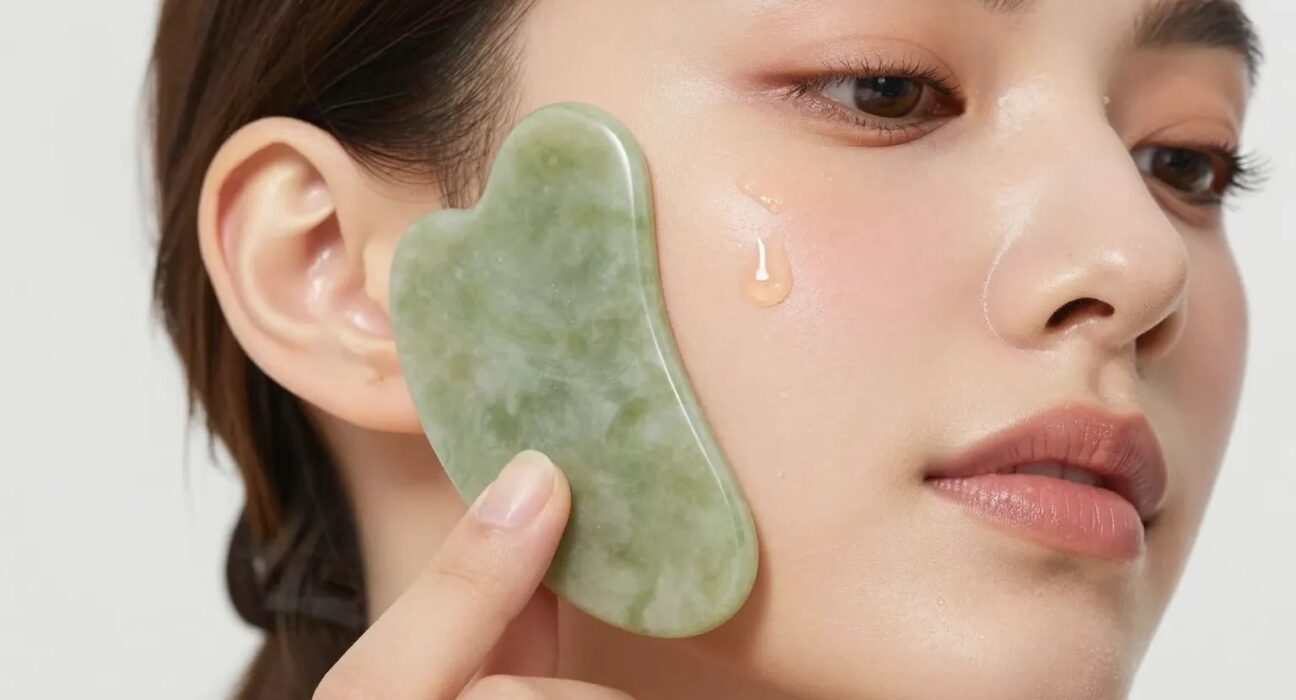
Facial oil for lymphatic drainage and gua sha provides the slip your tools need without clogging pores or pulling skin. The right oil for YOU depends on two things: skin type (dry, oily, combo) and your goal (gentle daily glide, anti-aging elasticity, acne-prone, balanced use). The Find My Facial Oil Match tool right below this intro asks both questions and matches you to a specific oil with how-to-use notes.
Per Ahn et al. 2025 (DOI), the 8-week RCT comparing jade roller and gua sha used oil-based slip on clean skin in both arms — that detail matters because both interventions produced measurable contour and elasticity improvements only WITH the oil layer. Dry-skin gua sha damages skin and is the most common mistake people make.
For the complete at-home protocol with 5 body-area diagrams and 45 cited studies: How to Do Lymphatic Drainage Massage at Home →
Your skin type STEP 2
Primary goal
Drainage Pathway Activation Checklist
Printable one-pager: exact daily order to wake up your 5 drainage pathways so techniques and tools land.
2 Tested Tools to Pair with Your Matched Oil


If you only CHOOSE ONE: BAIMEI Set – pair with your matched oil.
Why Lymph Slows Down in the First Place
Techniques and tools support drainage. But if your daily toxic load is high — fragranced products, processed food, chlorinated water, plastic, mold — lymph keeps refilling. Score your exposures across 6 categories and get a personalized reduction plan in the order that matters most.
Build My Toxic Load Score →Why the oil matters as much as the tool
The tool (gua sha or roller) provides mechanical movement of fluid. The oil provides three things: enough slip that the tool does not pull the skin, a buffer between the cold stone and reactive skin types, and a slow-release skin treatment that absorbs over the course of the session.
Doing the routine without an oil works — but the skin gets a tug rather than a glide, and the daily friction shows up over weeks as the opposite of the smoothing effect the practice is meant to deliver.
The 4 best facial oils for lymphatic drainage
1. Squalane — the universal pick
Olive-derived squalane closely matches the lipid profile of healthy sebum. It absorbs cleanly, leaves zero greasy residue, has no scent, and is one of the lowest-reactivity oils in dermatology comparison studies. For sensitive skin or for anyone unsure where to start, this is the safe pick. Pairs with any tool, any season, any skin state.
2. Rosehip Seed Oil — for mature, photo-aged, or pigmented skin
Cold-pressed rosehip is naturally rich in vitamin A precursors and essential fatty acids. Studies on photo-aging show measurable improvement in skin elasticity and pigmentation with consistent use over 6-8 weeks. The texture is slightly heavier than squalane but lighter than coconut oil — appropriate for evening use even on combination skin.
3. Jojoba Oil — for oily, acne-prone, or combination skin
Jojoba is technically a liquid wax rather than an oil, which is why it behaves so differently from other “oily” choices. It signals the sebaceous glands to produce less oil rather than more, supports the acid mantle, and has documented non-comedogenicity in clinical study. The slip is excellent for gua sha and the post-routine feel is light enough that morning use works.
4. Marula Oil — for sensitive, reactive, or rosacea-prone skin
Marula is among the most anti-inflammatory facial oils, with a fatty acid profile high in oleic acid and natural antioxidants. The texture is light, the slip is excellent, and the absorption is fast — three traits that suit sensitive skin’s preference for “less feel” after application.

How to apply the oil for lymphatic drainage
Three steps:
- Cleanse first. The oil should sit on clean skin to absorb properly. Apply to slightly damp skin if your routine includes a hydrating toner.
- Warm the oil between palms. 3-4 drops, rubbed gently between the palms before pressing into the skin. Cold oil drags; warm oil glides.
- Let it absorb for 30 seconds before tool work. This gives the oil time to spread and the skin time to “drink” the first absorption layer. Then begin the gua sha or roller routine, starting at the clavicle and moving up.
How often, and when to repeat
Daily is the gold standard for visible results. Most people see surface change (puffiness, brighter tone) at the 10-14 day mark and deeper change (skin tone consistency, reduced jawline congestion) by week 6. For maintenance, 3-4 times per week is enough once the initial rebuild is done. Morning routine works for energy and prep; evening routine works for nervous-system downshift and overnight glymphatic support.
What to avoid
Three categories of oil that do not belong in a facial lymphatic drainage routine:
- Coconut oil. Too thick, comedogenic for most skin, and not enough slip for tool work.
- Essential oil blends marketed for “lymphatic drainage.” Most are too active on the face. Save essential oils for body lymph routines or aromatherapy diffusion.
- Mineral oil or petrolatum-based “facial oils.” Block barrier function and provide no skin support. Look for cold-pressed, single-ingredient plant oils.
What oil to use with gua sha (and 6 oils people ask about)
Beyond the four picks above, several oils come up over and over in searches: castor, argan, jojoba, coconut, olive, and even bio oil. Most don’t make this list as primary picks, but understanding why each one performs the way it does will save you a bad session.
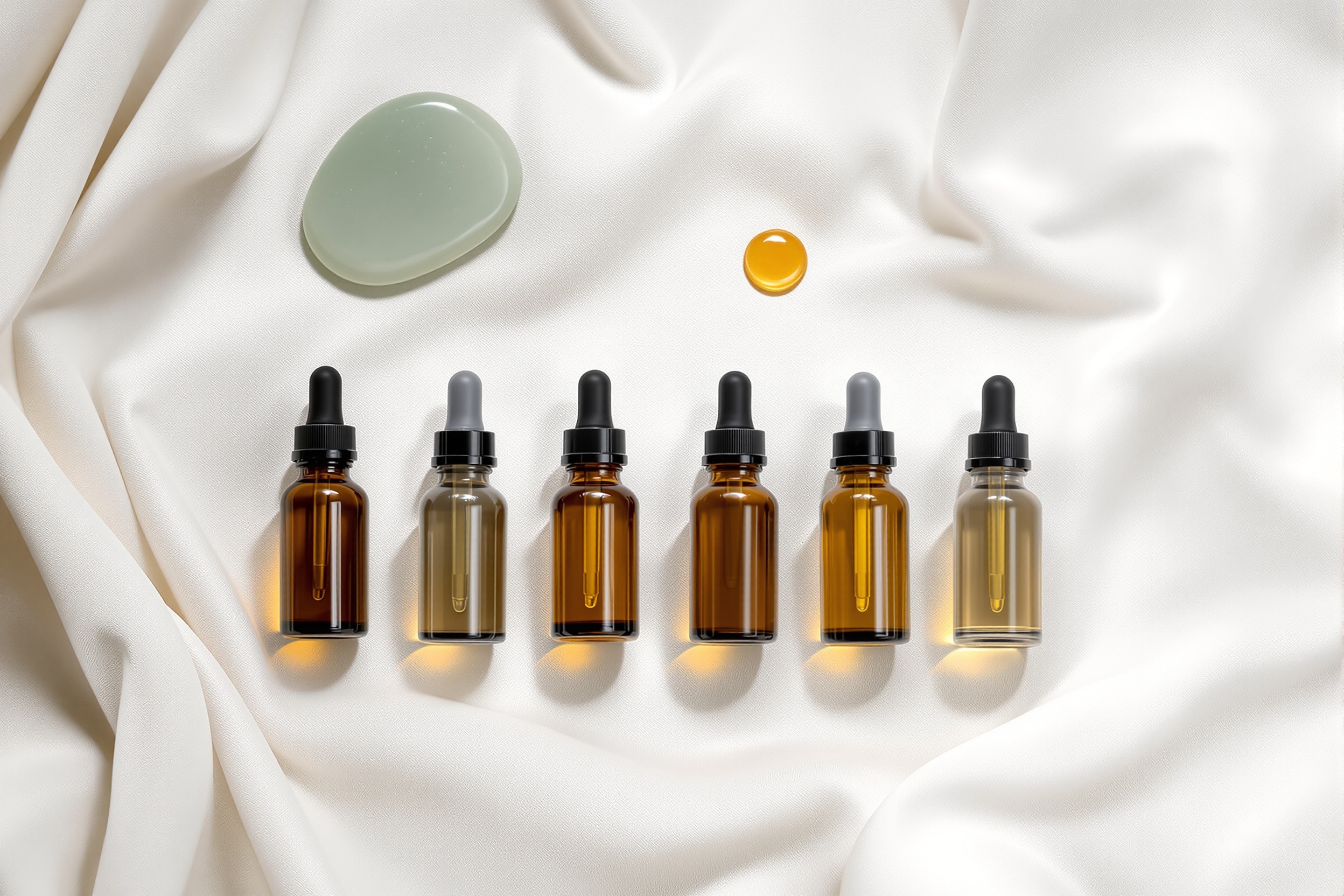
- Jojoba oil. Yes — this is one of the best matches for gua sha because its lipid profile closely mirrors human sebum. Non-comedogenic, glides well, suits oily and combination skin especially well. Already covered in our 4 best.
- Argan oil. Yes — rich in vitamin E and fatty acids, lightweight enough for daily facial use. Works well for dry or mature skin. A solid alternative if you can’t tolerate jojoba.
- Castor oil. Body only — too thick and sticky for facial gua sha, and the friction it creates against a stone can tug skin. Use it for body lymph work or castor oil packs over the abdomen instead.
- Coconut oil. Skip for the face. Highly comedogenic for most skin types. The pore-clogging complaints associated with gua sha are almost always traced back to coconut oil sessions.
- Olive oil. Not ideal — oxidizes quickly when warm, and the polyphenols can be irritating on sensitive faces. Fine for body if cold-pressed and stored properly.
- Bio oil. No — contains mineral oil and fragrance, both of which block barrier function and can cause reactivity over time. The marketing is louder than the science here.
Can you use gua sha without oil?
You can — but you shouldn’t, especially on the face. Without slip, the tool drags the skin instead of gliding across it. That micro-trauma is exactly what facial gua sha is trying to avoid. Over weeks, dry tool work creates the opposite of what the practice is meant to deliver: more puffiness from inflammation, broken cacompleteies, and pulled skin around the eyes and jaw.
The two exceptions: scalp gua sha (the tool moves through hair, so traction isn’t a factor) and body gua sha over thicker skin like the back or thighs, where some practitioners use minimal oil with broader strokes. For everything from neck up, use enough oil that the stone glides without pause.
The lipid-profile rule: why squalane and jojoba win
The reason squalane and jojoba consistently outperform every other oil for facial gua sha isn’t marketing — it’s biochemistry. Both closely mimic the lipid composition of healthy sebum, which means the skin barrier accepts them without triggering the inflammatory cascade that mineral oil or coconut oil can.
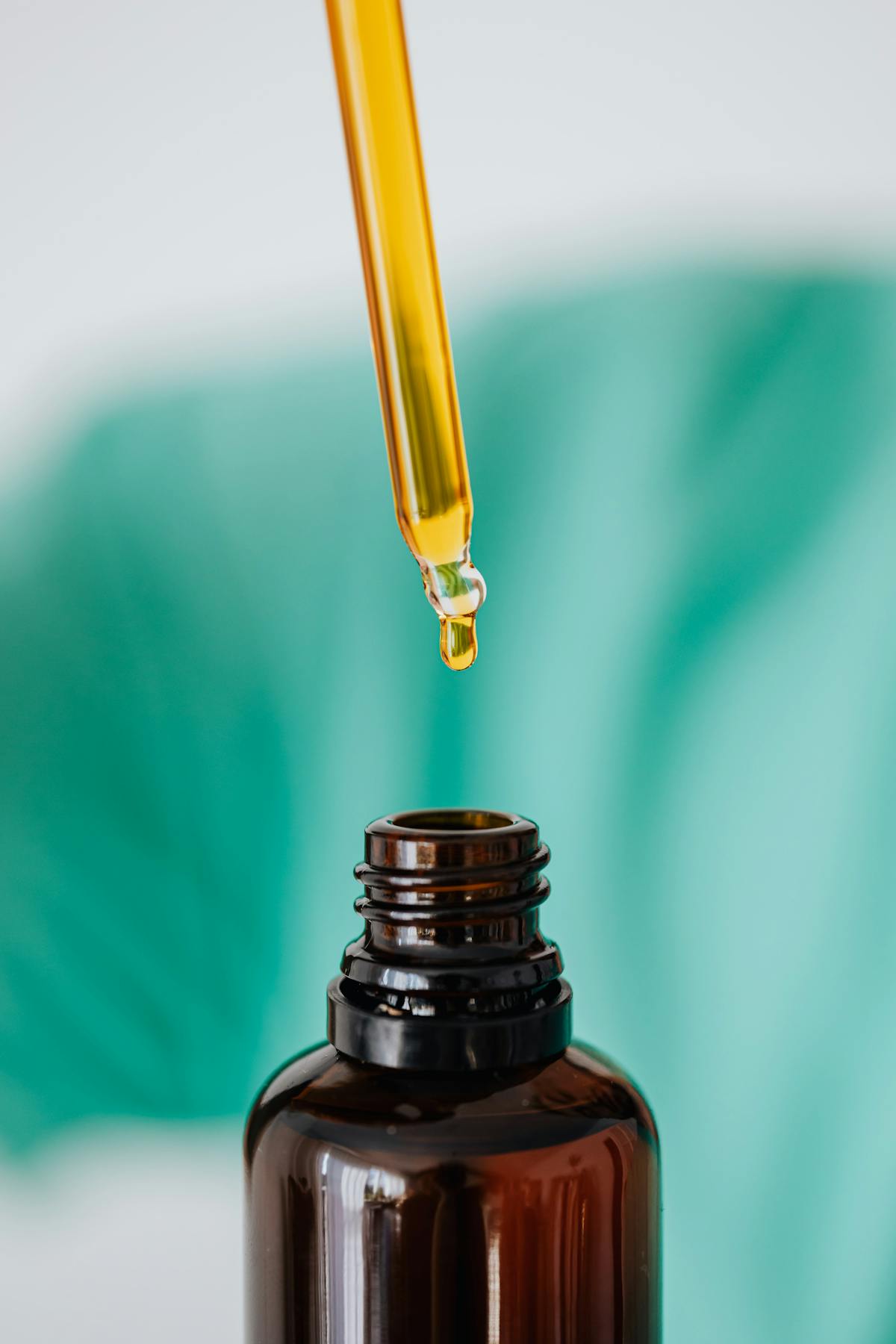
According to PubMed-indexed research by Pazyar et al. (2013), jojoba oil supports stratum corneum repair while remaining non-comedogenic across skin types (DOI 10.5326/JAAHA-MS-5841). Squalane similarly shows one of the lowest reactivity rates of any cosmetic oil in dermatology reviews. Translation: the oil isn’t an afterthought. Choose one whose molecular structure resembles your skin’s own, and the practice becomes additive instead of irritating.
What to do after gua sha: wipe, rinse, or leave on?
This is the most-searched question that no one explains clearly. The answer depends on when you’re doing it and what’s underneath.

- Morning routine? Leave the oil on. It becomes your moisturizer base, and sunscreen layers on top without trouble (squalane and jojoba are makeup-compatible).
- Evening routine? Leave it on too — overnight is when the skin barrier does most of its repair, and the oil supports that.
- Did you use a thicker oil like marula or rosehip? Press a soft tissue over the skin to absorb the surface layer if it feels heavy, but don’t wash it off with cleanser.
- Doing gua sha mid-day? Wipe gently with a cotton round — the oil will have done its barrier-support job during the massage, and you can re-apply a lighter version under makeup if needed.
The one rule that holds across every situation: don’t follow gua sha with a foaming cleanser. You just spent 5-10 minutes opening lymphatic flow and supporting the barrier. Stripping the skin immediately after defeats the purpose.
Frequently asked questions
Can I use any face oil I already own?
If it’s one of the four above or similar (squalane, jojoba, rosehip, marula), yes. If it’s heavier (coconut, avocado) or has actives that need slow absorption (retinol serums, vitamin C), no — those are not suited to the friction of tool work and can disrupt the skin barrier when mechanically pushed in.
Do I need a separate oil for body lymph work?
For body work, you can use simpler, less expensive oils (sweet almond, sunflower, light coconut) because the body is less reactive than the face. Save the premium facial oils for the face.
Will the oil clog my pores?
Not if it matches the skin type. Jojoba and squalane are both non-comedogenic. Rosehip is light. Marula is anti-inflammatory. Coconut oil on the face is what causes most pore-clogging complaints — and coconut is not on this list for that reason.
Do I have to wash off the oil after gua sha?
No — the oil completes the practice rather than being something to clean away. The exception is if you used a particularly heavy oil and the residue feels uncomfortable; in that case, press (don’t wipe) with a soft cloth. Cleansing immediately after gua sha undoes the barrier support the oil just provided.
What’s the best facial oil for lymphatic drainage if I have acne-prone skin?
Squalane (olive-derived) and jojoba are both non-comedogenic and won’t trigger breakouts. Avoid coconut oil, sweet almond, and anything with added fragrance. If your skin is currently inflamed from active breakouts, take a week off from gua sha entirely — mechanical pressure on inflamed tissue spreads it.
Can I use the same oil for gua sha that I use for facial massage without a tool?
Yes. The same logic applies: enough slip to prevent dragging, no comedogenic ingredients, and a lipid profile your skin tolerates. The reason gua sha gets stricter attention is the added pressure of the stone — if the oil is wrong, it shows up faster.
What the research shows
- Jojoba on skin barrier: Comparative studies show jojoba oil supports stratum corneum repair without comedogenicity (Pazyar et al., 2013).
- Rosehip vitamin A on skin: Cold-pressed rosehip improves photo-aging markers and pigmentation in controlled studies (Phetcharat et al., 2015).
- Facial massage on lymphatic flow: Visualization studies confirm facial massage directs lymph along the documented drainage pathways (de Godoy et al., 2017).
- Squalane and reactivity: Olive-derived squalane has one of the lowest published rates of reactivity in dermatology comparison studies (Huang & Cheng, 2018 review).
Always patch-test new oils on the inner forearm for 48 hours before applying to the face.
What “Single-Ingredient Cold-Pressed” Means (And Why It Matters)
The facial oil market is flooded with blends — bottles labeled “facial oil” that contain 8 to 20 ingredients including synthetic fragrance, preservatives, and filler oils. For gua sha and lymphatic work, you want the opposite: ONE plant oil, cold-pressed (no heat damage), and ideally organic. Single-ingredient gives you control: if your skin reacts, you know exactly to what.
Top 4 single-ingredient options for face work:
- Jojoba oil — technically a wax ester, mimics human sebum, non-comedogenic, anti-inflammatory. Best for sensitive and combination skin.
- Rosehip seed oil — high in trans-retinoic acid (vitamin A precursor) and vitamin C. Best for mature and anti-aging routines. Slightly heavier feel.
- Squalane (sugarcane-derived) — mimics skin\’s own sebum, lightest feel, non-comedogenic. Best for oily and acne-prone skin.
- Sweet almond oil — gentle, vitamin E rich. Avoid if tree-nut allergic.
Oils to AVOID for Facial Lymphatic Work
- Coconut oil — comedogenic on face skin for most people. Great for body, not face.
- Mineral oil / petroleum derivatives — occlusive, traps everything underneath, no actual nutritional contribution to skin.
- “Facial oil” blends with fragrance — fragrance is the #1 contact allergen across personal care per Bai 2020 (DOI). The face is the wrong place to test fragrance tolerance.
- Essential oil blends not diluted in a carrier — can sensitize over time. Less is more.
- Drugstore “anti-aging serums” sold as oil — often contain dimethicone (silicone) and synthetic emollients, not actual plant oil.
How Much Oil and When to Apply
Amount: 4 to 6 drops total. Less and the tool drags; more and you waste product without added benefit.
Skin state: clean, damp (not dry, not wet). Apply right after toner/essence step, before serums or moisturizer.
Timing: let the oil sit 30 seconds before starting gua sha so it has time to absorb partially. Working into pure liquid oil makes the tool slip too much for control.
Tool prep: wipe the gua sha or roller across your inner wrist first to warm it slightly (cold tools are great for AM de-puff but uncomfortable starting a long routine).
- Ahn et al. 2025 — RCT (n=34, 8 weeks): gua sha significantly reduced facial muscle tone; jade roller significantly improved skin elasticity. Both measurably improved facial contour. J Cosmet Dermatol. DOI
- Picelli et al. 2026 — Manual lymphatic drainage adjunct therapy reduced limb circumference at 7 of 9 anatomical sites in chronic lymphedema. Minerva Med. DOI
- Donahue et al. 2023 — Lymphedema management review: confirms manual stimulation as core of standard care. Breast Cancer Res Treat. DOI
- Ezzo et al. 2015 (Cochrane) — Manual lymphatic drainage adds 7.11% volume reduction beyond compression for breast-cancer lymphedema. Cochrane Database Syst Rev. DOI
- De Vrieze et al. 2017 — Fluoroscopy-guided MLD documents lymphatic transport responding to manual stimulation. Eur J Obstet Gynecol Reprod Biol. DOI
- Mahbub et al. 2020 — Vibration significantly increased skin blood flow in older adults — mechanism relevant for any pumping technique. Int J Environ Res Public Health. DOI