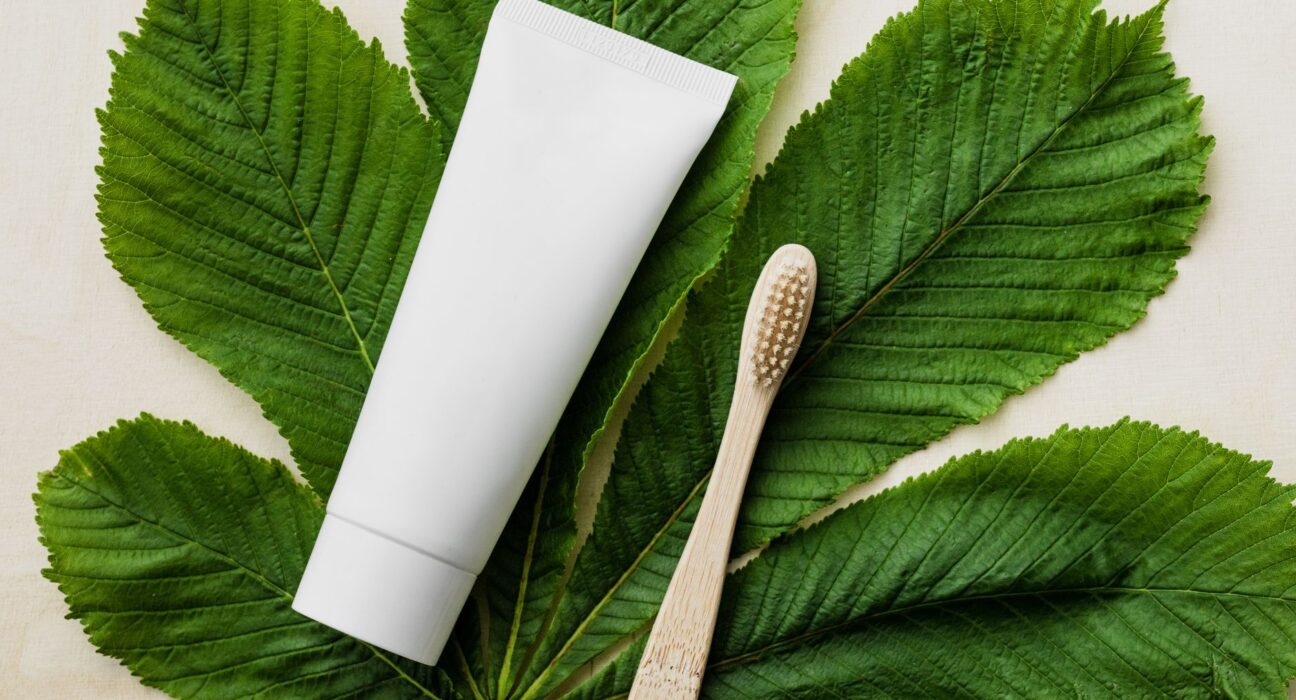
This homemade toothpaste recipe guide is the pillar for the 4 main natural toothpaste bases: coconut oil, clove, bentonite clay, and hydroxyapatite-focused. The Find My Best Match Tool below routes you to the right base for your specific oral health need in about 60 seconds. Each base then has its own Customization Tool to dial in the right actives for whitening, sensitive teeth, gum support, kids, pregnancy, or amalgam-safe brushing.
Which Homemade Toothpaste Base Is Right For You?
3 quick questions. Get matched to your ideal base (coconut, clove, bentonite, or hydroxyapatite-focused) plus a link to the full recipe.
Step 1 of 3: What is your top oral health priority right now?
Step 2 of 3: What is your texture preference?
Step 3 of 3: Any restrictions?
Required Ingredient Picks (Any Base)

Nutiva Organic Virgin Coconut Oil 54 oz
Base for the coconut oil recipe AND the foundation for clove and kid versions.
View on Amazon →
Bob’s Red Mill Baking Soda (4-pack)
Aluminum-free, food-grade. Used in coconut, clove, and whitening bases.
View on Amazon →
Pure Nano Hydroxyapatite Tooth Powder
The fluoride-free remineralization active. Required for sensitive teeth and hydroxyapatite-focused recipes.
View on Amazon →The 4 Bases For Every Homemade Toothpaste Recipe
Almost every homemade toothpaste recipe online builds on one of four bases. Knowing which base matches your issue makes the difference between a recipe that fits and one that drifts. Here is the 30-second overview:
- Coconut oil base — the most versatile. Coconut oil contributes lauric acid, the only base ingredient with documented antimicrobial activity. Best for general prevention, fresh breath, and gum support. Full coconut oil recipe + Customization Tool.
- Clove toothpaste base — the strongest antimicrobial. Clove eugenol delivers both analgesic and antibacterial action. Best for active gum inflammation, toothache history, or strong antimicrobial needs. Full clove recipe + Customization Tool.
- Bentonite clay base — gentle mineral remineralization with binding action against heavy metals. Best if you have amalgams or general heavy metal concerns. Full bentonite recipe.
- Hydroxyapatite-focused recipe — the fluoride-free remineralization standard. Best for sensitive teeth, white spot lesions, post-orthodontic care. Full hydroxyapatite guide.
What Goes In A Homemade Toothpaste (Across All 4 Bases)
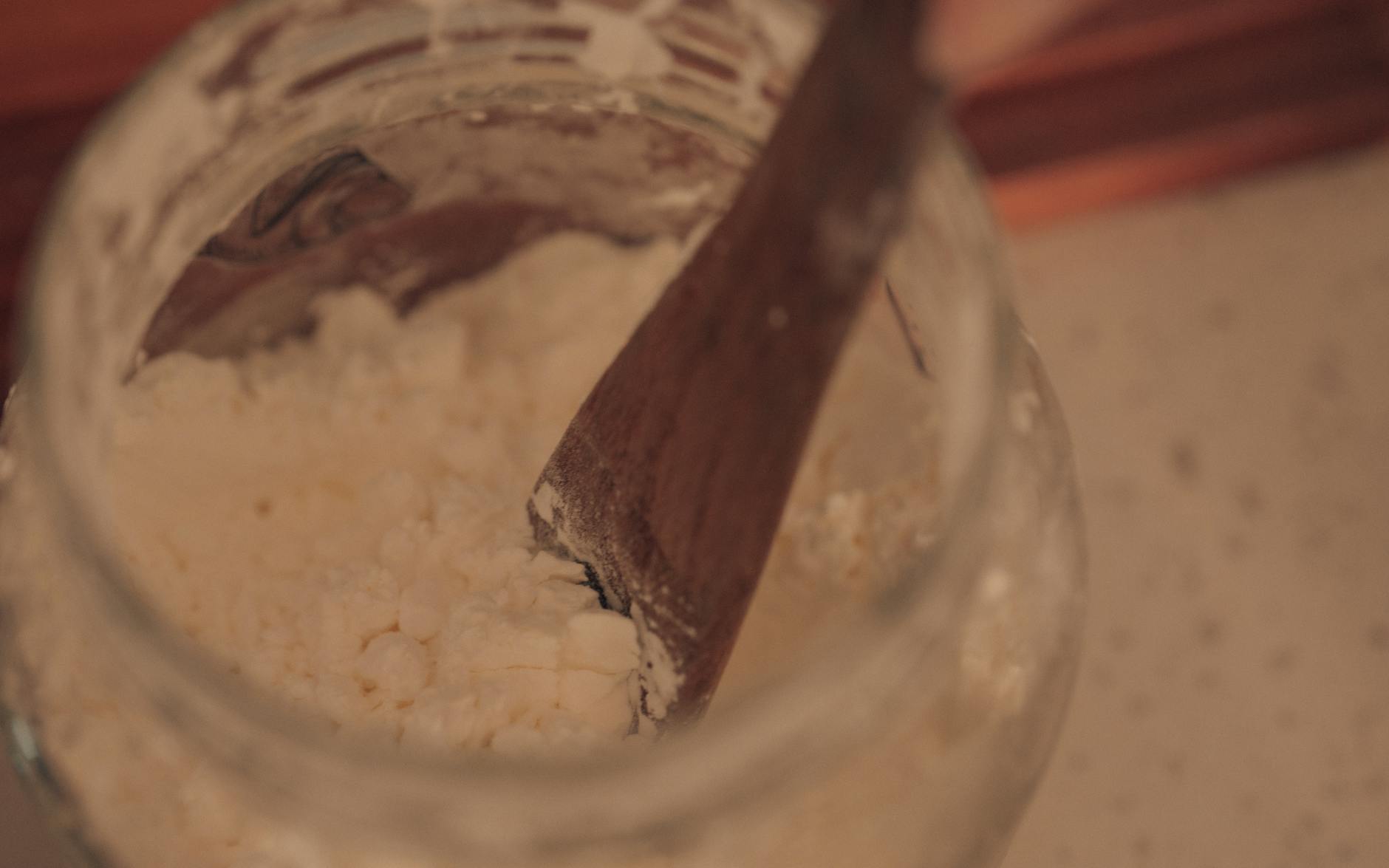
Every homemade toothpaste contains a structural base (the carrier), one or more actives (the working ingredients), and optional flavor or sweetener. Understanding the categories helps you swap ingredients confidently rather than feeling locked to a single online recipe.
The Base
One of: virgin coconut oil (semi-solid, melts on the brush), bentonite clay (powder form, mix with water for use), or a pure hydroxyapatite-and-glycerin matrix. The base determines texture and shelf life.
The Abrasive (Optional)
Aluminum-free baking soda is the most common. It raises oral pH and provides gentle surface cleansing. SKIP this category if you have amalgam fillings or composite restorations on the front teeth.
The Remineralizer (Optional but Highly Recommended)
Nano-hydroxyapatite is the gold standard. According to research from the Ünal 2025 RCT, nHAp outperformed both CPP-ACP and fluoride for enamel remineralization. Add 1 teaspoon per batch for sensitive teeth or post-orthodontic recovery.
The Antimicrobial (Optional)
Clove essential oil (eugenol), peppermint essential oil, tea tree, or oregano oil. The Shahzad 2026 systematic review confirms herbal-actives-containing toothpastes match commercial paste for plaque control. Use sparingly — essential oils are potent; more is not better.
The Sweetener (Optional)
Xylitol is the gold standard. It improves taste AND has anti-cavity effects by disrupting Streptococcus mutans. WARNING: highly toxic to dogs — keep your jar sealed and out of reach if you have pets.
How To Make Homemade Toothpaste Step By Step
The Find My Best Match Tool above routes you to the specific recipe for your situation. Here is the universal assembly process every base shares:
- Choose your base. For coconut: 2 tablespoons softened virgin coconut oil. For bentonite: 2 tablespoons powder + enough filtered water to form a paste. For hydroxyapatite-focused: 1 teaspoon nHAp powder in a vegetable glycerin or coconut oil carrier.
- Mix dry actives first. Combine the abrasive (baking soda) and any powder remineralizers (hydroxyapatite, CoQ10, activated charcoal) in a small glass jar with a non-metal spoon. Stir to disperse.
- Add the base. Scoop in the softened oil or clay slurry and stir until a smooth paste forms.
- Add essential oils last. Count drops one at a time. 2 to 4 drops total per 2-tablespoon batch is usually plenty.
- Add the sweetener. 1 teaspoon xylitol stirred in to taste.
- Cap and store. Glass jar with a wide mouth at room temperature. The paste will firm up below 76 degrees Fahrenheit if you used a coconut oil base — that is normal.
How To Use Homemade Toothpaste
Wet your toothbrush, scoop a pea-sized amount with the bristles or a clean wooden popsicle stick. Brush gently in small circles for two full minutes. Pay extra attention to the gum line.
When you finish, spit the foam into the sink but do not rinse with water afterward. Leaving a thin film of paste on the teeth gives the actives time to keep working between brushings. This single habit change is the most under-appreciated upgrade in any oral care routine.
If you used a coconut oil base, do not spit it directly into a household drain repeatedly — coconut oil can solidify in cold pipes over time. Spit into a tissue or paper towel and toss in the trash.

Why Switch From Commercial Toothpaste
Three reasons:
- Cost. A 2-tablespoon batch of coconut oil paste costs about $2 and lasts 2 weeks. The natural commercial alternatives (Truvani, RiseWell, Bite) run $8 to $14 per tube. Annual savings of $200 to $400 per person, more for a family.
- Ingredient control. No mystery natural flavor blend, no glycerin (which some integrative dentists worry interferes with enamel remineralization), no preservatives, no carrageenan, no PEG. You know exactly what is in your toothpaste because you put it there.
- Customization. Commercial pastes ship one formula for everyone. Homemade lets you match the actives to your situation: heavier remineralization for sensitive teeth, more antimicrobial for active gum inflammation, gentle and unflavored for kids, no abrasives near amalgams.
The Evidence Stack: What Research Says About Homemade Toothpaste Ingredients
7 peer-reviewed studies on the actives in homemade toothpaste
A snapshot of what the research supports and what it does NOT prove. Read this first, then scan the studies.
What The Research Supports
- Coconut oil pulling reduces plaque and gingival inflammation within 7 to 30 days (RCTs + systematic review)
- Hydroxyapatite-fluoride toothpaste outperformed fluoride-only paste for enamel lesion reduction over 24 months in 610 children
- Nano-hydroxyapatite OUTPERFORMED both CPP-ACP and fluoride for enamel remineralization in clear aligner patients (6-month RCT)
- Zn-carbonate hydroxyapatite deposits onto enamel and composite resin in 30 days of home use
- Traditional natural oral hygiene (miswak, oil pulling, herbal pastes) shows non-inferiority to commercial paste for plaque control (31-study systematic review)
- Each of the 4 bases (coconut, clove, bentonite, hydroxyapatite) brings a documented active to the table
What It Does NOT Prove
- Homemade toothpaste alone reverses established periodontitis without dental care
- Every recipe formulation is identical — ratios and ingredient quality matter
- Hydroxyapatite is universally available in clinical dose without a quality supplier
- Coconut oil pulling replaces twice-daily brushing — it is ADJUNCT, not substitute
- Long-term enamel safety over 5+ years — most trials are 1 to 24 months
- Every reader will respond identically (genetic + microbiome variation matters)
Pattern Observations: What Real Homemade Toothpaste Users Report
3 Patterns We See Across Homemade Toothpaste Switchers
Pattern 1: People pick the wrong base for their actual issue
Most readers default to the coconut oil recipe (it is the most popular). But if the real issue is sensitive teeth, the hydroxyapatite-focused recipe will deliver faster results. The Find My Best Match Tool above routes you to the right base instead of the most-shared one.
Pattern 2: The first 7 days feel weird, then it does not
Across all 4 bases, readers report a 5 to 7 day adjustment period where the taste and texture feel strange compared to commercial paste. By day 10, most prefer it. By day 30, they will not go back. The adjustment is universal — do not give up at day 3.
Pattern 3: Stacking 2 bases (rotate days) beats sticking to 1
Some of the strongest reader feedback comes from people who rotate between two bases — for example, coconut oil base on weekdays + hydroxyapatite on weekends, or clove during a flare-up week then coconut during maintenance. Each base brings a different active, and rotating gives the mouth a broader portfolio of support.
Expert Synthesis: How To Think About Homemade Toothpaste
The biggest mistake people make with homemade toothpaste is treating it as one decision. It is two decisions: which base, then which actives within that base. The base is structural (oil, clay, or powder carrier). The actives are functional (antimicrobial, remineralization, whitening, antiplaque). Pick the base for your situation, then layer the actives that match your goal.
The second mistake is following the most-shared recipe without checking it against your situation. The internet’s most popular homemade toothpaste recipe is the coconut oil + baking soda + peppermint baseline — which is great for most adults. It is wrong for amalgam fillings (the baking soda is mildly abrasive on amalgam edges) and wrong for severe sensitivity (it needs hydroxyapatite instead). Use the Find My Best Match Tool above to route to the right base.
The third mistake is expecting overnight results. All four bases need 14 to 30 days to show measurable change. Stick with the daily practice. Add coconut oil pulling on the mornings you have time. And replace your toothbrush every 90 days — even the best homemade paste cannot compensate for a brush that has lost its bristle integrity.
The Mouth Mirrors The Body
Chronic gum bleeding, recurring decay, persistent bad breath — these are often the mouth signaling about systemic load (gut dysbiosis, heavy metal burden, blood sugar instability, chronic dehydration). Switching to a homemade paste is a great topical win, but the strongest results come from pairing it with lowering the underlying load the mouth is responding to.
Use The Toxic Load Tool →Universal Shopping List for Any Homemade Toothpaste
These are the ingredients you will use across multiple base recipes. Buy once, make many batches.
Nutiva Organic Virgin Coconut Oil 54 oz
The most versatile base — foundation of the coconut, clove, and kid versions.
View on Amazon →Bob’s Red Mill Baking Soda (4-pack)
Aluminum-free. Used in coconut, clove, and whitening bases.
View on Amazon →Pure Nano Hydroxyapatite Tooth Powder
Outperformed fluoride for enamel remineralization in the Ünal 2025 RCT.
View on Amazon →
NOW Foods Pure Xylitol
Sweetener with anti-cavity effect. Toxic to dogs — keep sealed.
View on Amazon →
Plant Therapy Peppermint Essential Oil 10 ml
100 percent pure peppermint — flavoring + mild antimicrobial.
View on Amazon →
Hyperbiotics Pro Dental Probiotic
Targets the K12 strain for oral microbiome balance.
View on Amazon →If you only choose one
Start with Nutiva Organic Virgin Coconut Oil + Bob’s Red Mill Baking Soda. Those two ingredients alone (plus a drop of peppermint oil) make the most universal baseline recipe and apply across 3 of the 4 base types.
Common Questions About Homemade Toothpaste
How long does a batch of homemade toothpaste last?
A 2-tablespoon batch lasts one person about 2 weeks at twice-daily use. Store in a small glass jar at room temperature.
Can I make homemade toothpaste without coconut oil?
Yes. The bentonite clay base is coconut-free, as is a pure hydroxyapatite-and-water powder version. The Find My Best Match Tool routes you appropriately.
Is homemade toothpaste safe for pregnancy?
The Kid-Safe / Pregnancy versions of the coconut oil base and bentonite base are designed for this exact use case. Skip recipes that include high doses of essential oils during pregnancy.
Why not just use fluoride toothpaste?
Hydroxyapatite (the natural building block of enamel) outperformed fluoride for enamel remineralization in the Ünal 2025 RCT. The 24-month Cocco 2025 trial in 610 children showed hydroxyapatite-fluoride paste beat fluoride alone for reducing enamel lesions. Hydroxyapatite is the fluoride-free remineralization standard.
Related Recipes (Full Spoke Library)
Once you have your match from the Find My Best Match Tool, the full recipe lives in the matching spoke article. Each spoke has its own Customization Tool to dial in the right actives for your specific issue:
- Homemade Coconut Oil Toothpaste Recipe + Customization Tool — the most versatile base, with 8 personalized variations
- Homemade Clove Toothpaste Recipe Customization Tool — for active gum support and antimicrobial needs
- Bentonite Clay Toothpaste Recipe — gentle mineral remineralization with heavy metal binding
- Hydroxyapatite Toothpaste Benefits — the fluoride-free remineralization standard
This post may contain affiliate links, which means we may receive a small commission, at no cost to you, if you make a purchase through a link. Photos courtesy of Pexels.