

Sinus Herbal Remedy Picker
Sinus pressure that won't quit. Allergies that flare every spring. Recurring infections that send you back to the antibiotic prescription. The conventional medical response is short courses of treatment that work in the moment but never address why your sinuses keep flaring. Herbal remedies do something different: they modulate the underlying inflammation, support the nasal barrier, and reduce bacterial adherence — making future flares less likely.
This article walks through the four highest-evidence herbal sinus tools (quercetin, nettle, xylitol nasal spray, breathe-style tea), matches them to specific sinus patterns, and frames why most chronic sinus issues are downstream of an upstream toxic-load problem.
First: use the Sinus Herbal Remedy Picker above
Three questions sort your pattern, trigger, and preferred form. The tool returns a specific herbal stack to start with.
4 Herbal Sinus Allies Worth Stocking
PA-API verified. Affiliate links — same price to you, supports the site.
Mold and mycotoxin work is brutal when it's actually mold and frustrating when it isn't. The same brain fog, fatigue, and inflammation show up across all four toxic load types, which is why so many people spend months on the wrong protocol before that becomes obvious. The 2-minute What's Draining Your Brain Tool helps confirm or rule out mold as your dominant load before you commit to the next phase of work.



The 4 herbal sinus tools that have real evidence
1. Quercetin. A natural flavonoid that stabilizes mast cells — the immune cells that release histamine and drive allergic congestion. Research-backed for allergic rhinitis symptom reduction. Daily dose: 500 mg with bromelain (helps absorption + thins mucus).
2. Stinging nettle. Traditional anti-allergic herb, especially for pollen-driven congestion. Take as capsule or steeped tea. Daily dose: 300-500 mg dried leaf extract or 2 cups tea.
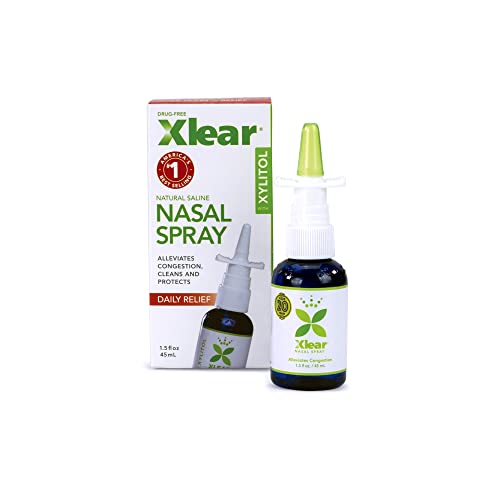
3. Xylitol nasal spray. Saline + xylitol blocks bacteria from adhering to the sinus lining (proven anti-adhesive effect against Streptococcus pneumoniae). Use 2-4x daily during flare seasons or preventively for recurring infections.
4. Breathe-style sinus tea. Eucalyptus + ginger + thyme + licorice blends combine mechanical decongestion (steam) with herbal anti-inflammatory action. Brew, breathe the steam first, then sip.
Recurring sinus issues are downstream of upstream load
The 4-week herbal sinus reset
Week 1: Add xylitol nasal spray 2x daily morning and night. Start nettle tea 1-2 cups daily.
Week 2: Add quercetin + bromelain capsule with breakfast. Continue spray + tea.
Week 3: Layer in breathe-style sinus tea after dinner. Watch for noticeable reduction in morning congestion and post-nasal drip.
Week 4: Assess. Most people see meaningful symptom reduction by week 4. If not, that's the signal to escalate to the Toxic Load Assessment — mold or food sensitivity is likely the upstream driver.
Research behind herbal sinus support & xylitol therapy
- Naso M, et al. (2025). Quercetin and Its Lecithin-Based Formulation for Allergic Diseases. Nutrients, 17(9):1476. [DOI]Comprehensive 2025 review: quercetin inhibits mast cell degranulation, reduces histamine and pro-inflammatory cytokines, and demonstrates clinical symptom improvement in allergic rhinitis (sneezing, congestion, rhinorrhea).
- Caglayan Sozmen S, et al. (2016). Effects of Quercetin Treatment on Epithelium-derived Cytokines in Allergic Airway Inflammation. Iran J Allergy Asthma Immunol, 15(6):487-497. [PubMed]In a controlled mouse model of allergic airway inflammation, quercetin reduced epithelial thickness, mast cell numbers, IL-4, IL-25, IL-33, and TSLP — matching dexamethasone in several outcomes.
- Sakallioglu O, et al. (2014). Xylitol and its usage in ENT practice. J Laryngol Otol, 128(7):580-5. [DOI]Review confirms xylitol's anti-adhesive effect against Streptococcus pneumoniae (most common sinusitis bacterium) and supports its preventive use for rhinosinusitis and otitis media.
Frequently Asked Questions
How long until herbal sinus remedies work?
Acute relief (steam tea, nasal spray): same day. Systemic mast-cell modulation (quercetin, nettle): 2-4 weeks of consistent daily use. Don't bail at day 5 because nothing changed yet.
Can I take quercetin with allergy medication?
Yes, in most cases. Quercetin is generally well-tolerated alongside antihistamines. Discuss with your prescriber if you're on multiple medications or have hepatic concerns.
Is xylitol nasal spray safe for daily use?
Yes for adults. Per PubMed evidence, daily use is what produces the anti-adhesive bacterial effect. Avoid sharing the bottle (cross-contamination).
What about during pregnancy?
Talk to your provider. Many herbal sinus remedies (especially licorice in some Yogi blends) have pregnancy considerations. Xylitol nasal spray and warm saline rinses are generally low-risk; oral herbal supplements require provider guidance.
Can kids use these?
Xylitol spray and breathe-style tea are usually OK for kids over 5 (check tea ingredients for caffeine-free). Quercetin and nettle capsules are typically not recommended under 12 without practitioner guidance.
Bottom line
Herbal remedies don't replace medical care for acute or severe sinus infections — but for the chronic flares and recurring patterns, they address the underlying inflammatory and microbial mechanisms in ways that prescription medications generally don't. Use the Picker above to match your pattern, and pair with the Why-Sinus-Infections decoder for the upstream view.


