
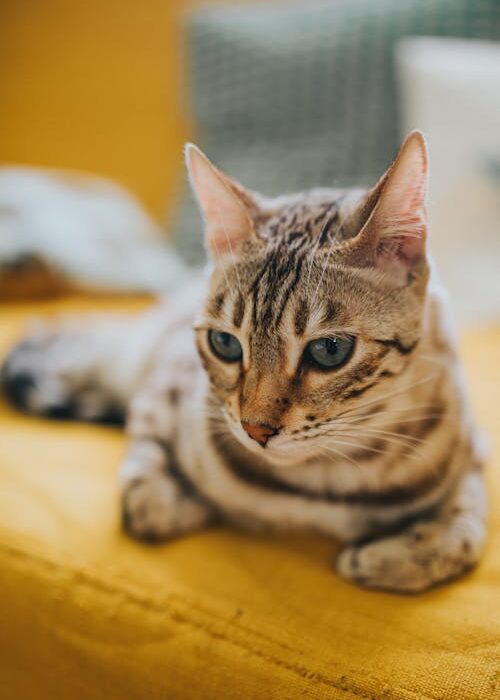
If your cat keeps sneezing, gets watery eyes, or seems congested every few months, you may be dealing with feline herpesvirus. It is one of the most common reasons cats develop runny noses and weepy eyes. There is no cure, but there is a popular supplement many cat parents reach for first. That supplement is l-lysine.
This guide explains, in plain language, what l-lysine for cats with herpes actually does. We compare powder, paste, and chews. We share dosing notes from the most trusted brands. And we help you pick the form your cat will actually eat.
Please remember, herpesvirus needs a real vet diagnosis. L-lysine is a supportive supplement, not a treatment. We always recommend working with your veterinarian for a flare-up plan.
Key Takeaways
- L-lysine is an amino acid many cat parents use to support cats with feline herpesvirus.
- Studies are mixed, but many owners report fewer sneezing flare-ups with daily use.
- You can find l-lysine as a powder, a soft chew, or a flavored gel paste.
- The right form depends on your cat’s pickiness, age, and willingness to take treats.
- Always talk to your vet before starting any new supplement, especially for kittens.
What Is Feline Herpesvirus?
Feline herpesvirus type one is extremely common. Vets believe most cats are exposed at some point in their lives. The virus stays in the body, often quietly, and flares up during stress, illness, or changes at home.
A typical flare looks like sneezing fits, runny nose, watery eyes, squinting, or mild congestion. Some cats develop eye ulcers. Kittens, shelter cats, and stressed seniors tend to have the worst symptoms.
This is not the same as human herpes. You cannot catch it from your cat. It is also not the same virus that causes feline upper respiratory infections in every case, though herpesvirus is one of the top causes.
What you will learn in this video:
- How feline herpesvirus spreads between cats in homes and shelters.
- The signs and symptoms of an active flare you can spot at home.
- What veterinarians do and do not recommend for ongoing care.
- How daily supplements and stress reduction may help reduce flare-ups.
How L-Lysine for Cats with Herpes May Help
L-lysine is an amino acid. The idea behind giving it to cats with herpesvirus is that lysine may compete with arginine, another amino acid the virus uses to multiply. In theory, more lysine means fewer copies of the virus during a flare.
Research has had mixed results. Some studies suggest a benefit. Others show little change. Many vets still recommend a trial, since the supplement is widely considered safe in normal doses. Cat parents often see fewer sneezing days within four to six weeks of consistent daily dosing.
Common Dosing Notes
Adult cats are usually given about 500mg of l-lysine once or twice a day. Kittens are usually given about 250mg per day. Always confirm the exact amount with your vet, especially if your cat is on other medications.
Vetoquinol Viralys L-Lysine Powder for Cats

Source: amazon.com
A fish-flavored powder that mixes into wet food for easy daily lysine support.
The Wellthie One Review
This is the most well known l-lysine product for cats and a long time vet favorite. The fish flavor blends into wet food without too much fuss. The powder dissolves quickly. We like that the scoop is included and that the daily cost is very low. For households with multiple cats, the larger jars are an easy choice.
Viralys L-Lysine Powder Attributes
- Fish flavored to mix into wet food
- 500mg of l-lysine per scoop for adult cats
- Easy to add to a daily feeding routine
- Trusted brand commonly recommended by vets
- Cost effective for multi-cat homes
L-Lysine Powder vs Paste vs Chews
The form you pick matters more than most cat parents realize. A perfect supplement that your cat refuses is worth zero. Here is how the three main forms compare.
Powder is the easiest for cats that already eat wet food daily. You sprinkle a small scoop in and mix. Most cats do not notice the difference. The drawback is that powder is messier and can settle at the bottom of the bowl.
Soft chews are the simplest if your cat already loves treats. They are perfect for traveling and quick dosing. The challenge is that picky cats may sniff and walk away. Some chews are sweetened, so check the ingredients.
Flavored gel paste sits in the middle. You squirt a small amount onto a finger or directly into the mouth. This is the most reliable option for cats who hate food changes or who skip meals. Some owners also use a clean dish.
Which Form Suits Your Cat?
If your cat eats wet food, start with the powder. If your cat is a treat lover, try the chews. If your cat is a picky senior or a stressed kitten that skips meals, the gel paste is often the easiest win.
VetriScience Lysine Immunity Health Chews

Source: amazon.com
Chicken-flavored soft chews with 250mg of lysine plus immune support nutrients.
The Wellthie One Review
For treat-loving cats, these chews are a near perfect option. The chicken flavor is appealing to most cats we have tested. We like that they pack lysine plus added immune support nutrients into a single soft chew. They are also great for travel, since you do not need to measure or scoop anything.
VetriScience Lysine Chews Attributes
- 250mg of l-lysine per chew
- Chicken flavor that most cats accept
- Includes added immune support ingredients
- No refrigeration needed, great for travel
- Easy daily dosing, no scoops or pumps
How to Start L-Lysine for Cats with Herpes the Right Way
Start slow. Give about half the suggested dose for the first three days. Watch for any change in appetite, stool, or behavior. If everything looks normal, move to the full daily dose.
Be consistent. The supplement works best when it is given daily for several weeks. Skipping days can reduce the support effect during flares. Tie the dose to a routine you never miss, like morning wet food or bedtime treats.
Track flares. Keep a simple note on your phone of sneezing days, watery eye days, and any visits to the vet. After two months, you will have a clear before and after picture to share with your vet.
What to Watch For
Most cats handle l-lysine without any issues. A small number may have mild loose stool when they first start. If that happens, lower the dose for a week and slowly raise it again. If symptoms continue, stop the supplement and call your vet.
Call your vet right away if you notice eye ulcers, very swollen eyes, breathing trouble, refusing food for more than a day, or extreme tiredness. These signs need professional care, not supplements.
Stress, Immune Support, and Daily Care
Stress is the number one trigger for feline herpesvirus flares. Loud guests, new pets, moving homes, vet visits, and even boarding can trigger sneezing within a day or two. Anything you can do to lower stress at home pays off in fewer flares.
This is why we wrote our guide on calming routines for anxious pets. While the focus there is dogs, many of the calm-home tips work just as well for cats. Quiet zones, predictable feeding times, and gentle play sessions all help.
Other simple supports include filtered water, clean litter boxes, scratching posts in safe corners, and a steady daily routine. None of these will treat herpesvirus directly. But all of them lower the stress that wakes the virus up.
Vetoquinol Viralys L-Lysine Gel for Cats

Source: amazon.com
A maple flavored lysine gel that can be offered on a finger or in a small dish.
The Wellthie One Review
The gel form is the lifesaver for cats who hate food changes. The maple flavor is naturally sweet for the human nose but is well accepted by many cats. A small bead on a finger or a clean dish is usually all it takes. We have found this is also the easiest form to give to a stressed cat who is barely eating during a flare.
Viralys L-Lysine Gel Attributes
- Maple flavored gel that does not require food
- Easy to dose by finger or dish
- 500mg of lysine per teaspoon for adults
- Reliable for picky cats and stressed kittens
- Compact tube that travels well to vet visits
Common Questions About L-Lysine for Cats with Herpes
How long until you see results?
Most cat parents report seeing fewer sneezing days after about four to six weeks of consistent daily use. Some cats respond faster during a flare. Others need a steady two month trial before you can really tell.
Is l-lysine safe for kittens?
Many vets do prescribe lower doses for kittens. However, kittens with feline herpesvirus often need more than a supplement. Always confirm dosing and care with your vet before starting.
Can you give too much l-lysine?
Very high doses over long periods may upset the stomach. Stick with the daily dose on the label or what your vet recommends. More is not better here.
Can lysine replace medication during a flare?
No. During a real flare, your vet may prescribe eye drops, antivirals, or other care. Lysine is a daily background support, not a flare treatment.
Setting a Realistic Expectation
L-lysine for cats with herpes is not a cure. There is no cure. The goal is fewer flares, milder flares, and a more comfortable life for your cat. Many families do see real improvement with daily lysine combined with low-stress routines and proper vet care.
Final Thoughts on L-Lysine for Cats with Herpes
If your cat has been diagnosed with feline herpesvirus, l-lysine is one of the gentler, lower cost daily steps you can try. Pick the form your cat will actually accept. Powder for wet food eaters. Chews for treat lovers. Gel for picky cats and stressed kittens.
Pair the supplement with a calm home, steady routines, and a real care plan from your vet. With time, most families see real improvement in their cat’s day-to-day comfort.
This post may contain affiliate links, which means we may receive a small commission, at no cost to you, if you make a purchase through a link.


