

The first time I noticed extra hair in the shower drain after a family member’s surgery, the timing made no sense to me. The surgery had been three months earlier. Recovery had gone smoothly. Then suddenly, hair was coming out in clumps. We assumed it was unrelated. It was not.
Anesthesia and surgery trigger a process called telogen effluvium, which is your hair follicles all dropping into the resting phase at the same time in response to a major physical stressor. The hair you see falling out 2 to 5 months later was actually shed at the cellular level the day of surgery. It just takes that long for the resting follicle to push the old hair out as the new one grows in underneath.
The frustrating part is that nobody warns you about this at discharge. You leave the hospital with a wound care sheet and a prescription, and three months later you are convinced something else is wrong. The good news is the hair almost always grows back, and there is plenty you can do to support the regrowth and stop active shedding faster.
Key Takeaways
- Post-surgical hair loss usually starts 2 to 5 months after anesthesia and lasts 3 to 6 months.
- The mechanism is telogen effluvium, a stress response. The follicles are not damaged.
- Iron, vitamin D3, biotin, and collagen peptides are the four most-studied nutrients for telogen effluvium recovery.
- Topical rosemary oil and gentle scalp massage can speed regrowth by improving follicular circulation.
- Most people see new growth by month 6 and full recovery by month 12.

Why Anesthesia Triggers Hair Loss Months Later
Hair grows in cycles. About 85 to 90 percent of follicles are actively producing hair at any moment (anagen phase), and the rest are in a resting phase (telogen) before they shed and start over. A major physical stressor, like surgery and the systemic inflammation that follows it, can shift a much larger percentage of follicles into telogen all at once.
Three months later, when those resting follicles release their old hair to make room for new growth, you see the result in the shower drain and the hairbrush. The surgery is the cause but the visible effect lags by 90 to 150 days, which is why the connection is almost always missed.
It is not just the anesthesia. The combined stressors are: blood loss (mild iron drop), prescription antibiotics post-op (gut microbiome disruption affects nutrient absorption), opioid pain meds (slow gut motility, reduce appetite), reduced food intake during recovery, and sleep disruption from pain. All of those compound into the telogen shift.
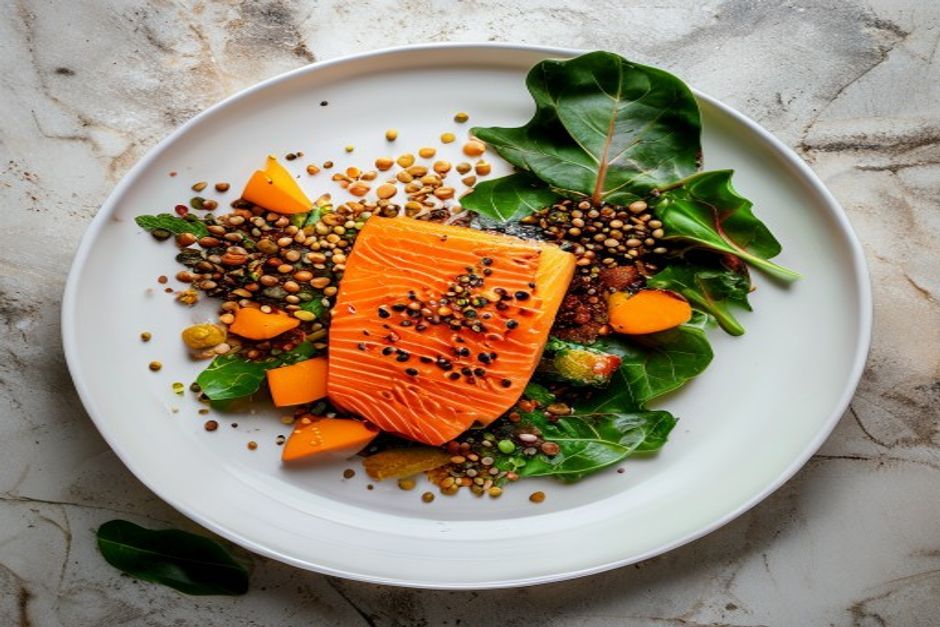
The Four Nutrients That Matter Most
Iron
Surgical blood loss plus the appetite drop in early recovery plus reduced absorption from antibiotics often leaves people mildly iron-deficient by the 3-month mark. Ferritin (stored iron) is what hair follicles need to make new hair, and ferritin under 70 ng/mL is correlated with telogen effluvium in research. Get a ferritin blood test at month 3 if you can. If it is low, an iron bisglycinate supplement (gentler than ferrous sulfate) at 18 to 25 mg daily for 8 weeks usually moves the number.
Vitamin D3 (Paired with K2)
Vitamin D receptors live on hair follicles. Low D is one of the most consistently identified factors in telogen effluvium. Most people coming out of recovery have low D from being indoors during convalescence. 5,000 IU daily of D3 with 100 mcg of K2 for 8 to 12 weeks, then maintain at 2,000 IU. Get blood tested if you can.
Biotin (B7)
The hair-loss vitamin everyone has heard of. Biotin alone will not regrow hair if you are not deficient, but the antibiotic-driven gut disruption that often follows surgery can knock biotin levels down. 5,000 mcg daily for 8 to 12 weeks is the standard hair-loss dose.
Collagen Peptides
Hair shaft is built from amino acids, mainly proline, glycine, and lysine. Collagen peptides are concentrated in those exact amino acids. A scoop in coffee or a smoothie daily for 12 weeks while regrowth is happening gives the follicle the building blocks it actually needs. Look for unflavored hydrolyzed bovine or marine collagen.
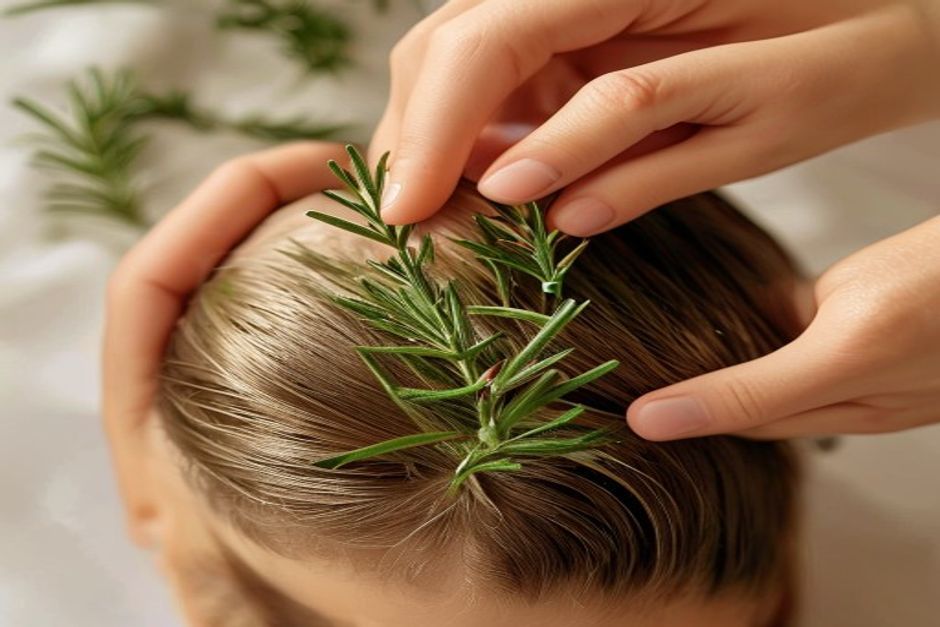
Topical Tools That Actually Work
The medication that dermatologists prescribe for hair loss (minoxidil) works by improving follicular blood flow. Two natural options have been shown in trials to do something similar with fewer side effects.
Rosemary essential oil diluted in a carrier oil (5 drops in a tablespoon of jojoba) and massaged into the scalp 3 to 4 times a week. A 2015 study compared rosemary oil to 2 percent minoxidil over 6 months and found comparable regrowth, with less itching as a side effect.
Scalp massage for 4 minutes a day, just with your fingertips. A small but real effect on hair density was shown in a 24-week trial. The mechanism is mechanical: gentle stretching of the dermal papilla cells under the skin signals follicle activation.
Skip aggressive brushing, hot tools, tight ponytails, and harsh chemical treatments while you are in the active shedding phase. The hair coming out is going to come out regardless. Don’t accelerate it by tugging.

The Three Products I Use During Recovery
Hair Nutrient
NOW Foods Biotin 5,000 mcg

Source: amazon.com
5,000 mcg of biotin daily is the standard hair-recovery dose for telogen effluvium. NOW Foods is a clean basic with no proprietary blends and 60 servings per bottle. Continue for 8 to 12 weeks alongside the full nutrient stack.
5,000 mcg of biotin daily is the standard hair-recovery dose. Look for clean fillers and skip anything with proprietary blends. The basic version works.
Follicle Vitamin
Bronson Vitamin D3 5000 IU + K2 (MK7)

Source: amazon.com
Pairing D3 with K2 directs the calcium where it should go (bones, teeth) instead of soft tissue. 5,000 IU is the loading dose for most adults; drop to 2,000 IU once your blood levels are in the upper third of normal.
Pairing D3 with K2 directs the calcium where it should go (bones, teeth) instead of soft tissue. 5,000 IU is the loading dose for most adults; reduce to 2,000 IU once your blood levels are in the upper third of the normal range.
Collagen for Hair
Garden of Life Grass-Fed Hydrolyzed Collagen Peptides (Unflavored)

Source: amazon.com
Unflavored hydrolyzed bovine collagen peptides mix into hot or cold liquids without lumps. A scoop daily for 12 weeks alongside the rest of the nutrient stack gives your new hair growth the amino acids it actually needs.
Unflavored hydrolyzed collagen mixes into hot or cold liquids without lumps. A scoop a day for 12 weeks alongside the rest of the protocol gives the new growth the amino acids it needs.
What the Timeline Actually Looks Like
- Months 1-2 post-surgery: No visible hair changes yet. Start the nutrient stack now if you know your surgery is coming, ideally before, definitely the week after.
- Months 3-4: Active shedding peaks. This is the worst-looking month. Do not panic.
- Month 5: Shedding slows, new short baby hairs visible at the hairline if you look closely.
- Months 6-9: Visible regrowth filling in. Length still short.
- Month 12: Most people are back to pre-surgery thickness or close to it.
If you are still actively shedding at month 9 or seeing patches rather than diffuse thinning, that is when to see a dermatologist. Most cases resolve on their own with nutrient support, but persistent patterns can have other causes worth ruling out (thyroid, autoimmune, female pattern loss unmasked by the stress).
The Bigger Picture
Telogen effluvium from anesthesia is one of the more frustrating delayed side effects of surgery, mostly because nobody warned you. Knowing that month 3 is when the floor falls out makes it less scary. Knowing that month 6 is when growth starts visibly returning makes the wait easier.
For the broader anesthesia detox protocol, the original 7 Steps article walks through the immediate post-op chemistry. The collagen peptides for skin and joints piece covers the broader collagen story. And if you have been curious about pearl powder for hair, skin, and nails the way I use it, the pearl powder primer is the place to start.
This post may contain affiliate links, which means we may receive a small commission, at no cost to you, if you make a purchase through a link.


