
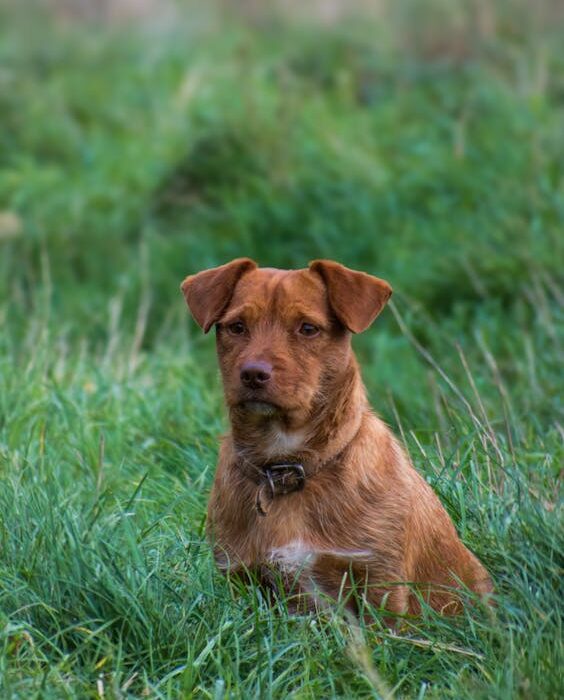
A few summers ago, I noticed my dog scratching more than usual. At first I thought it was dry skin or allergies. Then I spotted the tiny dark specks on her belly. Fleas. My stomach dropped, and my first instinct was to run to the store for one of those chemical spot-on treatments. But something stopped me. I had just started cleaning up my own routine with natural products. Putting a pesticide directly on my dog’s skin felt wrong.
So I started researching. I spent weeks trying different natural approaches, reading studies, and talking to holistic vets. Some things worked. Some things flopped. But what I landed on is a layered system that keeps fleas away without harsh chemicals. If you are looking for how to prevent fleas on dogs naturally at home, this is everything I have learned the hard way.
Key Takeaways
- Natural flea prevention works best as a layered approach, not a single product.
- Food-grade diatomaceous earth, essential oil sprays, and regular grooming form a solid foundation.
- Keeping your yard maintained and your dog’s immune system strong are just as important as topical treatments.
- You do not need chemicals to keep your dog comfortable and flea-free all season.
What you will learn in this video:
- Dr. Andrew Jones shares his 3-ingredient natural flea repellent recipe
- How to combine witch hazel, apple cider vinegar, and essential oils into an effective spray
- Step-by-step directions for mixing and applying the solution safely on your dog
- A vet’s perspective on why natural flea prevention can be just as effective as chemicals
Why I Stopped Using Chemical Flea Treatments
Most conventional flea treatments contain pesticides like fipronil, imidacloprid, or permethrin. These are designed to kill insects on contact. They work, sure. But they sit on your dog’s skin for weeks, and your dog absorbs them through the skin into the bloodstream.
I started reading about dogs having seizures, skin reactions, and digestive issues from these treatments. The EPA has received thousands of reports of adverse reactions. That was enough for me. I wanted to find something gentler. Something that worked with my dog’s body instead of against it.

Start with a Natural Flea Spray
The single best thing I added to my routine was a natural essential oil flea spray. I use it before walks, after baths, and as a general weekly spritz. Essential oils like lemongrass, cedarwood, and peppermint are natural flea repellents. Fleas genuinely hate these scents.
You can make your own spray at home. Mix about 10 drops of cedarwood oil and 10 drops of lemongrass oil into a 16-ounce spray bottle filled with water and a tablespoon of witch hazel. Shake it well and mist your dog’s coat lightly before heading outside. Avoid the eyes, nose, and mouth.
If mixing your own blend feels like too much, there are excellent ready-made options that use the same natural ingredients.
Wondercide Flea, Tick & Mosquito Spray

Source: amazon.com
Natural essential oil flea and tick spray safe for dogs, cats, and home
The Wellthie One Review
Wondercide has become a staple in our house. It uses lemongrass essential oil as the active ingredient, and it smells fresh without being overwhelming. I spray it on my dog’s coat and also around doorways and baseboards. It kills fleas on contact and repels new ones. The thing I appreciate most is that I can use it around my kids without worrying. It is not a miracle product on its own, but as part of a layered approach, it is one of the best natural options out there.
Wondercide Flea Spray Attributes
- Active ingredient: lemongrass essential oil
- Safe for dogs, cats, and home surfaces
- Kills fleas, ticks, and mosquitoes on contact
- No artificial fragrances or harsh chemicals
- Available in 16 oz and 32 oz sizes
Use Food-Grade Diatomaceous Earth Around the Home
This one surprised me. Diatomaceous earth is a fine powder made from fossilized algae. Under a microscope, the particles are sharp and jagged. When fleas crawl through it, the powder cuts through their exoskeleton and dries them out. They die within 24 to 48 hours.
The key is using food-grade diatomaceous earth, not the pool-grade version. Food-grade is safe for pets and humans. I sprinkle it along baseboards, under furniture, on dog beds, and in any cracks where fleas like to hide. Leave it for 48 hours, then vacuum thoroughly.
You can also lightly dust your dog’s coat with it, though I prefer to focus on the environment. A little goes a long way.

DiatomaceousEarth Food Grade Diatomaceous Earth

Source: amazon.com
100% organic, OMRI-listed food-grade powder safe for humans and pets
The Wellthie One Review
This is one of those products that feels too simple to work, but it does. I keep a bag in the laundry room and use it seasonally. The 10-pound bag lasts forever since you only need a light dusting. It is OMRI-listed for organic use, which matters to me. Just be careful not to inhale the dust when applying it. Wear a mask, apply it when the room is well-ventilated, and keep your dog out of the area until the dust settles. Once it is settled, it is completely safe.
DiatomaceousEarth Food Grade Attributes
- 100% food-grade, OMRI-listed for organic use
- Safe for humans, dogs, and cats
- Kills fleas by dehydrating their exoskeletons
- Can be used indoors and outdoors
- 10-pound resealable bag
Give Your Dog Regular Flea-Prevention Baths
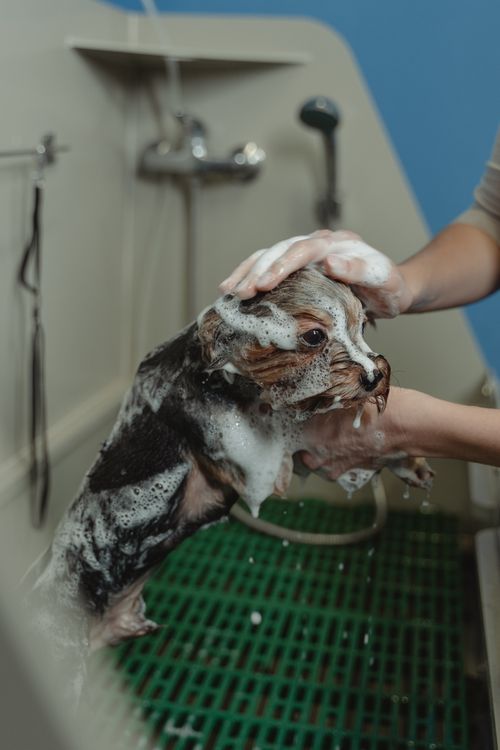
Bathing your dog every two to four weeks with a natural flea-repellent shampoo makes a huge difference. You do not need a special medicated product. A gentle dog shampoo with neem oil, cedarwood, or eucalyptus works well.
I also add a cup of apple cider vinegar to the rinse water. The acidity creates an environment that fleas do not like. After the bath, I do a thorough comb-through with a fine-toothed flea comb. This catches any fleas or eggs that survived the wash.
The flea comb is honestly one of the most underrated tools. I keep one by the door and do a quick once-over after every walk during flea season. It takes two minutes and catches problems early.
Try a Natural Flea Collar for Extra Protection
I was skeptical about natural flea collars at first. The chemical ones work by releasing pesticides slowly over months. Natural ones use essential oils like citronella, lavender, and lemongrass instead. They are not as aggressive, but they add another layer of protection.
I started using one this past spring, and I noticed fewer fleas hitching a ride home after park visits. It is not a standalone solution. Think of it as one more piece of the puzzle. Combined with the spray, the diatomaceous earth, and regular grooming, it rounds out the system nicely.
KOOSA Natural Flea and Tick Collar for Dogs

Source: amazon.com
4-pack natural essential oil flea collars, waterproof and adjustable
The Wellthie One Review
What sold me on KOOSA was the 4-pack value. Each collar lasts about 8 months, so a single pack covers over two years of protection. They use natural essential oils and are waterproof, which matters for a dog who loves puddles. The scent is mild and pleasant. My dog did not mind wearing it at all. For the price, it is an easy addition to your natural flea prevention toolkit.
KOOSA Natural Flea Collar Attributes
- Made with natural essential oils
- Waterproof and adjustable for all dog sizes
- Each collar lasts up to 8 months
- 4-pack included for extended protection
- Safe for puppies 12 weeks and older
Keep Your Yard Flea-Unfriendly
Fleas breed in tall grass, damp soil, and shady spots. If your yard is a flea paradise, no amount of spraying your dog will solve the problem. I learned this the hard way when the fleas kept coming back despite all my indoor efforts.
Here is what helped. Mow the lawn regularly and keep it short. Fleas love tall grass where they can hide and wait for a host to walk by. Clear out leaf piles and debris, especially in shaded areas near the house. Consider spreading cedar mulch around your garden beds and along the foundation. Fleas hate cedar.
You can also sprinkle food-grade diatomaceous earth in the yard, focusing on shaded, damp areas where fleas tend to congregate. Water it in lightly. It still works once it dries out.

Boost Your Dog’s Natural Defenses from the Inside
A healthy dog is a harder target for fleas. Fleas tend to go after animals with weaker immune systems. Feeding your dog a whole-food diet with quality protein, healthy fats, and minimal fillers makes their skin and coat less appealing to parasites.
I also add a small amount of apple cider vinegar to my dog’s water bowl. About a teaspoon per quart of water. It slightly changes the pH of the skin, making it less attractive to fleas. Not every dog will drink ACV water, so start with a tiny amount and see how yours reacts.
Brewer’s yeast is another supplement some holistic vets recommend. It contains B vitamins that may create a scent fleas dislike when secreted through the skin. The evidence is mostly anecdotal, but some dog owners swear by it. I have tried it and noticed a small difference during peak flea season.
What to Do if Your Dog Already Has Fleas
Prevention is always easier than treatment. But if fleas have already moved in, here is the plan that worked for me.
First, give your dog a thorough bath with a natural flea shampoo. Let the lather sit for five minutes before rinsing. This suffocates adult fleas. Follow up with a fine-toothed flea comb, dipping it in soapy water between strokes to trap any fleas you pull off.
Next, wash every piece of fabric your dog has touched. Bedding, blankets, couch covers, everything. Use hot water and high heat in the dryer. Fleas and their eggs cannot survive the heat.
Then treat your home with diatomaceous earth. Sprinkle it on carpets, under cushions, and along baseboards. Leave it for 48 hours and vacuum everything. Repeat in two weeks to catch any newly hatched fleas that survived the first round.
Finally, start your prevention routine immediately. Layer the spray, the collar, the grooming, and the yard maintenance. Consistency is everything. One missed week during flea season can set you back.
A Quick Natural Flea Prevention Checklist
Here is the system I use every flea season, broken down into a simple routine.
Weekly: Spray your dog with a natural essential oil flea spray before outdoor time. Do a flea comb check after walks. Vacuum high-traffic areas.
Every 2-4 weeks: Bathe your dog with natural flea-repellent shampoo. Wash dog bedding and blankets in hot water.
Monthly: Apply diatomaceous earth to carpets and baseboards. Check and replace the natural flea collar as needed.
Seasonally: Spread cedar mulch in your yard. Treat shaded, damp areas with diatomaceous earth. Keep grass mowed short.
Natural flea prevention takes a little more effort than squeezing a chemical tube onto your dog’s neck once a month. But for me, the peace of mind is worth it. I know exactly what is going on my dog’s skin. I know my kids can cuddle her without touching pesticide residue. And honestly, once you get the routine down, it becomes second nature.
Your dog deserves to enjoy the outdoors without itching. And you deserve to protect them in a way that feels right. If you have been on the fence about going natural, start with one or two of these strategies and build from there. You might be surprised how well they work.
If your dog also struggles with anxiety, check out our guide on natural calming supplements for dogs. And for a nutritious treat that supports overall health, take a look at how to make bone broth for dogs at home.
This post may contain affiliate links, which means we may receive a small commission, at no cost to you, if you make a purchase through a link.


