
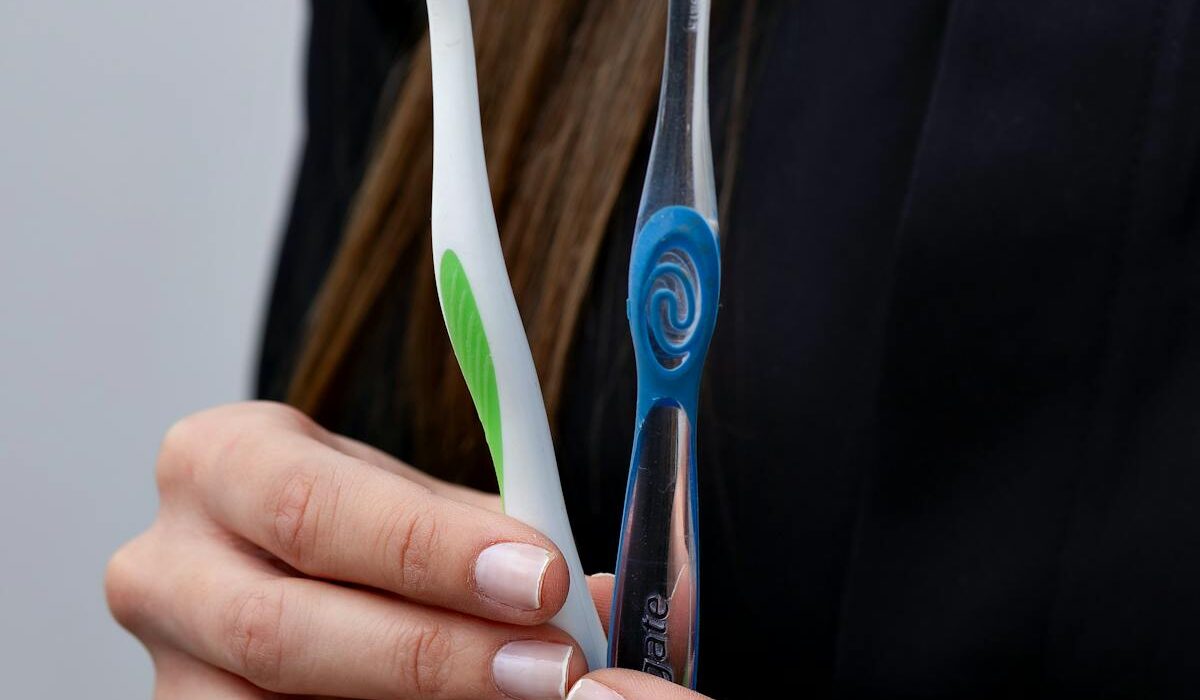
If you want a simple morning habit with a long history behind it, tongue scraping is worth trying. This small copper or stainless steel tool removes the soft coating that builds up on your tongue overnight. People often notice fresher breath, better taste, and a cleaner mouth within a few days of starting.
In this beginner guide, you will learn how tongue scraping works, why it matters for digestion, and how to build a daily practice that actually sticks. Everything here is simple, low-cost, and easy to try tomorrow morning.
What Is Tongue Scraping?
Tongue scraping is the practice of gently pulling a curved tool across the surface of your tongue. The goal is to remove the thin white or yellow layer that forms while you sleep. This coating is a mix of dead cells, food debris, and bacteria called oral biofilm.
The habit comes from Ayurveda, a traditional system of wellness from India. Ayurvedic practitioners call this coating “ama” and believe clearing it supports healthy digestion. Today, modern dentists also recommend tongue cleaning for fresher breath and better oral hygiene.
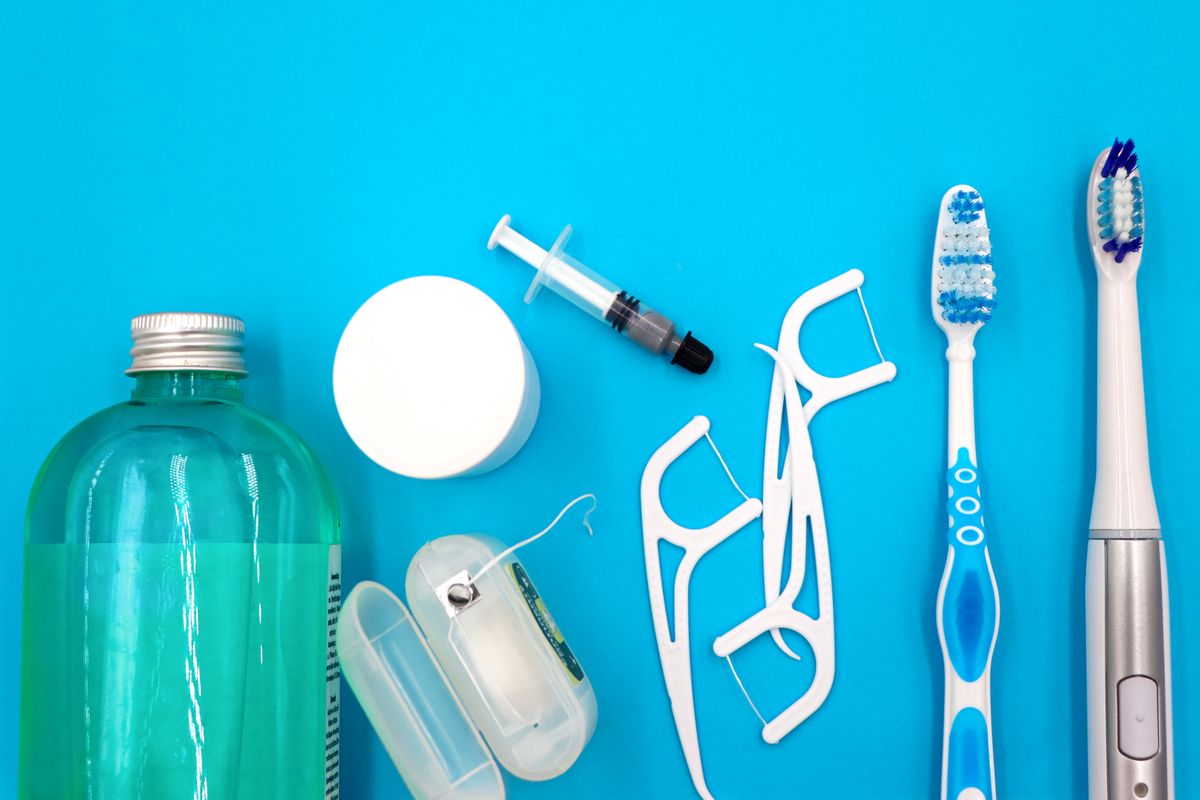
Watch: The Basics of Tongue Scraping
What you will learn in this video:
- Why the coating on your tongue is linked to toxin buildup in the mouth
- How often to scrape for the best results
- What your tongue’s color and texture can reveal about your health
- Why this simple tool may do more than your toothbrush alone
Why Tongue Scraping May Help Digestion
Digestion begins in your mouth, not in your stomach. Taste signals from the tongue tell your brain to prepare digestive enzymes, saliva, and stomach acid. A thick coating can dull those signals and muffle flavor.
Studies suggest that removing tongue coating may improve how strongly you taste food. Better taste may lead to better chewing and stronger digestive signals. A 2004 study in the Journal of Periodontology found that tongue scraping reduced volatile sulfur compounds better than brushing alone.
The mouth also houses billions of bacteria. Some are helpful, but many produce waste that can travel into the gut when you swallow. Clearing that load each morning may ease the burden on your digestive system.
Benefits Beyond Fresh Breath
Most people start tongue scraping for breath, but the perks go further. Here is what regular users often report after two to four weeks of daily practice.
- Fresher morning breath from reduced overnight bacteria
- Sharper sense of taste as taste buds clear of debris
- Less tongue coating visible in the mirror
- A cleaner mouth feel throughout the day
- Reduced bad-breath triggers in social and work settings
These benefits often stack over time. Think of it as a small deposit each morning into your oral health account.
Choosing Your First Tongue Scraper
You have two main options: copper or stainless steel. Both work well. Copper has natural antimicrobial properties and is the traditional choice in Ayurveda. Stainless steel is easy to clean and very durable.
Avoid plastic scrapers if you can. They wear out fast and lack the weight needed for smooth, even pressure. A good metal scraper should last for years with basic care.
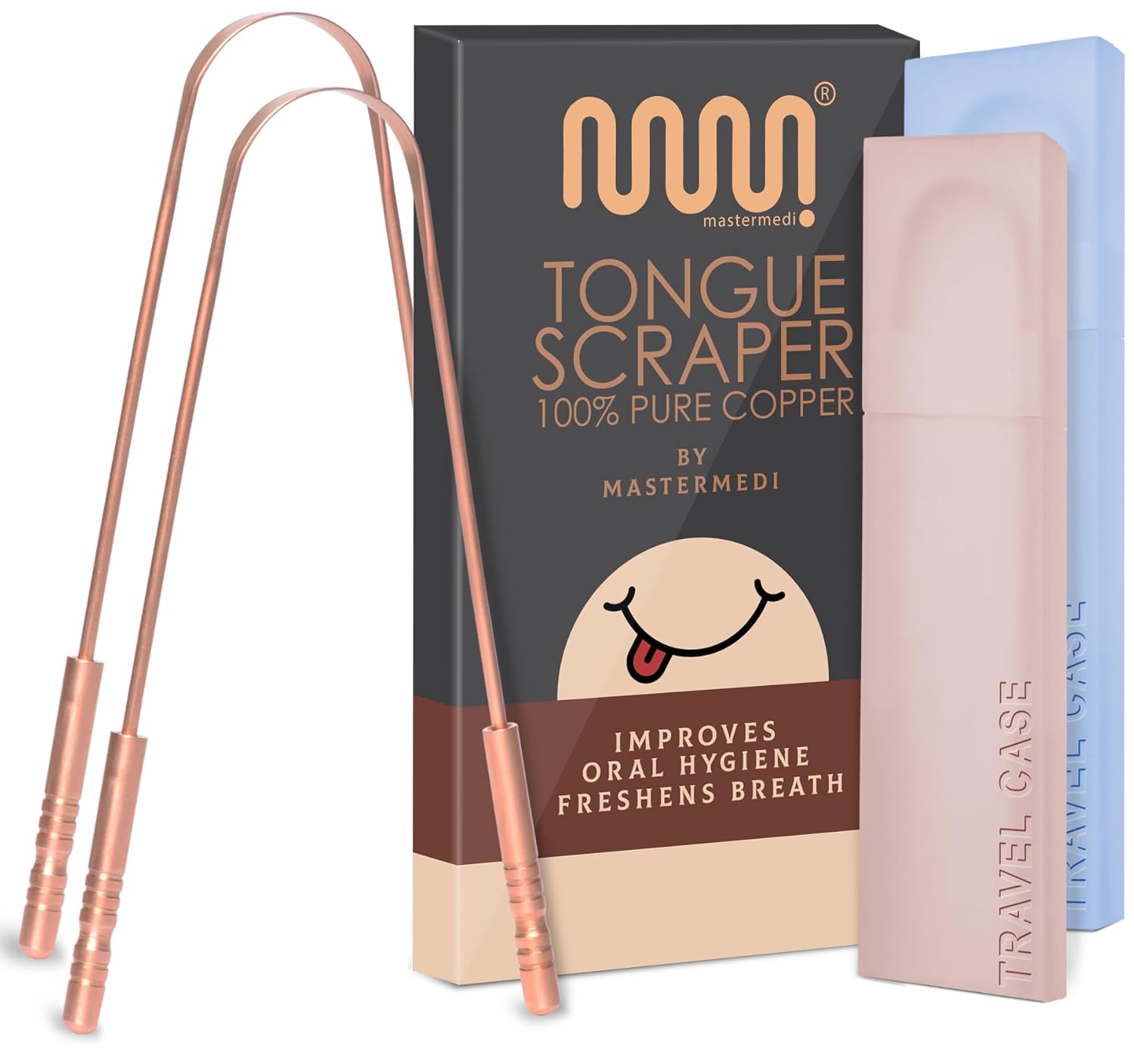
MasterMedi Tongue Scraper for Adults
Source: amazon.com
Medical-grade stainless steel scraper with travel case, a top-rated choice for daily oral care.
The Wellthie One Review
MasterMedi Tongue Scraper Attributes
- Medical-grade 304 stainless steel, rust-resistant and easy to clean
- Curved edge designed to cover the full width of the tongue in one pass
- Comes with a travel case and two scrapers per pack
- Over 100,000 reviews and an Amazon’s Choice label for tongue care
This scraper hits a sweet spot of price, quality, and comfort. The handle grip feels secure, and the scraping edge is smooth enough to use without a gag reflex. If you have never tried tongue scraping before, this is a safe first pick.
How to Use a Tongue Scraper Step by Step
The process takes under 30 seconds. Do it first thing in the morning, before brushing or drinking water. You want to remove the overnight coating before it gets swallowed.
- Stand in front of the mirror and stick out your tongue
- Place the scraper at the back of the tongue, as far as is comfortable
- Pull it forward with light and steady pressure toward the tip
- Rinse the scraper under warm water to clear the debris
- Repeat 3 to 5 times until the tongue looks pink and clean
- Rinse your mouth with water, then brush your teeth as usual
Do not press hard or scrape aggressively. The goal is gentle, not forceful. If you gag, start near the middle of the tongue and work back slowly over a few days.
The Ayurvedic Tradition of Copper
Copper scrapers have been used in India for thousands of years. The metal is naturally antimicrobial, which means bacteria struggle to survive on its surface. A clean tool each morning is one less thing to worry about.
Copper also warms slightly in your hand, which some users find more comfortable than cold steel. It is soft enough to glide along the tongue without feeling harsh. Many traditional practitioners recommend copper above all other materials.
Natruveda Copper Tongue Scraper

Source: amazon.com
Pure copper Ayurvedic design, multi-pack for family use or gifting.
The Wellthie One Review
Natruveda Copper Tongue Scraper Attributes
- 100% pure copper with natural antimicrobial properties
- Ayurvedic U-shape for even pressure across the tongue
- Comes in a 4-pack that is great for families or travel bags
- Lightweight and durable with a lifetime of use if cared for
If you lean toward traditional tools and natural materials, the Natruveda copper scraper is a solid choice. It has a warm feel in the hand and polishes back to a shine with a quick rub of lemon and salt.
Common Mistakes to Avoid
Most beginner mistakes come from being too eager. Remember, gentle and consistent wins here.
- Scraping too hard can bruise or scratch the tongue
- Starting too far back triggers a gag reflex
- Skipping daily use means buildup returns fast
- Using plastic scrapers that bend and wear out quickly
- Scraping after eating instead of first thing in the morning
Set your scraper next to your toothbrush so you see it every morning. Habit stacking is the easiest way to make this stick long-term.

How to Clean and Care for Your Scraper
Rinse your scraper under warm water after every use. Once a week, give it a deeper clean with soap or a mild vinegar rinse. For copper, a quick polish with lemon and salt keeps the shine and kills any lingering bacteria.
Store the tool dry and upright. A clean travel case keeps it safe on the go. With basic care, a good metal scraper lasts for many years.
What to Expect in the First Week
On day one, you may be surprised at how much material comes off. This is normal. Your tongue has likely been carrying a coating for years. By day three or four, the volume drops noticeably.
Most people report fresher morning breath within two to three days. Sharper taste often follows by the end of week one. If you already practice oil pulling, adding tongue scraping makes a powerful morning combo for oral health.

Who Should Skip Tongue Scraping
Tongue scraping is safe for most people. Skip it if you have open sores, recent piercings, or active tongue injuries. Check with a dentist if you notice persistent pain, bleeding, or unusual coating that does not improve.
A thick, hard-to-remove coating that lingers for weeks may signal an issue worth discussing with a doctor. For most healthy adults, this is a simple and safe daily habit.
Pair It With These Habits
Tongue scraping works best alongside other morning wellness basics. A glass of warm water with lemon supports hydration and digestion. A few minutes of deep breathing calms the nervous system before the day picks up speed.
If you want to go deeper into Ayurvedic morning routines, try pairing it with oil pulling using coconut oil. Together these two habits take under five minutes and give your mouth a full daily reset.
Final Thoughts
Tongue scraping for better digestion is one of the easiest upgrades you can make to a morning routine. It takes under a minute, costs less than lunch, and tends to deliver results within days. Try it for two weeks and see how your breath, taste, and mouth feel.
Your future self will thank you every time you walk into a meeting or sit down to a meal. Small habits add up, and this one punches well above its weight.
This post may contain affiliate links, which means we may receive a small commission, at no cost to you, if you make a purchase through a link.


