
You are on a plane, in a meeting, in a public bathroom, in line at the pharmacy, in a chair across from your in-laws. Your nervous system is spinning, your chest is tight, your throat is closing, and you cannot pull out a weighted blanket or hug a warmie. This article is for that moment.
The good news is that the body’s most reliable self-soothing tools do not need any equipment at all. The vagus nerve — the main highway of the parasympathetic nervous system — can be stimulated with cold water on the face, with a long exhale, with humming a single low tone, with naming the objects in the room. Self soothing techniques in public spaces use the same neurophysiology as a warmie or a weighted lap pad, just routed through cues you can deliver silently with nothing in your hands.
This article walks through the eight most reliable adult resets that work anywhere. The Find My Quick Calm Tool below takes three quick taps — your location, what is escalating, and your available time — and matches you to the exact protocol to run right now. The rest of the article goes deep on the polyvagal framework, when each technique works best, what the research says, and how to layer them when one alone is not enough. If a warmie or weighted lap pad is available, the full Adult Self-Soothing Toolkit pillar covers those too — this spoke is the no-object version.
Find My Quick Calm Tool
No props, no privacy required. Pick your location, the state escalating, and the time you have. The tool matches you to a technique you can run right now.
1. Where are you right now?
2. What is escalating?
3. How much time do you have?
PORTABLE TOOLS FOR NEXT TIME
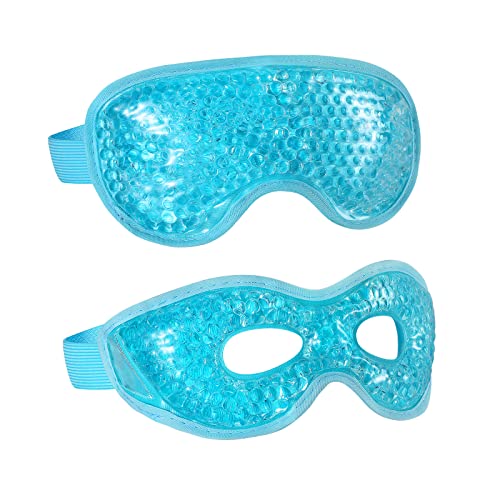
Reusable Cold Gel Eye Mask (2-pack)
Keep in your bag for the bathroom-reset dive reflex when no cold sink is handy.
View on Amazon →
Reusable Click Hand Warmers (Snap Heat)
Click once for instant warmth in your pocket. Discreet thermal vagal cue.
View on Amazon →
Premium Tibetan Singing Bowl
For at-home use after youve gotten through the public moment. Vagal sound bath.
View on Amazon →
The Polyvagal Ladder — At a Glance
TOP RUNG · SAFE & SOCIAL
Ventral Vagal
How it feels: Warm chest, easy breath, open face, willing to connect. This is the state every self-soothing tool is trying to return you to.
MIDDLE RUNG · MOBILIZED
Sympathetic (Fight or Flight)
How it feels: Racing heart, tight chest, mind going fast, wired-but-tired. The body is preparing for action that may never come.
BOTTOM RUNG · SHUTDOWN
Dorsal Vagal (Freeze / Collapse)
How it feels: Foggy, heavy, disconnected, “I can’t think.” Energy goes offline. Most adults misread this as laziness — it is a nervous system protecting itself.
When no comfort object is within reach, the body still has its own toolkit — cold, breath, sound, and pressure are always available.
The 5-4-3-2-1 Sensory Grounding Anchor
When the system is racing or shutting down and no object is in reach, sensory input pulls it back. 90 seconds. Works anywhere.
5 Things
you can see
4 Things
you can touch
3 Things
you can hear
2 Things
you can smell
1 Thing
you can taste
The sequence pulls attention from inner chaos to outer detail. The body follows.
Quick Calm vs Deep Reset — Without A Comfort Object
Three protocols by state and time. All bag-free, all hand-free, all available anywhere.
⚡ MOBILIZED · 30 SECONDS
Cold Water Reset
Cold water on inner wrists or splash on face. Activates the mammalian dive reflex, drops heart rate within seconds. Works in any bathroom.
💧 SHUTDOWN · 2 MINUTES
Humming Exhale
Slow humming on the exhale. Vibrates the vagus nerve, gently brings the system back online. 60 seconds of bee-breath shifts mood.
🌿 RETURN TO SAFE · 10 MINUTES
4-7-8 + Visualization
Six rounds of 4-7-8 breathing paired with a safe-place visualization. Extended exhale plus mental imagery returns most adults to ventral vagal.
The Universal Quick Win Every Adult Should Know First: 5-4-3-2-1 Grounding
Before any breathing protocol, before any cold-water trick, every adult should have the 5-4-3-2-1 sensory grounding method memorized. Eyes open, you mentally name five things you can see right now, four you can touch, three you can hear, two you can smell, and one you can taste. The full exercise takes 30 to 45 seconds. It works in absolute silence, in a packed elevator, in the middle of an argument, in a meeting where someone just said something cruel. No one around you can tell you are doing it.
It works because the brain cannot simultaneously catalog the present environment and stay locked in amygdala-driven rumination. By the time you finish the cycle, the prefrontal cortex is back online and your other tools have a stable base to build on. We treat this as the universal entry point for every spoke in this cluster. For the full walkthrough including the common mistakes adults make with it, see The 5-4-3-2-1 grounding technique for anxiety.
The Polyvagal Map: Why Different Techniques Work for Different States
You cannot pick the right technique without knowing which state you are in. Polyvagal theory describes three autonomic states. Most adults move between them many times a day without noticing. Naming the state is half the work of choosing the right reset.
Sympathetic mobilization is fight-or-flight: racing heart, shallow chest breathing, irritability, the inability to sit still. Cold dive-reflex stimulation and extended exhale work best here. Dorsal vagal shutdown is freeze: numbness, dissociation, low energy, the world feels far away. Adults often misread this as depression. Cold paired with gentle motor activation (walking, humming) works here — not more pressure, not more rest. Ventral vagal is the goal: calm, alert, connected. All eight techniques in this article are designed to move you back to ventral vagal from either mobilization or shutdown.
According to PubMed, the Gitler 2025 vagal neuromodulation review (10.3892/mi.2025.236) confirms that interventions raising vagal tone — HRV biofeedback, slow-paced breathing, polyvagal-informed protocols — reliably reduce adult anxiety without medication. The Saito 2024 RCT (10.1007/s10484-024-09650-5) showed 10 sessions of slow-paced breathing measurably increased resting vagally-mediated HRV in anxious adults. The deeper protocol set lives at how to regulate your nervous system naturally with 7 vagus nerve exercises.
The 8 Vagus Nerve Resets That Work Anywhere
1. The physiological sigh (30 seconds, silent, anywhere)
Inhale fully through the nose. Take a second small sip of air on top to fully inflate the lungs. Then exhale slowly through the mouth as long as you can. Repeat 2 to 3 times. The double inhale plus extended exhale is the most rapid known parasympathetic activator — it resets CO2, expands collapsed alveoli, and triggers vagal braking on the heart within 60 seconds. Works for mobilization (wired, racing) but is too activating for deep shutdown.
2. Cold water on the face or wrists (60 seconds, semi-private)
Cold water on the forehead, cheekbones, and underside of the jaw triggers the mammalian dive reflex — the same parasympathetic shift mammals use when submerged. Heart rate drops within 30 seconds. The wrists are a second access point: the vagus nerve runs near the surface there, and cold contact (water, a cold can, a metal handle) gives a similar but milder dive reflex effect. Best for panic spikes. Carry a reusable gel cold mask in your bag for situations where no cold sink is available.
3. Box breathing (90 seconds, silent, anywhere)
Inhale 4 counts, hold 4, exhale 4, hold 4. Repeat 4 to 6 rounds. Box breathing is the Navy SEAL standard because it works under pressure with nothing but attention. It does not lengthen the exhale as aggressively as 4-7-8, which makes it gentler — well-suited to meetings where you need to stay alert. Effective for both mobilization and mild racing-mind states.
4. 4-7-8 breathing (2 minutes, silent, semi-private)
Inhale 4 counts through the nose, hold 7 counts, exhale 8 counts through pursed lips. Repeat 4 rounds. The doubled exhale plus the hold raises vagal tone more aggressively than box breathing, which makes it the better pre-sleep tool and the better reset for strong sympathetic activation. The hold can feel awkward in public the first few times; do it silently and most people will assume you are stretching or thinking.
5. Humming, gargling, or low-tone vocalization (60 seconds, requires sound)
The vagus nerve runs past the vocal cords. Humming a low tone on each exhale, or gargling water for 30 seconds, gives direct vibrational stimulation to the vagal pathway. This is best for dorsal-vagal shutdown because it adds vocal engagement without forcing social interaction — the lightest possible ventral-vagal re-engagement. Works in a private office, the car, the bathroom, or anywhere you can make a low sound.
6. Walking exhale-extension (5 to 20 minutes, anywhere you can walk)
Walk at a normal pace. Breathe in for 3 steps, exhale for 6 steps. Continue for 5 to 20 minutes. The 1:2 exhale-extended ratio is the most reliably evidence-backed slow-breathing pattern for raising HRV, and pairing it with rhythmic walking adds motor engagement that pulls the prefrontal cortex back online. Excellent for racing-mind states and for the post-meeting decompression window.
7. The trapezius / shoulder squeeze (30 seconds, anywhere)
Hard-squeeze your shoulders up toward your ears, hold for 5 seconds, then drop them with a long exhale. Repeat 5 times. Isometric muscle tension followed by sudden release activates a parasympathetic rebound — the same principle behind progressive muscle relaxation. Works under any desk, in any seat, with no movement visible to anyone else. Useful when you cannot do any of the breathing techniques because someone is talking to you.
8. Co-regulation through warm voice contact (3 to 10 minutes, requires phone)
Call someone you feel safe with. Even a 3-minute call to say hello is enough. According to PubMed, the Sanders 2017 polyvagal clinical review (10.1038/jp.2017.124) describes co-regulation through warm voice as the most reliable ventral-vagal trigger humans have. The prosody and warmth of a familiar voice raises your vagal tone whether or not you talk about what is wrong. This is the strongest single tool when shutdown is the state — numbing alone deepens dorsal-vagal collapse; warm human contact reverses it.
What To Do When You Cannot Reach For A Warmie or Plush
This is the core promise of this spoke. Andrea Bain’s flagship ask was an article for the moment when adults need self-soothing and cannot reach for a comfort object — in public, at work, on a plane, in someone elses house, mid-conversation. The answer in those moments is to stack the techniques above in sequence.
For an acute panic spike in public, the stack is: cold water on the inside of your wrists for 30 seconds + one physiological sigh + 5-4-3-2-1 grounding. This combination works in any bathroom in any building in 90 seconds. It is the single most reliable public-anxiety reset in this article. Save it to your phone.
For a slow build of racing thoughts at your desk, the stack is: 5 rounds of box breathing + a 5-minute walking exhale-extension + one physiological sigh on return. Total time 8 minutes, no equipment, looks like a normal coffee break to anyone watching.
For dorsal-vagal shutdown (the worst version of this is freezing during a difficult meeting), the stack is: shoulder squeeze + low hum on each exhale + cold object pressed to the back of the neck. The combination is gentle enough not to spike you back into mobilization but activating enough to re-engage ventral vagal. If you can excuse yourself for 5 minutes, add a warm-mug-in-both-hands cue at the end.
The Adrenal Cocktail recipe at /adrenal-cocktail-recipe/ is worth bookmarking as a longer-term cortisol-context support — when chronic anxiety is driven by adrenal dysregulation, no amount of breathing protocol will fully resolve it without addressing the underlying mineral and blood-sugar pattern.
The Evidence Stack: The Research Beneath The Adult Self-Soothing Toolkit
5 peer-reviewed studies on no-equipment vagal self-regulation
What the research supports for vagus-nerve resets that work anywhere, and the limits worth knowing.
What The Research Supports
- Slow-paced breathing (HRV biofeedback) raises adult vagal tone measurably in 10 sessions
- Phasic cardiac vagal activity increases during induced anxiety when adults practice slow-paced breathing
- Polyvagal-informed protocols (Safe-and-Sound, biofeedback) reduce adult anxiety without pharmacologic load
- Somatic body-based interventions show large effect sizes on interoceptive awareness in adults
- Co-regulation through warm voice and prosody is a reliable ventral-vagal trigger across the lifespan
- These techniques are safe, no-equipment, no-cost, and effective when comfort objects are not available
What It Does NOT Prove
- Slow breathing alone resolves diagnosed panic disorder or PTSD without professional care
- Vagus-nerve techniques substitute for medication in moderate-to-severe anxiety
- Cold dive reflex is safe for adults with arrhythmias or untreated cardiovascular disease (check with your doctor first)
- Sensory grounding or breathing replaces trauma processing — they are stabilization tools, not trauma therapy
- Stacking more techniques is always better — for some states, single quick interventions are more effective
- These work the first time without practice — vagal tone is trainable and builds over weeks of consistent use
All findings cited according to PubMed. DOIs link directly to the source article.
Pattern Observations: What Real Readers Report
3 Patterns We See Across Reader Reports
Pattern 1: Adults underestimate how fast the physiological sigh works
The single most common reader feedback is that the physiological sigh feels too simple to work, and then it works. Most adults report a noticeable shift in chest tightness within 60 to 90 seconds of the first round. This is consistent with the Ding 2025 finding that phasic cardiac vagal activity rises immediately under anxiety when slow-paced breathing is applied — the body responds to the protocol whether or not the mind believes it will.
Pattern 2: The cold-water trick is the strongest single panic-spike tool
Across reader reports, cold water on the face or inner wrists during a panic spike is the most consistently effective single intervention. Adults describe it as ‘startling but immediate.’ The mammalian dive reflex works on most adults regardless of conditioning. For adults who travel often, a reusable cold gel eye mask kept in a small zip pouch in the bag is the most-mentioned upgrade — it gives the dive-reflex effect even when a cold sink is unavailable.
Pattern 3: Co-regulation beats every solo technique when shutdown is the state
For dorsal-vagal shutdown specifically, readers consistently report that a 3-minute phone call to a safe person works better than any breathing or grounding protocol they tried first. This tracks with the Sanders 2017 polyvagal review — warm voice contact is the most reliable ventral-vagal trigger humans have. The hard part of shutdown is that you do not want to call anyone. Doing it anyway is the win.
Pattern observations from reader reports; observational and not a substitute for clinical research.
Expert Synthesis: The Body Always Has The Answer Within Reach
The eight techniques in this article are the same tools elite athletes, special operators, and trauma therapists use when no equipment is available. They are not novelty hacks — they are the core toolset of nervous-system regulation, validated across decades of HRV research, polyvagal-informed clinical practice, and combat-medicine protocols for acute stress response.
What makes them powerful for adults is exactly what makes them feel underwhelming the first time: they are simple, free, and require no permission from anyone. You do not need a prescription. You do not need to explain to a coworker why you are humming. You do not need to wait until you get home. You can do most of them in 30 to 90 seconds with no one noticing. The polyvagal model behind them is the same model that supports every weighted blanket, every warmie, every comfort-object intervention in the rest of the Adult Self-Soothing Toolkit pillar.
The reason this spoke matters in the cluster is that life keeps putting adults in situations where the warmie is in another room, the weighted blanket is at home, and the therapist is not available. Having a memorized stack you can run in any bathroom in any building is the difference between white-knuckling through a panic spike and walking out 90 seconds later regulated. Practice the 30-second versions during low-stress moments so they are available when you need them most.
Chronic Anxiety Often Tracks With Chronic Inflammation
A nervous system that will not settle no matter how much you breathe, weight, or warm yourself usually has an upstream driver — heavy metals, mold biotoxins, gut dysbiosis, or chronic stress holding cortisol high. Comfort objects calm the surface. Reducing the toxic load lets the surface stay calm. The 90-second Toxic Load Tool helps you find the hidden root.
Use The Toxic Load Tool →The Reader-Vetted Comfort Toolkit
PORTABLE COMFORT FOR THE NEXT PUBLIC MOMENT
Reusable Cold Gel Eye Mask (2-pack)
Throw in your bag for the bathroom-reset dive reflex when no cold sink is available.
View on Amazon →Reusable Click Hand Warmers
Click once for instant warmth, pocket-sized. The portable warmth cue.
View on Amazon →Premium Tibetan Singing Bowl
Vagal sound bath at home after the public moment passes.
View on Amazon →
Comfheat Lavender Weighted Eye Pillow
Trigeminal-vagal stimulation through orbital pressure. Use after you get home.
View on Amazon →
Florensi Weighted Lap Pad 5 lb
For the desk: discreet DTP for racing-mind days when you are at work.
View on Amazon →
Heatable & Coolable Lavender Plush
The home version: microwave 90 sec for 30 min of warmth, DTP, and lavender on the chest.
View on Amazon →As an Amazon Associate, TheWellthieOne earns from qualifying purchases.
Where to Go Next After Building Your No-Object Stack
Once you have the eight no-equipment resets memorized, the next layer is the home toolkit — what you reach for when you do have privacy. The other three spokes in the cluster cover the equipment side:
- Warmies for adults — when a heatable plush is the right call, with a Find My Warmie Match Tool.
- Weighted comfort: plush vs blanket vs lap pad — side-by-side comparison with a Find My Weighted Match Tool.
- Adult comfort objects in therapy — how to use these alongside DBT, somatic, EMDR, or general talk therapy.
- The full Adult Self-Soothing Toolkit pillar — the cluster overview, the polyvagal framework, and the four-pillar map.
For the deeper vagus-nerve protocol set with seven home-based exercises, see how to regulate your nervous system naturally with 7 vagus nerve exercises. For chronic anxiety paired with adrenal dysregulation, the Adrenal Cocktail recipe is the supporting metabolic intervention.
Frequently Asked Questions
How do I self-soothe without a comfort object?
The eight most reliable no-object self soothing techniques for adults are the physiological sigh, cold water on the face or wrists, box breathing, 4-7-8 breathing, humming or low-tone vocalization, walking exhale-extension (3 steps in, 6 out), the trapezius shoulder squeeze, and co-regulation through warm voice contact (a quick phone call). According to PubMed, all eight raise vagal tone and reduce state anxiety in adults. The Find My Quick Calm Tool above matches you to the right one based on your location, what is escalating, and your available time.
What is the fastest way to calm a panic attack in public?
The strongest single panic-spike reset that works anywhere is the stack: cold water on the inside of your wrists for 30 seconds, plus one physiological sigh (deep inhale, second small sip on top, long slow exhale), plus 5-4-3-2-1 sensory grounding. This combination works in any bathroom in any building in 90 seconds. It triggers the mammalian dive reflex, raises vagal tone through extended exhale, and pulls the prefrontal cortex back online — the three most reliable parasympathetic activators stacked.
What is the physiological sigh and why does it work so fast?
The physiological sigh is a double inhale through the nose followed by a long slow exhale through the mouth. The first inhale fills most of the lungs; the second sip on top opens collapsed alveoli; the long exhale resets CO2 and triggers vagal braking on the heart. Per published vagal-neuromodulation research, it is the most rapid known parasympathetic activator — most adults feel chest tightness ease within 60 seconds. It works in absolute silence, with no one noticing.
Why does humming or singing calm anxiety?
The vagus nerve runs past the vocal cords. Humming a low tone, gargling water vigorously, or singing creates vibrational stimulation to the vagal pathway — the same nerve that lowers heart rate and shifts you toward parasympathetic calm. It is especially effective for dorsal-vagal shutdown (the freeze response) because it adds vocal engagement without forcing social interaction. According to the Sanders 2017 polyvagal review in J Perinatol, vocal-cord vagal stimulation is one of the lightest ventral-vagal re-engagement cues humans have.
Can cold water on the face really stop a panic attack?
Yes, this is the mammalian dive reflex — the same reflex mammals use when submerged in cold water. Cold contact on the trigeminal-nerve zones of the face (forehead, cheekbones, underside of the jaw) triggers an immediate parasympathetic shift, slowing heart rate within 30 seconds. The inner wrists work as a secondary access point because the vagus nerve runs near the surface there. For adults with arrhythmias or untreated cardiovascular disease, check with your doctor before using cold dive-reflex techniques.
Are these techniques a substitute for therapy or medication?
No. The eight techniques in this article are stabilization tools — they help you regulate in the moment so you can get to clinical care, do the work in therapy, take medications as prescribed, and function in daily life while you address the underlying causes. For moderate-to-severe anxiety, panic disorder, PTSD, or any condition you are working on with a therapist or prescriber, these tools enhance treatment but do not replace it. If you are in crisis, call or text 988 (Suicide & Crisis Lifeline) in the US, or your local emergency line.
TheWellthieOne content is for educational purposes and is not a substitute for diagnosis or treatment by a qualified healthcare or mental-health professional. If you are in crisis or experiencing severe anxiety, call or text 988 (Suicide & Crisis Lifeline) in the US, or contact your local emergency line. As an Amazon Associate, we earn from qualifying purchases on outbound product links.