

If you struggle with bedtime worry or a buzzing mind at night, lemon balm tea for anxiety and sleep might be a gentle place to start. This calming herb in the mint family has been used for centuries to ease nervous tension and quiet a busy mind. A warm cup before bed may help you wind down without the heavy feeling of a sleeping pill.
I am not someone who reaches for a pill at the first sign of stress. I would rather try a cup of something warm, a slow walk, or a deep breath first. Lemon balm has earned a spot in my evening routine because it tastes lovely, smells like a sunny garden, and seems to soften the edges of a long day.
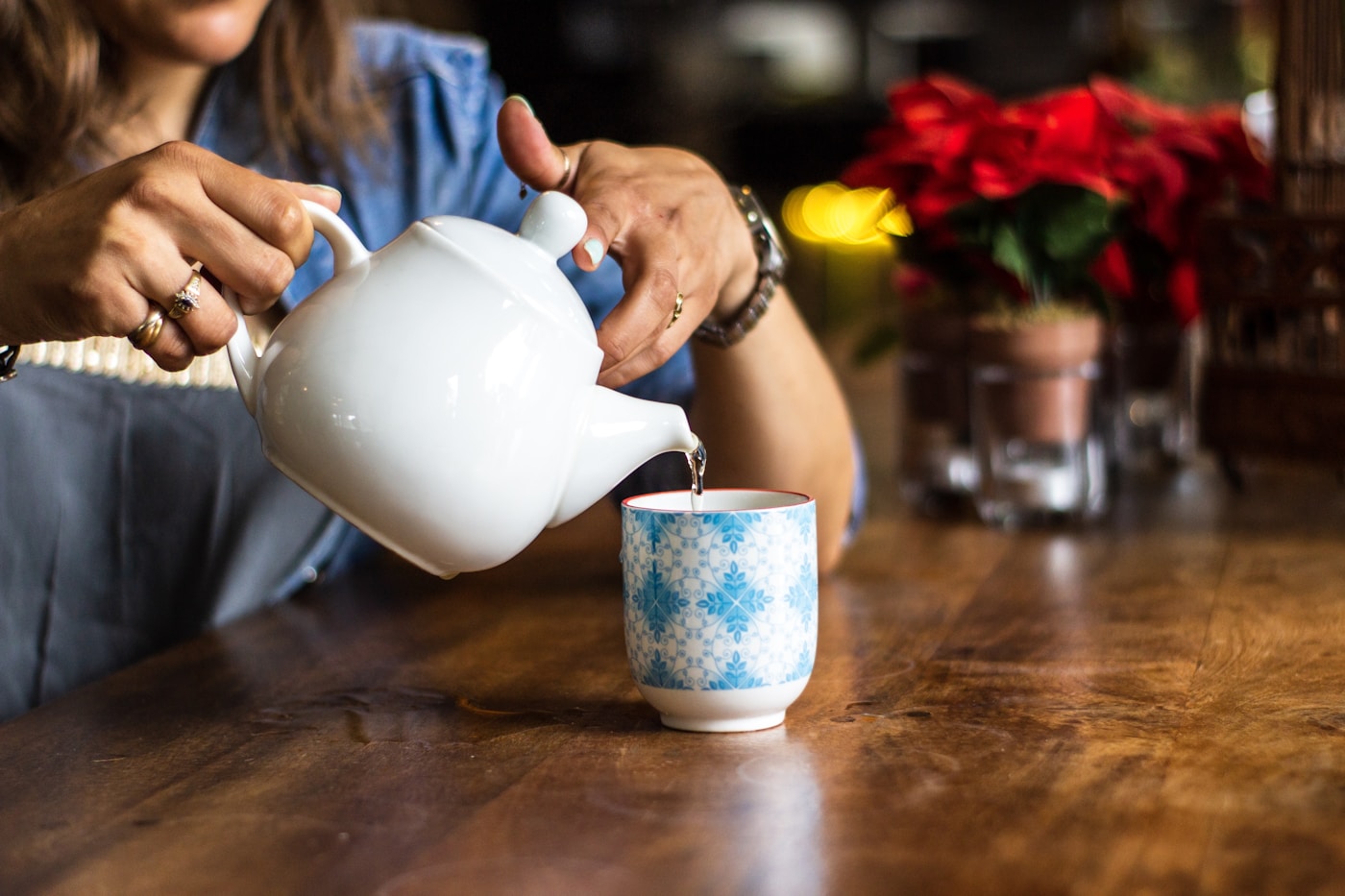
What Is Lemon Balm and Why Is It Used for Calm?
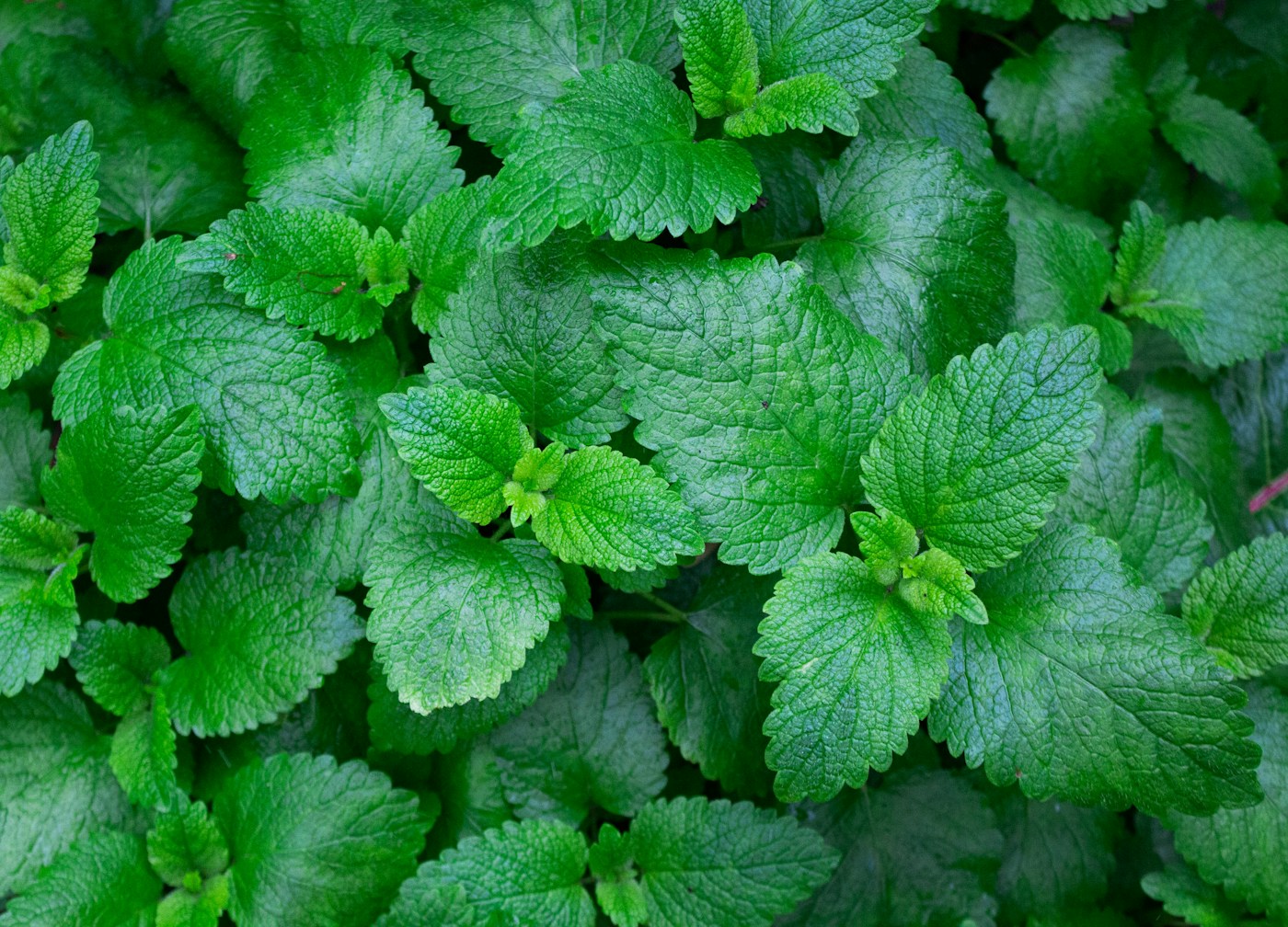
Lemon balm is the common name for Melissa officinalis, a soft, leafy herb in the mint family. The leaves carry a soft lemon fragrance, which is where the name comes from. Herbalists have written about it as a “gladdening” herb for many hundreds of years.
The plant contains compounds called rosmarinic acid and citronellal. These are studied for their effect on the nervous system. Research published in Mediterranean Journal of Nutrition and Metabolism suggests lemon balm may interact with GABA, the brain chemical that helps you feel relaxed.
That is why a warm cup of lemon balm tea is often described as both calming and lifting at the same time. It is one of the few herbs that may quiet stress without making you feel foggy the next morning.
What you will learn in this video:
- How herbalist Rosalee uses lemon balm in her own kitchen
- Two simple lemon balm tea recipes you can make at home
- The mood and digestion benefits people report most
- Safety notes worth knowing before adding it to your routine
Lemon Balm Tea for Anxiety: What the Research Suggests
One often-cited study in Nutrients looked at adults who consumed a lemon balm drink. Participants reported lower anxiety scores one and three hours later compared to a placebo. A separate eight-week trial in people with chronic stress also showed lower anxiety, depression, and sleep disturbance scores.
This does not mean lemon balm is a treatment for clinical anxiety. It is not. What it suggests is that a warm daily cup may take the edge off everyday tension. The kind that creeps up after a long workday or before a big meeting.
I notice it most when I sip a cup at the end of the day with the lights low. The shoulders drop. The to-do list gets quieter. That gentle shift is what most people are after.
How Lemon Balm Compares to Other Calming Herbs
Chamomile is the classic bedtime tea, but it can taste flat to some people. Valerian is stronger but has a strong smell that many find off-putting. Lemon balm sits in the middle. It is gentle, pleasant to drink, and rarely causes that morning grogginess associated with stronger sleep aids.
Traditional Medicinals Organic Lemon Balm Tea

Source: amazon.com
A trusted starter pack of 16 individually wrapped tea bags with USDA Organic herb.
The Wellthie One Review
Traditional Medicinals Organic Lemon Balm Tea Attributes
- USDA Certified Organic and Non-GMO
- Caffeine free, kosher, and compostable
- Pharmacopoeial grade herb (a higher quality standard)
- Mild, lemony flavor with no bitterness
This is the brand I reach for when I want to keep things simple. Each tea bag holds enough lemon balm to brew a full mug. The flavor is soft and clean. I steep it covered for six minutes, which traps the volatile oils that make it relaxing. A small jar of honey on the counter makes it feel like a treat.
How to Brew Lemon Balm Tea at Home
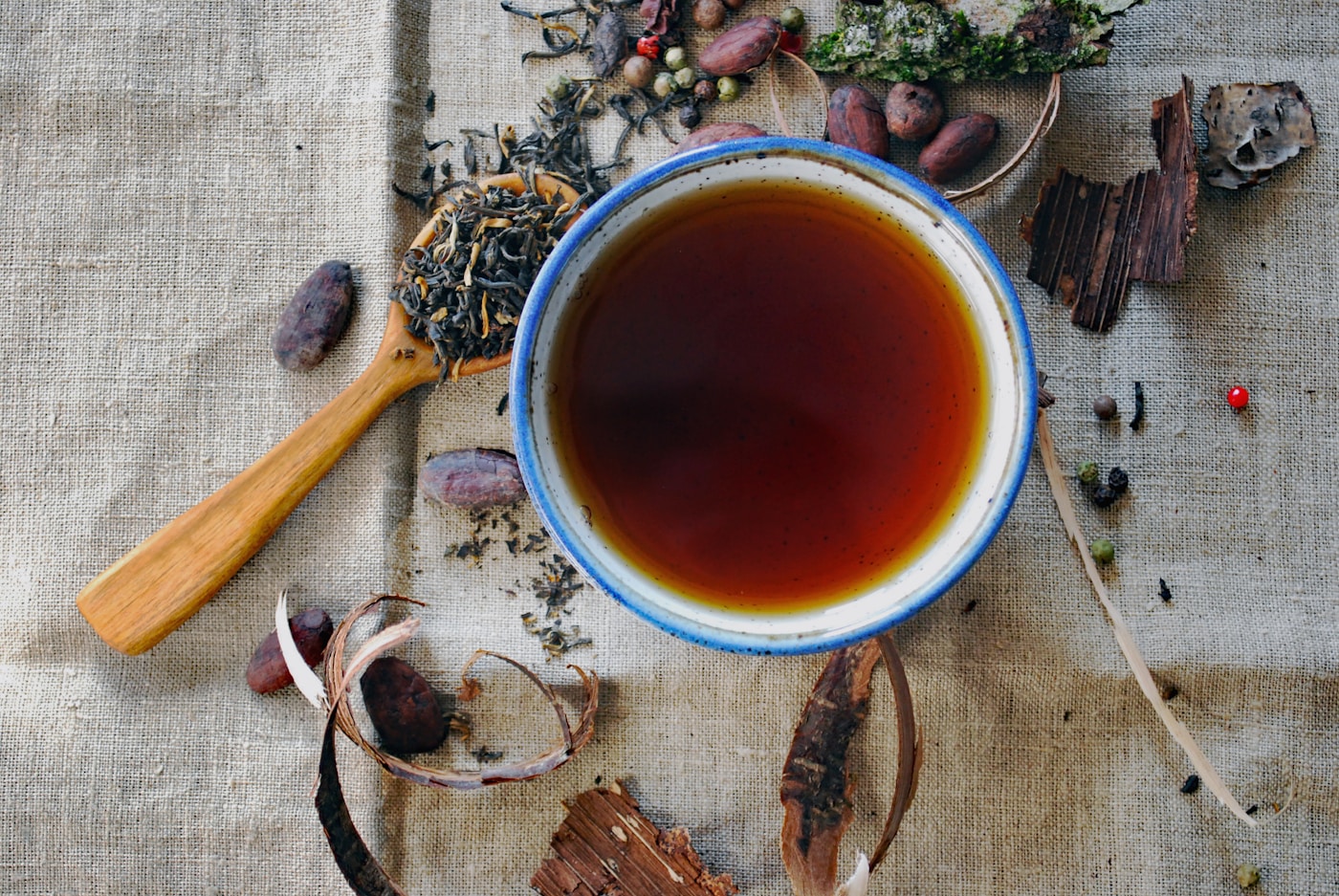
Brewing lemon balm tea is forgiving. You really cannot mess it up. Here is the method I use most nights.
- Heat fresh water to just below boiling, around 200 degrees Fahrenheit.
- Place 1 to 2 teaspoons of dried lemon balm leaves in a tea ball, or one tea bag in a mug.
- Pour the hot water over the herb. Cover the mug with a saucer to trap the oils.
- Steep for 6 to 10 minutes. Longer steeping means a stronger calming effect.
- Strain or remove the bag. Add honey or a slice of lemon if you wish.
Drink your cup 30 to 60 minutes before bed for sleep support. For daytime calm, sip it slowly while you work or read.
Fresh vs. Dried Lemon Balm
If you have lemon balm growing in the garden, you can use a small handful of fresh leaves per cup. Bruise them gently with the back of a spoon to release the oils. Dried herb is stronger by weight, so you need less. Loose leaf gives you more control over strength than tea bags do.
FGO Organic Lemon Balm Tea (100 Count)

Source: amazon.com
A larger 100-count resealable bag for people who want to drink it daily without running out.
The Wellthie One Review
FGO Organic Lemon Balm Tea Attributes
- USDA Organic and Non-GMO certified
- Eco-conscious abacá hemp fiber tea bags, no glue or chlorine
- Resealable kraft pouch keeps leaves fresh for months
- Lower price per cup than most boxed brands
The 100-count pouch is the better deal if you sip it most evenings. The bags use no plastic and no glue, which matters when you steep something hot. The flavor is a little brighter and grassier than Traditional Medicinals. I keep this one on the kitchen counter for everyday use.
Lemon Balm Tea for Sleep: When to Drink It
Lemon balm seems to work best as part of a wind-down ritual. The herb does its job, and your routine signals your body that bedtime is close.
Try this simple flow on tough nights:
- Dim the lights at 9 p.m.
- Steep your lemon balm tea while you put away phones and screens.
- Sip slowly while reading a few pages of a paper book.
- Brush your teeth and head to bed by 10 p.m.
If your sleep struggles are anxiety driven, lemon balm tea may be more useful than a stronger sedative. It calms the worry instead of forcing the body into shutdown. I notice fewer middle of the night wake-ups when I drink a cup before bed.
Combining With Other Sleep Habits
One cup will not undo a daily caffeine habit or hours of late screen time. Lemon balm pairs best with what you are already doing right. Pair it with our guide on natural sleep supplements that are not melatonin for a fuller picture. If allergies are keeping you up, look at our notes on quercetin for seasonal allergies.
Lemon Balm Tincture vs. Tea: Which Is Right for You?
Tincture is a concentrated alcohol or glycerin extract of the herb. A few drops under the tongue is the usual dose. The compounds reach your system faster than tea, often within minutes. The trade-off is that tincture lacks the calming ritual of holding a warm cup.
Tea is slower, lighter, and more enjoyable. Tincture is stronger, faster, and easier to take on the go. Many people use both. A morning cup at home, a few drops in water during a stressful workday.
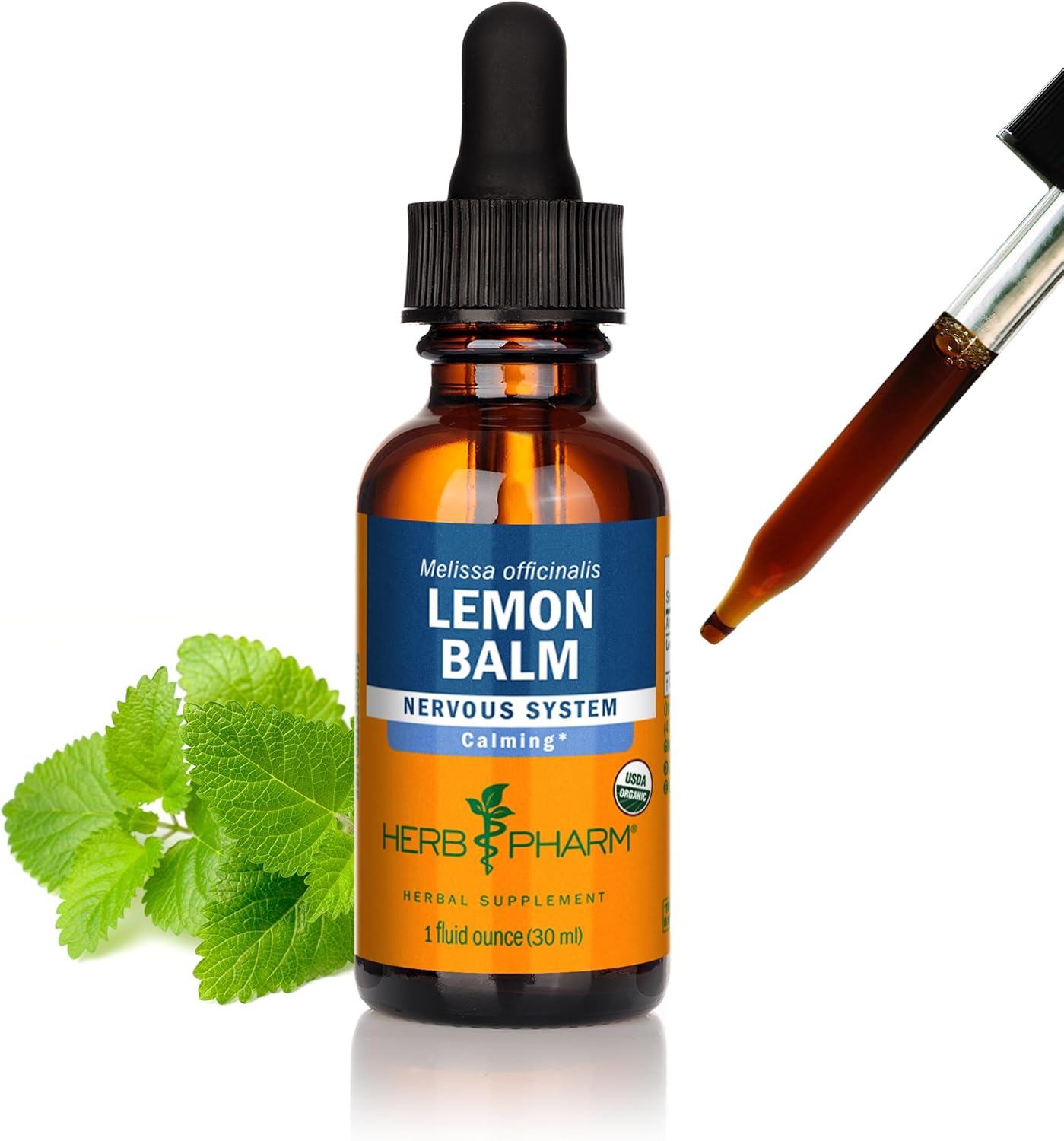
Herb Pharm Organic Lemon Balm Liquid Extract
Source: amazon.com
A clean, well-tested tincture for fast nervous system support during a stressful day.
The Wellthie One Review
Herb Pharm Lemon Balm Tincture Attributes
- Made from shade-dried, certified organic Melissa officinalis
- Tested for identity, strength, and purity in-house
- Convenient 1 ounce bottle, fits in a bag or purse
- Sugar free and gluten free formula
I keep a small bottle of Herb Pharm in my bag for stressful afternoons. Twenty drops in a glass of water tastes herbal but pleasant. The effect is gentle within ten or fifteen minutes. It is my go-to for moments when I cannot brew a full cup of tea.
Who Should Be Careful With Lemon Balm
Lemon balm is widely viewed as safe, but a few groups should check with a doctor first.
- Thyroid conditions: Lemon balm may slow thyroid hormone activity in large doses, per WebMD.
- Pregnancy or breastfeeding: Not enough research, so safer to skip.
- People on sedatives: The calming effect may add to sleep medications.
- Children: Talk to a pediatrician before regular use.
One or two cups per day is the usual ceiling for adults. More than that can cross into too-relaxed territory and cause grogginess. Start with one cup and see how you feel.
Growing Lemon Balm at Home
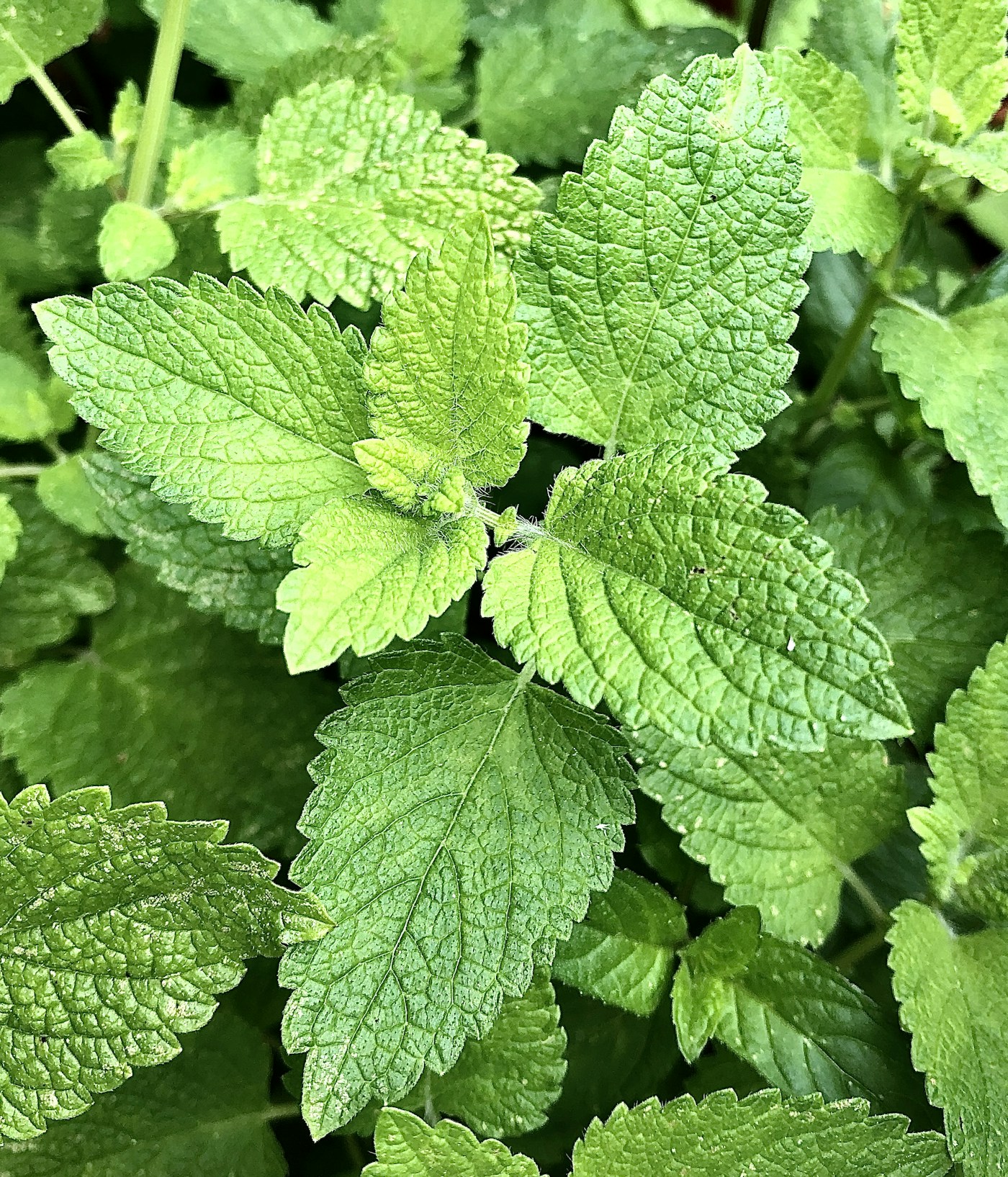
If you have a sunny windowsill, lemon balm is one of the easiest herbs to grow. It thrives in poor soil, tolerates partial shade, and bounces back if you forget to water it for a few days. Snip the leaves often to keep it bushy.
Spring is the perfect month to start a small pot. Pinch off a sprig of fresh leaves any time you feel a knot in your chest. Crushed in your hand, the lemon scent alone is calming.
Storing Dried Lemon Balm
Dried lemon balm loses potency quickly because of its delicate oils. Store it in a glass jar with a tight lid, away from light and heat. Use within a year for the strongest effect. Tea bags from a sealed pouch will hold their strength a little longer.
Frequently Asked Questions
How fast does lemon balm tea work?
Most people feel a soft calming effect within 30 to 60 minutes. The relaxation builds with regular daily use over a few weeks.
Can I drink lemon balm tea every night?
Yes, one cup per night is well tolerated for most adults. Take a break for a few days every couple of months to keep the effect fresh.
Does lemon balm tea contain caffeine?
No, lemon balm is a naturally caffeine-free herb. It will not keep you awake.
What does lemon balm tea taste like?
It is light, lemony, and a little grassy. Not sour like a citrus tea. A small amount of honey or a thin lemon slice rounds it out.
Final Thoughts on Lemon Balm Tea for Anxiety and Sleep
Lemon balm tea is one of those gentle natural tools that earns its place over time. It will not knock you out. It will not numb you. It just softens the edges of stress and pairs well with a calm bedtime routine. If you are looking for something natural to try first before reaching for a stronger option, this is a kind starting point.
I would suggest starting with the Traditional Medicinals box for one week. If you love it, upgrade to the FGO 100-count for daily use. Add the Herb Pharm tincture if you want a quick option for high-stress workdays. Drink the tea slowly, breathe a little deeper, and notice how the day starts to feel quieter at the edges.
This post may contain affiliate links, which means we may receive a small commission, at no cost to you, if you make a purchase through a link.
Looking for another natural sleep option? Many of our readers also love tart cherry juice for sleep as a gentle bedtime ritual that pairs beautifully with lemon balm tea.


