A Deodorant Showdown: Gel Deodorant vs Solid
Deodorant is one daily input — what’s the full picture?


Your Underarms Sit Right Over Your Lymph Nodes
Here is the part most deodorant comparisons skip: your armpits aren’t just skin. Tucked just beneath them is a dense cluster of axillary lymph nodes — part of the drainage system your body uses to filter and move waste. The skin there is thin, and if you shave before applying, you’ve created tiny openings that make it easier for whatever you put on to get in.
Antiperspirants add a second wrinkle. They keep you dry by using aluminum salts to plug your sweat ducts — but sweating is one of the small ways your body offloads. Plugging it right over your lymph nodes, day after day, is the opposite of supporting your drainage. That is why deodorant belongs in the bigger conversation about your total toxic load: it is a daily, leave-on input on one of the most sensitive, drainage-rich areas you have.
Whether you’re a solid deodorant fan or a gel devotee, we can all agree that there are benefits and drawbacks to both. Let’s take a look at this epic battle to see if we can settle it once and for all… or at least until the next big deodorant innovation arrives!
The differences between gel deodorant and solid
Gel deodorants typically come in a push-up tube, like toothpaste. They also tend to be more transparent in color than solids, which can offer some variety in terms of scent, depending on what type of fragrance you prefer.
Gels tend to be more hydrating and moisturizing than solids because they contain glycerin, which helps soothe skin irritation caused by shaving or waxing.
Bentonite, charcoal, chelation, cilantro, mercury chasing — these protocols all assume heavy metals are your dominant toxic load. For some people they are. Plenty of others land in this kind of work suspecting metals when adrenal exhaustion, parasites, or mold are actually doing more of the damage, and the protocols look very different depending which one is yours. If you want to sort it out before committing to weeks of binders, the 2-minute What's Draining Your Brain Tool places you in one of four root cause types so the next thing you try has a real chance of working.

On the other hand, solid deodorants come in stick form. They offer more protection against wetness thanks to their higher concentration of aluminum chloride, the active ingredient that prevents sweat from breaking through your pits. Some people would prefer to avoid higher concentrations of aluminum chloride.
Similarities between gel and solid deodorants
Despite their differences, gel and solid deodorants have one major similarity: they both keep you smelling fresh throughout the day!
Both types work by forming an invisible layer on top of your skin that acts as a barrier against sweat and odor-causing bacteria.
Additionally, many gels and solids use antiperspirant ingredients such as aluminum chloride to reduce wetness even further. So no matter whether you choose a gel or a solid deodorant, you can count on them to do their job!
When Is A Gel Deodorant Better Than A Solid Deodorant?
If you have sensitive skin or find yourself irritated after shaving or waxing, gel may be your best bet since it is more hydrating than solid forms.
Additionally, if you want variety when it comes to scents, then opting for gel will give you plenty of choices. Lastly, if you live in an area where humidity is high, gels may be better able to withstand the heat due to their lighter texture. Just make sure to reapply often!
When to Choose a Solid Deodorant Over a Gel
If you need long-lasting wetness protection, choose a solid. It has a higher concentration of aluminum chloride, the active ingredient that prevents sweat from passing through your pits, than its gel counterpart.
It’s also easier for people with physical limitations such as arthritis or limited mobility since it doesn’t require squeezing out onto your finger like gels do. Lastly, if cost is an issue, go with solids since they are generally cheaper than gels.
3 reasons it important to avoid aluminum in your deodorant

1. Aluminum is a neurotoxin
Aluminum is a neurotoxin, meaning that it can be harmful to the brain and nervous system. Exposure to aluminum has been linked to a variety of health problems, including Alzheimer’s disease, dementia, and Parkinson’s disease. Additionally, aluminum has been shown to interfere with the body’s ability to absorb calcium, which can lead to bone problems.
2. Aluminum can be absorbed through the skin
Another reason to avoid aluminum in deodorant is that it can be absorbed through the skin. When aluminum is applied to the skin, it can enter the bloodstream and potentially cause health problems. A study published in the Journal of Inorganic Biochemistry looked at women who used antiperspirants containing aluminum. Researchers found they had higher levels of aluminum in their blood than women who did not use these products.
3. There are natural alternatives available

There are many natural alternatives to aluminum-containing deodorants that are just as effective at preventing sweat and odor. Some of these natural ingredients include baking soda, arrowroot powder, and coconut oil.
Additionally, there are many commercial deodorants available that do not contain aluminum
Use these kinds of deodorants instead of commercially made to protect yourself from aluminum exposure
We found 2 high quality, effective and natural deodorants to use instead of commercial brands that contain aluminum. Pick products like these instead for a great health move.


Each & Every Natural Aluminum-Free Deodorant for Sensitive Skin
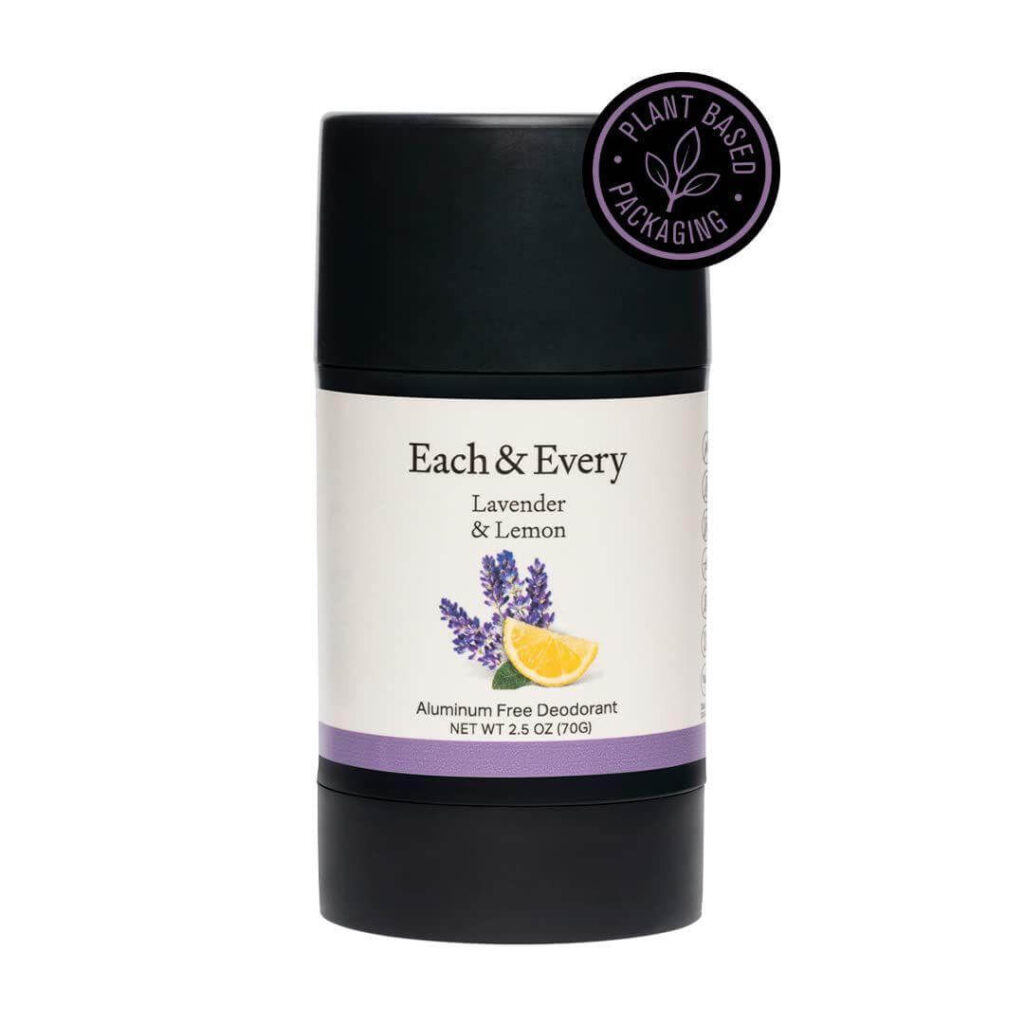
Good things to know about this all-natural solid deodorant:
- Sensitive Skin Friendly
- Made with 6 clean ingredients and essential oils
- This healthy long-lasting deodorant is sensitive skin friendly and uses Dead Sea Salt instead of baking soda.
- Sustainable, Plant-Based Packaging: Recyclable plant-based packaging made from sugarcane, a 100% renewable plant that is carbon negative and earth positive.
- Non-Toxic: No harmful chemicals or ingredients.
- Each & Every deodorant is EWG verified.
- Free of aluminum, synthetic fragrances, alcohol, parabens, baking soda, and phthalates.
- Vegan & Cruelty-Free Deodorant: Never tested on animals
- Rich scents are loved by men and women
- Lavender & Lemon Deodorant: Our lavender & lemon deodorant weighs 2.5 ounces and promises to keep you fresh, safe, and smelling good for a while to come.
2. Native Deodorant | Natural Deodorant for Men and Women
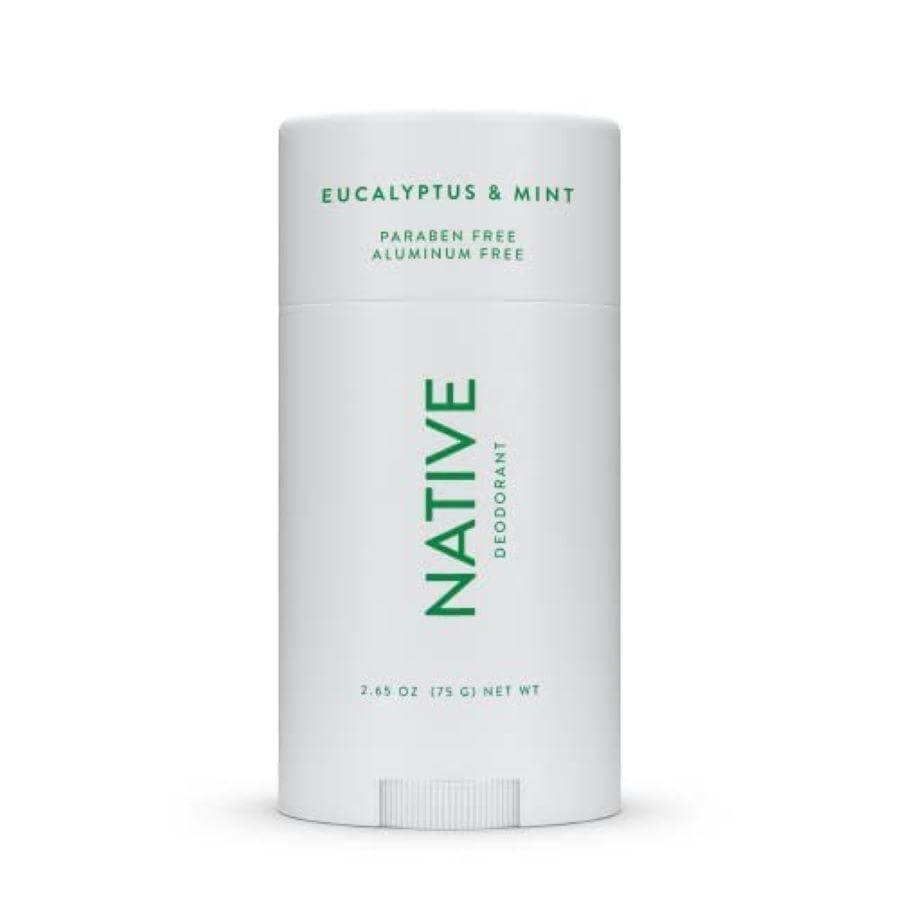
Good things to know about this all-natural solid deodorant:
- Aluminum Free – Native Deodorant isn’t a chemistry experiment, and is made without aluminum, parabens, phthalates, and talc.
- Natural deodorant contains naturally derived ingredients.
- Effective Protection -Tested thousands of ingredients before finding a recipe that feels light and fresh under your arms, but provides you with effective protection against odor.
- Goes on Easy – Native Deodorant is a solid deodorant that you can apply easily. We also use both safe, synthetic, sustainable fragrances (free of phthalates) and natural fragrances.
- Cruelty Free – Native Deodorant never tests on animals, except humans who volunteer to try Native Deodorant.
- For men and women – Native’s high performance award winning formula is strong enough for both men and women.
- All you have to choose is your favorite scent.
Concluding thoughts on gel deodorant vs solid
Unfortunately, in the battle between gel and solid deodorants, there isn’t really one clear winner; instead, it depends on personal preference as well as situational needs, such as climate.
Ultimately, both types are designed with the same goal in mind. To protect us from body odor! So no matter which side of this debate you stand on, just remember. Both gels and solids have your back (er, underarms) when it comes to freshening up throughout the day!
And remember, look at the label closely and avoid those with aluminum and any other ingredient you can not pronounce.
More from thewellthieone.com
What the research actually says
Based on articles retrieved from PubMed, here is the , non-alarmist picture — because this topic attracts a lot of fear that the evidence does not actually support:
The aluminum–breast-cancer scare is not backed by solid evidence
A review of aluminum’s health effects concluded that the claim antiperspirants promote breast cancer ‘is not supported by consistent scientific data’ (Klotz et al., Deutsches Ärzteblatt International 2017; DOI: 10.3238/arztebl.2017.0653). So this is not a reason to panic.
But the mechanism is plausible enough that researchers keep studying it
A comprehensive 2025 review found aluminum compounds can be absorbed and show estrogen-like activity and oxidative stress in lab settings, while stressing that current studies do not establish a direct causal link to breast cancer and that larger, rigorous studies are still needed (Hangan et al., Current Medicinal Chemistry 2025; DOI: 10.2174/0109298673269343231025070053).
Deodorant is one swap — see your whole picture
The links used on thewellthieone.com are affiliate links, which may provide a small commission. This does not increase the price of the goods for the consumer whatsoever. What it does is ensure that useful content like this can continue to be produced. Thank-you for enjoying our content and allowing us to continue to provide more.