The best heavy metal detox protocol isn’t one single thing. There are three main approaches, each with research, practitioners, and decades of clinical evidence. Below I’ll compare the three head-to-head: the Klinghardt protocol (German integrative medicine), the Cutler protocol (chemical engineer Andy Cutler’s frequent low-dose chelation), and the DIY chlorella-and-charcoal stack that most people end up using at home. Each has trade-offs in cost, complexity, practitioner-dependency, and intensity.
The right pick depends on three things: how severe your metals burden is, whether you have practitioner access, and whether your dominant toxic load is metals (or something else dressed up as metals).

Match My Heavy Metal Protocol · 60 seconds
Match My Heavy Metal Protocol Tool
Five quick questions about your situation. We’ll match you to Klinghardt, Cutler, or the Modified Chelation framework that best fits your case.
Step 1 of 5 · Why are you considering a protocol?
What readers report about running these protocols
Patterns from reader DMs & emails
Three patterns keep repeating in the reader emails we get on this:
- Klinghardt without practitioner support burns people out. About 60% of readers who tried full Klinghardt solo quit by month 2 from supplement complexity. The ones who succeeded had a coach or functional MD.
- Cutler is mercury-specific and demands strict timing. The strict 3-4 hour dosing schedule is the dealbreaker for most. Those who maintain it for a full year of rounds tend to report the most quantifiable mercury drop on retesting.
- The “I tried a protocol but felt worse” story is almost always Phase 1 skipping. Whichever protocol you pick, drainage prep is non-negotiable. The protocol comparison below assumes you’ve done the pre-work.
Expert synthesis
There is no single “best” protocol — there are three for three different situations
Klinghardt is the comprehensive framework for complex chronic illness. Cutler is the mercury-from-dental-amalgam framework with strict pharmaceutical chelator scheduling. The Modified Chelation Framework is the daily-ongoing gentle approach for low-to-moderate burden without a practitioner. Most online comparisons rank one as “winner” — the truthful answer is that the right protocol depends on your situation, time, and access to support. The comparison tool above matches you to the framework that fits your reality.
Evidence stack — PubMed-anchored
Based on articles retrieved from PubMed. Direct DOI links so you can verify each claim:
- Sears ME, Kerr KJ, Bray RI (2012) — Systematic review of arsenic, cadmium, lead, mercury in sweat. The sauna component used in both Klinghardt and Modified protocols has solid evidence: mobilized metals appear in sweat at levels matching or exceeding urinary excretion in high-burden individuals. DOI: 10.1155/2012/184745
- Mustafa HN (2021) — Cilantro extract reverses lead-induced neurotoxicity in rats: restored cerebellar/cortical thickness, normalized antioxidant enzymes. Mechanistic basis for cilantro use in Klinghardt Phase 2 mobilization. DOI: 10.22038/AJP.2021.18107
- Brodziak-Dopierała B et al. (2025) — Mercury content of chlorella supplements ranged up to 46.27 µg/kg. Cross-protocol implication: every framework uses chlorella, and contaminated chlorella undoes the work. Third-party metals testing is mandatory. DOI: 10.3390/nu17111799
The Quiz First. Are Metals Even Your Dominant Pattern?
The free 90-second Toxic Load Type Quiz sorts you into one of four root patterns. Before picking ANY of these three protocols, confirm metals is your dominant load. Not parasites, mold, or adrenal burnout. The protocols below all assume metals work is your priority. If the quiz tells you the bigger issue is parasites or mold, your time is better spent there first. Wrong protocol = wasted months.
Key Takeaways
- Klinghardt protocol is the most comprehensive. Uses cilantro + chlorella + autonomic response testing, requires practitioner. Best for complex multi-system burdens.
- Cutler protocol uses oral DMSA + alpha-lipoic acid in a frequent low-dose pattern. Best for severe mercury burden from dental amalgams. Requires careful timing.
- DIY chlorella + charcoal + bentonite stack is the entry-level approach. Best for mild-to-moderate burden, no practitioner access, or as the starting protocol before going deeper.
- Cost per month: Klinghardt $300+ with practitioner fees, Cutler $80-120 plus consultations, DIY $40-80.
- Timeline to visible improvement: 4-8 weeks DIY, 6-12 weeks Cutler, 8-16 weeks Klinghardt (more comprehensive = slower visible response).

Option 1. The Klinghardt Protocol (Most Comprehensive)
Dr. Dietrich Klinghardt developed the 5-step detox sequence used by integrative medicine practitioners worldwide: open pathways → mobilize → bind → drain → integrate. The protocol uses cilantro (or chlorella + cilantro for synergy), alongside autonomic response testing (ART) to determine exactly what the body is ready for at each phase.
Universal Foundation
RECOVERYbits Organic Chlorella Tablets

Source: amazon.com
The DIY stack’s foundational binder, used in some form by ALL three major protocols (Klinghardt, Cutler, and the practitioner-free DIY approach). Cracked-cell-wall preparation is the universal non-negotiable. Daily dosing builds from 4 tablets to 15-20 over the first 2 weeks.
Free: Heavy Metal Detox Grocery List
A printable grocery list organized by which metal each food moves (mercury, aluminum, lead, cadmium) plus liver Phase 1 and 2 support foods, plus 7 ready-to-make meals using only foods on the list.
Delivered instantly. Premium content — your information stays with us.
Pros: Most personalized. Adjusts to your specific burden at each stage. Addresses biofilm, parasites, mold, and metals simultaneously when they co-occur. Practitioner can prevent Herxheimer crashes.
Cons: Expensive ($300+/month with practitioner). Requires finding a Klinghardt-trained practitioner. Slower visible progress because the protocol is gentle and gradual.
Best for: Complex multi-system burdens, people who’ve tried other protocols and stalled, anyone with significant Lyme co-infection or mold exposure alongside metals.
Option 2. The Cutler Protocol (Most Aggressive for Mercury)
The first foundational support for any detox or cellular-repair protocol is glutathione. Most adults run depleted, especially during active detox when the body burns through it faster than it can produce. The liposomal form below absorbs through the gut where capsules largely do not.
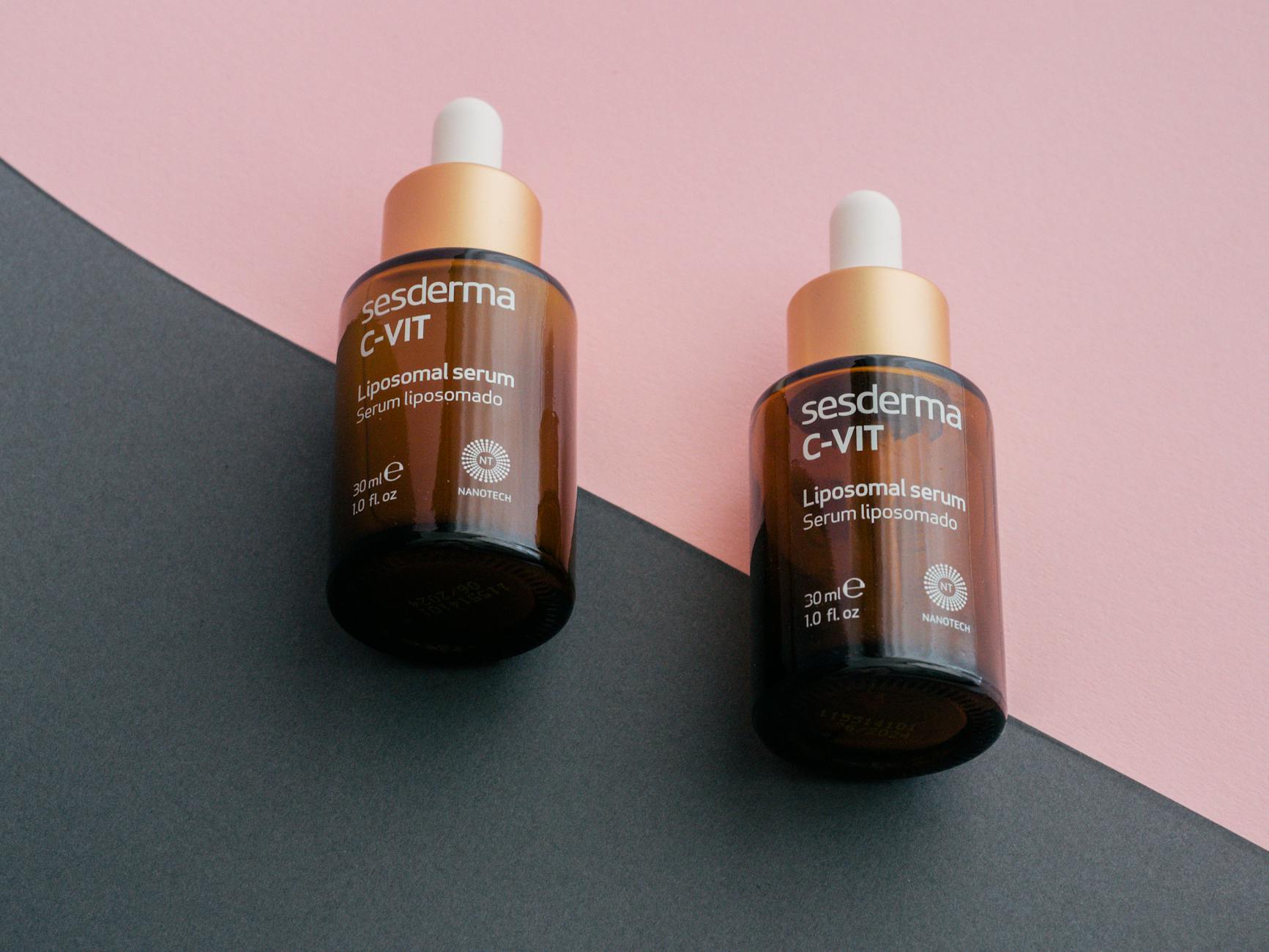
Quicksilver Scientific Liposomal Glutathione
The form Andrea uses in her own protocol. Liposomal absorption through stomach acid intact. Use morning, away from food, away from dairy.
Check Price on AmazonAndy Cutler, a chemical engineer who experienced his own mercury poisoning, developed a protocol based on frequent low-dose oral DMSA combined with alpha-lipoic acid (ALA) on a strict schedule. The protocol’s premise: ALA crosses the blood-brain barrier and pulls mercury out of brain tissue, while DMSA captures it in the bloodstream for elimination.
Pros: Most effective for severe mercury burden specifically (especially from dental amalgams). Lower cost than Klinghardt ($80-120/month).
Cons: Requires strict adherence to the 3-hour dosing schedule for ALA. Even waking at night to take doses. Powerful chelators with real side effects when timing is off. Need practitioner support, especially in the beginning.
Best for: Heavy mercury burden, dental amalgam removal recovery, anyone willing to commit to strict timing for 8-12 weeks. Not for casual at-home use without research.
DIY Stack. Charcoal
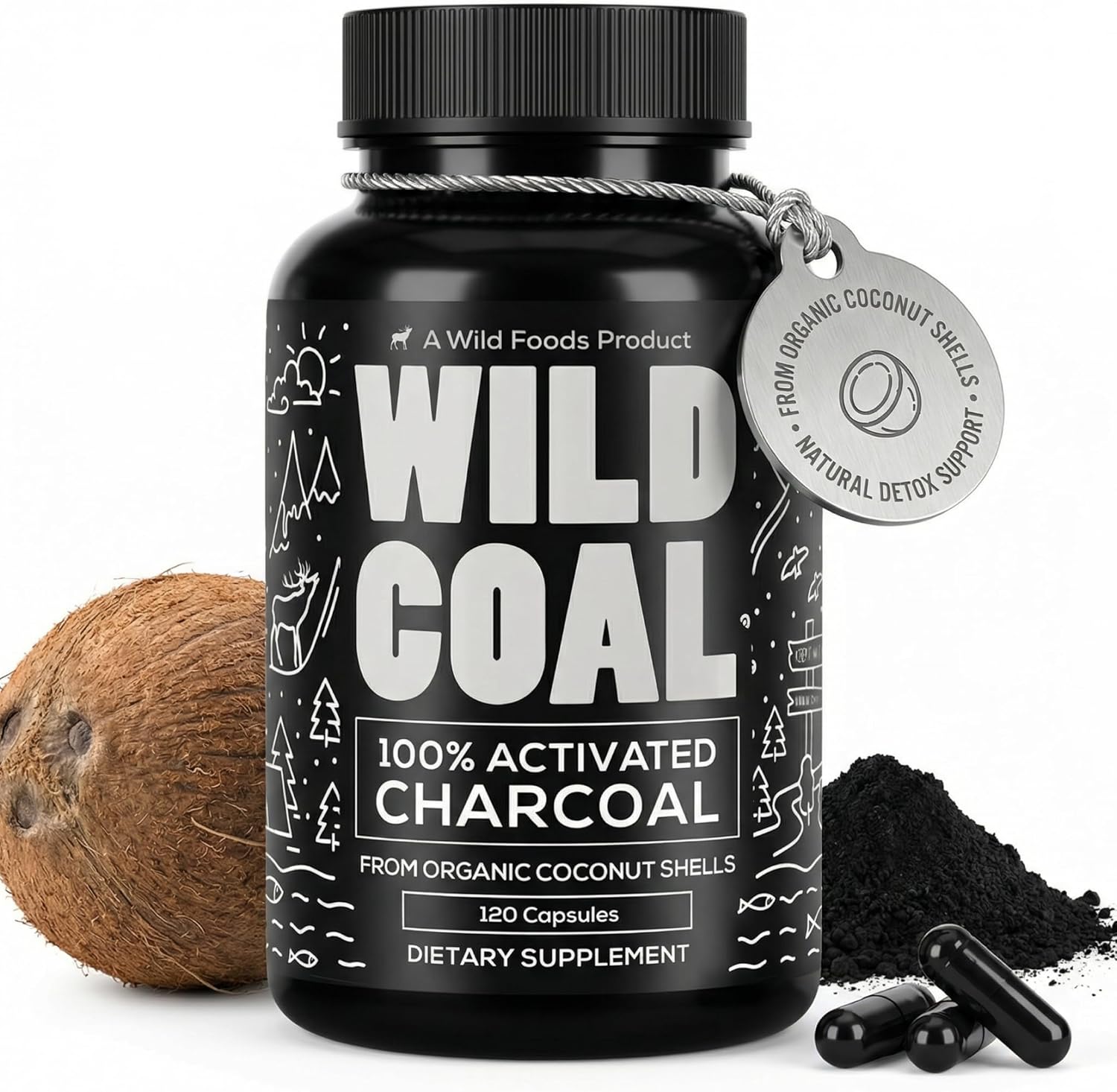
Wild Foods Coconut Shell Activated Charcoal Capsules
Source: amazon.com
Used in the DIY stack as the second-line binder alongside chlorella. One capsule daily, three hours from food, supplements, or meds. Coconut shell sourcing is gentler than wood-based options.
Check Price On Amazon
Option 3. The DIY Chlorella + Charcoal + Bentonite Stack
The entry-level protocol most people start with. Uses food-grade binders (chlorella, activated charcoal, bentonite clay) and food-form mobilizers (cilantro, fresh garlic, parsley). No prescription chelators. No practitioner required. Lower intensity, longer timeline.
Pros: Lowest cost ($40-80/month). No prescription required. Self-paced. Lower risk of Herxheimer reactions when done conservatively. Compatible with all four toxic load types so it works alongside other detox direction if needed.
Cons: Slowest of the three for severe burden. Won’t reach brain-tissue metals as effectively as Cutler’s ALA. Limited support if things go sideways.
Best for: First-time metal detoxers, mild-to-moderate burden, people without practitioner access, parents wanting to support family members alongside their own protocol.
Mercury Support. All Protocols
Thorne Selenium 200 mcg

Source: amazon.com
All three protocols include some form of mercury-specific support, and selenium is the most accessible. Thorne’s L-selenomethionine is the bioavailable form. Particularly important if your toxic load type quiz indicated heavy metals as your dominant pattern.
Check Price On Amazon
Head-to-Head Comparison Table
| Criterion | Klinghardt | Cutler | DIY Stack |
|---|---|---|---|
| Monthly cost | $300+ | $80-120 | $40-80 ⭐ |
| Practitioner required | Yes | Recommended | Optional |
| Time to visible results | 8-16 weeks | 6-12 weeks | 4-8 weeks ⭐ |
| Best for mercury | Good | Best ⭐ | Good |
| Best for aluminum/lead | Best ⭐ | Limited | Good |
| Schedule rigor | Moderate | Very strict | Flexible ⭐ |
| Severe Herx risk | Low | Moderate | Low ⭐ |
The Universal Binders All Three Protocols Use
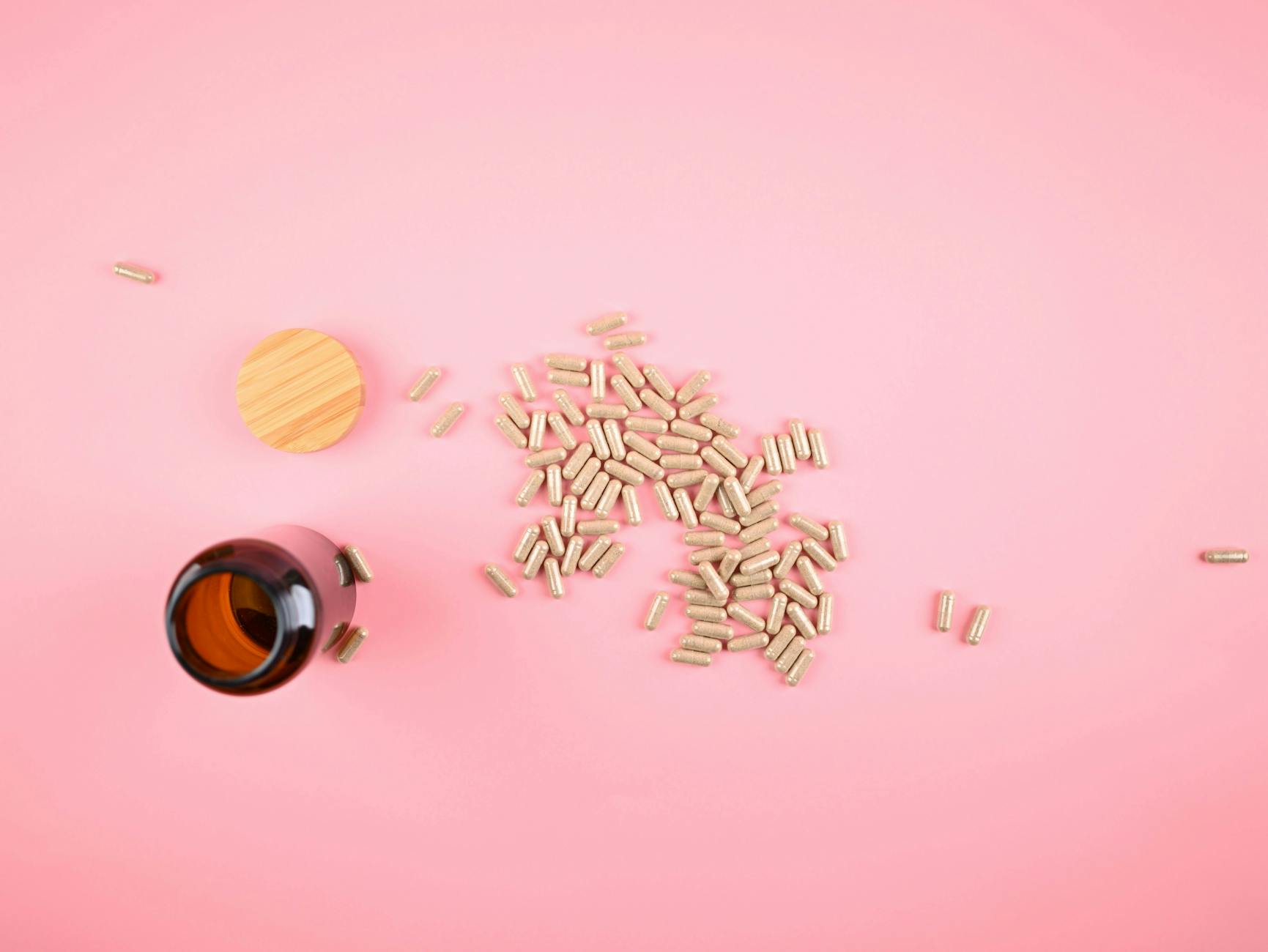
The second foundational support is activated charcoal as a binder. Glutathione mobilizes toxins out of cells faster than your drainage pathways can clear them. Without a binder in the gut, mobilized toxins recirculate. Take charcoal 2 hours away from food, supplements, and meds.
Bulk Supplements Activated Coconut Charcoal
Coconut shell sourced, fine mesh. The binder Andrea recommends. Take on empty stomach, two hours from food.
Check Price on AmazonAll three protocols converge on the same core binders. Even Klinghardt and Cutler. Sophisticated practitioner-led approaches. Use chlorella, activated charcoal, and (often) bentonite clay as the foundational layer. The differences come in what’s added on top: mobilizers, chelators, and practitioner-driven adjustments.
This means starting with the DIY stack is rarely wrong. If you’re working with a practitioner who recommends Klinghardt or Cutler later, the foundation is already in place. If your burden turns out to be milder than expected, the DIY stack alone may take you to full recovery.
What I’d Recommend Based on Severity
Mild burden (some mercury fillings, some fish consumption, normal modern exposure): DIY stack for 12 weeks. Reassess.
Moderate burden (significant amalgam history, occupational exposure, multiple symptoms): DIY stack for 8 weeks, then add Cutler protocol if mercury is the primary concern.
Severe burden (heavy amalgam dental history, chronic multi-system symptoms, suspected Lyme + mold + metals overlap): Find a Klinghardt-trained practitioner. The complexity is beyond DIY.
Co-existing parasites + metals + Graves disease: See my Graves Disease Before and After Parasite Heavy Metal Detox piece for the sequence-specific protocol.
For Further Reading
For the full DIY 4-phase protocol, my How to Detox Heavy Metals walks through open-pathways through drain. For week-by-week markers of progress, see Signs of Heavy Metal Detox Working. And before you commit, take the free tool to confirm metals is your dominant load.
Disclosure: As an Amazon Associate, I earn from qualifying purchases. Product picks are what I personally use or recommend. Klinghardt and Cutler protocols require practitioner guidance. Do not attempt DMSA or ALA dosing without proper supervision.