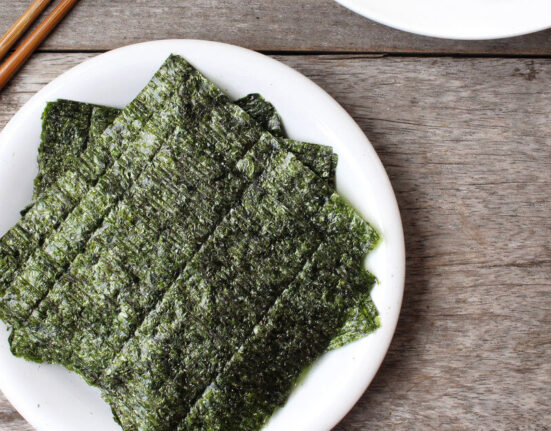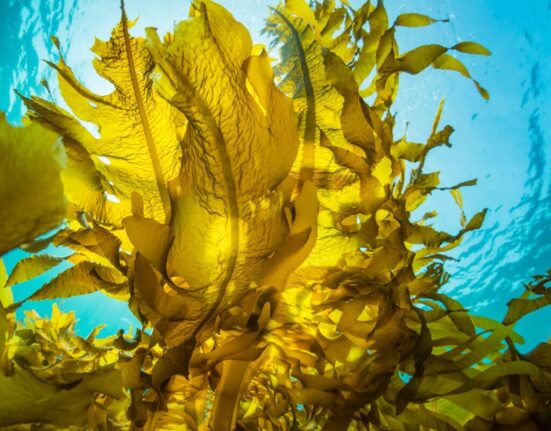
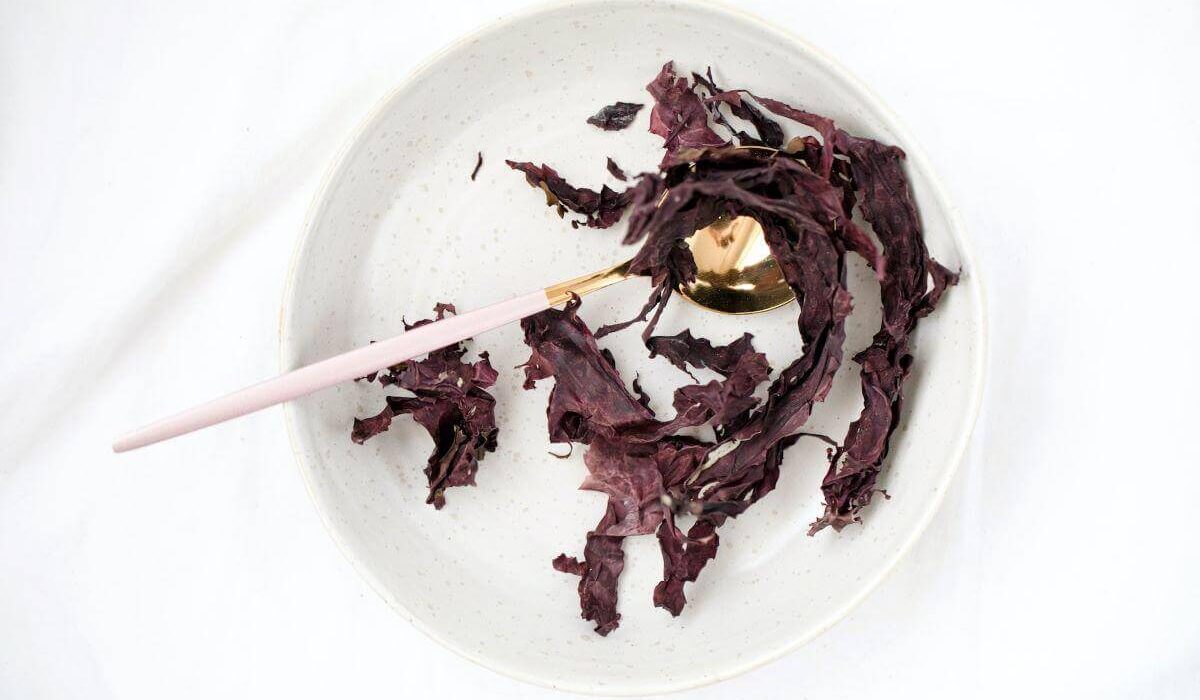
Move over kale, there’s a new superfood that is making waves in the culinary world and it’s dulse seaweed. This brilliant red algae is packed with antioxidants, vitamins, minerals, and essential fatty acids.
Deliciously salty and slightly sweet, this nutrient-packed algae can be enjoyed fresh or dried and makes a great addition to any meal. Whether you enjoy it fresh or dried, dulse makes a great addition to all sorts of different recipes.
Which Seaweed Is Right for You?


Seaweed supports your body’s clean-up crew
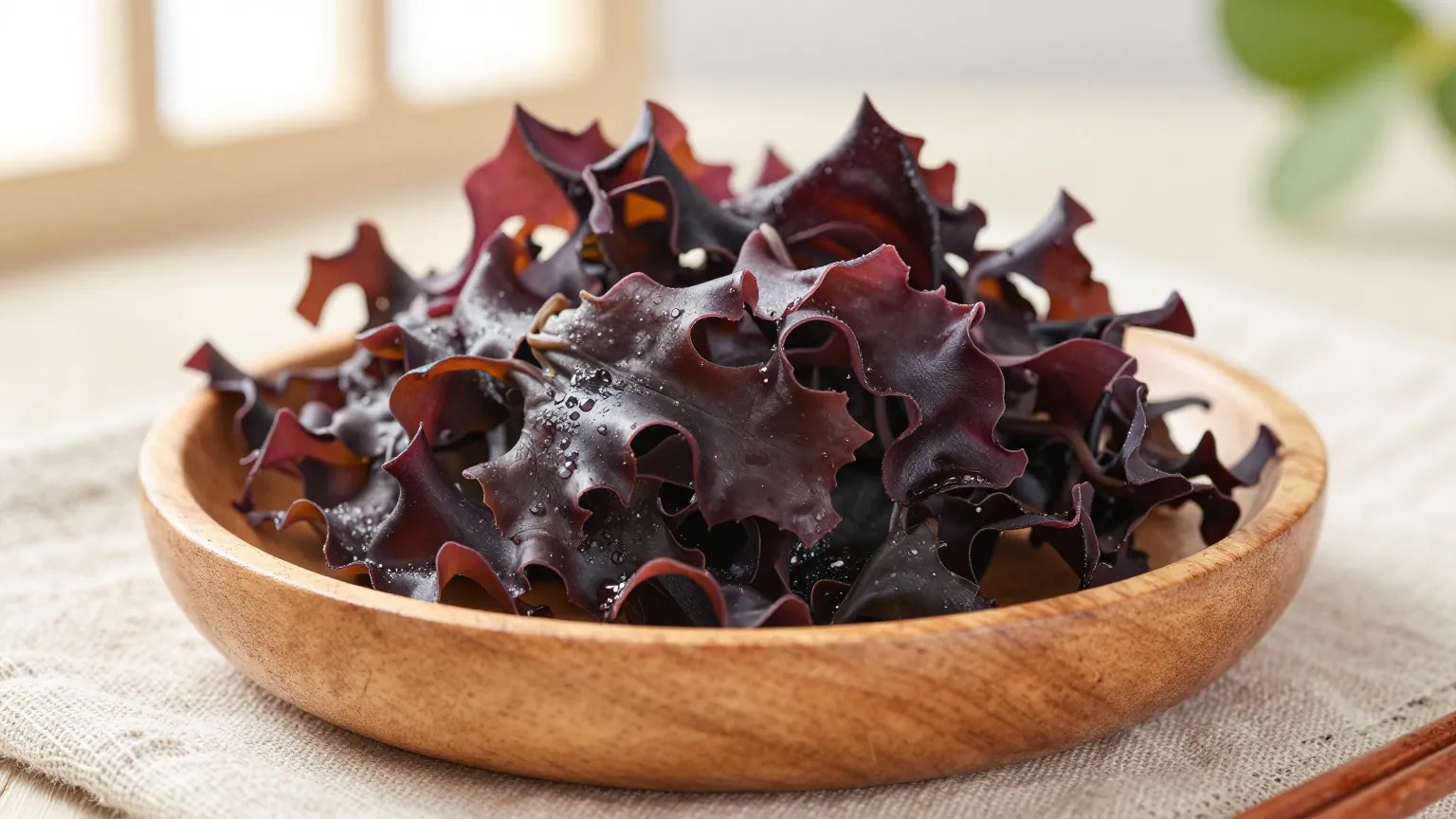
What is Atlantic dulse?
Dulse is a type of seaweed that’s common in the North Atlantic and North Pacific oceans. Dulse harvested in the Atlantic dulse is known to be the premium dulse It’s usually found attached to rocks or other hard surfaces in shallow water. Dulse can also be found in some Asian markets. This variety of seaweed is red or purple and has a chewy texture. It’s often used as a seasoning or added to soups and stews.
Dulse is rich in vitamins and minerals, including iron, potassium, and magnesium. It’s also a good source of fiber. Because of its nutritional value, dulse has been used as a traditional remedy for anemia and other health conditions.
Bentonite, charcoal, chelation, cilantro, mercury chasing — these protocols all assume heavy metals are your dominant toxic load. For some people they are. Plenty of others land in this kind of work suspecting metals when adrenal exhaustion, parasites, or mold are actually doing more of the damage, and the protocols look very different depending which one is yours. If you want to sort it out before committing to weeks of binders, the 2-minute What's Draining Your Brain Tool places you in one of four root cause types so the next thing you try has a real chance of working.
Dulse is a versatile ingredient that can be used in many different ways. It can be eaten raw, roasted, dried, or pickled. It can also be used as a flour or thickener in soups and stews. Dulse has a mildly salty taste and a slightly fishy smell.
What kinds of recipes include dulse?
Dulse is a type of seaweed that is common in both Asian and Western cuisines. In Asia, it is often used as a base for soups and stews, or as a wrap for steamed fish. In the West, dulse is commonly added to salads, pasta dishes, and bread recipes. It has a mild, slightly salty flavor that pairs well with both savory and sweet dishes.
Dulse is also a good source of vitamins and minerals, making it a healthy addition to any recipe. Whether you’re looking for a new ingredient to experiment with or a healthy way to add more vitamins and minerals to your diet, dulse is definitely worth trying.
Recipes for Atlantic Dulse
- Raw Atlantic dulse salad: Mix together dulse with some shredded carrots, diced apple, and raisins. Drizzle with your favorite dressing for a healthy and tasty side dish or snack.
- Preheat the oven to 375°F for the roasted dulse fries.Cut the dulse into thin strips resembling French fries. Toss with olive oil and sea salt, then bake for about 15 minutes until crispy. Serve with your favorite dipping sauce or ketchup.
- To make the pesto pasta, cook the pasta according to package directions, then set aside.In a food processor, combine fresh basil leaves, Parmesan cheese, pine nuts, garlic cloves, lemon juice, and salt to taste. With the machine running, slowly add in olive oil until the pesto is smooth. Mix pesto with cooked pasta and top with crumbled dried Atlantic dulse before serving. Yum!
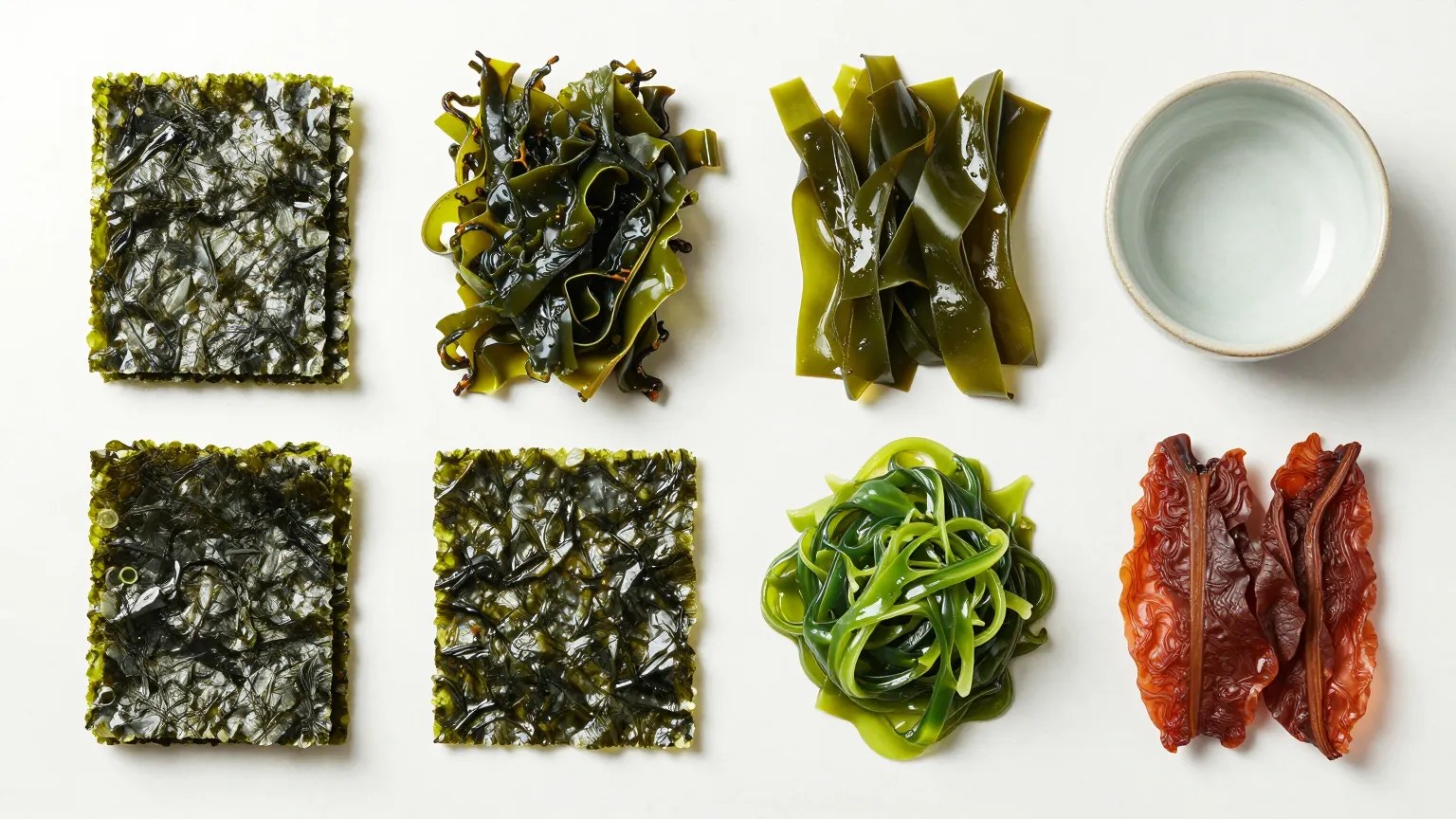
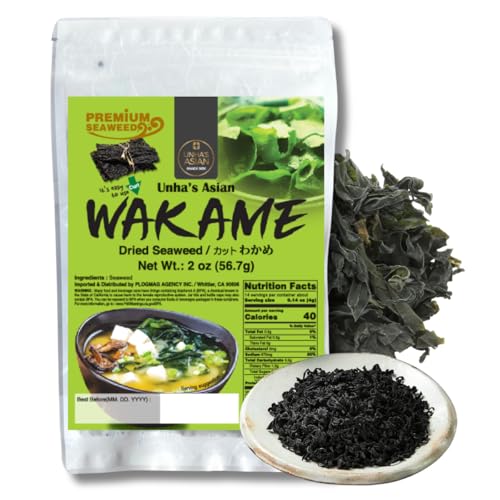
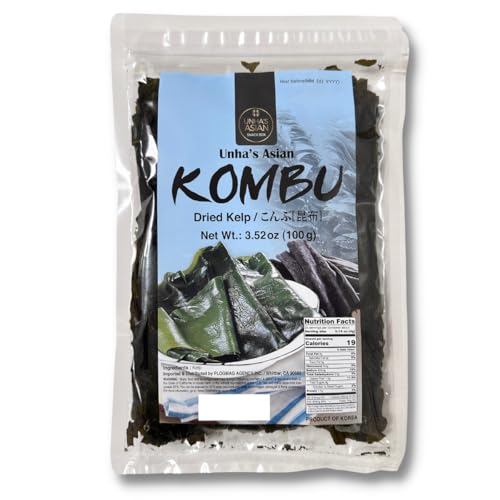
What the research actually says
Seaweed’s reputation as a ‘detox food’ is partly earned and partly hype — so here’s the real science. Based on articles retrieved from PubMed:
The fiber in brown seaweed binds heavy metals
Alginate, the gel-forming fiber in brown seaweeds like kelp and kombu, has a well-documented chemical affinity for heavy metals — in laboratory and water-treatment research it binds metals such as mercury, lead, and cadmium through chelation and ion exchange (Gao et al., International Journal of Biological Macromolecules 2020; DOI: 10.1016/j.ijbiomac.2020.09.046). Researchers are studying how well dietary alginate does the same in the gut — the mechanism is real, the human detox evidence is still emerging.
Seaweed is genuinely nutrient-dense
Edible seaweeds are rich in antioxidants, dietary fiber, vitamins, minerals, and unique polyphenols, and reviews note antioxidant and other beneficial activities (Ilyas et al., Plant Foods for Human Nutrition 2023; DOI: 10.1007/s11130-023-01056-8). That density is why a little seaweed adds a lot to a meal.
Why ‘detox foods’ only go so far
How can you make dulse taste like bacon?
Dulse is a type of seaweed that has a fairly neutral taste. This makes it a great candidate for taking on the flavors of other foods. In particular, dulse can be used as a vegetarian alternative to bacon, and some companies are selling dulse as a bacon alternative.
To make dulse bacon at home for much less, simply fry it in some oil until it is crisp. Then, add your favorite seasonings. Common seasonings for bacon include salt, smoke flavoring, pepper, and paprika.
Feel free to experiment with other spices as well. Once your dulse is properly seasoned, it will have a similar savory flavor and crispy texture to bacon. So next time you’re craving something smoky and delicious, reach for some dulse instead of pork.
To learn more about other types of highly nutritious seaweeds to use in your recipes:
Concluding Thoughts
If you’re looking for a new ingredient to add to your diet, dulse is definitely worth trying. This type of seaweed is not only nutritious but also versatile and easy to find in most Asian markets or online. Give it a try in your next soup or stew!
Frequently asked questions
What is Atlantic dulse and what does it taste like?
Atlantic dulse (Palmaria palmata) is a soft, reddish-purple seaweed harvested in cold northern waters. It has a savory, slightly smoky, umami flavor — milder than nori — and is delicious as flakes on food or eaten as-is.
Is dulse good for detox?
Dulse is mineral-rich and fiber-rich, which supports your gut and detox organs. The strongest heavy-metal-binding evidence is for alginate in brown seaweeds (kelp, kombu); dulse is a red seaweed valued mainly for its iron, potassium, and antioxidants. It’s a supportive food, not a detox cure.
How do you use dulse flakes?
Sprinkle them on eggs, salads, soups, popcorn, roasted veg, and avocado toast, or blend a small amount into smoothies. Start with a little — the flavor is savory and concentrated.
Is dulse high in iodine?
Dulse has moderate iodine — less than kelp or kombu — which makes it an easy everyday choice for most people. Still, if you have a thyroid condition, are pregnant, or take thyroid medication, check with your doctor about how much seaweed is right for you.