
Amalgam filling removal is one of those decisions where the answer is either life-changing or disastrous, with very little middle ground. The variable that decides which side you land on is not whether you remove the fillings — it is HOW. Conventional drill-and-suck removal releases 4 to 5 times more mercury vapor than IAOMT-compliant SMART-protocol removal. The Readiness Tool below picks the right next step for your specific case in about 60 seconds.

Find My Amalgam Removal Readiness Tool
Answer three short questions. The tool tells you whether you are ready for SMART-protocol removal now, need 30 days of detox prep, or should consult before scheduling.
Step 1 of 3 — When were your fillings placed?
Step 2 of 3 — How many amalgam fillings do you have?
Step 3 of 3 — What is your planned timeline?
Top 3 Picks For SMART-Protocol Prep

Organic Cracked-Cell Chlorella 720 Tablets
Cracked-cell wall format binds mercury that drops free during drilling. Start 14 days pre-removal.
View on Amazon →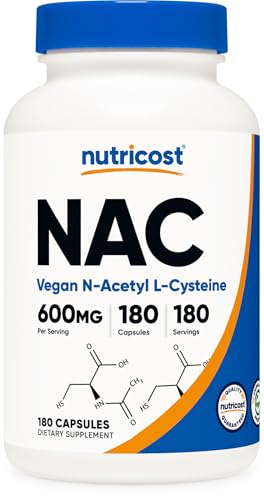
Nutricost NAC (N-Acetyl Cysteine) 600 mg
Glutathione precursor used by biological dentists pre and post removal to support liver detox load.
View on Amazon →
NOW Foods Activated Charcoal from Coconut
Take 1 capsule 1 hour after the appointment to bind any swallowed amalgam particulate.
View on Amazon →What Is Dental Amalgam Mercury Vapor And Why Does It Matter?
Dental amalgam is roughly 50 percent elemental mercury by weight, mixed with silver, tin, copper, and zinc. The mercury is what gives amalgam its plastic, moldable consistency before it hardens. Once placed, the filling continuously releases small amounts of mercury vapor across years and decades. According to PubMed, that low-grade vapor release is the dominant source of mercury in the central nervous system of the average adult in developed countries.
The release rate spikes dramatically when amalgam is mechanically disturbed. Chewing hard foods, grinding, and especially dental drilling all increase the rate of vapor escape. A conventional dental drill spinning at 200,000 RPM with a water spray hits the amalgam surface and atomizes it into a cloud of mercury-containing aerosol — which is what makes removal so dangerous if done without specific protection.

What Is The IAOMT SMART Protocol?
The International Academy of Oral Medicine and Toxicology (IAOMT) is the professional body that developed and maintains the Safe Mercury Amalgam Removal Technique (SMART) protocol. The protocol exists because conventional amalgam removal — just drilling out the filling and switching to composite — releases the highest single mercury vapor exposure most adults will encounter in their lifetime. SMART reduces that exposure dramatically.
The core SMART safeguards include:
- Rubber dam isolation — a thin latex or nitrile sheet stretched around the tooth so amalgam fragments and water spray cannot reach the throat or be swallowed
- High-volume air evacuation — a separate suction unit positioned at the source of vapor release, capturing mercury aerosol before it can be inhaled
- Supplemental oxygen or external air — nasal canula delivering clean air or oxygen so the patient is not breathing operatory air during the procedure
- Full-body cover — a drape protecting clothing from contaminated water spray, plus protective eyewear and a head cover
- Sectioned removal — specific drilling sequence that cuts the amalgam out in large pieces rather than grinding it into dust, which dramatically reduces total vapor surface area
- Specialized mercury filter — the office uses a mercury-grade amalgam separator on the dental unit so mercury is captured before it enters water/sewage

The 30-Day Drainage Prep Window Before Your First Removal
The single biggest predictor of a clean amalgam removal recovery is what you do in the 30 days BEFORE the first appointment. The SMART protocol stops most mercury vapor from being inhaled. But the small amount that does get released, plus the mercury already stored in your body from years of low-grade vapor exposure, needs an exit path. Drainage prep opens that path.
A clean 30-day prep window typically includes:
- Days 1 to 14: Open bowel motility (magnesium glycinate 400 mg at bedtime, 2 to 3 liters of filtered water daily, daily sweating via sauna or vigorous walk). The bowel is the dominant excretion route for mercury bound to chlorella.
- Days 15 to 30: Start cracked-cell chlorella at 1 g/day, ramp by 0.5 g every 3 days up to 3 g/day. Add NAC 600 mg twice daily as a glutathione precursor. Continue magnesium and hydration.
- Day 25 to 30: Confirm your IAOMT-certified dentist booking. Take a baseline hair tissue mineral analysis (HTMA) so you can compare 90 days post-removal.
Order Of Removal: Why You Should Not Do Them All At Once
The IAOMT-trained sequencing standard is to remove one to two fillings per visit, spacing visits 4 to 6 weeks apart. Reader reports consistently show that patients who try to remove 6 or 8 fillings in a single half-day visit have the worst post-removal symptoms — fatigue, brain fog, metallic taste, and sleep disruption lasting 6 to 12 weeks. Spreading removals across multiple visits lets the body process each release before the next is added.
Within that sequencing, biological dentists typically prioritize the filling with the highest electrical current first (measured with a small probe), then work outward by quadrant. Higher-current fillings release more vapor and are usually the first to crack or fail anyway.
The 90-Day Post-Removal Support Protocol
Removal is the start of the window, not the end. According to Lindh 2002 (Uppsala model, 796 patients), the combination of amalgam removal PLUS antioxidant therapy produced more than 70 percent symptom improvement — the antioxidant piece is what made the difference between “fillings gone” and “symptoms gone.”
A standard 90-day post-removal protocol typically continues chlorella at 3 g/day, NAC at 600 mg twice daily, liposomal glutathione at 500 mg in the morning, and magnesium at bedtime. The 4 to 8 week mark is the most common window for “redistribution symptoms” — mercury moving out of fat stores in response to the lower oral input. Continuing binders through this window is what prevents the redistribution from becoming a new problem.
Who Should Not Remove Amalgams (Yet)?
Some patients should explicitly delay or skip amalgam removal:
- Pregnant or breastfeeding women. No removal during pregnancy or lactation. Plan around conception or wait until weaning.
- Patients with closed elimination pathways. If you are constipated, dehydrated, or have known liver dysfunction, get those resolved first.
- Patients with active autoimmune flares. Wait until the immune system is stable. The mercury release window will amplify any active inflammatory pattern.
- Patients without access to an IAOMT-certified dentist. Travel to a SMART-protocol office or wait. Conventional removal is worse than leaving the filling in place.
The Evidence Stack: What Research Says About Amalgam Mercury and Removal
4 peer-reviewed studies on amalgam mercury exposure and removal
A snapshot of what the research supports and what it does NOT prove — read this first, then scan the studies.
What The Research Supports
- Amalgam fillings are a major source of mercury exposure in the general adult population
- Mercury vapor crosses the blood-brain barrier and accumulates in the central nervous system
- Drilling, polishing, and removing amalgam without protocol releases substantial mercury vapor
- Removal of amalgams in symptomatic patients (Uppsala model) produced over 70 percent symptom improvement
- Norway, Sweden, and the European Union have phased out amalgam restorations
- Pregnant women, children, and those of childbearing age are explicitly advised against new amalgams
What It Does NOT Prove
- Every adult with amalgam fillings will develop mercury-related illness
- Mercury vapor from amalgam exceeds occupational safety limits in the average patient
- Random amalgam removal without protocol is safer than leaving them in place
- One specific symptom reliably proves amalgam mercury is the cause
- Conventional dentists removing amalgam without SMART protocol can match IAOMT outcomes
- Removal automatically eliminates the existing mercury body burden — chelation is a separate question
Pattern Observations: What Real Amalgam Removal Patients Report
3 Patterns We See Across Reader Reports
Pattern 1: Drainage prep before removal is the single biggest predictor of a clean recovery
Readers who do 30 days of gentle drainage support before the first removal visit (binders, magnesium, sweating, hydration) consistently report only mild post-removal symptoms. Those who skip prep and walk in cold report fatigue, brain fog, and metallic taste lasting 4 to 8 weeks. The mercury that gets mobilized during drilling has to go somewhere — if drainage is open, it leaves; if not, it redistributes.
Pattern 2: One or two fillings per visit, 4 to 6 weeks apart, beats one big day
Patients who try to remove 6+ fillings in a single half-day visit report the worst post-removal symptoms. Spacing removals across multiple visits (typically by quadrant) lets the body process each mercury release before the next. This is the standard IAOMT-trained sequencing recommendation.
Pattern 3: Symptoms can show up 6 to 8 weeks after removal, not the day of
A common misread is “I felt great for a month, then I got worse.” That is mercury redistributing out of fat stores as the body responds to the lower input. Continuing binders and glutathione precursors for 90 days post-removal handles this window. Without that support, the redistribution can feel worse than the original symptoms.
Expert Synthesis: Why The SMART Protocol Is Non-Negotiable
Dental amalgam is roughly 50 percent elemental mercury by weight. While the filling sits in your tooth, mercury vapor is released slowly across years and decades. The moment a dental drill touches that filling, the release rate spikes dramatically — high-speed drilling and water spray atomize the amalgam, and the resulting vapor cloud is what you inhale during a conventional removal.
The International Academy of Oral Medicine and Toxicology (IAOMT) developed the SMART (Safe Mercury Amalgam Removal Technique) protocol specifically to address this spike. The protocol uses a rubber dam to isolate the tooth, high-volume air suction at the source, an external air or oxygen supply for the patient, full-body coverage, and a specific drilling sequence designed to cut the filling out in large chunks rather than grinding it into dust. IAOMT data indicates this combination reduces mercury vapor exposure during the procedure by approximately 4 to 5 fold compared to conventional removal.
The takeaway is simple: amalgam removal is not just a dental procedure. It is a clinical event that mobilizes mercury whether you want it to or not. The question is whether that mercury exits your body cleanly (with SMART protocol + drainage prep) or redistributes deeper into tissues for years (without). Walking into a conventional dental office for removal because it is closer or cheaper is the single most common reason a “detox” decision turns into a new health problem. Find an IAOMT dentist. Use the Readiness Tool above to time it correctly.
Amalgam Is Usually Not Your Only Mercury Source
High-mercury fish, old occupational exposure, and ambient air all stack on top of amalgam load. Before you decide whether removal will resolve your symptoms, map the rest of your toxic exposure picture — that is what tells you whether removal alone is the answer or whether you also need broader support.
Use The Toxic Load Tool →Your SMART-Protocol Prep Shopping List
Every product below maps to the 30-day prep window. Start binders and gentle support 14 to 30 days before your first removal appointment.
Organic Cracked-Cell Chlorella 720 Tablets
Cracked-cell format binds mobilized mercury in the gut. Start 14 days before first removal at 1 g/day, ramp to 3 g.
View on Amazon →Nutricost NAC (N-Acetyl Cysteine) 600 mg
Glutathione precursor used pre and post removal to support liver mercury processing. 600 mg twice daily for 8 weeks.
View on Amazon →
Cata-Kor Liposomal Glutathione
Direct glutathione delivery for the 90-day post-removal window. Take in the morning on empty stomach.
View on Amazon →NOW Foods Activated Charcoal (Coconut)
Take 1 capsule 1 hour after each removal appointment to bind any swallowed amalgam particulate.
View on Amazon →
Magnesium Glycinate 400 mg
Supports phase II liver detox pathways and bowel motility (open drainage = mercury exits). 400 mg at bedtime.
View on Amazon →
Hyperbiotics Pro Dental Probiotic (BLIS K12)
Repopulates the oral microbiome after amalgam removal disrupts the mouth ecosystem. One lozenge nightly for 8 weeks.
View on Amazon →If you only choose one
Start with cracked-cell chlorella. It is the single most-recommended item in the IAOMT post-removal protocol because it binds mercury in the GI tract before it can be reabsorbed.
Common Questions About Amalgam Filling Removal
Is amalgam filling removal worth doing if I have no symptoms?
Maybe. The Berlin 2020 Neurotoxicology review supports a precautionary phase-out for children, women of childbearing age, and pregnant women regardless of symptoms. For asymptomatic adults outside those groups, the cost/benefit is more individual — use the Readiness Tool above to think it through.
How much does SMART-protocol amalgam removal cost?
Most IAOMT-certified dentists in the US charge roughly $200 to $450 per amalgam filling for SMART-protocol removal plus replacement with a composite or ceramic filling. That is generally 30 to 60 percent more than a conventional filling replacement. Insurance coverage varies; ask the office for an upfront estimate.
How do I find a SMART-protocol dentist?
The IAOMT keeps a free public directory at iaomt.org of dentists who have completed the SMART certification. When you call, confirm in writing: rubber dam, high-volume suction, supplemental oxygen, and full-body coverage. If the office cannot confirm all four, keep looking.
Will removing amalgams trigger mercury detox symptoms?
Sometimes, especially without 30 days of drainage prep. The mercury mobilized during drilling has to exit somewhere. With proper prep (binders, glutathione precursors, hydration, magnesium), most patients report only mild post-removal fatigue. Without prep, redistribution symptoms can appear 4 to 8 weeks later. The Readiness Tool above sorts you into the right prep window.
Can I have amalgams removed during pregnancy?
No. Both IAOMT and conventional dentistry agree: do not remove amalgams during pregnancy or while breastfeeding. The vapor exposure spike during removal — even with SMART protocol — is not worth the fetal risk. Wait until after weaning or plan removal before conception.
What is the safest toothpaste to use with amalgam fillings?
An amalgam-neutral formula with no baking soda and no activated charcoal (both are mildly abrasive on amalgam edges). Our Homemade Coconut Oil Toothpaste Recipe includes an Amalgam-Neutral version specifically designed for people with silver fillings.
Related Reading From The Wellthie One
Amalgam removal is one piece of a broader heavy metal detox strategy. These cluster articles help you build the surrounding plan:
- How To Detox Heavy Metals: The Complete Guide — the pillar overview, sequencing principles, and protocol comparison
- Heavy Metal Detox Foods — the food-first foundation for any removal or detox window
- Hair Tissue Mineral Analysis (HTMA) — how to get a baseline reading before and after removal
- Homemade Coconut Oil Toothpaste Recipe — includes an Amalgam-Neutral variant for daily use
This post may contain affiliate links, which means we may receive a small commission, at no cost to you, if you make a purchase through a link. Photos courtesy of Pexels.