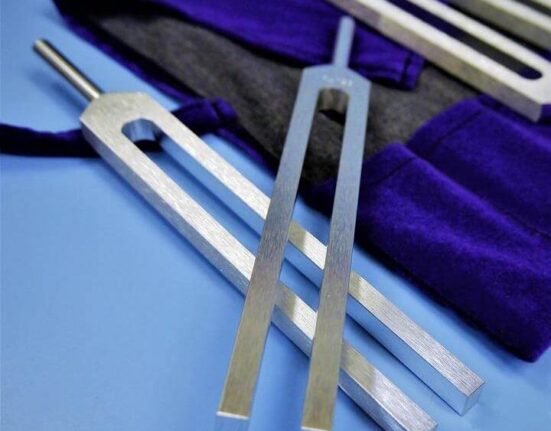

You are an adult, sitting at your desk or in your car or on the edge of your bed, and you can feel your nervous system spinning. Maybe your chest is tight. Maybe your jaw is locked. Maybe the world feels a little far away. And somewhere in the back of your mind, a small voice asks whether reaching for a warmed plush, a weighted blanket, or your old childhood comfort object would be a regression — whether grown-ups are supposed to handle this without props.
This is the wrong question. The right question is what your nervous system is asking for, and the right answer almost always involves the body, not more thinking. The science here is clear: self soothing techniques for adults are not regression. They are nervous-system regulation. Therapists now prescribe weighted blankets, warmies, and tactile comfort tools as first-line interventions for anxiety, insomnia, and overwhelm in adult clients — because the same deep-touch-pressure circuit that calms a swaddled infant calms a 47-year-old in a stressful job. Your vagus nerve does not know how old you are.
This pillar is the full adult self-soothing toolkit. The interactive Find My Calm Match Tool below takes three quick taps — your current state, your location, and your available time — and matches you to the right reset to try first. Then the rest of the article walks you through the polyvagal framework underneath every technique, the four most reliable adult tools (warmies, weighted blankets, lap pads, breathing protocols), what the peer-reviewed research truly says, the patterns we see across thousands of reader reports, and a permission slip from clinical research to use these tools without shame.
Find My Calm Match Tool
Three quick taps. The tool matches your current nervous-system state, location, and time to the right self-soothing technique to try first.
1. How does your system feel right now?
2. Where are you right now?
3. How much time do you have?
READER-VETTED ADULT COMFORT TOOLS

Heatable & Coolable Lavender Plush
Microwavable warmie with deep touch pressure and lavender aromatherapy. Reader-favored for evening unwinding.
View on Amazon →
YnM Cooling Weighted Blanket 15 lb
Standard adult dose (10 percent body weight). Cooling fabric for warm sleepers.
View on Amazon →
Florensi Weighted Lap Pad 5 lb
The discreet desk-friendly DTP option. Drape across thighs while working.
View on Amazon →
The Polyvagal Framework Behind Every Self-Soothing Technique
Stephen Porges’ polyvagal theory reorganized how clinicians think about anxiety, trauma, and self-regulation. Instead of the old binary of stressed vs calm, polyvagal theory describes three autonomic states your nervous system moves between, mostly without your conscious input. Understanding which state you are in tells you which self-soothing tool will genuinely work.
Ventral vagal: the calm-alert state you are aiming for
This is the state where you feel safe, connected, curious, and capable. Your heart rate variability is high, your breathing is slow and easy, your face is expressive, your voice has musical range. Most of the self-soothing techniques in this pillar are designed to return you to this state. Co-regulation — being near someone who is themselves in ventral vagal — is the fastest path back, which is why a calm therapist, a steady friend, or even a calm pet can settle you faster than any solo technique. Comfort objects and warmies work in part by simulating the sensory cues of co-regulation: warmth, gentle pressure, and a steady presence on your body.
Sympathetic mobilization: the wired, racing, scattered state
This is fight-or-flight. Heart rate is up, breathing is shallow and in the upper chest, muscles are tense, the prefrontal cortex (your reasoning brain) is partially offline because the amygdala has hijacked attention. If your inner experience is racing thoughts, irritability, a tight chest, or the inability to sit still, you are mobilized. The right tools here apply deep touch pressure (a weighted lap pad or blanket), extend the exhale (4-7-8 breathing or box breathing), and stimulate the vagus nerve directly (humming, cold water on the wrists or face). The wrong tool is more thinking or more caffeine.
Dorsal vagal shutdown: the foggy, flat, dissociated state
This is the freeze response. When the nervous system perceives a threat as too overwhelming to fight or flee, the older dorsal vagal branch slams the brakes — heart rate drops, energy drains, the world feels distant, motivation evaporates. Adults often misread this as depression or laziness; polyvagal theory frames it as a survival reflex. The right tools here are gentle activating cues (cold on the face, slow walking, humming) followed by safety cues (warmth, a warmie on the chest, a low-tone singing bowl). The wrong tool is more numbing — more scrolling, more wine, more sleep.
According to PubMed, the Gitler 2025 vagal neuromodulation review (10.3892/mi.2025.236) confirms that interventions raising vagal tone — HRV biofeedback, slow-paced breathing, Safe-and-Sound polyvagal protocols — reduce anxiety in adults without pharmacologic load. The Sanders 2017 polyvagal review (10.1038/jp.2017.124) lays out the clinical framework that now anchors trauma-informed care across pediatric and adult medicine.
The Quick Win Every Adult Should Know First: 5-4-3-2-1 Grounding
Before any product, before any breathing protocol, every adult should have the 5-4-3-2-1 sensory grounding technique memorized. It is the universal entry point: it works in any state, in any location, with nothing but your eyes and your attention. You can do it standing in a meeting, sitting in a car, lying in bed at 3 a.m. The full method walks you through naming five things you can see, four you can touch, three you can hear, two you can smell, and one you can taste — a 30 to 45-second exercise that pulls your prefrontal cortex back online and interrupts amygdala-driven rumination.
We treat this as the first stop in the toolkit because it costs nothing, requires no products, works in public, and gives every other technique in this pillar a stable base to build on. Once you are out of full amygdala hijack, you can choose the right next tool from the Find My Calm Match Tool above. For the complete 5-4-3-2-1 walkthrough including the common mistakes adults make with it, the full guide is here: The 5-4-3-2-1 grounding technique for anxiety.
The Four Pillars of the Adult Self-Soothing Toolkit
Underneath the dozens of individual techniques, the adult self-soothing toolkit organizes into four pillars. Most adults will use all four across a typical week, often in combination. Each pillar gets its own dedicated spoke article below, but the overview here is the map.
Pillar 1: Heat-based comfort (warmies and microwavable plush)
Microwavable plush animals, often sold under the Warmies brand, deliver three calming cues at once: cutaneous warmth, deep touch pressure from the weighted core, and an attachment-object form factor that activates the brain’s tactile-comfort circuit. Adults reaching for a warmie often feel sheepish about the plush element, but the same vagal-tone evidence that supports weighted blankets supports warmies — with the added heat-driven cutaneous vagal pathway that blankets alone do not deliver. Best for: evening unwinding, period pain, post-work decompression, sleep onset. Full spoke: Warmies for adults: when a heatable plush calms anxiety.
Pillar 2: Deep touch pressure (weighted blankets, lap pads, eye pillows)
Deep touch pressure (DTP) is the technical name for the firm, even, distributed pressure that a weighted blanket or lap pad delivers. According to PubMed, the Vinson 2020 chemo-infusion RCT (10.1188/20.CJON.360-368) and the Payne 2024 multicenter surgical RCT (10.1002/aorn.14146) both confirmed significant adult anxiety reduction from weighted blankets during high-stress medical procedures. The Yu 2024 insomnia RCT (10.1186/s12888-024-06218-9) extended this to sleep quality in adults with clinical insomnia. Best for: sleep, generalized anxiety, focus while working. Full spoke: Weighted comfort: plush vs blanket vs lap pad comparison.
Pillar 3: Direct vagal stimulation (breathing, humming, cold)
This pillar covers everything that works without a single object — slow-paced breathing, humming, gargling, cold water on vagus-rich areas (face, wrists, behind the ears), the physiological sigh, walking exhale-extension. The Gitler 2025 review (10.3892/mi.2025.236) confirms these raise vagal tone measurably in adults. Best for: when you are in public, at work, on a plane, in a meeting, or anywhere you cannot reach for a comfort object. Full spoke: Self-soothing without a comfort object: 8 vagus nerve resets that work anywhere. Deeper reading: how to regulate your nervous system naturally with 7 vagus nerve exercises.
Pillar 4: Therapeutic integration (comfort objects with DBT, somatic, EMDR)
Modern integrative therapists increasingly recommend comfort objects as bridge tools between sessions — an object that holds the felt sense of safety from session into daily life. Therapists working in DBT (dialectical behavior therapy) use weighted lap pads as a distress-tolerance skill. Somatic therapists use warmies and plush objects as interoceptive anchors. EMDR therapists may use a comfort object during processing as a resource state. Full spoke: Adult comfort objects in therapy: why therapists now recommend them.
The Evidence Stack: The Research Beneath The Adult Self-Soothing Toolkit
The Polyvagal Ladder — At a Glance
TOP RUNG · SAFE & SOCIAL
Ventral Vagal
How it feels: Warm chest, easy breath, open face, willing to connect. This is the state every self-soothing tool is trying to return you to.
MIDDLE RUNG · MOBILIZED
Sympathetic (Fight or Flight)
How it feels: Racing heart, tight chest, mind going fast, wired-but-tired. The body is preparing for action that may never come.
BOTTOM RUNG · SHUTDOWN
Dorsal Vagal (Freeze / Collapse)
How it feels: Foggy, heavy, disconnected, “I can’t think.” Energy goes offline. Most adults misread this as laziness — it is a nervous system protecting itself.
Self-soothing means knowing which rung you are on, then choosing a technique that meets the body where it is — not where you wish it were.
The 5-4-3-2-1 Sensory Grounding Anchor
When the system is racing or shutting down, sensory input pulls it back. 90 seconds. Works anywhere.
5 Things
you can see
4 Things
you can touch
3 Things
you can hear
2 Things
you can smell
1 Thing
you can taste
The sequence pulls attention from inner chaos to outer detail. The body follows.
Quick Calm vs Deep Reset — Match The Tool To The Moment
Different states need different inputs. Here is what works for each.
⚡ MOBILIZED · 30 SECONDS
When you are wired or panicked
Cold water on inner wrists or splash on face. Activates the mammalian dive reflex, drops heart rate within seconds. Works in any bathroom.
💧 SHUTDOWN · 2 MINUTES
When you feel foggy or flat
Slow humming on the exhale. Vibrates the vagus nerve, gently brings the system back online. 60 seconds of bee-breath shifts mood.
🌿 RETURN TO SAFE · 10 MINUTES
When you have the space
A warmie on the chest + 4-7-8 breathing. Deep touch pressure on the heart center plus extended exhale shifts you toward ventral vagal in about 10 minutes.
5 peer-reviewed studies on adult self-soothing and nervous-system regulation
A snapshot of what the research supports and what it does NOT prove — read this first, then scan the studies.
What The Research Supports
- Weighted blankets reduce adult anxiety during medical procedures (chemo, pre-surgery) in randomized controlled trials
- Adult insomnia patients improve sleep quality measurably with 1 month of weighted-blanket use
- Slow-paced breathing (HRV biofeedback) raises vagal tone and reduces state anxiety in healthy adults
- Tactile contact with a comfort object increases adult HRV (SDNN) during stress recovery vs no contact
- Polyvagal-informed interventions (Safe-and-Sound, HRV biofeedback) are safe and effective for adult anxiety without pharmacologic load
- Deep touch pressure (DTP) is well-tolerated in adults across body sizes and clinical populations
What It Does NOT Prove
- Any single self-soothing technique replaces clinical care for moderate-to-severe anxiety, PTSD, or panic disorder
- Weighted blankets resolve underlying causes of anxiety (toxic load, hormone imbalance, trauma)
- Warmies, weighted blankets, or breathing alone treat clinically diagnosed insomnia, GAD, or depression
- Adult comfort-object use indicates immaturity or regression — current research treats it as adaptive self-regulation
- These tools eliminate the need for therapy — they are adjuncts that enhance, not replace, professional care
- One brand or weight works for everyone — matching the format to your state and context is what makes the tool effective
All findings cited according to PubMed. DOIs link directly to the source article.
Pattern Observations: What Real Readers Report
3 Patterns We See Across Reader Reports
Pattern 1: The shame is the first obstacle, not the technique
The most consistent pattern across reader reports is that the hardest part of adult self-soothing is the moment of giving yourself permission. Many adults describe the first time they bought a warmie or a weighted lap pad as embarrassing, and the first time they used 5-4-3-2-1 in a meeting as awkward. Once they used the tool and felt it work, the shame dissolved within 2 to 3 uses. This is consistent with the Ko 2024 adult attachment-object trial — subjects who could touch their comfort object during recovery showed measurably higher HRV regardless of self-reported emotional comfort.
Pattern 2: Stacking beats single tools
Readers who used one technique alone (just a weighted blanket, just breathing) reported moderate improvement. Readers who stacked two or three tools simultaneously — a warmie on the chest plus 4-7-8 breathing plus a low-tone singing bowl, for example — reported the most dramatic shifts, often within 5 to 10 minutes. The polyvagal model predicts this: each tool nudges a different sensory pathway toward ventral vagal, and the combined signal is more reliable than any single input.
Pattern 3: The right tool depends on which state you are in
A weighted blanket is the wrong tool for dorsal-vagal shutdown (more weight on a freeze response often deepens the shutdown). Cold water is the wrong tool for someone already wired and cold-hypervigilant. Humming feels intrusive when you need silence. Readers who matched the tool to the state — using the Find My Calm Match Tool above or the polyvagal framework — reported much higher success than readers who picked a tool based on what was trendy or what worked for a friend.
Pattern observations from reader reports; observational and not a substitute for clinical research.
Expert Synthesis: Why Adults Need This Permission More Than Kids
Children get a free pass to carry a stuffed animal, sleep with a weighted blanket, or hold a parent’s hand when overwhelmed. Adults do not — and that is a cultural failure, not a developmental one. The nervous system of a 42-year-old responds to deep touch pressure, warmth, and rhythmic breathing exactly the way a 4-year-old’s does. The vagus nerve does not mature out of the soothing circuit. What changes is the social script that tells adults they should outgrow needing comfort.
Andrea Bain’s framing here is the right one: adults need this guidance even more, because they have spent decades absorbing the cultural message that needing comfort is weakness. The result is a generation of adults running on caffeine, scrolling, and Netflix as their primary nervous-system regulators — none of which raise vagal tone, all of which numb without resolving. The toolkit in this pillar reverses that pattern by giving adults tools that work the way human physiology has always worked: through warmth, pressure, breath, voice, and connection.
If you take one principle from this pillar, take this: self-soothing is not avoidance. It is the foundation for everything else you are trying to do in your life. A regulated nervous system is the precondition for clear thinking, real intimacy, restful sleep, and creative work. Adults who treat self-soothing as a discipline — not an indulgence — consistently outperform those who white-knuckle their way through chronic dysregulation. The Find My Calm Match Tool above is the entry point. The four spokes below are the depth. Start anywhere; build the toolkit over time.
Chronic Anxiety Often Tracks With Chronic Inflammation
A nervous system that will not settle no matter how much you breathe, weight, or warm yourself usually has an upstream driver — heavy metals, mold biotoxins, gut dysbiosis, or chronic stress holding cortisol high. Comfort objects calm the surface. Reducing the toxic load lets the surface stay calm. The 90-second Toxic Load Tool helps you find the hidden root.
Use The Toxic Load Tool →The Reader-Vetted Comfort Toolkit
THE FULL ADULT COMFORT TOOLKIT
Heatable & Coolable Lavender Plush
Pillar 1 hero. Microwave 90 seconds for 30 min of warmth and DTP on the chest or neck.
View on Amazon →YnM Cooling Weighted Blanket 15 lb
Pillar 2 hero. Standard adult dose; cooling fabric for warm sleepers.
View on Amazon →Florensi Weighted Lap Pad 5 lb
The desk-friendly Pillar 2 option. Drape across thighs during work.
View on Amazon →
Comfheat Lavender Weighted Eye Pillow
Trigeminal-vagal stimulation through gentle orbital pressure. Use for sleep onset.
View on Amazon →
Premium Tibetan Singing Bowl
Sound-based vagal stimulation. 3 strikes plus full fade equals a 5-minute reset.
View on Amazon →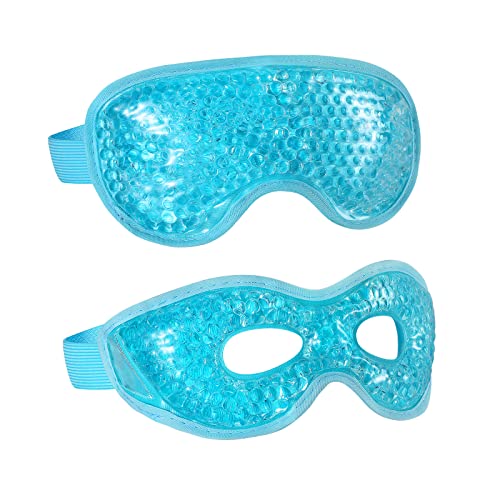
Reusable Cold Gel Eye Mask (2-pack)
Pillar 3 dive-reflex tool. Place on forehead/cheekbones for shutdown-state mobilization.
View on Amazon →As an Amazon Associate, TheWellthieOne earns from qualifying purchases.
Where to Go Next in the Self-Soothing Toolkit
The Find My Calm Match Tool above pointed you at one specific reset to try first. Once you have used it once and felt it work, the four spoke articles below go deep on each pillar so you can build the full toolkit at your own pace:
- Warmies for adults — when a heatable plush is the right call, how to pick the size, and a Find My Warmie Match Tool with reader-vetted picks.
- Self-soothing without a comfort object — the 8 vagus-nerve resets that work anywhere, including the office, the plane, the meeting room, and the public bathroom.
- Weighted comfort: plush vs blanket vs lap pad — the side-by-side comparison with a Find My Weighted Match Tool, including which format fits which use case.
- Adult comfort objects in therapy — how DBT, somatic, EMDR, and integrative therapists now use these tools, and a Find My Therapy-Match Tool with conversation starters for your next session.
If you came here looking for the simplest single technique to start with right now, the 5-4-3-2-1 sensory grounding method is the universal entry point. The full walkthrough lives at The 5-4-3-2-1 grounding technique for anxiety. If you want the deeper vagus-nerve protocol set, that lives at How to regulate your nervous system naturally with 7 vagus nerve exercises.
Frequently Asked Questions
What are self soothing techniques for adults?
Self soothing techniques for adults are practices that calm the nervous system back to a regulated, calm-alert state. The most evidence-backed adult tools are deep-touch-pressure objects (weighted blankets, lap pads, warmies), slow-paced breathing (4-7-8, box breathing, the physiological sigh), direct vagal stimulation (humming, gargling, cold water on the face), and sensory grounding (5-4-3-2-1). According to PubMed research, these tools work by raising vagal tone, which shifts adults out of sympathetic mobilization or dorsal-vagal shutdown back toward ventral vagal calm-alert.
Is it normal for adults to use comfort objects?
Yes. The Ko 2024 adult-attachment-object study (published in Healthcare, Basel) found that adults who maintain a transitional comfort object show measurably better physiological stress recovery (higher heart rate variability) when they can touch the object during a stressor. Modern integrative therapists routinely recommend weighted blankets, warmies, and tactile comfort tools as first-line adult interventions for anxiety, insomnia, and trauma recovery. Adult comfort-object use is adaptive, not regressive.
How do I pick the right self-soothing technique?
Match the tool to your current nervous-system state and context. If you are wired and racing (sympathetic mobilization), deep-touch-pressure (weighted blanket or lap pad) plus extended exhale (4-7-8 breathing) works best. If you are foggy and shut down (dorsal-vagal), start with a brief activating stimulus (cold water on the face, slow walking) before adding warmth and pressure. If you are in public and cannot reach for an object, sensory grounding (5-4-3-2-1) and the physiological sigh work anywhere. The Find My Calm Match Tool above walks you through this in three taps.
What is polyvagal theory and why does it matter for self-soothing?
Polyvagal theory, developed by Stephen Porges, describes how the autonomic nervous system shifts between three states: ventral vagal (calm, connected, safe), sympathetic mobilization (fight or flight), and dorsal vagal shutdown (freeze or collapse). According to PubMed reviews (Sanders 2017, Gitler 2025), most adult anxiety problems involve getting stuck in mobilization or shutdown. Self-soothing techniques work by giving the nervous system the sensory cues it needs to return to ventral vagal. This is why the same technique that calms one person may not help another — you have to match the cue to the state.
How long does it take for self-soothing techniques to work?
A single round of the physiological sigh or 5-4-3-2-1 can shift your state in under 60 seconds. Weighted blankets and DTP tools typically show noticeable calming within 5 to 10 minutes of use. Longer-term changes in baseline anxiety from consistent practice (slow breathing, weighted blanket at night, daily warmie use) usually show up over 2 to 4 weeks. According to the Yu 2024 weighted-blanket insomnia RCT, sleep quality improvements were measurable at 1 week and substantial at 1 month.
Can self-soothing replace therapy or medication?
No. Self soothing techniques for adults are nervous-system regulation tools that work alongside professional care, not in place of it. For moderate-to-severe anxiety, PTSD, panic disorder, major depression, or any condition you are working on with a therapist or prescriber, these tools enhance treatment. Many therapists explicitly prescribe weighted blankets, warmies, and breathing protocols as between-session resources. If you are in crisis or experiencing severe symptoms, call or text 988 (Suicide & Crisis Lifeline) in the US, or your local emergency line.
TheWellthieOne content is for educational purposes and is not a substitute for diagnosis or treatment by a qualified healthcare or mental-health professional. If you are in crisis or experiencing severe anxiety, call or text 988 (Suicide & Crisis Lifeline) in the US, or contact your local emergency line. As an Amazon Associate, we earn from qualifying purchases on outbound product links.