
Dry skin under eyes comes in 4 distinct patterns and the fix for each is different. Apply a ceramide cream to dehydrated skin and not much changes. Use hyaluronic acid on flaky barrier damage without lipids and you make it worse. The Visual Type Finder below shows the 4 patterns. Pick which one looks like yours, get the right protocol.

What the Tool Below Will Tell You
The Visual Type Finder shows 4 illustrated patterns of under-eye dryness. Click whichever most matches yours: Type 1 Flaky Patches (barrier damage), Type 2 Tight + Crepey (dehydration), Type 3 Red + Itchy (eczema or contact dermatitis), or Type 4 Dull + Dehydrated (water loss). Each result includes the specific moisturizer ingredients to use, products to avoid, and how long to expect for visible improvement.
The Visual Type Finder
Pick which of the 4 patterns most matches your under-eye dryness. Get the specific fix for that type.
Why Generic Eye Cream Often Disappoints
Most “dry eye area” recommendations are one-size-fits-all: apply moisturizer twice daily and drink more water. This helps about 40% of people because Type 2 (dehydration) and Type 4 (dull water loss) respond to it. The other 60% have flaky barrier damage (needs lipids, not water) or eczema (needs trigger removal, not more product). Picking by type is the difference between weeks of frustration and weeks of recovery.
Iron deficiency (ferritin under 50 ng/mL) dulls and thins skin everywhere, including under the eyes. If your under-eye skin looks gray or papery and you have heavy periods, are vegetarian, or have postpartum history, supplementing iron is reasonable while you wait for bloodwork. Recheck ferritin in 8 weeks.

Vital Nutrients Iron Bisglycinate
Gentle non-constipating iron form. Take with vitamin C, away from coffee and calcium. Recheck ferritin in 8 weeks.
Check Price on AmazonThe 4 Types in Detail
Type 1: Flaky Patches (Barrier Damage)

Visible flakes that catch on makeup. Often gets worse after washing your face because cleansers stripped what little oil was left. The skin barrier is missing the lipids (ceramides, cholesterol, fatty acids) that hold cells together.
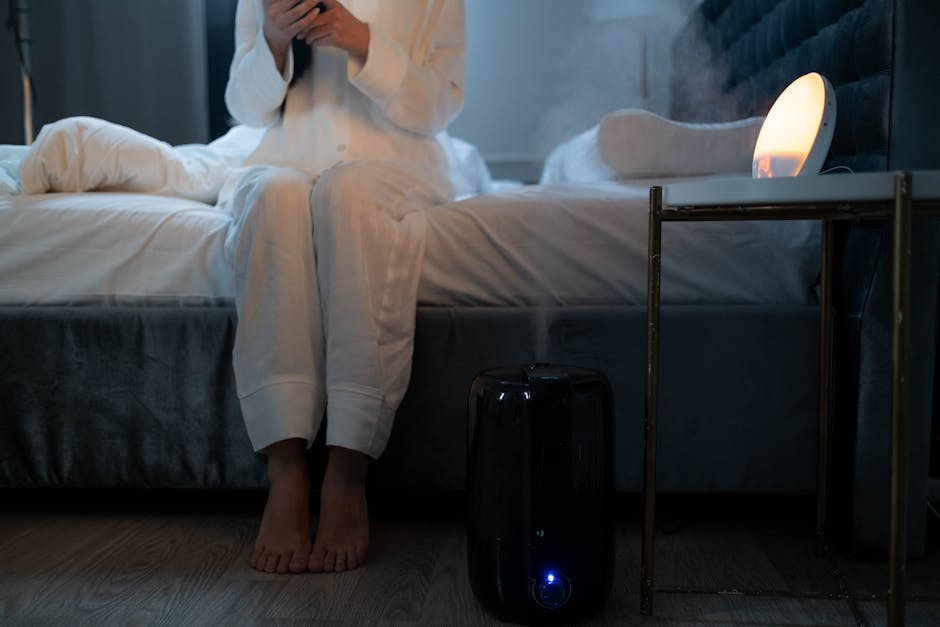
What works: Ceramide-based eye cream (CeraVe Eye Repair, La Roche-Posay Toleriane, Skinceuticals Triple Lipid Restore). Apply to damp skin morning and night. Skip retinol applied too close to the eye for 4-6 weeks while the barrier rebuilds. Switch cleanser to oil-based or cream-based, NOT foaming. Humidifier overnight (especially in winter or air-conditioned bedrooms). Internally: omega-3 from fish oil or flax 2g daily supports barrier rebuild over 8-12 weeks.
What does NOT work: Hyaluronic acid alone (it pulls water in but the barrier cannot hold it without lipids, often makes flaking worse). Exfoliating scrubs. Vitamin C in this area until the barrier is rebuilt.
Type 2: Tight + Crepey (Dehydration)
Skin feels tight, pulls or stings when you smile, fine lines look deeper than usual. Two different problems: dryness (missing oil) PLUS dehydration (missing water). Most common in low-humidity environments, after alcohol, or after diuretics.
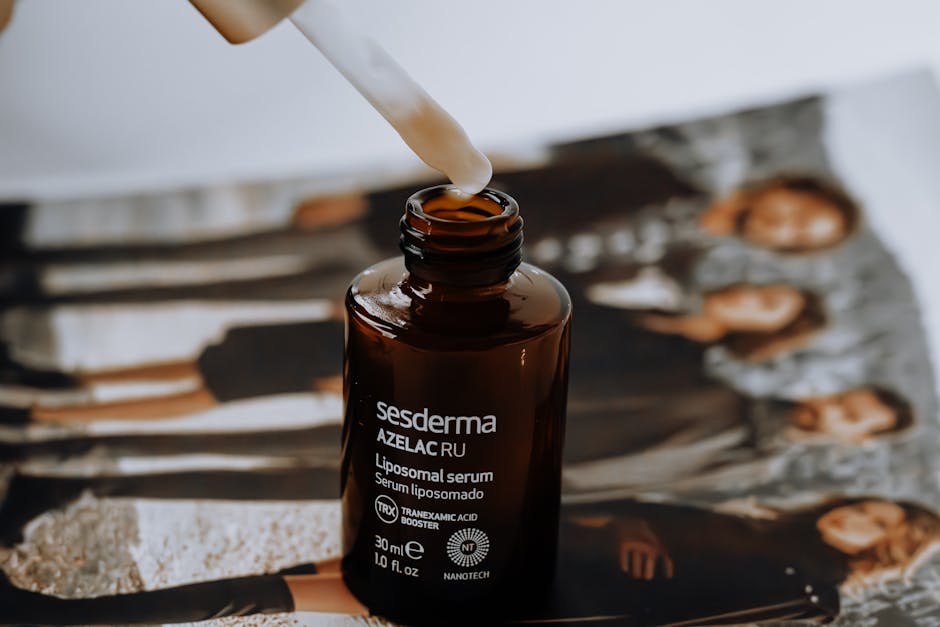
What works (the layering matters): Apply hyaluronic acid serum to DAMP skin first (it pulls water in from the air). THEN seal with a ceramide cream (locks water in). Drink at least half your body weight in ounces of water daily. Add electrolytes (Redmond Real Salt, mineral drops, or LMNT) so the water actually gets into cells. Reduce alcohol in evenings (the main hidden cause of morning crepiness). Squalane oil 1-2 drops massaged in at night accelerates recovery.
What does NOT work: Cream alone without serum first (you trap dry skin under oil). Drinking water without electrolytes (much of it flushes through without absorbing into cells).
Across all 4 under-eye types, sleep depth determines overnight skin recovery. The hours of deep sleep (stages 3 and 4) are when collagen synthesis and barrier repair happen. Magnesium glycinate at night gets most people into deeper sleep faster. Most adults run deficient.
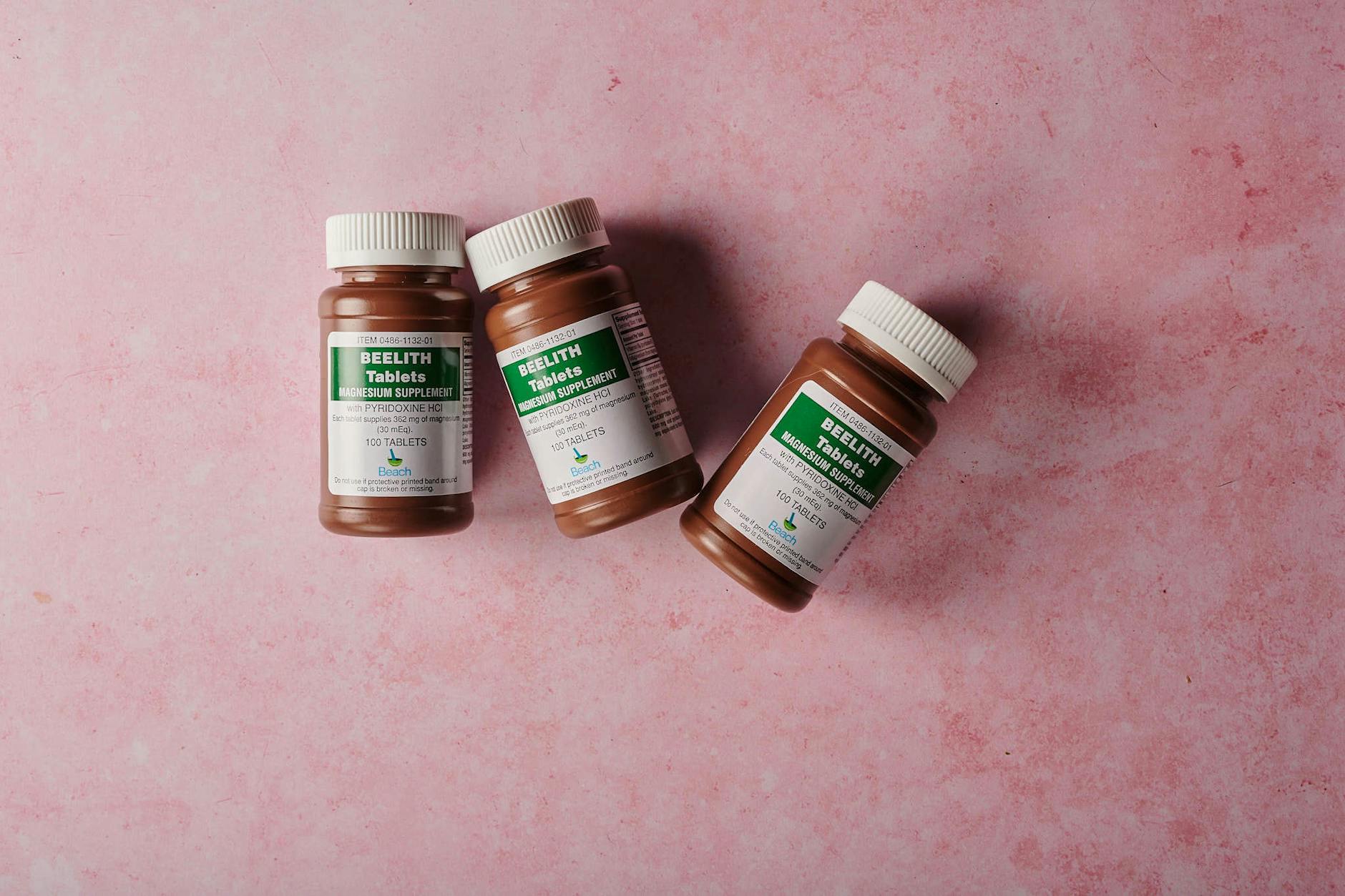
Pure Encapsulations Magnesium Glycinate
400mg before bed. Improves sleep depth where overnight skin repair happens. Glycine-bound form is well absorbed and non-laxative.
Check Price on AmazonType 3: Red + Itchy (Eczema or Contact Dermatitis)
Burns slightly when you apply products, sometimes slightly raised, may itch enough to make you rub. This is inflammation, not just dryness. Likely eczema (atopic dermatitis) or contact dermatitis from a new product.
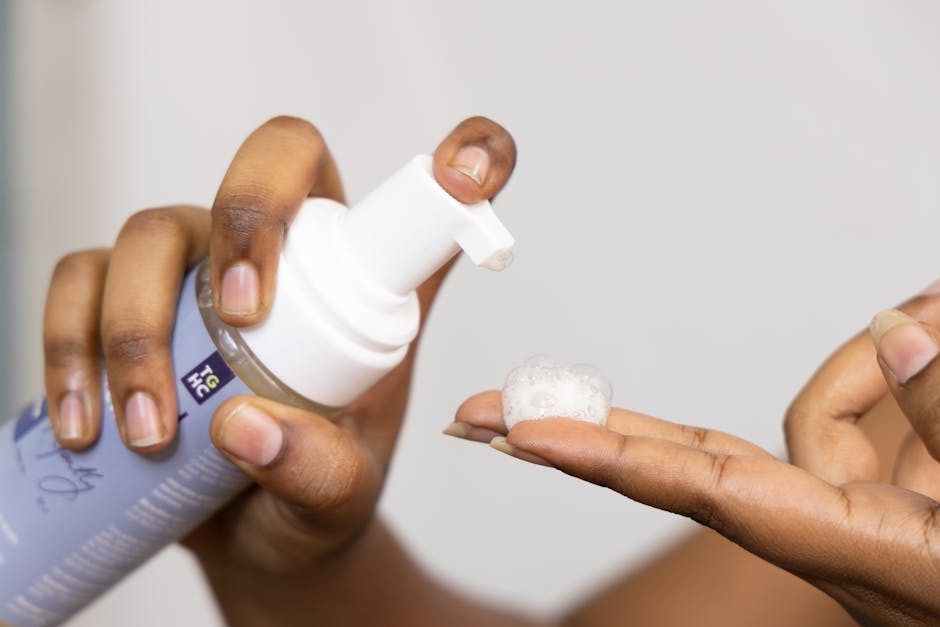
What works: Stop ALL eye-area products for 1 week to let skin reset. Reintroduce one at a time, 5 days apart, to find what triggers it. Use fragrance-free, dye-free moisturizing cream (Vanicream is the dermatologist standard). Hydrocortisone 1% cream from drugstore for 5 days during flare (NOT longer, not for kids without doctor approval). Identify the trigger: any new eye cream, mascara, foundation, eye makeup remover, or even a new laundry detergent that touches your pillowcase. Internally: check for food triggers (gluten and dairy are the two most common in eczema). Magnesium glycinate at night reduces histamine-driven itch.
What does NOT work: Adding more products (more is the problem). Aggressive moisturizing during an active flare (let the skin calm first). Cortisone for more than a week (causes thinning).
Type 4: Dull + Dehydrated (Pure Water Loss)
No flakes, no redness. Just looks dry, gray, or older than your actual age. The barrier is intact, the skin just lacks water and the radiance that comes with proper hydration.
What works (easiest of the 4 to fix): Hyaluronic acid serum applied to damp skin 2x daily. Squalane oil (1-2 drops, pressed in, not rubbed) over the serum. Drink water with electrolytes. Sleep 7-9 hours (where overnight tissue hydration repair happens). Inside: collagen peptides 10g daily improves skin water retention over 6-12 weeks. The combination of hyaluronic + squalane + sleep transforms most dull under-eye skin in 2-3 weeks.
What does NOT work: Heavy creams (too occlusive for this barrier-intact pattern, slow turnover). Skipping electrolytes (water alone runs through).
Universal Fixes That Apply to All 4 Types
- Sleep 7-9 hours. Overnight is when skin water content peaks and barrier rebuilds happen.
- Reduce alcohol. Both dehydrates AND inflames skin. Two-day visible impact.
- Hydrate properly. Half your body weight in ounces, with electrolytes.
- Humidifier overnight. Especially winter and air-conditioned bedrooms. Aim for 40-50% indoor humidity.
- SPF daily. Sun damages every type of skin and worsens dryness long-term.
- Iron / thyroid check. Under-eye skin is one of the first places to show systemic deficiency.
- Don't over-wash. Once daily evening cleanse, water-only rinse in morning. Hot water makes everything worse.
Dry Under-Eye Skin That Won't Resolve
If topical fixes for 4+ weeks have not helped, the driver is often internal (mold exposure, heavy metals, thyroid). Find which toxic load pattern is yours in 90 seconds.
Open the ToolWhen to See a Dermatologist
If 4-6 weeks of the right type-specific protocol has not improved your skin, see a dermatologist. Reasons:
- You may have the wrong type (atopic dermatitis often gets misdiagnosed as simple dry skin).
- Internal driver (thyroid, autoimmune, mold exposure) may be feeding the problem.
- Prescription-grade products (tacrolimus ointment for eczema, prescription retinoids done carefully) may be needed.
- Patch testing identifies specific allergens if contact dermatitis is suspected.
Frequently Asked Questions
What causes dry skin under eyes?
Four common patterns: flaky barrier damage, tight dehydration, red eczema/contact dermatitis, and dull water-loss. Each has a different root cause and fix. Use the Visual Type Finder to match yours.
What is the best moisturizer for dry under-eye skin?
Depends on type. Flaky: ceramide cream (CeraVe Eye Repair). Tight: hyaluronic acid serum + ceramide cream stacked. Red: fragrance-free Vanicream. Dull: hyaluronic acid serum + 1-2 drops squalane oil.
Can dehydration cause dry skin under eyes?
Yes. Dehydration causes the tight, crepey, dull patterns specifically. Drinking water alone helps but is not enough without electrolytes.
How long does dry under-eye skin take to heal?
Dehydrated/dull: 2-3 weeks. Flaky barrier: 4-6 weeks. Red eczema: 5 days with hydrocortisone + product elimination. Persistent cases beyond 4 weeks need a dermatologist or internal investigation.
Related Reading
- Natural Remedies for Dark Circles Under Eyes — Companion guide for the other under-eye concern
- Athlete's Foot vs Dry Skin — When dry skin shows up on the feet
- Find Your Toxic Load Pattern — When topical fixes do not work, the driver is often internal
Educational only, not medical advice. As an Amazon Associate I earn from qualifying purchases.


