

If you are looking for a natural flea repellent for dogs that actually works, the good news is that you have more options than you might think. Plant-based sprays, herbal collars, cedarwood shampoos, and a few simple lifestyle tweaks can keep most fleas off most dogs without a chemical-heavy product. The trick is layering a few approaches together rather than betting it all on one bottle.
This guide walks through what fleas actually respond to, the natural ingredients with the best track record, and a step-by-step plan you can roll out this week. We will also cover the gentle products I recommend most often, all of which are made with plant-derived ingredients and are easy to find online.
What you will learn in this video:
- A simple three-ingredient natural flea spray you can mix at home
- Why some essential oils are safe for dogs while others are not
- How to apply the spray without irritating your dog’s skin
- When to reach for a commercial herbal product instead
Why Choose a Natural Flea Repellent for Dogs
Conventional flea products use neurotoxic insecticides like fipronil and permethrin. They work, and they have a place, but they can cause skin reactions, digestive upset, and in rare cases more serious side effects. The American Veterinary Medical Association tracks adverse events in pets, and topical flea products consistently land near the top of the list. You can review the safety summary on the FDA’s animal health page for the full picture.
Natural flea repellents take a softer approach. They use plant compounds that fleas dislike, like cedarwood, peppermint, lemongrass, and rosemary. The smells are strong to insects but pleasant to most humans. They also tend to be safe around kids and other pets, which matters in a busy household.

What Natural Repellents Can and Cannot Do
Set expectations honestly. A natural flea repellent will discourage fleas from settling on your dog and keep most casual pests at bay. It is not a one-shot kill product for an active infestation. If you already have hundreds of fleas in your home, you will need to combine a natural spray with thorough vacuuming, frequent washing of bedding, and possibly steam cleaning of carpets to break the life cycle.
Used as a daily preventive during peak flea season, however, a good natural product can absolutely keep your dog comfortable. Pair it with strong overall health, including coconut oil for dog paws and a clean diet, and you give fleas one more reason to look elsewhere.
The Best Plant Ingredients for Repelling Fleas
Cedarwood oil tops the list. It interferes with the octopamine receptors that fleas rely on, and it is generally well tolerated by dogs over four months old. Peppermint and rosemary essential oils are also strong repellents in low dilutions. Lemongrass and citronella round out the list. Always look for products that have been formulated specifically for dogs, since the safe dilution ratios are very different from products made for humans.
What to skip: undiluted tea tree oil, pennyroyal, and concentrated wintergreen. These are far too strong for dogs and can cause toxicity. Cats also need their own dedicated products, since many oils that are fine for dogs are dangerous for cats. If your household has both species, look at “for cats and dogs” labels carefully and follow the guidance to the letter.
Wondercide Flea, Tick & Mosquito Spray

Source: amazon.com
Plant-powered spray for dogs, cats, and home with cedarwood essential oil
The Wellthie One Review
Wondercide Flea Spray Attributes
- Cedarwood essential oil base, free of synthetic pyrethroids and fipronil
- Safe to spray directly on dogs and around the home, including bedding
- Available in three scents so sensitive dogs can find one they tolerate
- Made in Texas with USDA-certified bio-based ingredients
Wondercide is the brand I recommend most often. It earned its reputation for a reason. The cedarwood scent fades fast on a dog’s coat but lingers just long enough to repel fleas. Mist it lightly along the back, around the collar, and on the belly, then rub it in gently with your hands.
How to Use a Natural Flea Repellent for Dogs
The application is the part most people get wrong. Less is more, and consistency matters. Mist the product onto a microfiber cloth first, then wipe your dog down. This avoids spraying directly into the face, ears, or eyes, where essential oils can sting. Pay extra attention to the neck, base of the tail, and belly, since those are the spots fleas like best.
Reapply two or three times a week during peak flea season. After a heavy rain or a swim, refresh the application as soon as your dog is dry. If your dog is going to be outside for a long hike, give a fresh dose right before you leave the house.

Spot Test Before You Spray
Even with a gentle product, do a quick spot test the first time you use it. Mist a small area on the back of the neck and watch for any redness or scratching over the next hour. Some dogs have sensitive skin, especially short-haired breeds and dogs with allergies. If you see any reaction, switch to a milder formulation or dilute the product further with water.
Treating Your Home and Yard Naturally
Most of the flea life cycle happens off the dog. Eggs and larvae live in carpet fibers, between floorboards, and in shaded outdoor areas. If you only treat the dog, fleas will keep returning from the environment. Vacuum daily during a flea season and empty the canister into a sealed bag every time. Wash your dog’s bedding in hot water once a week.
For yards, mowing regularly and removing leaf piles makes a huge difference. Fleas hate sun and dry conditions. Some natural product lines also offer a yard spray that uses cedar oil and peppermint for outdoor coverage. If you have a small fenced area, a single bottle is usually enough for the season.
Vet’s Best Indoor Flea and Tick Spray

Source: amazon.com
Plant-based home spray with peppermint and clove oil, 32 oz bottle
The Wellthie One Review
Vet’s Best Home Spray Attributes
- Plant-based formula with peppermint oil and clove extract
- Designed for use on carpets, furniture, bedding, and pet sleeping areas
- Kills fleas, eggs, and ticks on contact in the home environment
- Made in the USA and labeled safe for dogs over 12 weeks old
This spray is what I reach for when treating the home environment. It is meant for surfaces, not direct skin contact, but it pairs perfectly with a gentle on-pet spray. Use it weekly during flea season on rugs, dog beds, and along baseboards. The peppermint scent dissipates within an hour or two.
Bath Time as a Natural Flea Repellent
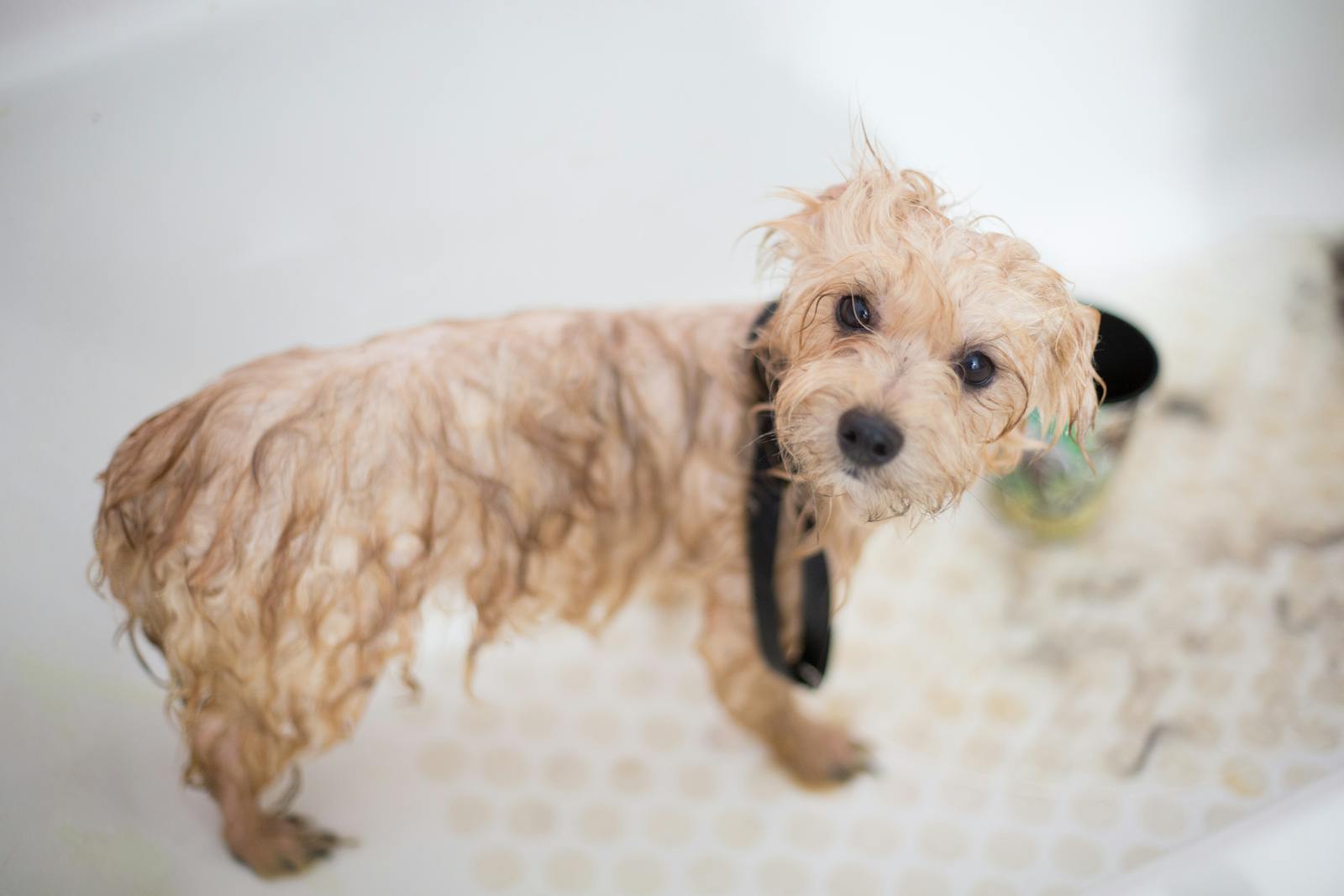
A monthly bath with a plant-based shampoo is a quietly powerful piece of the puzzle. The lather suffocates fleas already on your dog, and the cedarwood or peppermint scent lingers in the coat to discourage new ones. Pick a shampoo with no synthetic pyrethroids and no harsh sulfates so you do not strip your dog’s natural skin oils.
If your dog is sensitive to baths, work in stages. Brush them out first to remove loose fur and debris. Use lukewarm water and a soft cup to pour rather than a sprayer. Talk gently the whole time. A treat between rinses turns the experience into a positive association.
Wondercide Flea & Tick Shampoo with Cedarwood

Source: amazon.com
12 oz cedarwood shampoo with natural essential oils, no harsh sulfates
The Wellthie One Review
Wondercide Cedarwood Shampoo Attributes
- Cedarwood and peppermint essential oils for natural flea action
- Sulfate-free and gentle enough for dogs over four months old
- Lathers well and rinses cleanly without leaving residue
- Safe for use alongside Wondercide’s spray for a layered approach
This shampoo finishes the natural flea repellent system started by the spray. The first time I used it on a sensitive senior pup, I noticed the coat was visibly shinier within two washes. The cedarwood scent is fresh, not overpowering, and it pairs nicely with the spray for ongoing protection.
Lifestyle Tweaks That Help Keep Fleas Away
Healthy skin and a strong coat are quietly the best flea defense. Fleas have a harder time settling on dogs with shiny, well-conditioned fur and intact skin barriers. Adding an omega-3 source to the bowl helps the coat. Sardines for dogs are an easy and affordable way to add omega-3s without supplements.
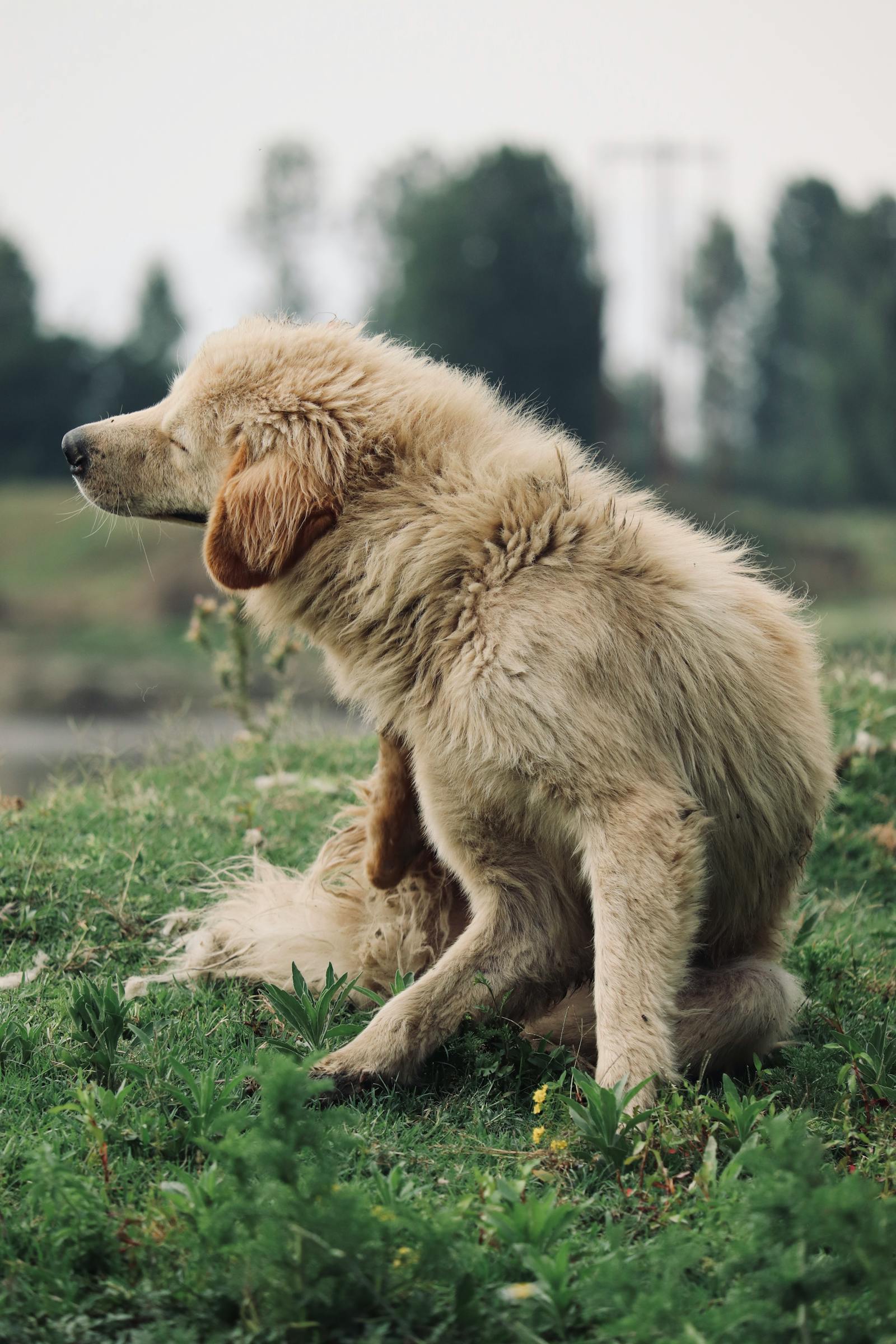
Grooming is the other underrated piece. A weekly run-through with a flea comb catches anyone who slipped past the spray. Dunk the comb in a small bowl of soapy water between strokes. The water drowns the few fleas that come up on the comb. Keep the bowl going until you do not see any new fleas for two passes.
Diet and Inflammation
Some natural pet practitioners point out that dogs on highly processed kibble seem to attract more parasites than dogs on whole-food diets. The science is not airtight, but the trend is consistent enough to mention. If you can rotate in some real food toppers like sardines, plain pumpkin, or bone broth a few times a week, your dog’s skin and coat usually respond. Goat milk for dogs is another easy gut-friendly addition.
Frequently Asked Questions
How often should I apply a natural flea repellent for dogs?
For most plant-based sprays, two to three times per week is enough during flea season. After bathing, swimming, or rain, reapply once your dog is fully dry. Less is more, since heavy applications can irritate sensitive skin.
Are essential oils safe for puppies?
Most natural flea sprays are labeled for puppies over 12 weeks. Always check the bottle. For very young pups, focus on environmental control and gentle bathing rather than direct sprays.
What if my dog already has fleas?
An established infestation usually needs more than just a repellent. Bathe your dog with a natural flea shampoo, vacuum every carpet and crevice daily, wash bedding in hot water, and treat the home environment with a plant-based home spray. Add the on-pet repellent once the population is down.
Do natural flea collars actually work?
Quality herbal collars can give six to eight weeks of low-level repellent action. They are best paired with a topical spray rather than relied on alone. Look for collars made with cedarwood and rosemary, and skip cheap collars sold without a known brand behind them.
Will natural products repel ticks too?
Many cedarwood and lemongrass formulations are labeled for both fleas and ticks. They will not give you the same kill rate as a chemical product, but they significantly reduce attachment. Always do a tick check after walks in tall grass regardless of which product you use.
Putting Your Natural Flea Plan Together
The simplest natural flea repellent for dogs system is three pieces. Spray the dog two or three times a week. Spray the home environment once a week. Bathe with a plant-based shampoo every three to four weeks. Layer in good food, regular grooming, and a clean yard, and you have a routine that handles most flea pressure without harsh chemicals.
Start small. Pick one product to try this week and see how your dog responds. Once that piece feels routine, layer in the next. Within a month you will have a system that runs in the background and keeps your dog comfortable through the warm season ahead.
This post may contain affiliate links, which means we may receive a small commission, at no cost to you, if you make a purchase through a link.


