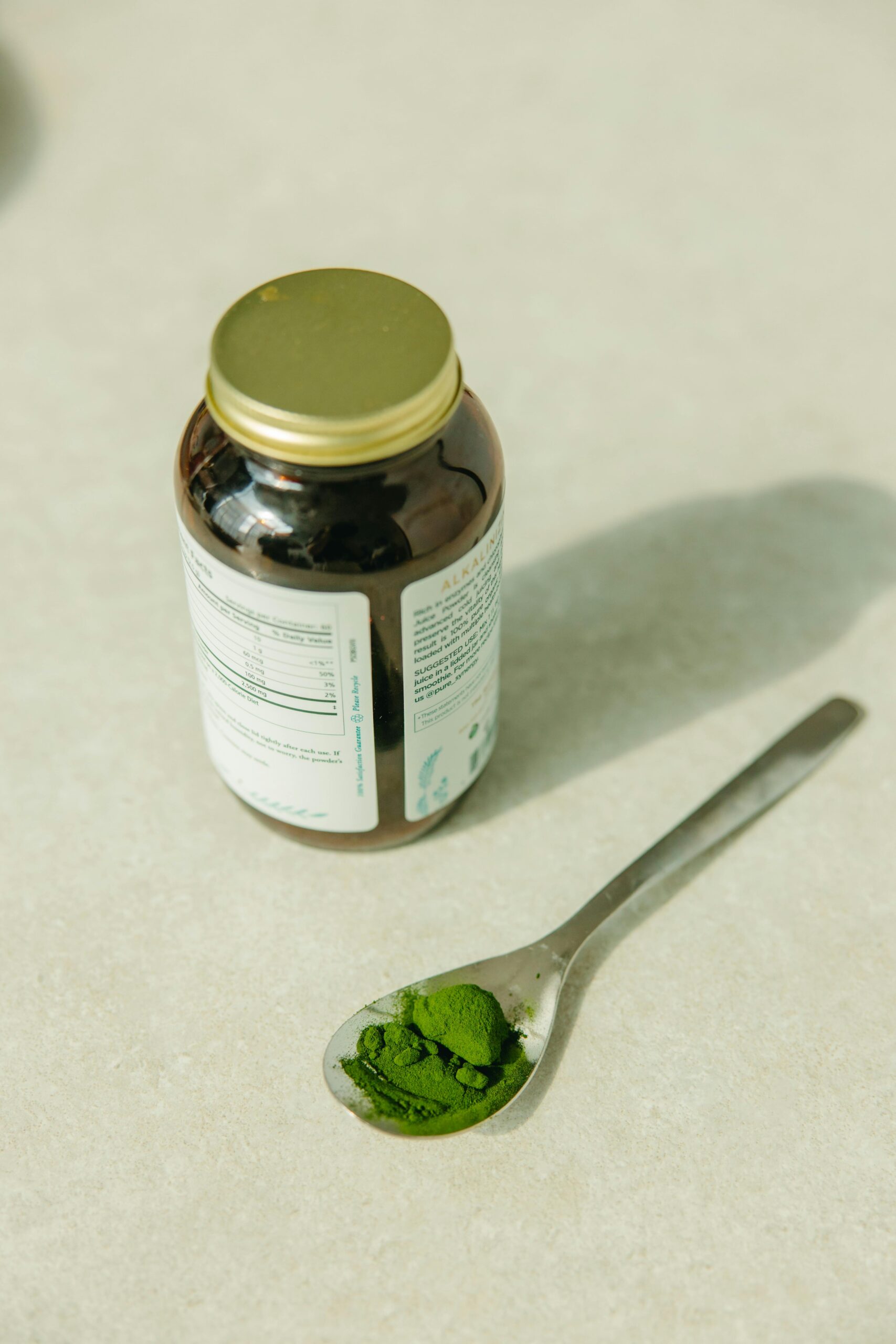
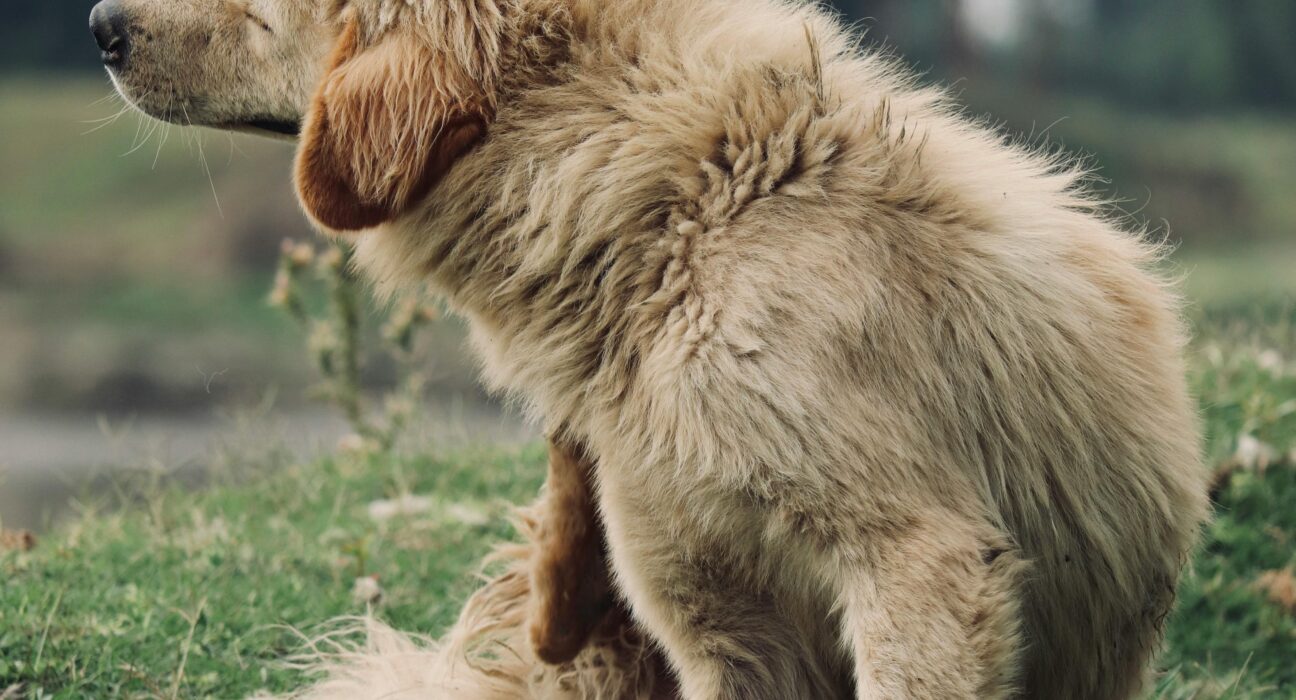
The first time I noticed a hot spot on one of my dogs, I thought he had gotten into something sharp on our walk. It was a red, weepy circle the size of a half dollar on the back of his thigh, and he was licking at it like he had a deadline to meet. If you have been searching for natural remedies for dog hot spots that actually calm the sting without a rushed vet visit, you are in the right place.
Hot spots, or acute moist dermatitis, are those angry patches of inflamed, oozing skin that seem to appear overnight. They are most common in thick-coated breeds, in humid weather, and after swimming or grooming. The good news is that mild hot spots often respond beautifully to gentle, at-home care when you catch them early.
This is not veterinary advice, and serious or spreading hot spots absolutely need a vet. But for the small ones that flare and fade, I have found a short list of natural remedies, a few well-chosen products, and a handful of everyday habits that keep my dogs comfortable and my carpets clean.
Key Takeaways
- Hot spots are usually triggered by trapped moisture, allergies, fleas, or stress-related licking and chewing.
- Catching a hot spot early (within the first day) gives natural remedies the best chance to work.
- Clipping the fur, gently cleansing, and keeping the area dry is the foundation of any home care plan.
- Cool compresses, diluted apple cider vinegar, and calming sprays can all soothe mild hot spots.
- Any hot spot that spreads, smells foul, or does not improve in 48 hours needs a vet visit.
What Exactly Is a Dog Hot Spot?
A hot spot is a small area of skin that has become raw, inflamed, and infected, usually because your dog cannot stop licking or chewing at it. The medical name is acute moist dermatitis, which is a fancy way of saying “wet, angry skin.” Moisture plus bacteria plus friction equals a perfect storm, and dogs with dense double coats are especially at risk.
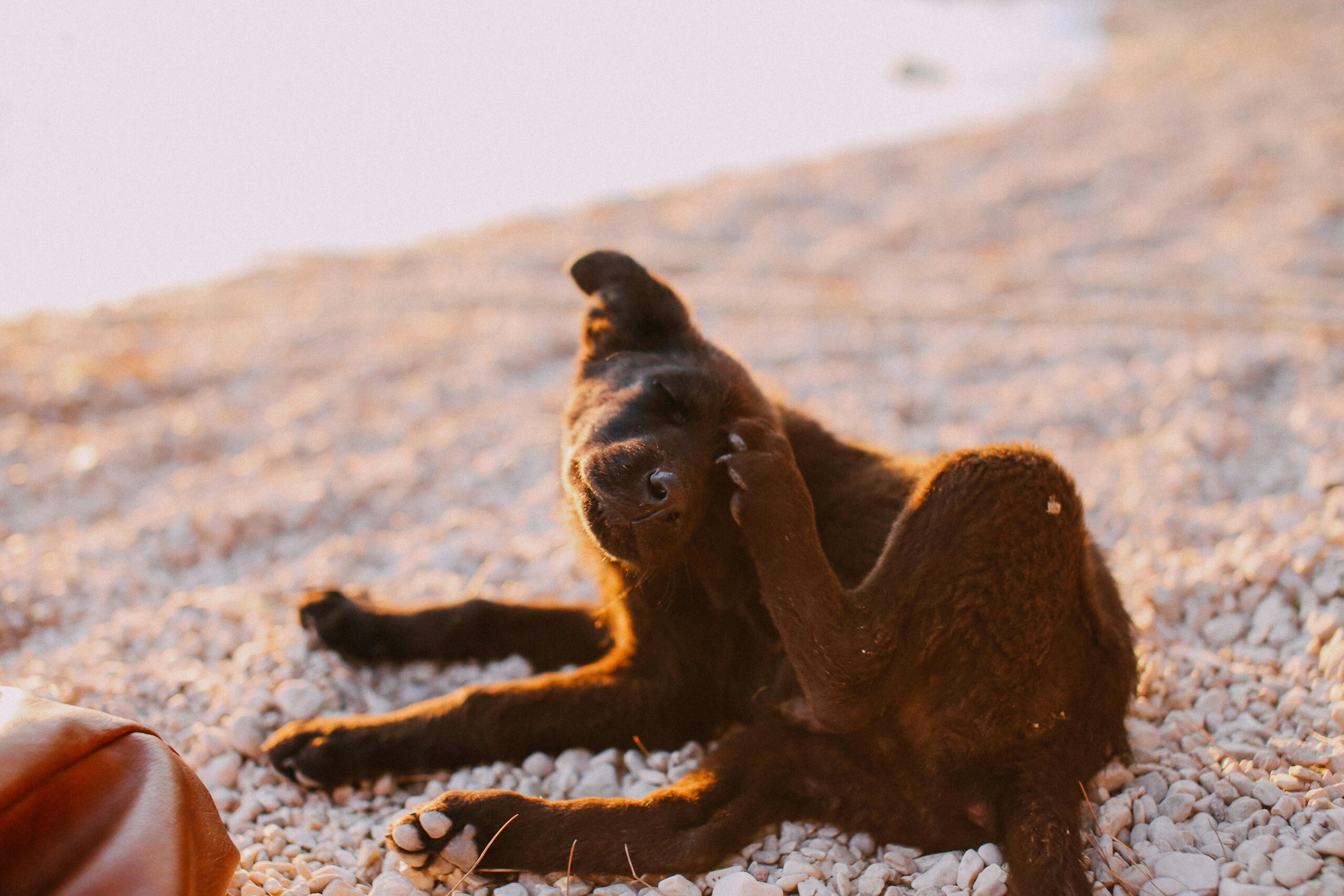
Most hot spots start as a tiny itch from a bug bite, a scrape, a tangled mat, or an allergy flare. Your dog scratches or licks it once, the skin weeps a little, the moisture traps bacteria, and within hours you have a proper mess. The skin feels warm, the fur around it is damp, and your dog is guarding the area like it owes him money.
Why Hot Spots Pop Up in the First Place
Hot spots do not really come from nowhere, even if they feel that way. There is almost always a trigger, and figuring out the trigger is half the battle. Here are the culprits I see most often in my own dogs and in the dogs my friends ask me about.
- Fleas, ticks, or mites. Even one bite can set off a cycle of scratching that opens the skin. If you have not done a flea check recently, start there. Our guide on how to prevent fleas on dogs naturally at home covers the gentle options I trust.
- Trapped moisture. After baths, swims, or rainy walks, a thick coat holds water next to the skin for hours. That damp environment is a five star resort for bacteria.
- Food or environmental allergies. Grass, pollen, dust mites, and certain proteins are all common triggers. Itchy feet, belly, and ears often show up alongside hot spots.
- Boredom and anxiety. Some dogs lick themselves the way we scroll our phones. A stressed pup can create a hot spot purely from obsessive licking.
- Mats and tangles. Matted fur pulls on the skin and traps moisture, which is a one two punch for irritation.
In my case, the hot spot I mentioned at the top showed up after a very humid beach weekend. Between saltwater, sand, and a coat that took hours to fully dry, his skin never had a chance.
In this video you will learn:
- Why hot spots appear so suddenly and spread so fast
- Which kitchen remedies vets say are actually safe to use at home
- Signs that a hot spot has moved past home care and needs a vet visit
First Steps When You Spot a Hot Spot
Before any product or remedy, the basic protocol is always the same. Do these four things first, and many mild hot spots start improving within 24 hours.
- Trim the fur around the spot. Use blunt-tipped grooming scissors to shorten the hair about a half inch around the area. Airflow helps the skin dry and heal.
- Gently cleanse. Use cool water or a mild, pet-safe antiseptic rinse. Avoid human soaps, alcohol, and peroxide, which sting and slow healing.
- Pat dry, do not rub. A clean microfiber towel is your friend. The drier you can keep that patch, the faster it heals.
- Stop the licking. This is the hardest part. A soft recovery collar, a light T-shirt, or a gentle spray deterrent all help break the cycle.
Skipping the “stop the licking” step is the number one reason hot spots linger or come back. The skin cannot heal if it is being worked over every twenty minutes.
Natural Remedies I Have Actually Used
Here are the natural remedies I have personally leaned on when one of my dogs has a mild hot spot. None of these replace a vet for serious cases, but they have earned a permanent spot in my dog first aid kit.
- Cool chamomile tea compress. Steep two chamomile tea bags in hot water, let them cool completely, and press the cool compress on the hot spot for five to ten minutes. Chamomile is gently anti-inflammatory and smells like a spa.
- Diluted apple cider vinegar rinse. Mix one part raw apple cider vinegar with three parts water, and dab it on unbroken skin around the hot spot. Never use on raw or cracked skin because it will sting. We have more detail on safe ACV use in our apple cider vinegar for dogs guide.
- Coconut oil, used sparingly. A thin layer of virgin coconut oil soothes dry edges once the weeping has stopped. It is antimicrobial and safe if your dog licks a bit, but too much makes the area greasy and slow to dry. Our coconut oil for dogs post breaks down safe amounts.
- Aloe vera (plain, pet-safe). Pure aloe gel from the inner leaf cools and calms irritated skin. Make sure any product is free of alcohol, fragrances, and xylitol.
- Omega-3 rich foods. Long term, adding a daily dose of salmon oil has helped reduce the frequency of skin flares in both of my dogs.
For dogs whose hot spots are clearly stress driven, I also work on the underlying anxiety before the next flare. Our post on natural calming supplements for dogs with anxiety lists the chews and herbal options I have found genuinely helpful.
The Three Products That Earn a Spot in My Dog First Aid Kit
You can get very far with kitchen remedies, but a few specific products have made recovery faster and less stressful in my house. These are the three I actually keep on hand.
Vetericyn Plus Antimicrobial Hot Spot Spray (8 oz)

Source: amazon.com
Steroid free, antibiotic free antimicrobial spray safe for hot spots, rashes, and minor cuts on dogs of any age.
The Wellthie One Review
This is the spray I reach for within the first hour of noticing a hot spot. It does not sting, my dogs do not flinch, and the hypochlorous acid based formula calms redness without the greasy residue that makes the fur clump. I mist it on two or three times a day and keep the bottle in my dog drawer year round. It has saved us at least two urgent care visits.
Vetericyn Plus Attributes
- Steroid free and antibiotic free, safe if licked
- Works on hot spots, abrasions, irritations, and post-surgical sites
- Non-stinging, pH balanced spray
- Made in the USA with no harsh chemicals
When the Itch Just Will Not Quit
Some hot spots are stubborn. The first layer of moisture clears, but the itch keeps driving your dog back to the same spot. When that happens, I reach for a soothing cream that combines natural enzymes with a low dose of hydrocortisone for fast relief.
Zymox Topical Cream with 1% Hydrocortisone (1 oz)

Source: amazon.com
Enzyme based topical cream with 1% hydrocortisone to relieve itch, inflammation, and minor skin infections in dogs and cats.
The Wellthie One Review
I only use this one when a hot spot is stubborn past day two and the skin is clearly itching more than it is healing. The natural enzyme system does most of the work, and the small amount of hydrocortisone cuts the frantic itch long enough for the skin to rest. A one ounce tube lasts me forever because a pea size amount covers a typical spot.
Zymox Topical Cream Attributes
- LP3 enzyme system supports natural antibacterial action
- 1% hydrocortisone for fast itch relief
- Safe for dogs and cats, short term use
- Made in the USA by Pet King Brands
Protecting the Spot So It Can Actually Heal
The hardest part of at-home care is stopping your dog from undoing your work every time you leave the room. Traditional plastic cones are miserable for most dogs, and my personal favorite is a soft inflatable collar that lets them eat, drink, and sleep normally while still blocking the mouth from reaching the spot.
BENCMATE Protective Inflatable Recovery Collar

Source: amazon.com
Soft inflatable recovery collar that prevents licking and biting on wounds and hot spots without blocking vision or eating.
The Wellthie One Review
Both of my dogs tolerate this collar far better than a plastic cone. It is soft, it does not bump into doorways, and they can still drink from the bowl and climb onto the couch. I deflate it for walks and inflate it before I leave the house. Two years in, we have not had a single stubborn hot spot return while using this.
BENCMATE Recovery Collar Attributes
- Soft fabric outer layer with inflatable inner ring
- Sizes from XS through XL for most breeds
- Does not block peripheral vision or eating
- Machine washable cover
Everyday Habits That Keep Hot Spots Away
The real win is preventing the next hot spot instead of treating the current one. A few small changes have cut down flare ups dramatically in my house.
- Dry thoroughly after baths and swims. I use a microfiber towel and then a warm, low setting on a pet dryer if my dog has been fully soaked. Any damp spot under that coat is a hot spot in training.
- Brush through trouble areas daily. Behind the ears, under the collar, and on the hind legs mat the fastest. A five minute daily check usually finds the knot before it finds the skin.
- Support gut health. A resilient microbiome means fewer food sensitivities and less itching. I rotate in raw goat milk and homemade bone broth for gentle, whole food support.
- Stay on top of flea prevention. Even one bite from a hitchhiker flea can start a hot spot cycle.
- Watch for stress triggers. Moves, houseguests, and schedule changes can all send an anxious dog into over grooming mode. A calmer dog has quieter skin.
For credible background on how skin infections develop in dogs, the ASPCA grooming and skin care guidelines are a solid, plainly written reference that lines up with what most holistic vets recommend.
When to Call the Vet
Home care works for mild, new hot spots caught early. A vet visit is the right call when any of the following is true.
- The hot spot is larger than a quarter and still spreading after 24 hours.
- It smells foul, has yellow discharge, or your dog has a fever.
- Your dog is in obvious pain, limping, or refusing to eat.
- Hot spots keep returning in the same place or multiple places at once.
- Your dog has never had one before and is on medications for another condition.
A vet can check for underlying allergies, skin infections, or hormonal issues that will keep feeding the flare. In those cases, natural remedies are great partners for recovery, not the only plan.
Final Thoughts on Natural Remedies for Dog Hot Spots
Hot spots are one of those dog problems that look terrifying for about twelve hours and then, with the right care, melt back into a calm pink patch of healing skin. The sooner you trim, clean, dry, and stop the licking, the faster your dog feels normal again.
Stock your dog first aid drawer with a gentle antimicrobial spray, a small tube of enzyme based cream, and a soft recovery collar, and you will handle most mild flares at home without panic. Pair that with a high quality diet, good flea prevention, and regular grooming, and you will see those patches show up less and less.
For more on keeping your dog healthy from the inside out, you might also enjoy my posts on salmon oil for a shinier coat and natural calming supplements for anxious dogs. Calmer nervous systems and nourished skin are the two biggest levers I have found for fewer hot spots and more happy tails.
This post may contain affiliate links, which means we may receive a small commission, at no cost to you, if you make a purchase through a link. This content is for informational purposes only and is not a substitute for veterinary advice. Please talk to your veterinarian if your dog has a serious, spreading, or recurring hot spot.