

Why do I always look tired? The clear answer is that “looking tired” is a surface symptom of seven different underlying patterns — and getting more sleep alone won’t fix it for most people. The face shows hydration status, iron status, lymph drainage, gut function, hormone balance, sleep quality, and toxic load — all at once. If you’ve been getting 8 hours and still look exhausted, the issue isn’t sleep.
The free 90-second Toxic Load Type Tool sorts you into one of four root patterns most likely behind chronic “tired-looking” face. Two minutes saves three months of guessing.

Key Takeaways
- The 7 hidden causes of always looking tired: sleep quality, toxic load, iron deficiency, chronic dehydration, gut dysbiosis, hormone shifts, and lymph stagnation.
- The free assessment tool identifies the toxic-load piece — the most-skipped of the seven.
- Most quick fixes (eye cream, concealer) address the symptom; the seven causes are upstream.
1. Sleep Quality (Not Just Duration)
Deep sleep restores facial tissue. 7+ hours of poor-quality sleep leaves the face looking worse than 6 hours of deep sleep. Magnesium glycinate at bedtime is the foundational fix.
Foundation Supplement
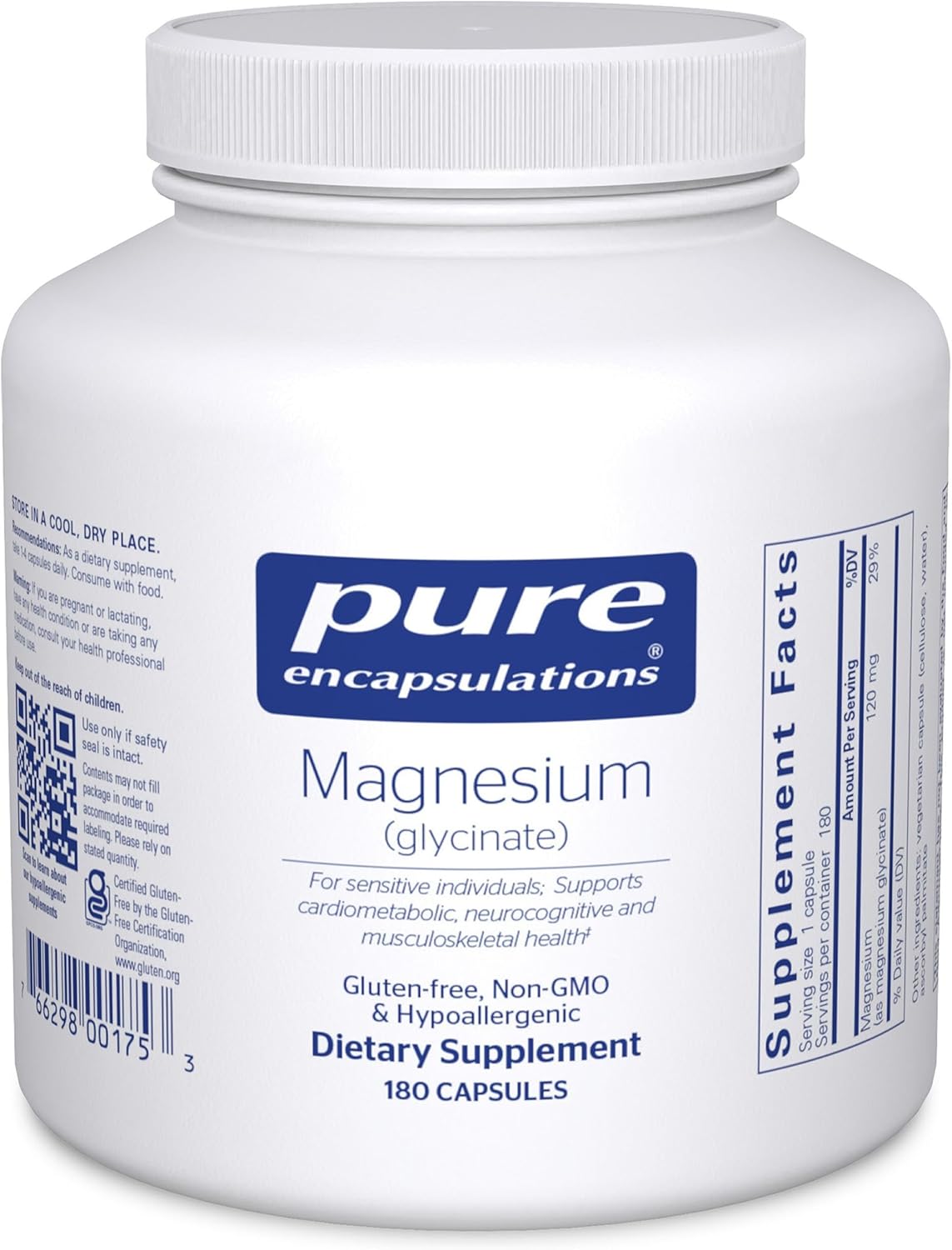
Doctor’s Best Magnesium Glycinate 200mg
Source: amazon.com
Magnesium glycinate at bedtime is the foundational supplement for chronic tiredness regardless of root cause. The glycinate form crosses the blood-brain barrier and supports both sleep quality and stress recovery. 200 mg nightly.

2. Toxic Load
Heavy metals, parasites, mold, or burned-out adrenals all show in the face — usually as that pale, slightly puffy, perpetually-fatigued look. The tool identifies which is yours.
3. Iron Deficiency
Low iron causes pallor, dark under-eyes, and that “drained” facial appearance. Common in women, often missed. Get a ferritin blood test (not just hemoglobin) — under 50 ng/mL warrants supplementation.

4. Chronic Dehydration
Even 1-2% dehydration shows in the face. Daily 80+ oz of clean water with electrolytes (pinch of Redmond Real Salt + lemon).
Energy Cofactor
Bronson Vitamin D3 5000 IU + K2

Source: amazon.com
D3 + K2 daily supports both energy and mood pathways. Most chronically tired adults are profoundly D-depleted. Pair with magnesium for activation.

5. Gut Dysbiosis
The gut-skin axis is real. Imbalanced gut bacteria show as inflammation in the face. Bloating + tired face often co-occur.
6. Hormone Shifts
Perimenopause and pregnancy both produce the “tired face” look. Vitamin D3 + K2 supports hormone metabolism alongside the protocol.
7. Lymph Stagnation
Sluggish lymph shows as facial puffiness, especially in the morning. Daily dry brushing, gua sha, and lymphatic-massage techniques reduce it within 2-3 weeks.
Sleep + Recovery
Garden of Life Hydrolyzed Collagen Peptides

Source: amazon.com
Collagen provides glycine for restorative sleep AND amino acids for tissue repair. One scoop daily in coffee or smoothie.
The 80/20
For most adults: magnesium glycinate at bedtime, vitamin D3+K2 daily, 80+ oz of mineral water, daily face gua sha for 5 minutes. Run the tool to identify the toxic-load piece. 6-8 weeks of this combination typically resolves the “always tired” facial appearance.
Disclosure: As an Amazon Associate, I earn from qualifying purchases. Education, not prescription.