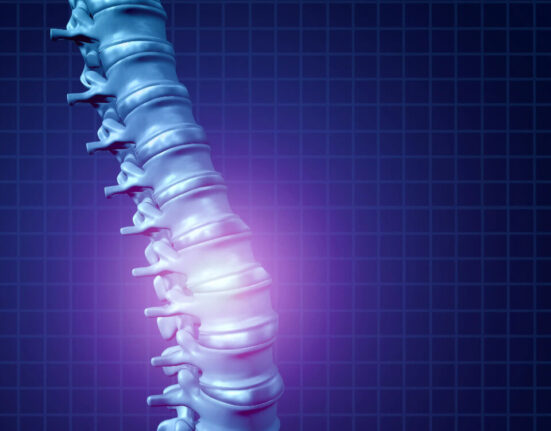
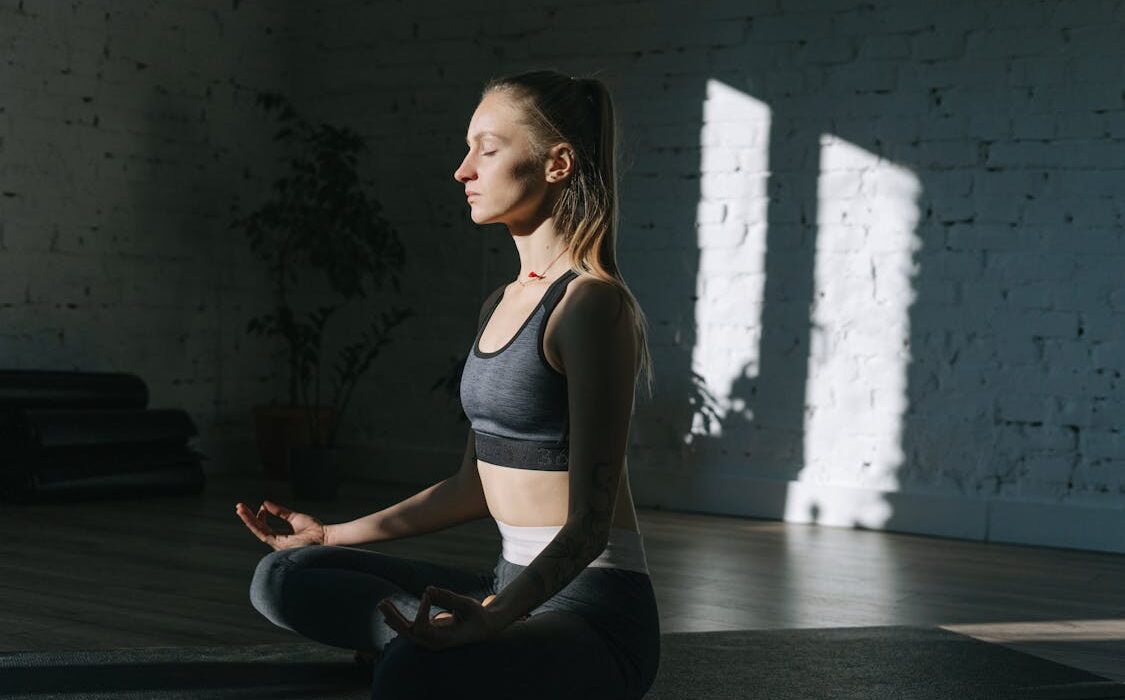
Do you ever feel like your body is stuck in overdrive? Heart racing, mind spinning, unable to fully relax even when nothing is technically wrong? You’re not imagining it. When your nervous system is dysregulated, your body stays locked in a stress response that can affect everything from your sleep to your digestion to your mood.
The good news is that you have more control over your nervous system than you might think. Nervous system regulation has become one of the biggest wellness topics of 2026, and for good reason. Science-backed techniques like vagus nerve exercises, breathwork, and simple daily habits can help you shift out of fight-or-flight mode and into a calmer, more balanced state.
In this guide, we’ll walk you through seven practical ways to regulate your nervous system naturally at home, no expensive gadgets required. Whether you’re dealing with chronic stress, anxiety, or just want to feel more grounded in your daily life, these techniques may help you find your calm.
Key Takeaways
- Your vagus nerve is the main pathway between your brain and body’s relaxation response. You can stimulate it naturally with simple exercises like deep breathing, humming, and cold exposure.
- Nervous system regulation is not about eliminating stress, but about building your capacity to recover from it more quickly.
- Consistent daily practice matters more than intensity. Even five minutes of breathwork or grounding can make a meaningful difference over time.
What Is Nervous System Regulation and Why Does It Matter?
Your autonomic nervous system has two main branches: the sympathetic nervous system, which triggers your fight-or-flight response, and the parasympathetic nervous system, which activates your rest-and-digest mode. In a healthy, well-regulated nervous system, these two branches work together in balance. You can ramp up when you need to and wind down when the threat has passed.
The problem is that modern life keeps many of us stuck in sympathetic overdrive. Constant notifications, work pressure, poor sleep, and even doom-scrolling can keep your stress response firing long after the actual stressor is gone. Over time, this chronic activation may contribute to anxiety, insomnia, digestive issues, muscle tension, and brain fog.
Nervous system regulation is about restoring that balance. Research suggests that people who practice daily regulation techniques may experience 30 to 50 percent lower chronic stress levels. The key player in this process is your vagus nerve, the longest cranial nerve in your body. It stretches from your brainstem all the way down to your colon, touching nearly every major organ along the way.
Watch: Vagus Nerve Exercises You Can Try Right Now
Before we dive into the full list, here’s a helpful video that walks you through some of the core vagus nerve exercises we’ll be covering. It’s a great visual guide if you want to follow along:
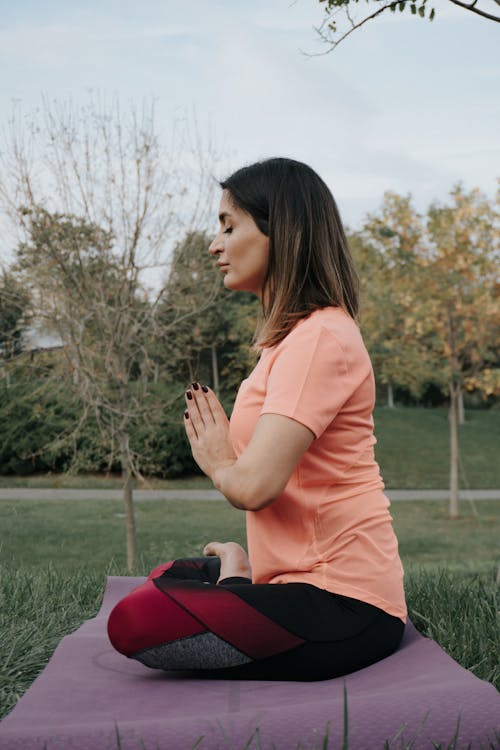
1. Try the 4-7-8 Breathing Technique
Deep, slow breathing is one of the simplest and most effective ways to activate your parasympathetic nervous system. When you extend your exhale longer than your inhale, you directly signal safety to your brain.
The 4-7-8 technique is a great place to start: breathe in through your nose for 4 counts, hold for 7 counts, and exhale slowly through your mouth for 8 counts. Repeat this cycle four times. Research shows that slow, diaphragmatic breathing enhances vagal tone, improves oxygen saturation, and decreases feelings of anxiety.
Try this first thing in the morning or right before bed. Even three to five minutes of intentional breathing can shift your nervous system from alert mode into a more relaxed state.
2. Use Humming and Vocalization to Stimulate Your Vagus Nerve
Here’s something surprisingly simple: humming, chanting, and even gargling can stimulate your vagus nerve. The vibrations activate the muscles in the back of your throat, which are directly connected to vagal pathways.
Research shows that chanting, especially the sound “Om,” increases vagal activation and promotes parasympathetic response. You don’t need to be a meditation practitioner to try this. Simply hum your favorite song in the shower, gargle vigorously with water for 30 seconds, or spend a few minutes doing a low, steady hum while you drive.
The key is that the vibrations in your throat send a direct calming signal through the vagus nerve to the rest of your body.
3. Practice Cold Exposure (Start Small)
Brief cold exposure is one of the most researched vagus nerve stimulators. When cold water touches your skin, particularly your face and neck, it triggers a dive reflex that activates the parasympathetic nervous system and slows your heart rate.
You don’t need an ice bath to get started. Try finishing your morning shower with 30 seconds of cold water and gradually increase the duration over time. Splashing cold water on your face or holding a cold washcloth against your neck can also work. Studies suggest that consistent cold exposure may help reduce stress levels and improve sleep quality.
4. Try Grounding and Somatic Awareness Exercises
When stress pulls you into your head, grounding exercises bring you back into your body. The 5-4-3-2-1 technique is one of the most popular: name five things you can see, four you can feel, three you can hear, two you can smell, and one you can taste. This sensory awareness interrupts the stress loop and anchors you in the present moment.
Somatic awareness takes this a step further. Instead of focusing outward, you tune into your internal sensations. You notice where you hold tension, how your breath feels, what your gut is telling you. This practice of interoception, or sensing your internal state, may help you catch the first whispers of anxiety before they become overwhelming.
If you’re looking to deepen your grounding practice, the XiaoMaGe Acupressure Mat and Pillow Set is a well-reviewed option that many people find helpful. Lying on an acupressure mat for 15 to 20 minutes activates pressure points throughout your back and neck, which may help promote relaxation and ease tension after a long day.

5. Build a Consistent Sleep Routine
Sleep is foundational to nervous system health. When you’re sleep-deprived, your body produces more cortisol, your vagal tone decreases, and your threshold for stress gets lower. It becomes a vicious cycle: poor sleep dysregulates your nervous system, and a dysregulated nervous system makes it harder to sleep.
Breaking this cycle starts with consistency. Try to go to bed and wake up at the same time every day, even on weekends. Dim your lights an hour before bed to support natural melatonin production. Avoid screens during that wind-down period. A cool bedroom (around 65 to 68 degrees) signals your body that it’s time to rest.
If you struggle with winding down at night, the Topcee Cooling Weighted Blanket is something we like because the gentle, evenly distributed pressure mimics deep pressure stimulation, which research suggests may activate the parasympathetic nervous system and help you fall asleep faster.
6. Move Your Body, But Don’t Overdo It
Exercise is a powerful nervous system regulator, but more is not always better. When your nervous system is already in overdrive, intense workouts can actually add to the stress load. The goal is to match your movement to your current state.
On high-stress days, gentle movement like walking, yoga, or stretching may be more beneficial than a hard gym session. A brisk 10-minute walk has been shown to decrease stress hormones and boost endorphins. Restorative yoga, where you hold gentle, supported poses for several minutes, sends deep rest signals to your nervous system and allows chronic tension to release.
On days when you feel balanced and energized, more vigorous exercise is great. Just pay attention to how your body responds afterward. If you feel wired and unable to wind down, that may be a sign to dial it back.
7. Support Your Nervous System with Magnesium
While techniques and exercises are the foundation of nervous system regulation, nutrition plays an important supporting role. Magnesium is one of the most studied minerals for nervous system health. It helps regulate neurotransmitters, supports muscle relaxation, and plays a role in the body’s stress response.
Many people don’t get enough magnesium from diet alone. Dark leafy greens, nuts, seeds, and dark chocolate are all good food sources. If you’re looking to supplement, Doctor’s Best High Absorption Magnesium Glycinate are a popular choice because glycinate is one of the most bioavailable and gentle forms, and many people report that it supports better sleep and relaxation. As always, we recommend talking to your healthcare provider before starting any new supplement.
How Long Does It Take to Regulate Your Nervous System?
This is one of the most common questions people ask, and the honest answer is: it depends. Some techniques, like the 4-7-8 breathing method, can produce a noticeable calming effect within minutes. But building true resilience, the ability to bounce back from stress quickly and stay regulated through challenges, is a longer process.
Most practitioners and researchers suggest that with consistent daily practice, many people begin to notice meaningful shifts within two to four weeks. The key word is consistent. Five minutes of breathwork every day will likely do more for your nervous system than an hour-long session once a month.
Think of it like building a muscle. Each time you practice regulation, you’re strengthening the neural pathways that help your body shift from stress to calm. Over time, that shift becomes faster and more natural.
Signs Your Nervous System May Be Dysregulated
Not sure if nervous system dysregulation is affecting you? Here are some common signs to watch for: difficulty falling or staying asleep, feeling “on edge” even in safe environments, digestive issues like bloating or an upset stomach with no clear cause, muscle tension (especially in the jaw, shoulders, and neck), brain fog or difficulty concentrating, feeling emotionally reactive or easily overwhelmed, and a racing heart or shallow breathing at rest.
If several of these sound familiar, your nervous system may benefit from some of the techniques in this guide. Of course, persistent symptoms always warrant a conversation with your healthcare provider to rule out any underlying conditions.
Finding Your Calm, One Practice at a Time
Regulating your nervous system naturally doesn’t require a complete lifestyle overhaul. Start with one technique that resonates with you. Maybe it’s the 4-7-8 breathing before bed, or a 30-second cold rinse at the end of your shower. Practice it consistently for two weeks and notice how your body responds.
The beautiful thing about nervous system regulation is that small, consistent practices can create real change. You’re not trying to eliminate stress from your life. You’re building your capacity to move through it with more ease and come back to center more quickly. Your nervous system is designed to heal and adapt. Sometimes it just needs a little help remembering how.
This post may contain affiliate links, which means we may receive a small commission, at no cost to you, if you make a purchase through a link.