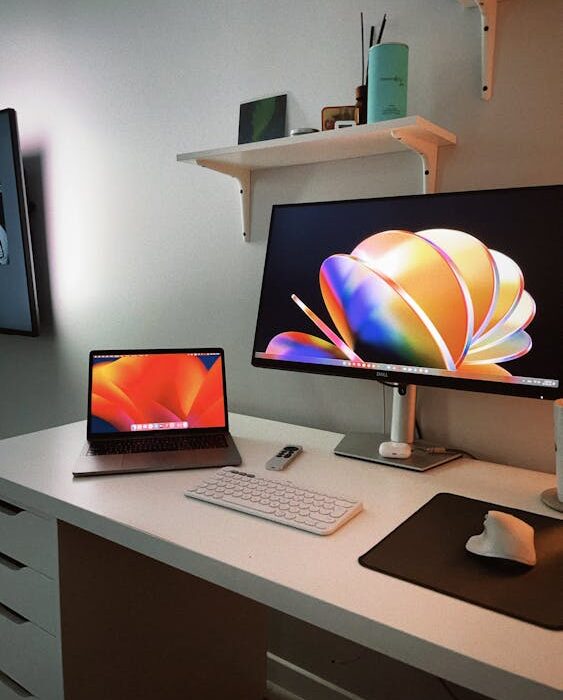
How to practice slow productivity is quickly becoming one of the most important questions for anyone feeling burned out by modern work culture. The constant pressure to do more, respond faster, and hustle harder has left millions feeling exhausted and unfulfilled. Slow productivity offers a different path. It focuses on doing fewer things, working at a natural pace, and obsessing over quality instead of quantity.
This approach, popularized by Georgetown professor Cal Newport, is not about being lazy. It is about being intentional. When you slow down and focus on what truly matters, you often accomplish more meaningful work than when you are scrambling through an endless task list.
What Is Slow Productivity?
Slow productivity is a philosophy that rejects the idea that busyness equals value. Traditional productivity culture rewards people for appearing busy, answering emails instantly, and juggling dozens of projects at once. Cal Newport calls this “pseudo-productivity,” and argues it is the root cause of burnout in knowledge work.

Slow productivity rests on three core principles. First, do fewer things. Second, work at a natural pace. Third, obsess over quality. These principles work together to help you produce better results while protecting your mental health and energy.
If you have been exploring ways to lower cortisol and reduce stress naturally, slow productivity can be a powerful complement to those efforts. Chronic overwork keeps cortisol elevated, so working more intentionally may help your body find balance.
What you will learn in this video:
- Why Cal Newport says traditional productivity culture leads to burnout
- The three core principles of slow productivity
- How to do meaningful work without sacrificing your wellbeing
- Practical examples of applying these ideas to your daily routine
Principle 1: Do Fewer Things
The first step is to reduce the number of projects, commitments, and goals you are juggling at any one time. Research shows that task-switching can reduce your productivity by up to 40 percent. When you try to do everything, nothing gets your best effort.
Here is how to put this into practice:
- Limit your active projects to three at a time. Write them down and resist adding new ones until something is finished.
- Say no to new commitments that do not align with your top priorities. A polite “I do not have the capacity right now” is perfectly acceptable.
- Set a daily “big three” list instead of a sprawling task list. Choose three meaningful tasks each morning and protect your time to finish them.
- Batch similar tasks together. Process emails at set times instead of checking constantly throughout the day.
Slow Productivity by Cal Newport

Source: amazon.com
The foundational book on slow productivity, offering a proven framework for accomplishment without burnout
The Wellthie One Review
Slow Productivity Book Attributes
- Written by Cal Newport, bestselling author of Deep Work and Digital Minimalism
- Breaks down productivity into three actionable principles
- Packed with historical examples from artists, scientists, and thinkers
- Provides a clear roadmap for escaping hustle culture
Cal Newport’s Slow Productivity is the definitive guide on this topic. He draws on examples from figures like Isaac Newton and Jane Austen to show that great work has always required patience, not frenzy. The book is practical and easy to read. It gives you permission to stop glorifying busyness and start focusing on what actually matters. If you feel overwhelmed by your workload, this is the perfect place to start.
Principle 2: Work at a Natural Pace
Humans are not machines. Our energy, focus, and creativity naturally rise and fall throughout the day, week, and year. Slow productivity embraces this rhythm instead of fighting it.

The key insight is that your brain can only handle about three to four hours of deep, focused work per day. Trying to push past that leads to diminishing returns and eventually burnout. Instead of forcing eight hours of intense output, structure your day around your peak energy windows.
Try these strategies:
- Identify your peak focus hours. For most people, this is mid-morning. Protect this time for your most important creative work.
- Build in seasonal variation. Allow yourself busier periods followed by lighter, recovery periods. Not every week needs to be equally intense.
- Take real breaks during the day. A short walk, a few minutes of stretching, or simply sitting quietly can recharge your focus.
- End your workday at a set time. When work bleeds into every evening, burnout becomes inevitable.
Principle 3: Obsess Over Quality
When you do fewer things and work at a sustainable pace, you free up the mental space to truly care about the quality of your output. This is where slow productivity really pays off. Instead of rushing through ten mediocre tasks, you pour your energy into two or three things that matter.
Quality-focused work tends to compound over time. A single well-written article can drive traffic for years. A thoughtfully designed project can earn you a promotion. A carefully crafted proposal can land a dream client. Quantity fades, but quality endures.
Using Time Blocks for Focused Work
One of the most effective tools for obsessing over quality is time blocking. This means dedicating specific blocks of your day to specific types of work. During a focus block, you close your email, silence notifications, and give one task your full attention.
Rotating Pomodoro Timer Cube (5/10/25/50 Minutes)

Source: amazon.com
A tactile flip timer with preset intervals for focused work sessions and built-in breaks
The Wellthie One Review
Pomodoro Timer Cube Attributes
- Four preset time intervals: 5, 10, 25, and 50 minutes
- Simple flip-to-start design with no complicated setup
- Vibration, high volume, and low volume alert modes
- Compact and portable for desk, kitchen, or travel use
A physical timer on your desk is a small investment that makes a big difference. Unlike phone timers, this cube does not tempt you with notifications or social media. Just flip it to your chosen interval and start working. The 25-minute Pomodoro setting is perfect for focused work sprints, while the 50-minute option works well for deep creative sessions. Many people find that the physical act of flipping the timer helps signal their brain that it is time to focus.
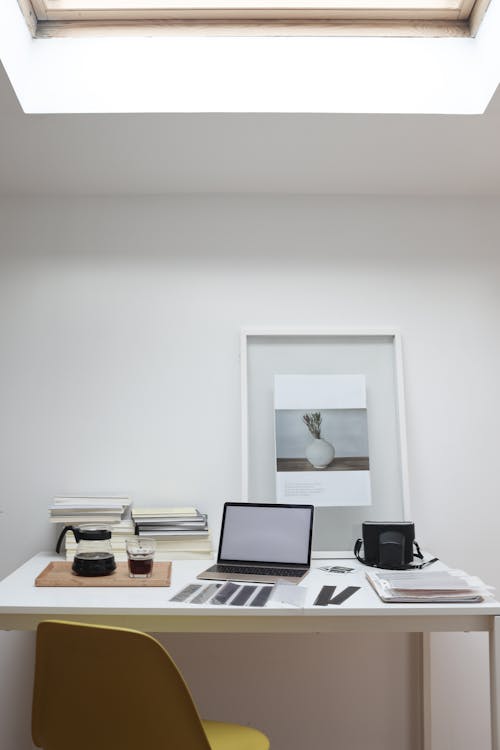
How to Build a Slow Productivity Routine
Shifting from hustle mode to slow productivity does not happen overnight. It is a gradual process. Here is a week-by-week approach to help you transition.
Week 1: Audit Your Commitments
Write down every project, responsibility, and recurring task on your plate. Then sort them into three categories: essential, negotiable, and droppable. Be honest with yourself about what truly needs your attention and what you took on out of guilt or habit.
Week 2: Set Up Your Focus System
Choose your top three priorities for the week. Block two to three hours each morning for deep, uninterrupted work on these priorities. Use a planner or simple notebook to track your daily “big three” tasks.
Week 3: Introduce Seasonal Thinking
Look at your calendar for the next month. Identify which weeks will be busier and which can be lighter. Plan your most demanding creative work during the lighter weeks when possible. Build in at least one “recovery day” per week where you handle only low-effort administrative tasks.
Week 4: Refine and Adjust
Review what worked and what did not. You may find that you need to say no to even more things. Or you may discover that your focus hours work better in the afternoon than the morning. The goal is to keep refining until slow productivity feels natural.
Full Focus Planner by Michael Hyatt

Source: amazon.com
A structured daily planner designed to help you prioritize what matters and eliminate overwhelm
The Wellthie One Review
Full Focus Planner Attributes
- Structured daily pages with space for your top three tasks
- Built-in quarterly goal-setting sections for long-term planning
- Weekly preview and review pages to keep you on track
- Premium hardcover design that lasts a full 90-day quarter
The Full Focus Planner is designed specifically for people who want to do fewer things with more intention. The daily “big three” format aligns perfectly with slow productivity principles. Each day, you identify your three most important tasks and focus your energy there. The quarterly goal-setting pages help you think about your work in seasons rather than sprints. Over 1 million planners sold speaks to how effective this system is for people who want to stop feeling scattered.
Common Mistakes When Practicing Slow Productivity
Slow productivity sounds simple, but there are some common traps to watch for:
- Confusing slow with lazy. Slow productivity is still productivity. You are doing meaningful, high-quality work. You are just not doing unnecessary busy work alongside it.
- Trying to change everything at once. Start with one principle and build from there. Overhauling your entire work system in a weekend will likely backfire.
- Feeling guilty about rest. Rest is part of the system, not a reward for finishing work. Your best ideas often come during downtime.
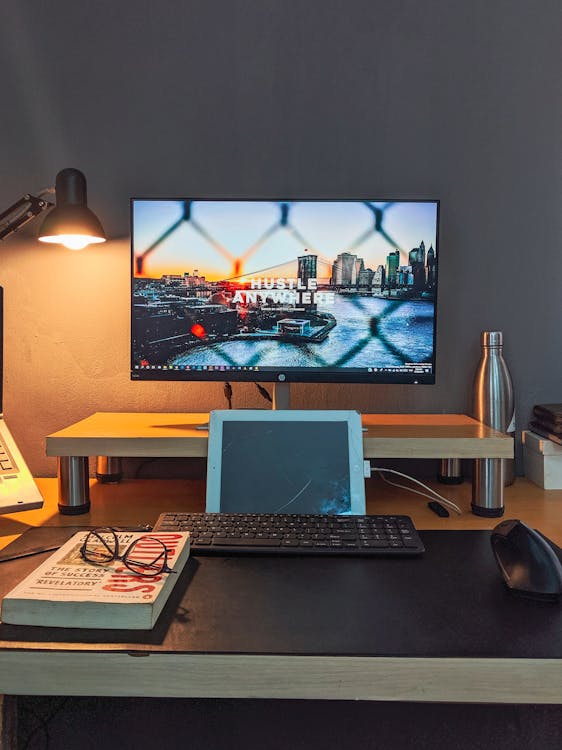
- Ignoring your environment. Your workspace matters. A cluttered, distracting environment makes focused work much harder.
If you are also looking for ways to recharge your body while you slow down your work pace, consider exploring earthing and grounding practices or improving your sleep quality with magnesium.
The Science Behind Working Less but Better
Research from Stanford University found that productivity per hour declines sharply when a person works more than 50 hours per week. Beyond 55 hours, productivity drops so much that there is almost no benefit from the extra time. A study published in the Harvard Business Review confirmed that sustainable work habits produce better long-term outcomes than chronic overwork.
The takeaway is clear: working smarter and more intentionally beats working longer and harder, every time.
Start Your Slow Productivity Journey Today
You do not need to make dramatic changes to start practicing slow productivity. Begin by choosing one principle that resonates with you. Maybe it is limiting your daily task list to three items. Maybe it is blocking off your mornings for deep work. Or maybe it is simply giving yourself permission to rest without guilt.
The beauty of slow productivity is that it compounds. Small changes in how you approach your work lead to big shifts in how you feel about your life. Less stress. More satisfaction. Better results. That is a trade worth making.
This post may contain affiliate links, which means we may receive a small commission, at no cost to you, if you make a purchase through a link.


