Microplastics are everywhere, from our drinking water to the food we eat. If you are wondering how to detox microplastics from your body naturally, you are not alone. Recent studies suggest that the average person may consume up to five grams of plastic per week. That is roughly the weight of a credit card. The good news? Your body has built-in systems that may help flush these particles out. With a few targeted changes, you can support that process at home.
In this guide, we will explore science-backed strategies to reduce your microplastic load. You will learn which foods, supplements, and lifestyle shifts may make the biggest difference.
What Are Microplastics and Why Should You Care?
Microplastics are tiny plastic fragments smaller than five millimeters. They come from the breakdown of larger plastics, synthetic clothing fibers, and food packaging. These particles have been found in human blood, lung tissue, and even the placenta. Research from the National Institutes of Health suggests that chronic exposure may contribute to inflammation, hormonal disruption, and oxidative stress.
The concern is not just about what is already inside your body. It is also about reducing ongoing exposure. Think of it as plugging the leak while you bail out the water.

How to Detox Microplastics from Your Body Naturally with Fiber
Fiber is one of the most effective tools for flushing microplastics from your digestive system. Soluble fiber binds with bile in the intestines. This creates a gel-like substance that may trap microplastics and escort them out of your body. Studies suggest that high-fiber diets promote healthy bowel movements, which is your body’s primary exit route for these particles.
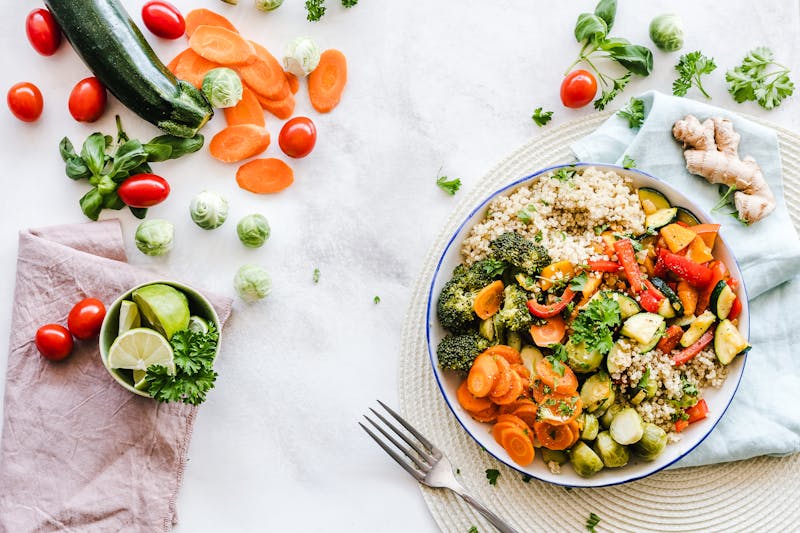
Great sources of soluble fiber include chia seeds, flaxseeds, oats, and psyllium husk. Cruciferous vegetables like broccoli, kale, and Brussels sprouts are also helpful. They contain sulforaphane, a compound that may support your liver’s natural detox pathways.
Aim for 25 to 35 grams of fiber daily. Start slow if you are not used to eating this much. Increase your water intake alongside fiber for the best results.
If you are looking for a simple way to boost your daily fiber intake, supporting your gut health with the right foods and supplements can make a real difference.
Organic India Psyllium Herbal Powder

Source: amazon.com
USDA Certified Organic whole husk psyllium fiber, vegan, gluten-free, and Non-GMO
The Wellthie One Review
Organic India Psyllium Herbal Powder Attributes
- Made from 100% organic whole psyllium husks, triple sifted for purity
- Contains both soluble and insoluble fiber for complete digestive support
- USDA Certified Organic, Non-GMO Project Verified, Vegan, and Gluten-Free
- Mixes easily into water, smoothies, or juice without clumping
This organic psyllium husk powder is one of the simplest ways to increase your daily fiber intake. It provides a gentle, effective fiber boost that supports regular digestion. The whole husk formula includes both soluble and insoluble fiber. This combination may help bind to particles in the gut and promote their elimination. It is unflavored and blends smoothly into drinks or baked goods. For anyone looking to support their body’s natural detox process, this is a solid starting point.
Filter Your Water to Reduce Microplastic Exposure
Tap water is one of the biggest sources of microplastic exposure. Bottled water can be even worse. Studies have found that a single liter of bottled water may contain hundreds of thousands of nanoplastic particles. Switching to filtered water is one of the fastest ways to cut your daily intake.
Not all water filters are created equal, though. Standard carbon filters catch some contaminants but miss most microplastics. Look for a filter that uses reverse osmosis or a multi-stage filtration system. These options remove up to 99% of microplastic particles along with heavy metals, PFAS, and other harmful chemicals.
One simple home trick that researchers have discovered: boiling your water for five minutes may remove up to 90% of microplastics. The calcium carbonate in hard water traps the particles as it forms. Just strain the boiled water through a simple coffee filter afterward.
Clearly Filtered No.1 Water Pitcher

Source: amazon.com
Targets 365+ contaminants including fluoride, chlorine, PFAS, microplastics, lead, and arsenic
The Wellthie One Review
Clearly Filtered No.1 Water Pitcher Attributes
- Independently tested to comply with NSF/ANSI Standards 42, 53, 401, and 473
- Removes up to 99.9% of 365+ harmful contaminants including microplastics
- Made from Medical-Grade Tritan, BPA/BPS free with no plastic leaching
- 80 oz capacity with a sleek design that fits easily in most refrigerator doors
This pitcher goes well beyond what a basic Brita filter can do. The Clearly Filtered system targets over 365 contaminants, and it is independently tested against strict NSF standards. For a household concerned about microplastic exposure, this is one of the most thorough pitcher options on the market. The filter lasts about four months with regular use, and the pitcher itself is made from medical-grade materials that will not leach chemicals into your water. It is a meaningful upgrade for anyone serious about reducing their daily plastic intake through drinking water.
Swap Plastic for Glass in Your Kitchen
Heating food in plastic containers is one of the fastest ways to release microplastics into your meals. Even containers labeled “microwave safe” may shed plastic particles when exposed to heat. The same goes for plastic wrap and takeout containers.
Switching to glass food storage containers is a simple, one-time change with lasting benefits. Glass does not leach chemicals or microplastics, regardless of temperature. You can safely use glass containers in the microwave, oven, freezer, and dishwasher.
Here are a few more kitchen swaps that may help reduce your exposure:
- Use stainless steel or glass water bottles instead of disposable plastic ones
- Choose wooden or stainless steel cooking utensils over plastic spatulas and spoons
- Store leftovers in glass jars or beeswax wraps rather than plastic bags
- Avoid using plastic cutting boards when possible
MCIRCO Glass Meal Prep Containers (10-Pack)

Source: amazon.com
Airtight glass containers with snap-locking lids, safe for microwave, oven, freezer, and dishwasher
The Wellthie One Review
MCIRCO Glass Meal Prep Containers Attributes
- Made from high borosilicate glass that resists thermal shock and staining
- Snap-locking lids with silicone seal for airtight, leak-proof storage
- Set includes 5 different sizes for versatile meal prep and leftover storage
- Safe for microwave, oven (up to 750 degrees), freezer, and dishwasher
This 10-pack set is an affordable way to ditch plastic containers for good. The glass is thick, durable, and does not stain or absorb odors over time. The snap-locking lids keep food fresh and secure, which makes these great for meal prep or packed lunches. At under $35 for ten containers, the cost per container is much lower than most glass storage sets. They stack neatly in the fridge, and the variety of sizes means you will have the right container for any portion. This is a practical, budget-friendly step toward reducing microplastic exposure in your kitchen.
Support Your Body’s Natural Detox Pathways
Beyond diet and kitchen changes, your body has several built-in systems for processing and removing toxins. Here is how to support each one.
Sweat It Out
Regular exercise and sauna sessions may help your body eliminate microplastics through sweat. Research suggests that sweating can help excrete BPA, phthalates, and other plastic-derived compounds stored in fat tissue. Aim for at least 30 minutes of moderate exercise most days. If you have access to a sauna, a 15 to 20 minute session a few times per week may offer additional benefits.
If you are new to managing your body’s stress response, learning how to regulate your nervous system naturally can complement your detox routine.
Stay Well Hydrated
Drinking plenty of filtered water supports kidney function and helps flush toxins through urine. Aim for at least eight glasses of filtered water per day. Your kidneys are one of the primary pathways for eliminating water-soluble toxins from your blood.
Feed Your Gut Bacteria
Emerging research points to certain probiotic strains that may help your body process microplastics. Fermented foods like yogurt, kefir, sauerkraut, and kimchi support a diverse gut microbiome. A healthy gut lining may also reduce how many particles get absorbed into your bloodstream in the first place. Pairing probiotics with prebiotic fiber creates an ideal environment for gut health.
Eat Antioxidant-Rich Foods
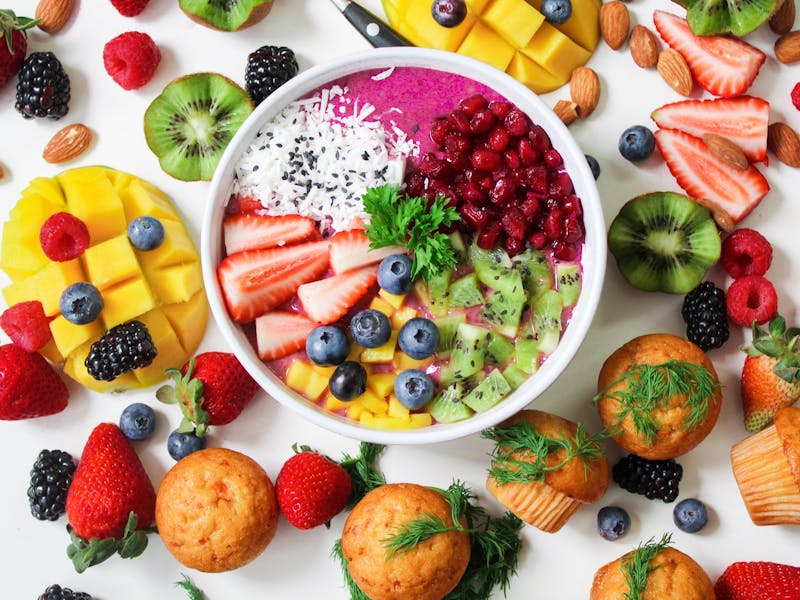
Microplastics may increase oxidative stress in your body. Antioxidant-rich foods can help counter this effect. Focus on colorful fruits and vegetables like berries, leafy greens, and sweet potatoes. Quercetin, found in apples, onions, and berries, is a particularly potent antioxidant that studies suggest may help neutralize free radicals caused by plastic exposure.
Reduce Your Ongoing Microplastic Exposure
Detoxing microplastics from your body is only half the equation. Reducing new exposure is equally important. Here are practical steps you can start today:
- Choose clothing made from natural fibers like cotton, linen, hemp, or wool. Synthetic fabrics like polyester shed microplastic fibers with every wash.
- Use a microfiber-catching laundry bag when washing synthetic clothes to trap loose fibers before they enter the water supply.
- Avoid heating food in any plastic container, even those labeled microwave-safe.
- Reduce your use of single-use plastics like bags, straws, and disposable cups.
- Open windows regularly to reduce indoor microplastic dust that accumulates from furniture, carpets, and textiles.
The Bottom Line on Microplastic Detox
Complete avoidance of microplastics is not realistic in today’s world. But supporting your body’s natural ability to process and eliminate these particles is well within your control. By increasing your fiber intake, filtering your water, swapping plastic for glass, and staying active, you may significantly reduce your overall microplastic burden over time.
Small, consistent changes add up. Pick one or two strategies from this guide and start there. Your body will thank you for the effort.
This post may contain affiliate links, which means we may receive a small commission, at no cost to you, if you make a purchase through a link.
Looking for more ways to support your body naturally? Learn how to dry brush for lymphatic drainage to boost circulation and promote natural detox through your skin.