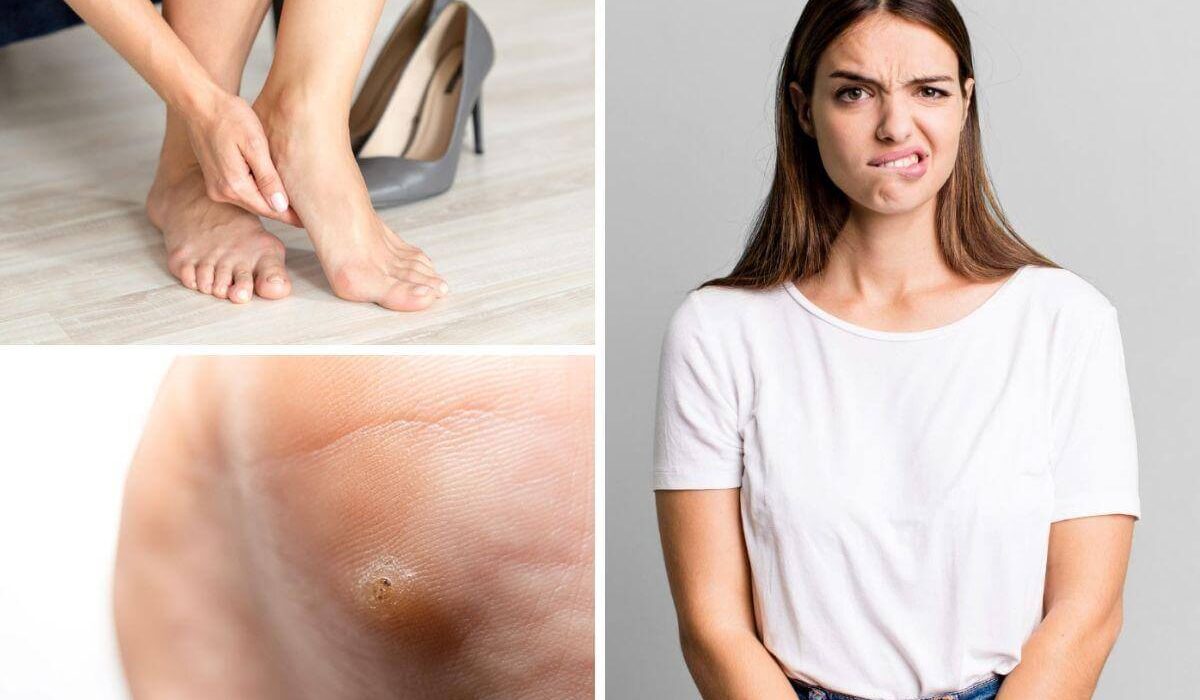
Plantar warts ARE contagious – HPV (most often types 1, 2, 27, or 57) spreads through direct contact with infected skin cells or contaminated surfaces (locker room floors, shared showers, shoes you swap with family). The good news: they need a tiny break in your skin barrier to take hold, so foot hygiene and skin integrity matter as much as treatment choice.
The harder news from the 2024 network meta-analysis of 33 RCTs: standard salicylic acid alone and cryotherapy alone did NOT significantly outperform no treatment in plantar warts. The combinations that work best are antimitotic stacks (cantharidin + podophyllotoxin + salicylic acid), often done in a dermatologist’s office. The Wart Match tool below helps you decide whether your case warrants home treatment or a professional visit.
Find Your Wart Match
Type × location × how long you’ve had it – matched to a protocol.
When warts keep coming back
Recurrent or recalcitrant warts almost always point to a depressed cell-mediated immune response – the immune system arm that normally clears HPV-infected keratinocytes. Vitamin D below 30 ng/mL, zinc deficiency, chronic stress hormone elevation, sleep debt, and high inflammatory toxin load all weaken this exact response. Topical treatments destroy the visible lesion, but the underlying immune capability is what prevents the next one.
The Toxic Load Assessment maps which systems are dragging YOUR immune function down – so the next wart cycle is shorter, milder, or doesn’t happen at all.
Take the Toxic Load Assessment →If you’re like most people, you’ve probably heard of plantar warts, but do you really know what they are and how to treat them?
Tools worth keeping on hand
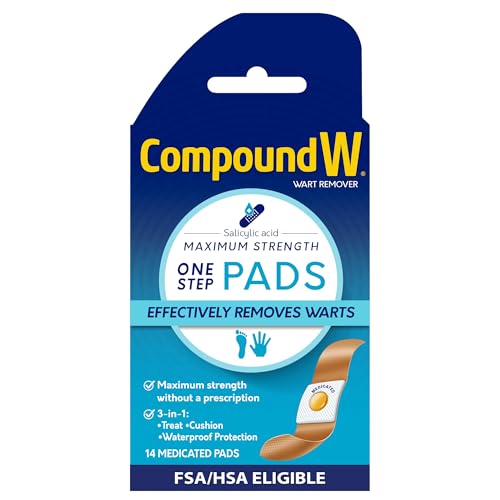
Plantar warts are common skin growths that appear on the bottom of the foot. They can be painful and annoying, but with the right information, you can identify them, treat them, and prevent their recurrence. Let’s take a closer look at plantar warts!
What is a plantar wart?
A plantar wart is a small, fleshy bump that appears on the bottom of your foot. It is caused by a virus called human papillomavirus (HPV).

It is important to note that not all skin bumps on your feet are plantar warts; some may be corns or calluses. The key difference between a plantar wart and other skin conditions is the tiny black dots in its center. Those dots are blood vessels that have grown up into the wart.
How Do We Get Plantar Warts?
Plantar warts are highly contagious and can be spread through contact with an infected person or surface. This means if someone with a plantar wart walks on the same floor as you or shares socks with you, there’s a chance you could contract it too.

Is a plantar wart painful?
Unfortunately, yes. Because of the pressure placed on them, plantar warts frequently cause pain when walking or standing. As they grow larger, this pressure increases and can cause extreme discomfort when walking or running.

How Long Does It Take for a Plantar Wart to Heal Naturally?
Unfortunately, there’s no definitive answer here, as every case is different.
If left untreated, a wart may take several months or even years to heal naturally. That’s without any intervention like freezing, laser treatments, or essential oils.
What Are Some Natural Healing Solutions for Plantar Warts?
If you want to try treating your plantar wart naturally, there are several options available, including:
How does tea tree oil help heal plantar warts?
Tea tree oil has become a popular natural remedy for all kinds of skin ailments, and its antiviral properties have made it especially beneficial when applied to plantar warts.
Tea tree oil’s ability to combat the HPV virus that causes these warts makes it a great option for at-home treatment without having to use harsh chemical treatments.
It can be directly applied onto the wart in drops or by cotton swab multiple times daily for up to 8 weeks until the wart is destroyed.
Tea tree oil is essentially nature’s way of giving us an at-home method of fighting off this pesky virus with pleasantly scented essential oils!
Be sure you choose an organic, undiluted tree tree essential oil like this one:
Tea Tree Essential Oil by Fiora Naturals

- Duct tape therapy
Duct tape occlusion therapy works like this. Cover the wart with duct tape for six days. Soak in warm water for ten minutes. Gently remove dead skin cells with an emery board or pumice stone.
- Garlic juice or apple cider vinegar
Many people have found success with garlic juice or apple cider vinegar. Apply directly to the wart three times per day for several weeks until it resolves.
- Iodine
If you are open minded and want to try more than one natural therapy, try powerful iodine! Iodine is antibacterial and will help reduce the inflammation and potentially even preventing future plantar wart infections.
If you thought iodine was only good for disinfecting cuts, think again! It turns out that using topical iodine can be a great way to clear up pesky plantar warts. To start off, it’s important to file down the wart before applying iodine.
Don’t worry – you won’t even need a trip to the store – just grab an emery board sitting in your nightstand drawer. Then apply iodine on and around the wart, check with your doctor if you have questions.

This method is not fool-proof, but if it works for other pesky infectious agents, why not try it on plantar warts? Some people have successfully gotten rid of their plantar’s warts with iodine, but they have applied it consistently up to a few times a day for weeks.
Research behind wart treatment
- Xu Y, et al. (2024). Topical antimitotic treatments for plantar warts are more beneficial: A Bayesian network meta-analysis of randomized controlled trials. Journal of Evidence-Based Medicine, 17(1):37-53. [DOI]Network meta-analysis of 33 RCTs: topical antimitotic combinations (cantharidin + podophyllotoxin + salicylic acid) ranked #1 for clearance. Notably, salicylic acid alone and cryotherapy alone were NOT significantly better than no treatment for plantar warts.
- Bristow I, et al. (2017). Microwave therapy for cutaneous human papilloma virus infection. European Journal of Dermatology, 27(5):511-518. [DOI]Pilot study showed microwave therapy cleared 75.9% of recalcitrant warts vs the 23-33% typical clearance with cryotherapy or salicylic acid alone – and works by stimulating the immune system to recognize HPV antigens.
- Hogendoorn GK, et al. (2017). Morphological characteristics and human papillomavirus genotype predict the treatment response in cutaneous warts. British Journal of Dermatology, 178(1):253-260. [DOI]HPV genotype and physical wart characteristics (presence of callus, depth) predict whether standard treatments will work. This is why two warts that look similar can have very different clearance timelines.
- Rivera A, Tyring SK (2004). Therapy of cutaneous human Papillomavirus infections. Dermatologic Therapy, 17(6):441-8. [DOI]Classic review: no cure exists for the underlying HPV infection – treatment focuses on lesion clearance. Immunomodulators showed superior efficacy (up to 77% clearance) over destructive techniques, suggesting the immune system route is more durable than tissue destruction alone.
For anyone who hates hearing “take two aspirin and call me in the morning!” here’s what we say: take two drops of iodine and cross your fingers!
Are plantar warts contagious?

Yes! As previously mentioned, plantar warts can be spread through contact with an infected person or surface. It is important to take precautions when dealing with them, such as wearing socks.
Avoid contact with the floor where other people who may have had exposure to an infected surface. This will reduce your chances of contracting one yourself.
Plantar warts can be avoided in several ways
The best way to prevent plantar warts is frequent hand-washing. Be especially diligent after contact with anyone who’s been exposed to an infected person or surface.

Plantar warts can also be avoided by not walking barefoot in public places. Locker rooms and swimming pools often harbor HPV on surfaces, waiting for unsuspecting hosts.
Wearing supportive shoes helps decrease pressure on existing warts. Too much pressure can slow the healing process if not managed properly from the start.
Concluding thoughts on plantar warts
All in all, knowing about plantar warts isn’t something anyone enjoys learning about, but it’s important information nonetheless!
Knowing how they spread and how to protect ourselves is valuable. Everyone should have this knowledge, whether or not they’ve been affected before.
Taking protection measures seriously can significantly reduce the chances of another wart developing. That includes frequent hand-washing after contact with an infected person or surface. So don’t forget: prevention is key!
More from thewellthieone.com
The links used on thewellthieone.com are affiliate links, which may provide a small commission. This does not increase the price of the goods for the consumer whatsoever. What it does is ensure that useful content like this can continue to be produced. Thank-you for enjoying our content and allowing us to continue to provide more.
Related reading: Whole-body health supports localized healing. My guide on healing the liver naturally covers the foundational detox work that helps every other system.
What I’d Have on Hand for Plantar Wart Treatment at Home
If you want to skip the dermatologist visits and try the natural route consistently, here are the two items I’d keep in the cupboard.
Apple Cider Vinegar (Raw, Unfiltered)
A classic at-home plantar wart remedy: soak a cotton ball in raw ACV, secure it to the wart with a bandage, leave overnight. Takes consistent nightly application over weeks.
See It On AmazonTea Tree Essential Oil
Tea tree’s natural antimicrobial properties make it another go-to for plantar warts. Apply a drop directly to the wart morning and night, cover with a bandage.
See It On Amazon