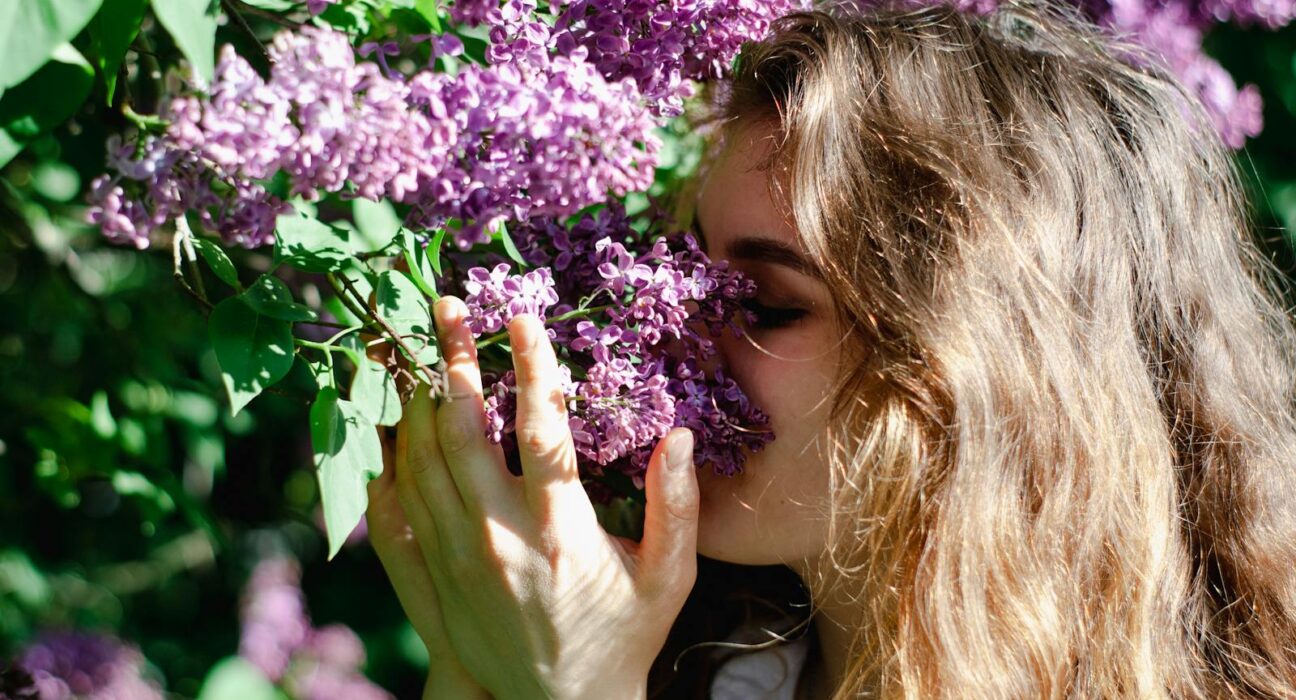
When spring arrives, so do longer days, fresh blooms, and for many people, a wave of sneezing, itchy eyes, and nonstop congestion. If you’ve been searching for allergy season remedies, you’re definitely not alone. Seasonal allergies can make even the nicest time of year feel exhausting, especially when symptoms start interfering with sleep, focus, and your daily routine.
The good news is that there are several gentle, practical strategies that may help you feel more comfortable during allergy season. While natural approaches do not cure allergies, research suggests they can support your overall comfort and reduce exposure to common triggers. In this guide, we’ll walk through simple at-home habits, lifestyle adjustments, and a few helpful natural-leaning products that many people use during high-pollen months.
Key Takeaways
- Reducing pollen exposure at home may help ease seasonal allergy discomfort.
- Simple tools like saline rinse, air filtration, and showering after outdoor time can make a difference.
- Some natural supports, such as local honey, herbal teas, and steam, are popular seasonal habits, though evidence is mixed.
- Consistency matters more than any single remedy during allergy season.
- It’s wise to talk with a healthcare provider if symptoms are severe, persistent, or affecting breathing.
What causes seasonal allergy symptoms?
Seasonal allergies often flare up when trees, grasses, and weeds release pollen into the air. When that pollen enters your nose, eyes, or throat, your immune system may react strongly, creating symptoms like sneezing, watery eyes, congestion, and an itchy throat. Some people also notice fatigue, sinus pressure, or poor sleep during peak allergy season.
Different regions have different pollen patterns, but spring and early summer are especially challenging for many households. That’s why the most effective seasonal allergy support plan usually starts with reducing exposure, then layering in supportive habits that fit your lifestyle.
1. Lower your pollen exposure at home
One of the best seasonal allergy remedies is simply keeping as much pollen out of your living space as possible. It sounds basic, but small home habits can go a long way.
Keep windows closed on high-pollen days
Fresh air feels wonderful, but open windows can invite pollen inside. If your area is experiencing high pollen counts, consider keeping windows shut and using fans or air conditioning instead.
Change clothes after being outdoors
Pollen can cling to your clothing, shoes, and hair. Changing outfits after a walk, workout, or time in the yard may help prevent those allergens from spreading through your home.
Shower before bed
A quick shower in the evening can rinse pollen from your skin and hair, which may help reduce nighttime irritation. Clean pillowcases and sheets regularly during peak season can also help.
2. Try a saline rinse for nasal comfort
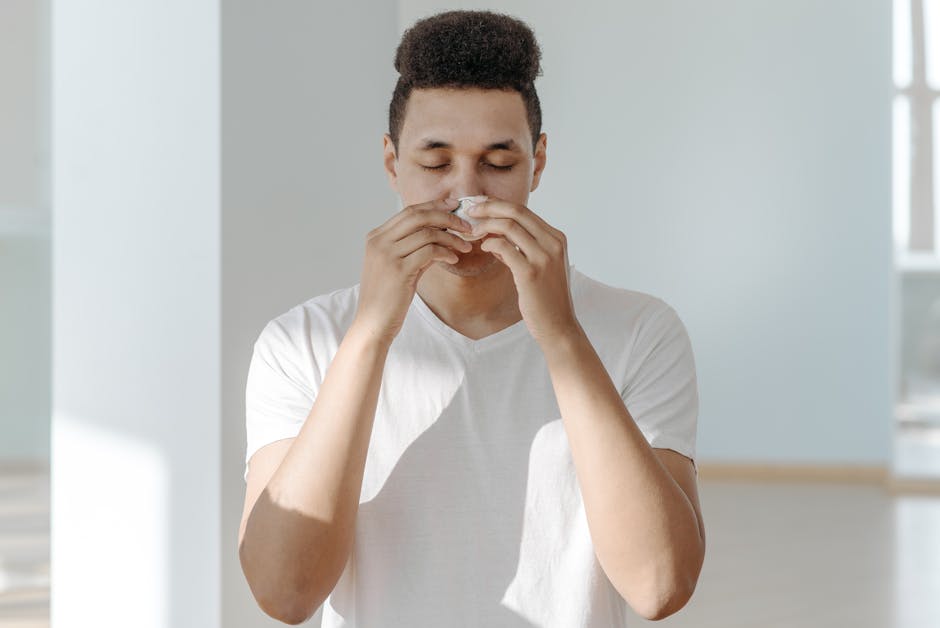
If your main complaint is congestion, many people find saline rinses to be one of the most useful allergy season remedies at home. Saline may help flush out mucus, pollen, and irritants from the nasal passages without relying on harsh ingredients.
If you’re looking to try this at home, the NeilMed Sinus Rinse Kit is a widely known option for nasal irrigation. Be sure to follow the product instructions carefully and use properly prepared water for safety.
3. Use clean indoor air to your advantage
Indoor air quality matters more than many people realize. Since allergens can collect on fabrics, vents, and dusty surfaces, improving your indoor environment may help you feel more comfortable throughout the day.
Run an air purifier
HEPA filtration is commonly recommended for capturing particles like pollen and dust. One popular option that many people find helpful is the LEVOIT Core 300-P Air Purifier. We like this type of product because it can support cleaner air in the spaces where you sleep and recover.
Vacuum and wipe surfaces often
Soft surfaces can trap allergens. Vacuuming rugs and upholstery, washing throw blankets, and wiping entryway areas more often during peak season may help lower the overall allergen load in your home.
4. Lean on simple natural comfort measures
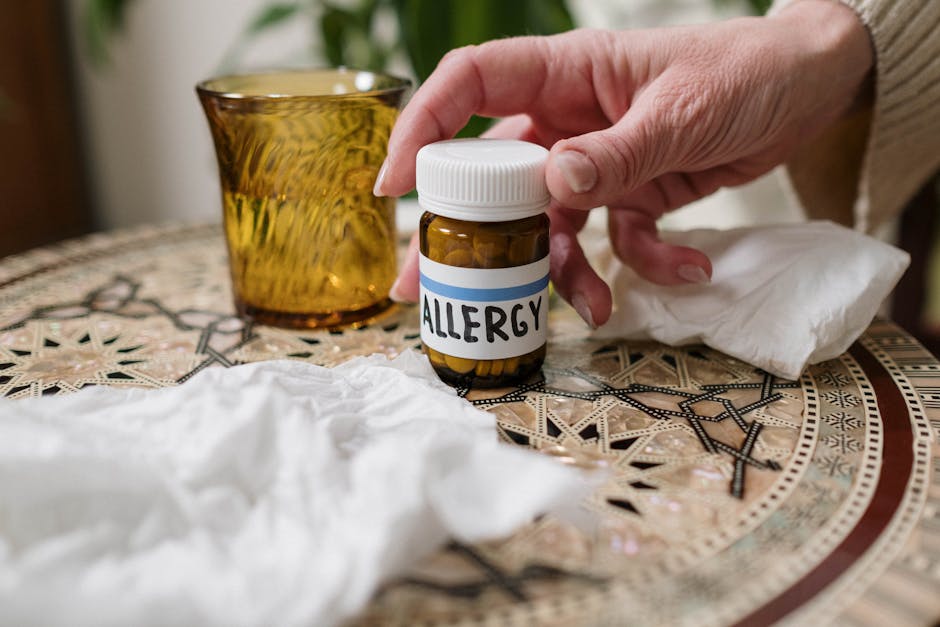
If you’ve ever searched for natural remedies that help with allergies, you’ve probably seen everything from honey to herbal steam. Not every approach has strong evidence behind it, but some people enjoy these routines as part of a broader comfort plan.
Warm herbal tea and hydration
Staying hydrated may help keep mucus thinner and more manageable. Warm herbal teas can also feel soothing for an irritated throat or stuffy sinuses, especially in the evening.
Steam and humidity
A warm shower or bowl of steam may temporarily relieve feelings of congestion for some people. Just be careful with hot water and avoid over-humidifying your home, since excess moisture may create other indoor air issues.
Local honey and food-based supports
Some people enjoy local honey during spring and believe it may help them feel more in sync with the season. Research is mixed, so it’s best to treat this as a comforting food rather than a guaranteed solution.
5. Protect your eyes and face outdoors
During high-pollen days, sunglasses and a hat may help reduce direct exposure around the eyes and hairline. This can be especially helpful if you spend time walking, gardening, or commuting outdoors.
If gardening is part of your routine, consider keeping a dedicated outdoor layer and removing it as soon as you come inside. That small habit may help keep pollen from spreading throughout the house.
6. Support better sleep during allergy season
Sleep and allergies can be a frustrating combination. Congestion and postnasal drip often feel worse at night, which can lead to restless sleep and low energy the next day.
To support better rest, try washing bedding more frequently, keeping pets off the bed if they spend time outside, and using an air purifier in the bedroom. To support better rest, try washing bedding more frequently, keeping pets off the bed if they spend time outside, and using an air purifier in the bedroom. A organic cotton pillow protectors may also help create a cleaner sleep environment, especially if dust and pollen both bother you.
More to read on The Wellthie One
- Spinal Decompression Guide & Reviews of 3 Top Products to Use At Home
- How to Decompress the Spine While Sleeping: Naturally Prevent and Subdue Back Pain
- Sunflower Lecithin vs. Soy Lecithin – All Your Questions Answered!
Final thoughts on allergy season remedies
The best seasonal allergy remedies are usually simple, consistent, and realistic. You do not need a complicated routine to feel better. Start with the basics: reduce pollen exposure, keep your indoor air as clean as possible, and use gentle comfort measures that fit your day-to-day life.
If you’ve been wondering how to get rid of seasonal allergies fast, the honest answer is that quick fixes are limited. But with a few steady habits and the right home setup, you may feel a lot more comfortable through spring and beyond.
This post may contain affiliate links, which means we may receive a small commission, at no cost to you, if you make a purchase through a link.