This step-by-step setup guide walks you through how to do a coffee enema safely at home for the first time, with an equipment match tool that picks the right kit, coffee, and frequency for your experience level and goal. Backed by 4 peer-reviewed studies on chlorogenic acid (the main active compound in enema coffee) and decades of integrative-clinic practice.
Which Coffee Enema Setup Is Right For You?
3 quick questions. Get matched to the right kit, the right coffee, and the right frequency for your experience level and goal.
Step 1 of 3: What is your experience level?
Step 2 of 3: What is your budget?
Step 3 of 3: What is your goal frequency?
What You Need for a Coffee Enema: The 5-Item Setup
- Enema bucket or bag (glass, stainless steel, or BPA-free silicone — the Equipment Match Tool above picks the right one for your budget)
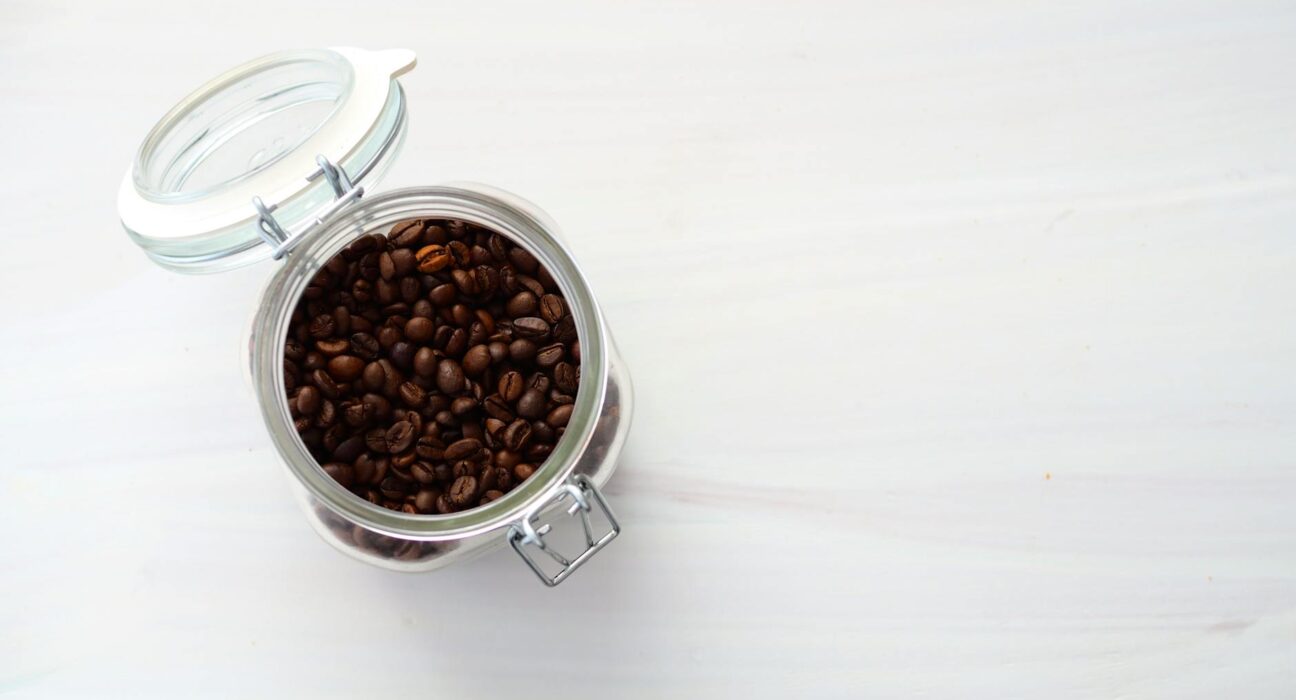
- Organic light or ultra-light roast coffee ground for enema use (light roast preserves more chlorogenic acid than dark)
- Filtered or distilled water (32 oz per session)
- A small saucepan or French press for brewing
- A fine-mesh strainer or cheesecloth to ensure no grounds reach the solution
Optional but recommended: a small towel for the bathroom floor, a yoga mat for retention positions, and a kitchen timer.
How to Do a Coffee Enema: Step by Step
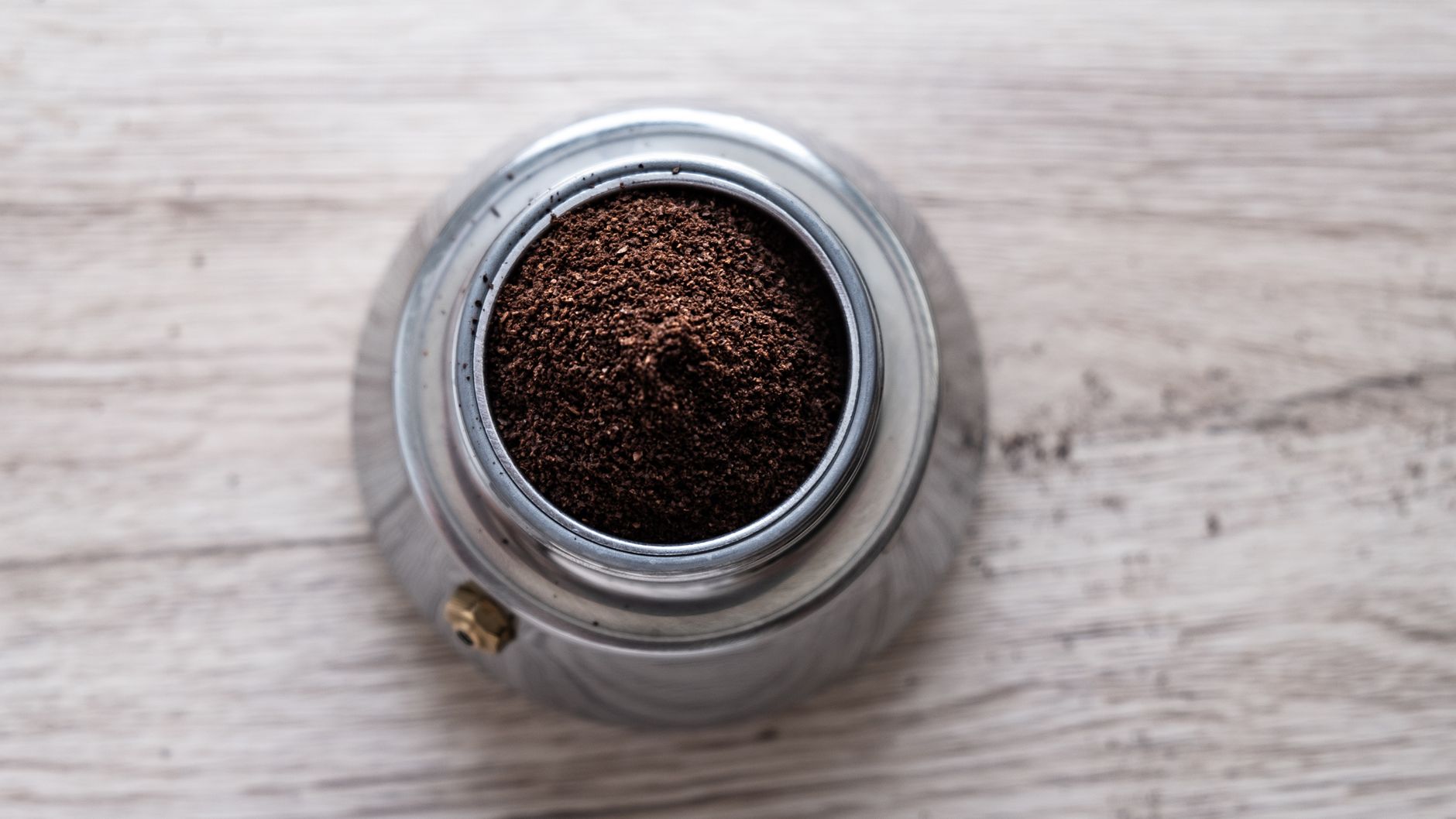
- Brew the coffee. Combine 2-3 tablespoons of organic light-roast enema coffee with 32 oz of filtered water in a saucepan. Bring to a rolling boil for 3 minutes, then reduce to a gentle simmer for 12-15 minutes (15-20 if you are using the Gerson protocol). The slow simmer extracts chlorogenic acid without over-extracting bitter compounds.
- Strain twice. Pour through a fine-mesh strainer or cheesecloth into a clean glass jar. Strain a second time to catch any fine particles. Even one grain can cause cramping.
- Cool to body temperature. Let the brew cool to 95-100°F (a comfortable warm bath temperature). NEVER use hot coffee — it can damage rectal tissue. Use a candy thermometer to be sure if you are new.
- Set up the kit. Close the clamp on your tubing. Pour the cooled coffee into your bucket or bag. Hang the bucket about 18-24 inches above your hip level (a bathroom towel bar or a hook on the door works well).
- Lubricate the tip. Coconut oil or pure olive oil on the colon tube tip. Skip petroleum-based lubes.
- Position yourself. Lie on your right side on a towel on the bathroom floor with your knees bent toward your chest (this opens the descending colon).
- Insert and release. Gently insert the lubricated tip 2-4 inches. Open the clamp and let gravity do the work. Take in the volume slowly — 5 to 10 minutes is normal for the full 32 oz. If you feel urgency, close the clamp and breathe slowly until the urge passes, then continue.
- Retain 12-15 minutes. Once all the liquid is in, close the clamp and remove the tip. Stay on your right side for 5 minutes, then roll onto your back for 5 minutes, then onto your left side for 5 minutes. This movement walks the coffee through the colon and across the portal vein to the liver.
- Release. Move to the toilet and release fully. Stay close to the bathroom for the next 20-30 minutes — there may be a second release.
- Rehydrate. Drink 16-24 oz of filtered water with a pinch of sea salt and a squeeze of lemon afterward.
Safety: Who Should NOT Do a Coffee Enema
Coffee enemas have been used since the 1920s and are central to the Gerson Therapy protocol, but they are not for everyone. Skip or delay if any of the following apply:
- Pregnancy or breastfeeding — talk to your doctor first; the caffeine load is real
- Active hemorrhoids or anal fissures — wait until healed
- Inflammatory bowel disease (ulcerative colitis, Crohn’s) during a flare
- Recent abdominal or rectal surgery — wait minimum 6 weeks, ideally surgeon clearance
- Severe constipation requiring medical evaluation — rule out obstruction first
- Cardiac arrhythmias sensitive to caffeine — talk to your cardiologist
- Anyone under 18 without pediatric medical oversight
- Severe electrolyte imbalance — correct first
- Anyone with severe latex allergy — choose silicone tubing only
If you are unsure, run it past your integrative or functional medicine doctor first. Most integrative practitioners are familiar with the practice.
The Evidence Stack: What Research Shows About Coffee Enema’s Active Compound
4 studies on chlorogenic acid (the main active compound in enema coffee)
Direct rectal-route coffee enema RCTs are limited — most research is on chlorogenic acid as a compound. Read the synopsis first, then scan the studies.
What The Research Supports
- Chlorogenic acid modulates glutathione S-transferase activity in the liver (the foundational mechanism behind coffee enema theory)
- Chlorogenic acid increases antioxidant enzyme levels (SOD, catalase, GSH-px, GST) in animal models
- Chlorogenic acid (and combinations with rutin, quercetin) protect against drug-induced multi-organ injury
- Chlorogenic acid reduces lipid peroxidation and supports liver antioxidant capacity
- Practitioners report symptom reduction (energy, focus, headaches) within minutes of retention
- Decades of integrative-clinic use including the Gerson Therapy protocol
What It Does NOT Prove
- That rectal coffee delivery produces identical effects to oral chlorogenic acid in humans (RCTs lacking)
- That coffee enemas cure cancer (the Gerson protocol claim is unproven and controversial)
- That coffee enemas replace primary medical care for any condition
- That every individual responds the same way (genetics + microbiome matter)
- That daily long-term use is safe for everyone (electrolyte depletion is a real risk)
- That oral coffee delivers the same liver-focused effect (different absorption pathway)
Pattern Observations: What Real First-Timers Report
3 Patterns We See Across First-Time Coffee Enema Reports
Pattern 1: The first one is the hardest, the second one is easy
First-timers describe the prep + setup as the biggest hurdle. By session 2, the routine is established and the whole process takes 30 minutes start to finish. Do not abandon after session 1 just because the setup felt awkward.
Pattern 2: Energy lift hits within 30 minutes
The most commonly reported effect is a clean mental energy lift that starts during or just after release. This tracks with the chlorogenic acid + caffeine combination acting on portal vein circulation to the liver.
Pattern 3: Mineral support is the most-missed step
Readers who do not add a pinch of sea salt + magnesium supplementation around their enemas are the ones most likely to report afternoon fatigue or headaches the next day. The rehydration step is not optional.
Expert Synthesis: Why The Setup Matters As Much As The Coffee
Most failed first-time coffee enemas trace back to one of three setup mistakes: coffee that is too hot, water that is too cold, or grounds that did not fully strain. The Equipment Match Tool above prevents the first two by matching your kit to your experience level, and the brewing recipe explicitly states the body-temperature target. The third mistake is solved by straining twice through fine mesh or cheesecloth, every time.
The other under-appreciated factor is the retention positions. The standard right-side, back, left-side rotation is not arbitrary — it walks the coffee through the colon following the path of the descending colon, and the right-side start positions the coffee to flow across the portal vein into the liver. This is the part of the protocol that delivers the liver-specific effect that oral coffee cannot.
Coffee enemas are not magic. They are one tool in a broader detox toolkit. Pair them with the lifestyle anchors that compound the effect: clean drinking water, magnesium, sleep, daily movement, and ongoing reduction of total toxic load. The enema is the accelerant; the lifestyle is the engine.
The Liver Is The Output Bottleneck Of Toxic Load
Coffee enemas work because they target the one organ that decides how fast your body can clear toxins: the liver. But the liver is only as fast as the inputs it has to manage. The strongest results come from doing the enema AND lowering the daily load the liver is asked to process — pesticides, plastics, heavy metals, ultraprocessed food chemistry.
Use The Toxic Load Tool →Common Questions About Coffee Enema Setup
How often should I do a coffee enema as a beginner?
Start with once a week for the first month to assess tolerance. If you feel better, increase to twice a week. Daily use is the Gerson protocol territory and should be done with practitioner guidance.
What time of day is best?
Morning is optimal because the liver detoxification cycle peaks 1-3 AM and the gallbladder-meridian is most active 11 PM-1 AM in Chinese medicine framing. Morning enemas catch the liver in the “release” phase. Avoid evening enemas if you are caffeine-sensitive (it can affect sleep).
Can I use regular coffee from my pantry?
Strongly not recommended. Regular coffee is often dark-roasted (lower chlorogenic acid) and not tested for mold or pesticides at enema-grade standards. The PureLife Gerson-specific or Ultra Light blends are third-party tested for mold and pesticide residue.
What if I cannot retain the full 32 oz?
Completely normal as a first-timer. Take in only what is comfortable, even if it is just 16 oz. Each session your retention capacity grows. By session 5-7, most people can take and hold the full 32 oz comfortably.
What if I feel jittery or anxious afterward?
Reduce the coffee amount next time (try 1.5 tbsp instead of 3). Some people are highly caffeine sensitive even via the rectal route. The Ultra Light “Gold” coffee version is gentler than the Gerson-Specific blend.
Related Reading From The Wellthie One
- Coffee Enema Frequency Calculator — once you know HOW, this helps you set the cadence
- Coffee Enemas Stop Working? — troubleshooting when results plateau
- Liver Detox: 10 Signs You Need One — the symptom checklist that often leads people here
- How To Detox Heavy Metals — the broader detox protocol coffee enemas fit into
This post may contain affiliate links, which means we may receive a small commission, at no cost to you, if you make a purchase through a link. Photos courtesy of Pexels.