
The connection between general anesthesia and gut health is one of the best-kept secrets in surgical recovery, mostly because the research lives in academic journals that no patient ever reads. The findings are striking. A single round of general anesthesia drops Lactobacillus and Prevotella populations in the gut for up to two weeks. Endotoxin (lipopolysaccharide) leak from the gut into the bloodstream measurably increases. And there is a growing body of work linking that endotoxin leak to the brain fog, fatigue, and mood dips that linger weeks after the surgical site itself has healed.
I had been using gut-repair protocols for years for parasite cleanses and antibiotic recovery before I realized the same playbook applies almost identically to post-anesthesia recovery. The mechanism is the same: a major chemical insult depletes beneficial bacteria, the gut barrier loosens, and you have a 14-day window to either repair it or watch it slide into a longer-lasting issue.
This protocol is what I would do for a family member two weeks after their next surgery. Always check with your doctor before adding supplements post-op, especially if you are still on prescription antibiotics or pain meds.
Key Takeaways
- General anesthesia measurably depletes beneficial gut bacteria for up to 14 days post-op.
- The same window sees increased intestinal permeability (“leaky gut”) and elevated circulating endotoxin.
- The 14-day repair protocol focuses on bone broth, fermented foods, a multi-strain probiotic, L-glutamine, and slippery elm.
- Skip kombucha and other high-yeast ferments in the first week if you were on IV antibiotics.
- Most post-op gut symptoms (bloating, irregular stools, food sensitivity) resolve within 3 to 4 weeks of starting the protocol.
What Anesthesia Actually Does to Your Gut
Three things happen at once during general anesthesia and the surgery that follows it. First, anesthetic agents depress gut motility. The slowed transit time changes which bacteria thrive (slower-growing strains like Bifidobacterium and Lactobacillus get crowded out by faster opportunistic species). Second, opioid pain meds further slow motility, often causing constipation that lasts days. Third, IV antibiotics given prophylactically wipe out broad swaths of bacteria indiscriminately.
The result, measured in stool studies, is a 30 to 70 percent drop in beneficial Lactobacillus and Bifidobacterium counts within 48 hours of surgery. Recovery to baseline takes 10 to 14 days in healthy patients, and significantly longer in older adults or anyone with pre-existing gut issues.
During that disruption window, the tight junctions between gut lining cells loosen, allowing bacterial endotoxin and partially digested food proteins to leak into the bloodstream. The immune system responds to this leak with low-grade systemic inflammation, which is one of the leading hypotheses for why post-anesthesia brain fog can linger weeks after the drugs themselves have cleared.
The 14-Day Gut Repair Protocol
Days 1-3: Bone Broth and Hydration Only
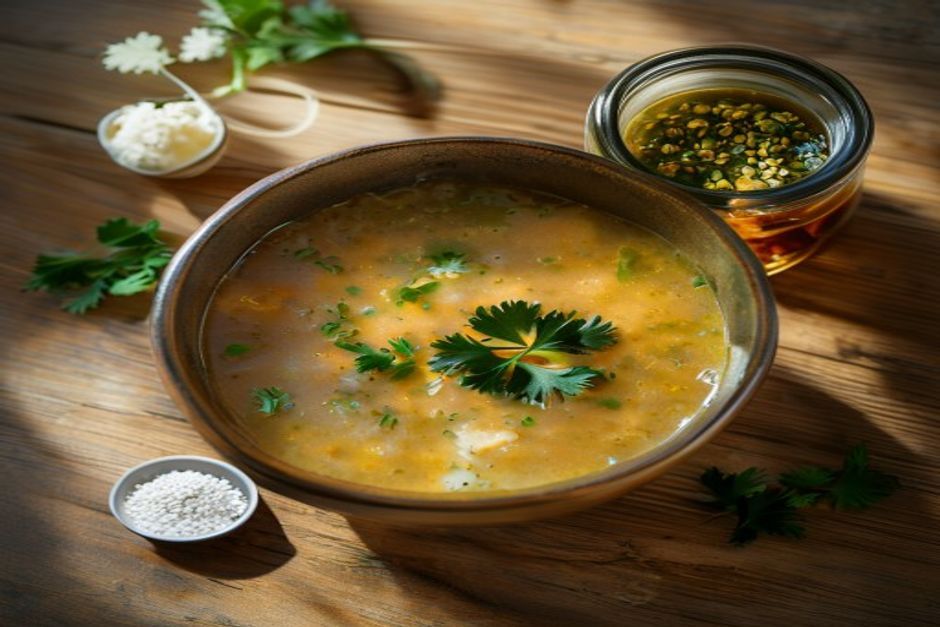
The first three days post-op, the gut needs gentle. Bone broth is the perfect bridge food. The collagen and gelatin coat and soothe the inflamed lining. The minerals (zinc, magnesium, calcium) support tight junction repair. The amino acid glycine is anti-inflammatory in the gut specifically.
Sip warm bone broth 2 to 3 times daily. Add a pinch of unrefined salt for electrolytes. If you can stomach it, fresh ginger grated into the broth is calming for nausea and supports motility.
Do not start probiotic supplements yet. The gut environment is too disrupted to colonize new strains effectively in the first 72 hours.
Days 4-7: Add a Multi-Strain Probiotic
By day four the acute inflammation has settled enough that probiotic strains can begin to take hold. A multi-strain product with at least 50 billion CFU and 10 or more strains is ideal. Bifidobacterium and Lactobacillus species are the most-studied for post-antibiotic recovery; bonus points if the formula also includes Saccharomyces boulardii, a beneficial yeast that does not get killed by residual antibiotic in the system.
Take the probiotic with food. Continue daily through day 14 minimum. Many people benefit from staying on it for 30 to 60 days.
Bone broth continues. Add a small portion of soft cooked vegetables (zucchini, carrot, butternut squash). Skip raw vegetables, raw fruit skins, and high-fiber foods that ask the gut to work harder than it can right now.
Days 8-14: Add L-Glutamine and Slippery Elm
L-glutamine is the primary fuel source for gut lining cells. After a major insult, supplemental L-glutamine speeds the closing of the loosened tight junctions. The dose for gut healing is 5 grams (about 1 teaspoon of unflavored powder) twice daily, mixed into water and sipped slowly. Continue for 4 to 6 weeks total.
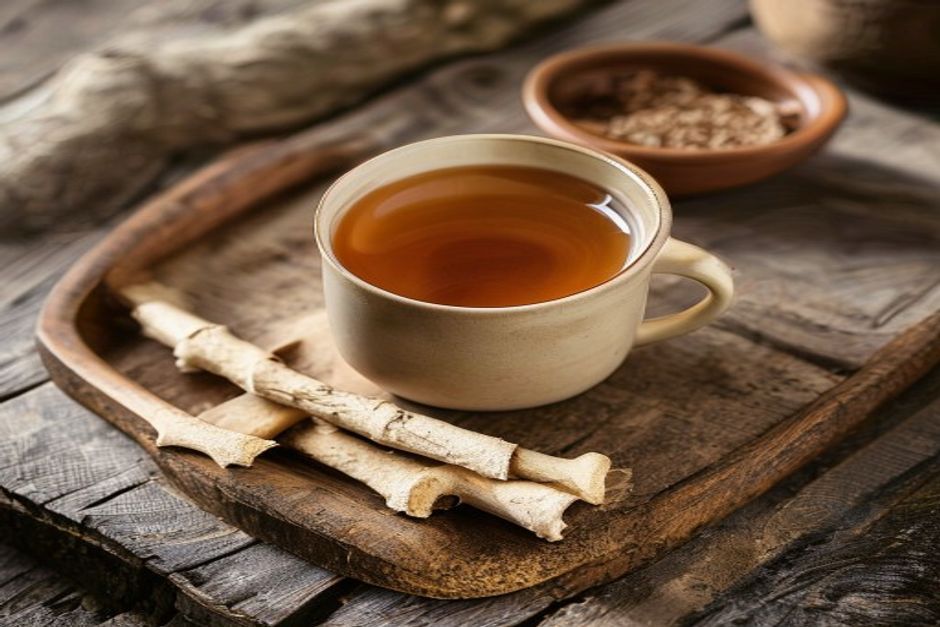
Slippery elm bark is a demulcent, meaning it forms a soothing mucilage when mixed with water. That mucilage coats the gut lining and creates a physical barrier that gives the underlying cells time to heal. A teaspoon of slippery elm powder mixed into a small mug of water (it thickens) once daily, taken on an empty stomach, is gentle and effective.
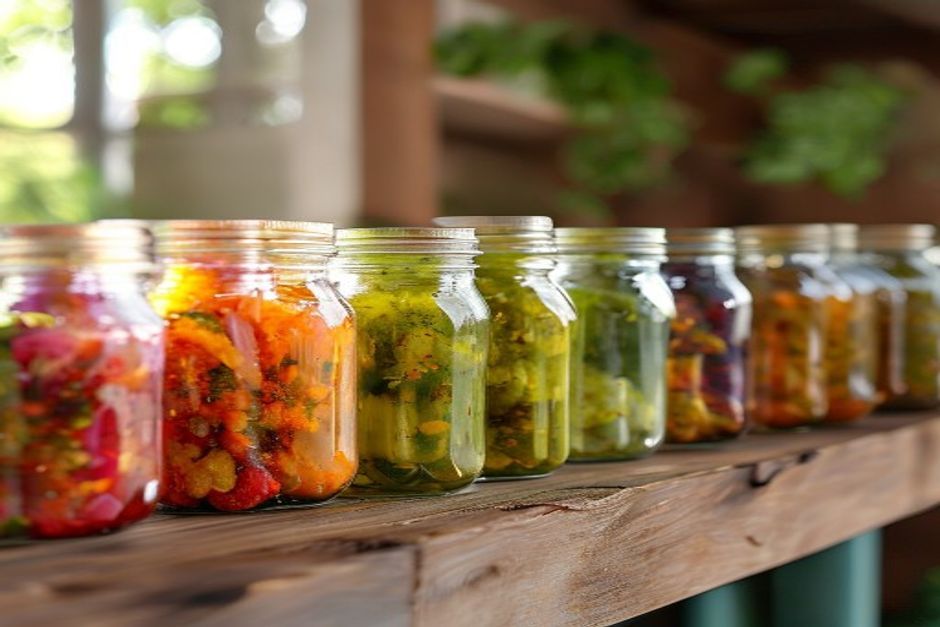
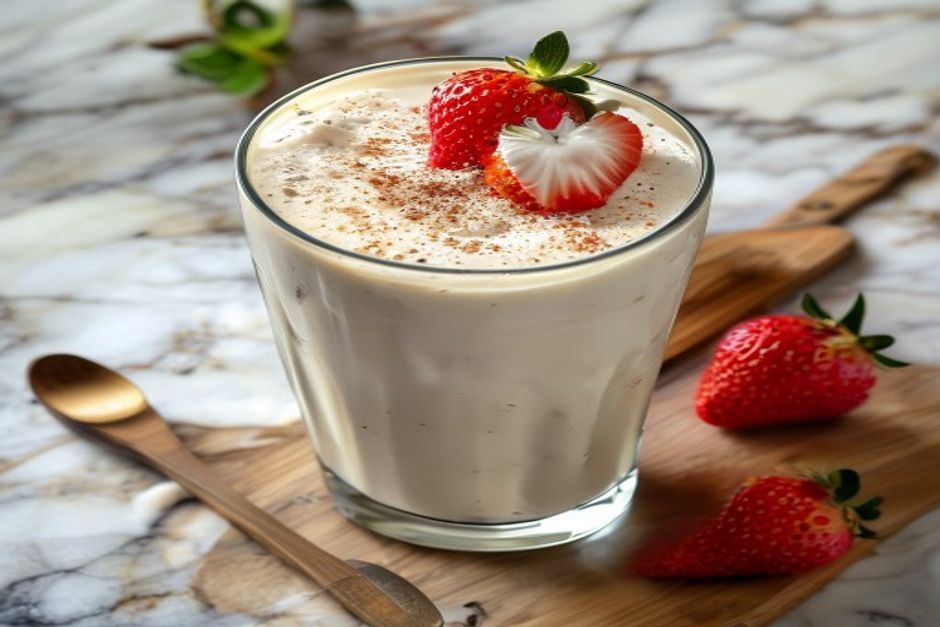
By day 8, you can also start adding small amounts of fermented foods. A tablespoon of sauerkraut juice or unsweetened goat-milk kefir provides live bacteria that help colonize alongside the probiotic supplement. Build up slowly. A tablespoon a day is plenty in week two.
Day 15 Onward: Maintenance and Real Food
By day 15, most people can resume a more normal diet. The maintenance pieces I keep going for another month: daily probiotic, a serving of fermented food at one meal, bone broth a few times a week, and slowly reintroducing higher-fiber foods. The L-glutamine and slippery elm can be tapered over the next two weeks.
The Three Tools I Keep Stocked
Gut Lining Fuel
BulkSupplements L-Glutamine Powder (Unflavored)

Source: amazon.com
L-glutamine is the primary fuel source for gut lining cells. After anesthesia plus IV antibiotics, supplemental L-glutamine speeds the closing of loosened tight junctions. 5 grams (one teaspoon) twice daily for 4 to 6 weeks.
L-glutamine powder mixes into water without flavor and works equally well in a smoothie. 5 grams (one teaspoon) twice daily for 4 to 6 weeks is the standard gut-repair dose.
High-Strain Probiotic
InnovixLabs Multi-Strain Probiotic (50 Billion CFU, 30 Strains)

Source: amazon.com
50 billion CFU with 30+ strains. The post-antibiotic recovery research consistently favors high-strain-count formulas over single-strain options. Take daily with food for the full 30 to 60 days of gut recovery.
50 billion CFU multi-strain with 30+ strains. The post-antibiotic recovery research consistently favors high-strain-count formulas over single-strain options. Take with food, daily for 30 to 60 days.
Gut Soothing Demulcent
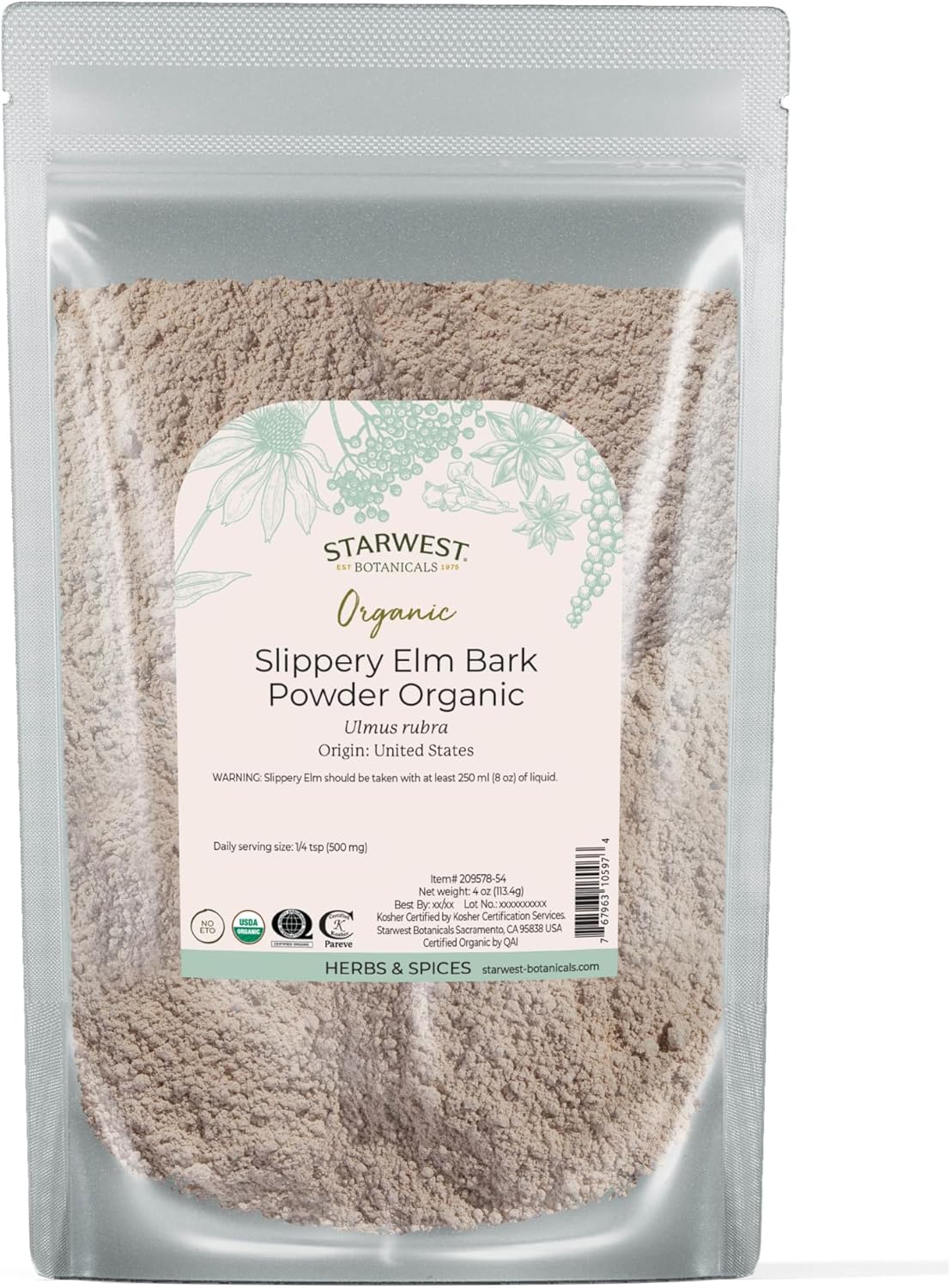
Starwest Botanicals Organic Slippery Elm Bark Powder
Source: amazon.com
Pure organic slippery elm powder. A teaspoon mixed into a small mug of warm water once a day on an empty stomach. The texture is mucilaginous (thick), which forms the protective coating that is exactly the point.
Pure organic slippery elm powder. A teaspoon mixed into a small mug of warm water once a day on an empty stomach. The texture is mucilaginous (thick), which is exactly the point.

What to Skip in the First Two Weeks
- Kombucha. The yeast load can be a lot for a freshly disrupted gut. Wait until week three.
- Coffee. Hard on tight junctions during acute repair. Decaf is fine if you really need the ritual.
- Alcohol. Direct gut barrier disruption. Skip the full first month if possible.
- Raw vegetables and salads. The cellulose load is too much during acute repair. Cooked vegetables only for the first week.
- Sugar and refined carbs. Feed the wrong bacteria. The disruption window is the worst time to give them an opening.
- NSAIDs (ibuprofen, naproxen). Direct gut barrier damage. If your surgeon allows, switch to acetaminophen for any pain-management gaps.
The Bigger Picture
Post-anesthesia gut repair is the missing piece in most surgical recovery protocols. The 14-day window after surgery is when intervention is most effective. Wait three months and you are looking at a much longer rehabilitation. Move within the first two weeks and most people are back to baseline gut function quickly.
For the broader anesthesia recovery framework, the 7 Steps to Clear the Haze piece covers the liver and nervous system pieces that pair with this gut work. The parasite cleanse at home protocol uses much of the same gut-repair playbook. And if you have not seen our bone broth deep dive, the same product applies for human use too.
This post may contain affiliate links, which means we may receive a small commission, at no cost to you, if you make a purchase through a link.


