

Turmeric for dogs is one of those natural remedies that pet parents whisper about in online forums, then recommend to every friend with an aging dog. The golden spice has been used in Ayurvedic medicine for thousands of years, and more recently, research has begun to catch up with what herbalists and traditional veterinarians already knew.
My rescue mix Benny started limping after his morning walks at about age nine. I was not ready for pharmaceutical anti inflammatories. A friend mentioned she had been dosing her lab with a small daily scoop of turmeric golden paste, and I went down the rabbit hole. Six weeks in, Benny was climbing the stairs without hesitation for the first time in a year.
Here is what I learned about turmeric for dogs, including when it may help, the right dose for your dog’s size, and the specific products I now recommend to every friend with a senior pup.
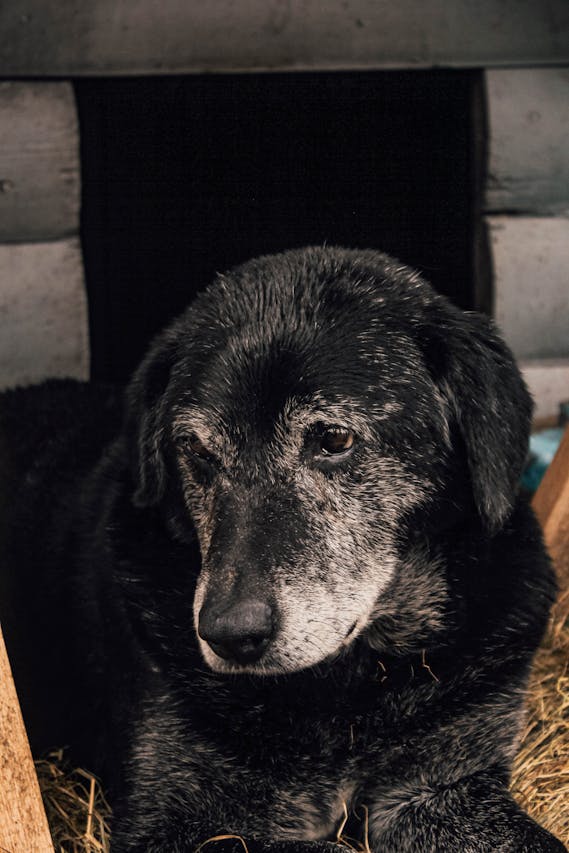
Why Turmeric for Dogs Has a Growing Following
Turmeric contains an active compound called curcumin. Curcumin has been studied for its anti inflammatory, antioxidant, and liver supporting properties in humans and in pets. When inflammation drives joint discomfort, digestive issues, or skin irritation, curcumin may help tone down the body’s inflammatory response naturally.
A review published by the National Institutes of Health described curcumin as a promising anti inflammatory agent with a wide range of possible applications. Veterinary research is catching up, with small studies on arthritic dogs suggesting turmeric may support comfort and mobility alongside other therapies.
This is not a replacement for veterinary care. It is a gentle, food based addition that many dog parents find helpful in combination with a fresh diet, appropriate exercise, and regular checkups.
Watch: How Turmeric May Help Dogs
What you will learn in this video:
- The difference between standard turmeric powder and a 95% curcumin extract
- Why pairing turmeric with black pepper and a fat source matters
- Common signs that your dog may benefit from turmeric
- How to introduce it safely to avoid digestive surprises
Benefits Dog Parents Talk About Most
These are the benefits that show up repeatedly in anecdotal reports and in the early research. Your dog’s experience may vary, and results often depend on diet quality, activity level, and the underlying reason for starting turmeric.
Joint Comfort and Mobility
This is the number one reason most dog parents try turmeric. Older dogs with stiff mornings, difficulty getting up, or reluctance on the stairs may move more easily after a few weeks on a consistent dose. Benny was the poster dog for this benefit, and I have heard similar stories from dozens of readers.
Skin and Coat Support
Chronic itching and dull coats sometimes stem from low grade inflammation. Turmeric may support a calmer inflammatory baseline, which may show up as less itching, less paw licking, and a shinier coat over time. If your dog is dealing with hot spots, my guide on natural remedies for dog hot spots pairs nicely with a turmeric routine.
Digestive Balance
Turmeric has traditionally supported bile flow and liver function. For dogs with sluggish digestion, occasional bloating, or a tendency toward soft stools, low dose turmeric may help over time. Start small and go slow with dogs who have sensitive stomachs.
Antioxidant Support for Aging Dogs
Like humans, dogs accumulate oxidative stress as they age. The antioxidant properties of curcumin may help protect cells from damage. This is a general wellness benefit rather than a targeted one, but it is why many dog parents include turmeric as part of a senior wellness stack.
How Much Turmeric Can You Give a Dog?
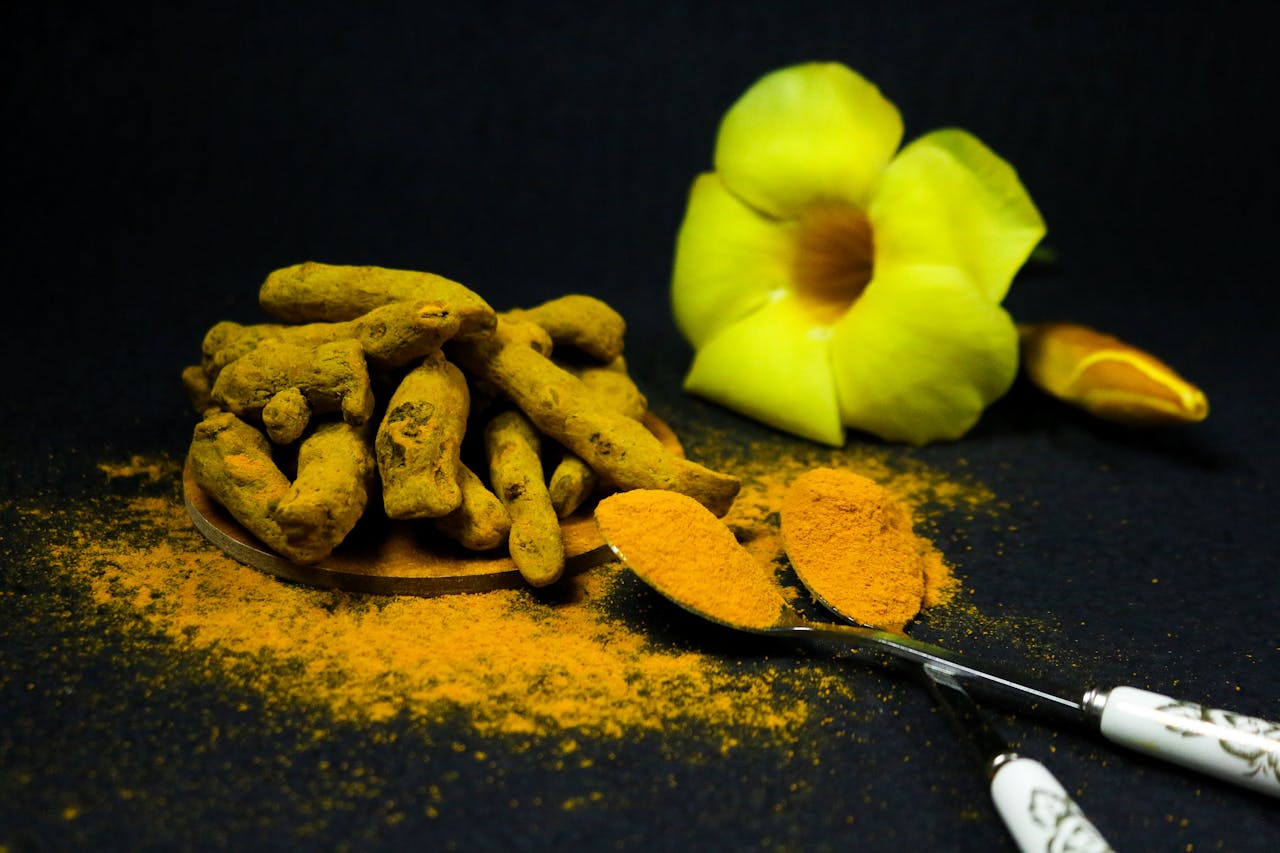
Dosing depends on your dog’s weight and the specific product. A common general guideline used by integrative veterinarians is 15 to 20 milligrams of turmeric per pound of body weight per day, divided into two or three doses. For a 50 pound dog, that works out to roughly one quarter teaspoon of powder per day.
If you are using a commercial dog supplement with a labeled dosage, follow the bottle. Dog specific formulas already include black pepper (BioPerine) and a fat source to improve absorption.
Always start lower than the target dose. I gave Benny a pinch on his food for the first three days, then worked up gradually over a week. Starting slow lets your dog’s digestive system adjust and lets you watch for any individual reactions.
A Simple DIY Golden Paste Recipe
Some dog parents prefer homemade. The classic golden paste uses turmeric powder, water, coconut oil, and a little black pepper. The heat from simmering plus the pepper and fat improve curcumin absorption. I used a teaspoon of cooled paste stirred into Benny’s kibble at dinner. Store it in a glass jar in the fridge for up to two weeks.
My Recommended Turmeric Products for Dogs
Commercial turmeric supplements made for dogs take the guesswork out of dosing. They usually contain a measured curcumin extract plus BioPerine and sometimes joint support add ons like glucosamine or collagen. These are the ones I have used or recommended after reading labels and testing with friends’ dogs.
Turmeric for Dogs Anti Inflammatory Chewable Tablets
Curcumin and BioPerine tablets in a simple, affordable 120 count bottle

The Wellthie One Review
This was the first commercial turmeric supplement I tried with Benny. The chewable tablets were easy to hide in a dab of peanut butter, and the 120 tablet bottle lasted about two months at his dose. The formula includes BioPerine, which matters because plain turmeric without black pepper has very low bioavailability.
Turmeric for Dogs Tablets Attributes
- 120 chewable tablets per bottle for a multi month supply
- Curcumin plus BioPerine for improved absorption
- Made for small, medium, and large dogs with dose by weight
- Hip and joint support formula for aging dogs
- Budget friendly starter option
If your dog is picky about pills, soft chews can be an easier sell. Most dogs treat them like treats, which helps with consistency, and consistency is what matters most with a slow working herbal compound.
Turmeric Curcumin Soft Chews With Collagen and Fish Oil
Soft chews that combine curcumin with joint supporting collagen and omega oils

The Wellthie One Review
I rotated Benny onto this brand because the soft chew format was easier to give during his morning routine. The added collagen supports joint structure, and the fish oil delivers omega 3s that work well alongside curcumin. He treats them like a daily cookie, which makes dosing zero stress.
Turmeric Soft Chews Attributes
- 90 soft chews per bottle for multi month supply
- Curcumin paired with BioPerine, collagen, and fish oil
- Chew format most dogs readily accept
- Designed for hip and joint support
- Antioxidant blend for aging dogs
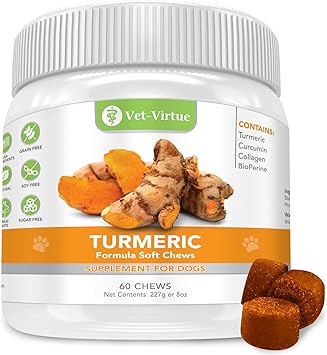
Organic Turmeric for Dogs With Collagen and BioPerine
Organic curcumin plus collagen and BioPerine in a shorter 60 count bottle
The Wellthie One Review
If organic sourcing matters to you, this is a solid middle ground. The 60 count bottle is a good starter size if you want to trial turmeric for a month before committing to a larger supply. The formula keeps it simple with organic curcumin, collagen, and BioPerine, which covers the essentials without extras you may not need.
Organic Turmeric for Dogs Attributes
- 60 count starter size for a one month trial
- Organic curcumin for cleaner sourcing
- Paired with collagen for joint tissue support
- BioPerine included to boost curcumin absorption
- Anti inflammatory blend for hip and mobility support
Side Effects and Safety Notes
Turmeric is generally considered safe for most dogs when dosed appropriately, but there are a few things to know before you start.
Some dogs experience mild digestive upset when starting turmeric too quickly. Loose stools or occasional nausea usually resolve within a few days at a lower dose. If they persist, stop and consult your vet.
Turmeric can act as a mild blood thinner. If your dog is on blood thinning medication, about to have surgery, or has a bleeding disorder, talk with your vet before adding turmeric. The same is true for dogs with a history of kidney or gallbladder issues, because turmeric can contain oxalates and affect bile flow.
Large doses over long periods can sometimes irritate the stomach. Staying within the commonly recommended dosing range and taking periodic breaks is a sensible approach.
When to Expect Results
Turmeric is not a fast acting anti inflammatory. Some dogs seem noticeably more comfortable within a week. Others take three to six weeks of consistent daily dosing to show clear changes. Benny turned a corner around the four week mark. His morning stiffness reduced, and by week six he was taking stairs two at a time again.
Keep a simple journal during the first two months. Note any changes in mobility, sleep, appetite, and stool quality. A short written record makes it easier to see subtle improvements that you might otherwise miss day to day.
Pair Turmeric With Other Natural Support
Turmeric works best as part of a broader wellness routine. Dogs also benefit from daily exercise appropriate to their age and size, a high quality diet with real protein, regular hydration, and minimal exposure to harsh household chemicals. If your dog is older, dental care becomes an even bigger deal because oral inflammation contributes to systemic inflammation.
For pet parents who want a gentler, food based approach to their dog’s overall wellness, my guide on how to make bone broth for dogs at home is a perfect companion to a turmeric routine. Bone broth delivers collagen, glycine, and minerals that support joints and digestion.
You can also pair turmeric with omega 3 rich fish oil, which is one of the most research supported dog joint nutrients available. The two together address inflammation through different pathways, which tends to deliver better results than either alone.
The Bottom Line on Turmeric for Dogs
Turmeric for dogs is not a cure all, but it is one of the most studied plant compounds available for gentle, natural wellness support. Used correctly, it may help your dog feel more comfortable, move more easily, and age more gracefully.
Start with a quality product designed for dogs, follow weight based dosing, and watch for your dog’s individual response. Give it four to six weeks of daily use before judging the result. And always loop in your vet, especially for older dogs on multiple medications.
Benny is now eleven, still active, still climbing stairs, and turmeric has been a regular part of his routine for over two years. If your own senior pup is starting to slow down, a small scoop of gold in his bowl every day may be one of the simplest ways to give him more good days.
This article may contain affiliate links. As an Amazon Associate, The Wellthie One earns from qualifying purchases at no extra cost to you. This small commission helps us keep creating content like this. The information above is for educational purposes only and is not veterinary advice. Always consult a qualified veterinarian before adding a new supplement to your dog’s routine, especially if your dog has a health condition or takes medication.


